
How Does a Solar Charge Controller Create Reliable Outdoor Power Solutions with Inverters and Battery Chargers?
Introduction
Outdoor activities and remote operations demand reliable, efficient, and independent power solutions. Whether it is for camping, fieldwork, or mobile applications, the need to keep devices running smoothly without access to a traditional power grid has never been greater. At the heart of these systems lies the solar charge controller, a device that ensures solar energy is harnessed effectively and safely for use.
Unlike a simple power connection, a solar charge controller manages how electricity flows from solar panels to the battery, preventing overcharging, deep discharging, and unnecessary energy loss. When combined with a 1000W power inverter to convert stored DC into usable AC power, and a battery charger to maintain battery health, the entire system becomes a complete outdoor energy solution.

From lighting and communication equipment to portable appliances and emergency tools, these devices together create a stable and versatile power supply. This integration allows outdoor users to maximize solar energy, extend battery life, and ensure continuous access to electricity, even in off-grid conditions.
What Role Does a Solar Charge Controller Play in Outdoor Power Systems?
Core Function of a Solar Charge Controller
A solar charge controller is the central component of any outdoor solar-powered system. Its primary role is to regulate the voltage and current coming from solar panels before it reaches the battery. Without this regulation, batteries can suffer from overcharging during peak sunlight or deep discharging during extended use, both of which reduce battery lifespan. By managing the charging process, the controller ensures the battery remains healthy and efficient for longer periods.
Stability and Safety for Outdoor Use
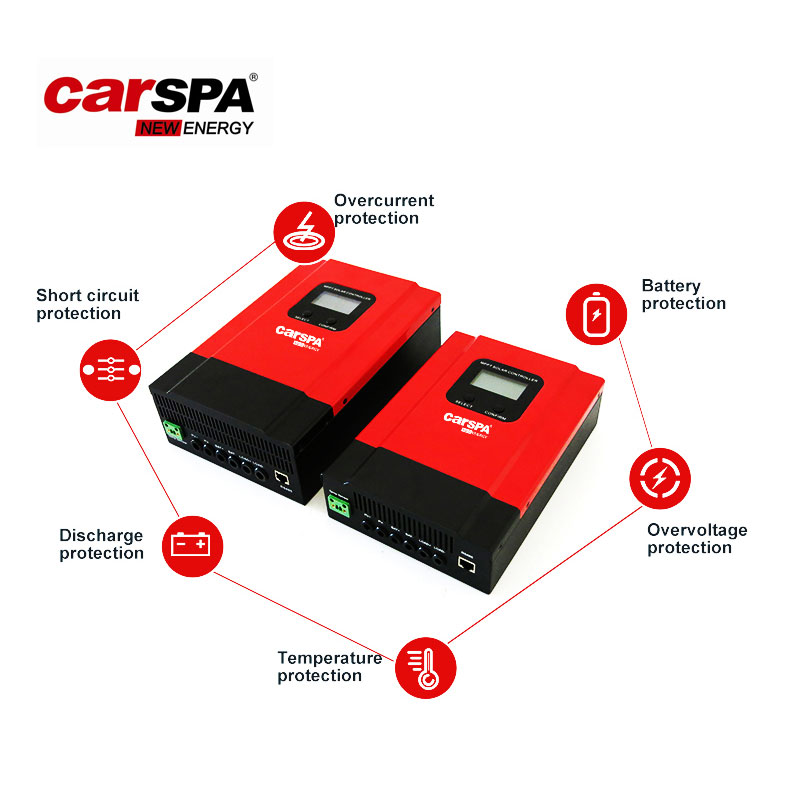
Outdoor conditions are often unpredictable, with fluctuating sunlight, temperature changes, and varying loads from connected devices. A solar charge controller provides stability by ensuring a consistent flow of energy. Most modern controllers include built-in protection features such as:
Overvoltage protection to avoid battery damage.
Reverse polarity protection to prevent wiring mistakes.
Load control functions to automatically switch off when the battery is low, preserving essential power.
These safety mechanisms are especially critical in outdoor settings where access to replacement equipment or repair services may be limited.
Optimizing Energy Harvesting
A solar charge controller does more than just protect; it also optimizes the conversion of sunlight into usable energy. Advanced models, especially MPPT (Maximum Power Point Tracking) controllers, adjust the operating point of solar panels to extract maximum power. This can improve energy efficiency by 20–30% compared with traditional PWM (Pulse Width Modulation) controllers. For outdoor users who rely heavily on solar energy, this optimization directly translates into more available power for lights, tools, and appliances.
Enabling Reliable Off-Grid Power
For applications like camping, field expeditions, or outdoor work sites, having dependable electricity is not optional—it is essential. The solar charge controller acts as the “brain” of the system, ensuring that solar panels, batteries, and inverters work in harmony. Without it, the energy system would be unstable, leading to interruptions, battery failures, or wasted solar power.
Long-Term Benefits
Extends battery life by maintaining proper charging cycles.
Reduces maintenance costs in outdoor setups.
Improves reliability of power for critical devices.
Supports flexible system design, from small portable kits to larger mobile power stations.
By playing this central role, the solar charge controller becomes the foundation of any outdoor power solution, ensuring users have continuous and safe access to energy wherever they go.
How Does a Solar Charge Controller Work with a 1000W Power Inverter for Reliable Energy Use?
Coordinating DC and AC Power
A solar charge controller ensures that the energy stored in the battery remains stable and reliable, but most outdoor devices require AC power to function. This is where the 1000W power inverter plays a critical role. The controller first manages the charging of the battery, and then the inverter converts the DC energy into AC electricity, suitable for powering laptops, lighting systems, communication equipment, and even small appliances during outdoor activities.
Why 1000W Power Inverter is Ideal for Outdoor Systems
The 1000W rating strikes a balance between portability and capability. It is strong enough to handle essential equipment like LED lights, fans, small refrigerators, and charging stations, while still compact and efficient for outdoor setups. Combined with the charge controller, it forms a complete energy management system that can adapt to both light and medium-demand applications.
Ensuring System Reliability
Without a charge controller, the battery could be overcharged or drained too deeply, leading to instability in the inverter’s output. This could result in fluctuating voltage or even damage to sensitive electronics. By regulating the battery health, the solar charge controller guarantees that the inverter receives a consistent supply of power, ensuring smooth and reliable AC output for all connected devices.
Protection for Sensitive Outdoor Equipment
Many outdoor electronics—such as communication radios, GPS units, or medical support tools—require clean and stable electricity. The integration of a charge controller and a 1000W inverter ensures:
Voltage regulation to prevent surges.
Stable current flow for uninterrupted operation.
Automatic cut-offs when batteries are low, avoiding deep discharge damage.
Practical Example in Outdoor Use
Consider a camping site where users depend on solar panels to charge a battery bank. The solar charge controller keeps the batteries safe and fully optimized, while the 1000W power inverter converts stored energy into AC power to run lighting, portable stoves, or even work-related tools. The synergy between these two devices makes outdoor living and operations more convenient, safe, and efficient.
Benefits of This Combination
Reliable energy for both DC and AC devices.
Extended battery and inverter lifespan.
Greater flexibility for powering a wide range of outdoor equipment.
Confidence in energy stability, even in remote or off-grid environments.
By working hand-in-hand, the solar charge controller and the 1000W power inverter create a dependable backbone for outdoor energy systems, giving users the freedom to operate confidently without worrying about power interruptions.
Why Is a Battery Charger Important Alongside a Solar Charge Controller in Outdoor Applications?
Complementary Role of a Battery Charger
While the solar charge controller regulates the charging process from solar panels, a battery charger acts as an additional safeguard and backup charging option. In outdoor environments where sunlight may not always be sufficient—such as cloudy days, shaded areas, or during night-time operations—a dedicated battery charger allows users to recharge batteries using alternative power sources like a generator or external AC supply. This ensures that energy availability is not limited by weather conditions alone.
Maintaining Battery Health
One of the main advantages of combining a solar charge controller with a battery charger is improved battery maintenance. Outdoor systems often rely on deep-cycle batteries, which require proper charging to maximize lifespan. A charger provides:
Float charging to keep batteries at optimal levels without overcharging.
Equalization charging to balance cells in lead-acid batteries.
Fast charging capabilities in emergencies when immediate power is needed.
By maintaining correct charging cycles, batteries last longer and deliver consistent performance in demanding outdoor conditions.
Backup for Critical Outdoor Power Needs
Imagine a scenario where a solar panel system is unable to generate enough energy during several days of poor sunlight. Without a backup battery charger, devices such as lights, radios, or refrigeration units may shut down. By integrating a charger, users can switch to generator or grid input to restore power quickly, ensuring continuity for essential outdoor activities.
Ensuring System Flexibility
Outdoor users rarely rely on one energy source. A battery charger adds flexibility by allowing multiple charging pathways:
Solar panels via solar charge controller as the primary source.
AC input through a charger as a backup or emergency source.
Hybrid operation to maximize uptime and reliability.
This layered approach guarantees energy security, which is vital for outdoor work, expeditions, and leisure use.
Practical Benefits in Outdoor Scenarios
Emergency readiness: Always have a second option when solar energy is unavailable.
Extended autonomy: Batteries stay charged for longer trips or projects.
Reduced downtime: Faster recovery after heavy energy usage.
Longer battery life: Optimized charging prevents premature failure.
By working alongside a solar charge controller, a battery charger provides stability, security, and resilience, making outdoor energy systems dependable under any condition.
Which Other Devices Can Be Integrated with a Solar Charge Controller for Outdoor Power Solutions?
Portable Lighting Systems
One of the most common outdoor needs is reliable lighting. Solar charge controllers often come with direct DC load outputs that can power LED lamps or floodlights. This allows users to set up safe and efficient illumination for camping sites, outdoor work areas, or emergency scenarios. With automatic dusk-to-dawn functions in some controllers, lights can turn on and off without manual operation, saving energy and improving convenience.
Refrigeration and Cooling Units
For longer outdoor stays, refrigeration becomes important for preserving food, medicine, and supplies. Compact DC refrigerators or fans can be powered directly through the system. The solar charge controller ensures that the battery voltage remains stable, preventing interruptions and extending the runtime of these devices, even when sunlight is inconsistent.
In outdoor activities such as field expeditions or remote work projects, communication equipment like radios, GPS trackers, and mobile devices are indispensable. By integrating USB or DC outputs through the solar charge controller, users can keep these devices charged at all times. This ensures safety, connectivity, and smooth operations in environments where conventional charging options are unavailable.
Emergency and Safety Equipment
A reliable outdoor power system must also support critical safety devices such as portable medical kits, emergency pumps, or alarm systems. With regulated voltage and current flow, the solar charge controller protects sensitive equipment from fluctuations that could otherwise cause malfunctions during crucial moments.
Integration with Hybrid Power Sources
Beyond solar panels, outdoor systems may integrate generators, wind turbines, or backup batteries. A well-designed solar charge controller supports hybrid configurations, balancing energy inputs from multiple sources. This flexibility ensures continuous power supply, particularly in locations with variable weather or high energy demands.
Practical Benefits of Integration
Versatility: Support for both small electronics and larger appliances.
Efficiency: Optimized power distribution across multiple devices.
Reliability: Protection mechanisms ensure all equipment runs smoothly.
Convenience: Simplifies outdoor living or work by reducing dependence on traditional power.
By connecting additional devices to the system, a solar charge controller becomes the backbone of a complete outdoor energy solution, ensuring safety, convenience, and performance across a wide range of applications.
How to Choose the Right Solar Charge Controller for Your Outdoor Energy Needs?
Understanding the Two Main Types: PWM vs. MPPT
When selecting a solar charge controller, the first decision is choosing between PWM (Pulse Width Modulation) and MPPT (Maximum Power Point Tracking).
PWM controllers are cost-effective, simple, and reliable, suitable for small-scale outdoor systems like camping kits or portable solar setups.
MPPT controllers, on the other hand, are more advanced. They track the maximum power point of solar panels, increasing energy harvest by 20–30%. This makes them ideal for larger outdoor systems where efficiency and maximum output are essential.
Choosing the right type depends on the scale of your outdoor energy use and the kind of solar panels you plan to integrate.
Matching Controller Capacity with Your System
A solar charge controller must be sized correctly to handle the maximum current from your solar panels. For example, if you are using a 12V battery system with panels that can deliver 20A, the controller should support at least 25–30A for safe operation. For a 1000W power inverter, which typically requires a larger battery bank, the controller must be capable of managing higher energy flows. Underestimating capacity may lead to overheating or system shutdowns, while oversizing provides flexibility for future expansion.
Voltage Compatibility and Flexibility
Outdoor power systems often use 12V or 24V batteries, and some advanced setups may require 48V. Selecting a solar charge controller that supports multiple voltage ranges adds flexibility. This allows the same controller to adapt as you upgrade your battery system or expand your energy needs.
Considering Outdoor Durability
Since the controller itself is often used in rugged environments, durability matters. Look for:
Ingress Protection (IP) rating against dust and moisture.
Temperature tolerance for use in both hot deserts and cold mountains.
Shock resistance for portable setups that may be moved frequently.
These factors determine how well the device will survive harsh outdoor conditions.
Smart Features for Better Control
Modern solar charge controllers come with smart functions that improve user experience:
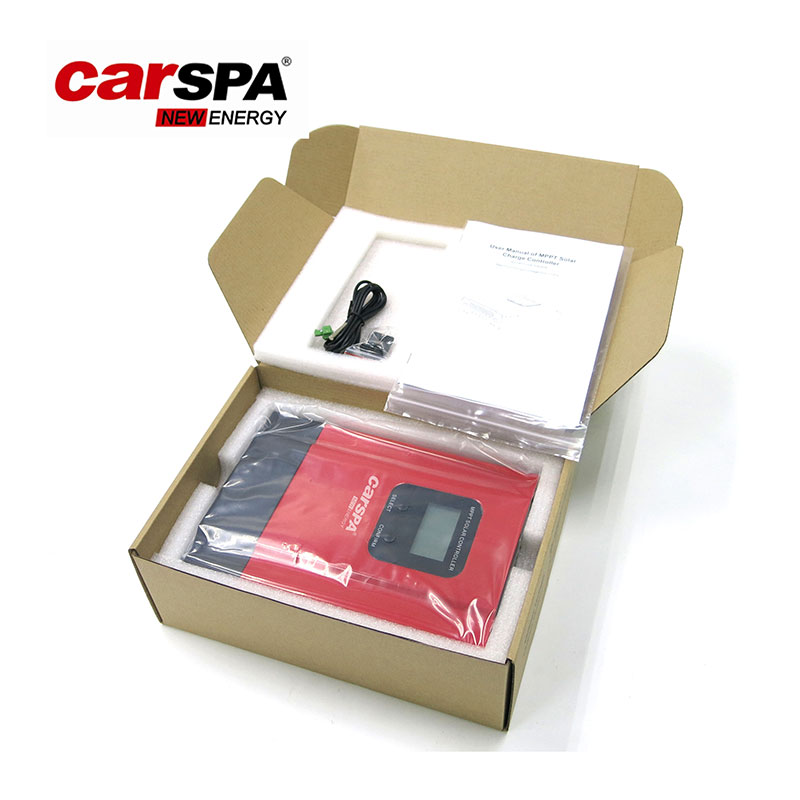
LCD displays for real-time monitoring of voltage, current, and battery levels.
Remote monitoring via Bluetooth or Wi-Fi for checking performance on mobile devices.
Programmable load control to customize how connected devices receive power.
These features are especially useful in outdoor applications where convenience and control make a significant difference.
Cost vs. Performance Balance
While lower-cost options may seem attractive, they often lack advanced protections and efficiency. Investing in a reliable and efficient solar charge controller reduces long-term costs by extending battery life, preventing failures, and optimizing solar energy usage. For outdoor users relying on consistent electricity, reliability is far more valuable than short-term savings.
Practical Checklist Before Buying
System size: Number of panels, total wattage, and inverter size.
Battery type: Lead-acid, AGM, or lithium batteries require different charging algorithms.
Environment: Indoor vs. outdoor use, weather conditions, and mobility needs.
Future expansion: If you plan to scale up, choose a controller with extra capacity.
Long-Term Value
Selecting the right solar charge controller is not just about powering today’s devices; it is about ensuring your entire system remains reliable and expandable for years to come. A carefully chosen controller guarantees that your solar panels, batteries, inverter, and chargers work together in harmony, delivering stable and efficient power in every outdoor scenario.
Conclusion
Outdoor energy systems are no longer just a convenience—they are a necessity for camping, expeditions, mobile workstations, and remote operations. At the heart of these systems, the solar charge controller ensures that energy harvested from the sun is stored, regulated, and used efficiently. When paired with a 1000W power inverter for AC power conversion and a battery charger for backup, the entire system becomes a reliable source of electricity for lighting, cooling, communication, and essential equipment.
By integrating additional outdoor devices, from portable lights to safety equipment, the solar charge controller transforms into the backbone of a complete off-grid power solution. Choosing the right controller—whether PWM or MPPT—depends on system size, voltage requirements, and environmental conditions, but in every case, its role in stability, efficiency, and equipment protection is indispensable.
For dependable products that combine durability, advanced technology, and reliable performance, CARSPA offers solar charge controllers and complementary outdoor energy solutions designed to meet the evolving demands of modern users.


