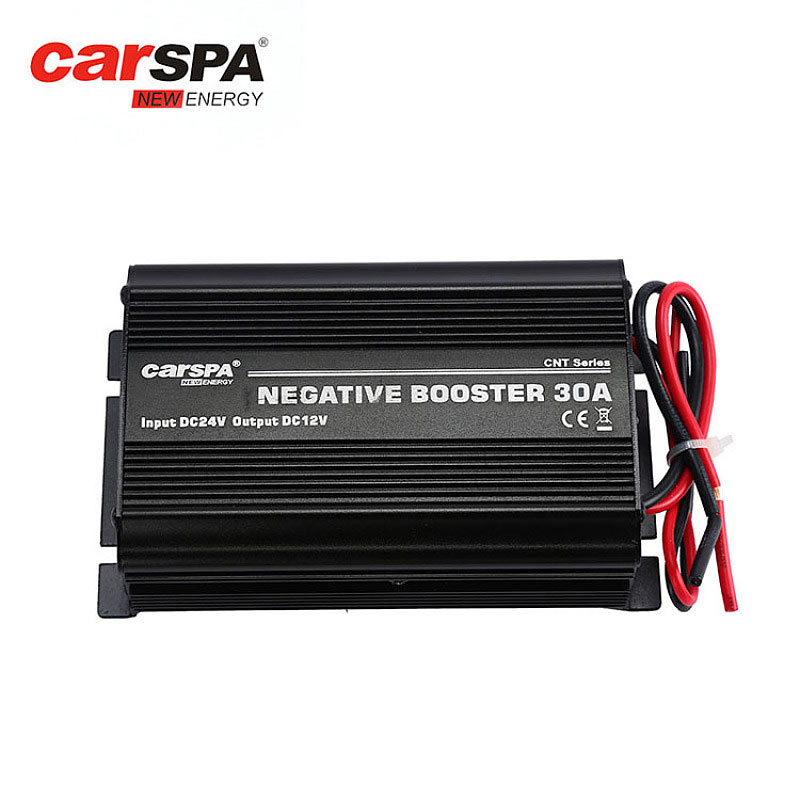
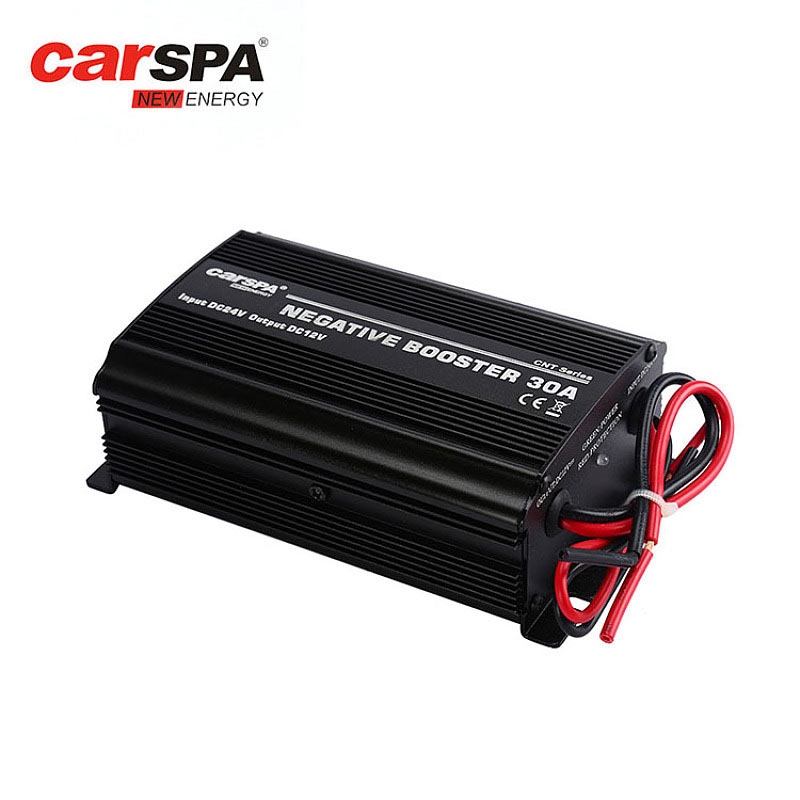
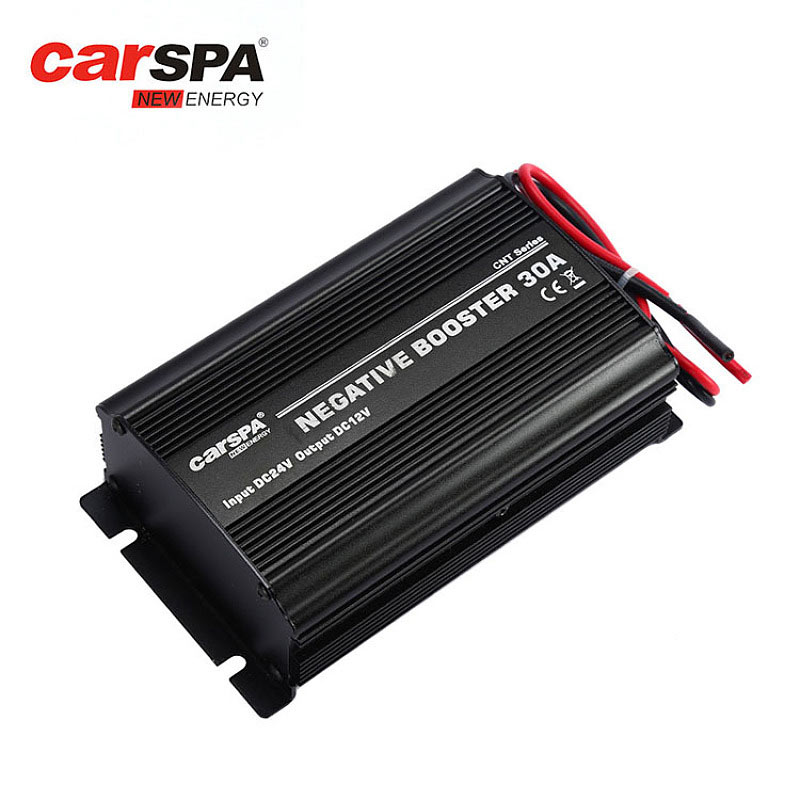
Why Is a Battery Charger Essential for Reliable and Sustainable Outdoor Power Solutions?
Introduction
In outdoor environments where stable power supply is often limited, a battery charger plays a crucial role in keeping essential equipment running smoothly. Whether powering lighting systems, communication devices, tools, or backup energy storage, having a reliable charging solution ensures continuity and efficiency in demanding conditions. Unlike indoor applications where electricity is readily available, outdoor scenarios require chargers that can adapt to unpredictable weather, variable loads, and extended operating hours.
A modern battery charger is not just about replenishing energy; it provides smart regulation to prevent overcharging, protect against voltage fluctuations, and maintain long-term battery health. This makes it an indispensable component for professionals who rely on outdoor operations, from construction sites and emergency response setups to portable energy systems used in remote areas.

As outdoor activities and industries increasingly demand efficiency, sustainability, and flexibility, the importance of a high-quality battery charger continues to grow. Choosing the right solution not only improves reliability but also reduces costs and enhances overall safety in the field.
Why Is a Reliable Battery Charger Essential for Outdoor Applications?
Power Continuity in Remote Locations
In many outdoor operations, access to the grid is either unstable or completely unavailable. A battery charger ensures that critical devices and equipment can remain powered without interruption. From portable lighting systems at construction sites to communication tools in remote areas, a dependable charger directly translates into operational continuity.
Adapting to Harsh Environments
Outdoor conditions are rarely predictable. Dust, temperature swings, and moisture can all affect performance. A robust battery charger designed for outdoor use can withstand these challenges, ensuring consistent performance even in demanding environments. This reliability reduces downtime and the risk of equipment failure when it is needed most.
Supporting Multiple Applications
Outdoor setups often involve diverse power needs, including tools, sensors, and backup power banks. A versatile battery charger allows users to maintain different battery types efficiently, from lead-acid to lithium-ion, making it suitable for multi-application scenarios.
Safety as a Core Requirement
In outdoor work, safety cannot be compromised. A high-quality charger provides built-in protections against overcharging, overheating, and short circuits. These safeguards prevent battery damage and reduce the risk of accidents, giving users confidence in continuous and safe operation.
How Does a Battery Charger Ensure Efficiency and Safety in Outdoor Power Use?
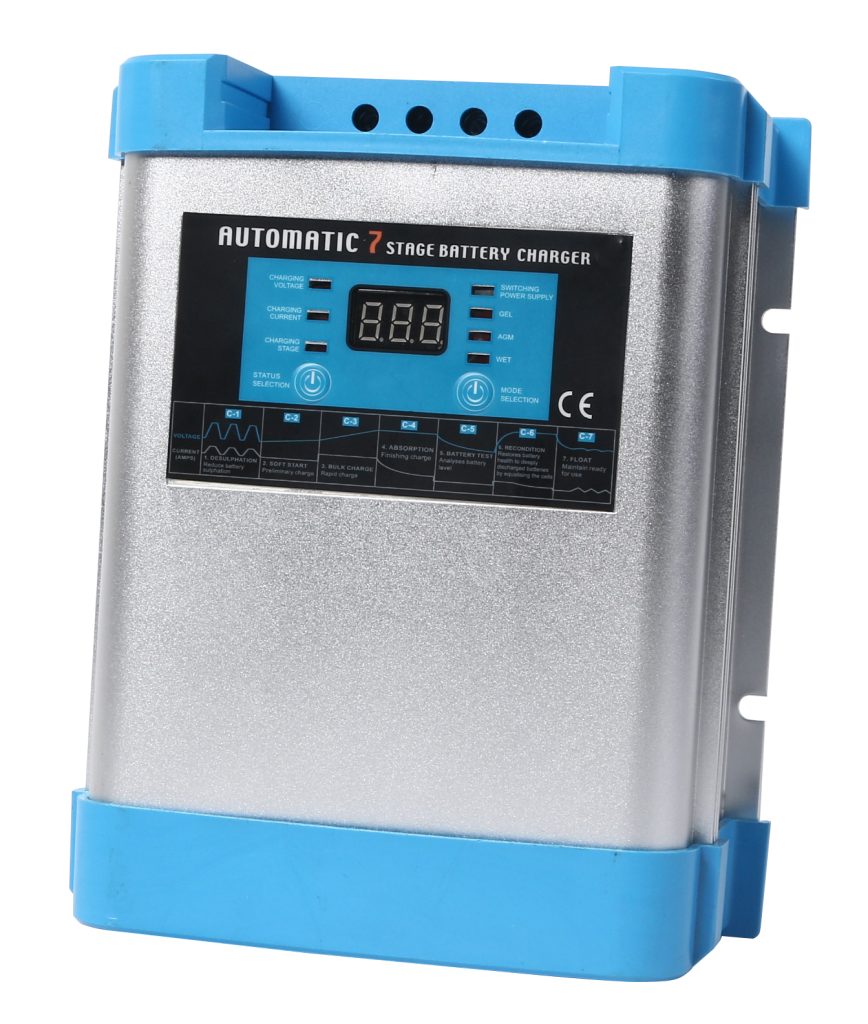
Optimized Energy Conversion for Higher Efficiency
A modern battery charger uses advanced control circuits to optimize energy conversion, minimizing power loss during charging. This is especially important in outdoor operations where energy sources may be limited, such as portable generators or renewable energy systems. By delivering efficient charging, the charger extends available power and reduces unnecessary waste.
Intelligent Charging Modes
Unlike traditional chargers that apply a fixed current, intelligent outdoor chargers adapt their charging profile based on battery type and condition. For example, lithium-ion batteries require precise current control, while lead-acid batteries benefit from staged charging. This adaptability maximizes battery performance and ensures longer service life.
Built-In Safety Protections
Outdoor environments introduce more risks, from unstable power inputs to accidental overloads. A high-quality battery charger includes safety features such as:
Overcharge and over-discharge protection
Short circuit and reverse polarity protection
Temperature monitoring and cut-off mechanisms
These functions not only protect the battery but also safeguard the equipment and the operators.
Stable Power for Sensitive Equipment
Some outdoor applications rely on sensitive electronic devices, such as monitoring sensors, communication systems, or navigation units. Voltage fluctuations can disrupt or even damage these devices. By delivering a stable and regulated charge, a reliable charger ensures smooth operation of critical systems.
Reduced Maintenance and Downtime
Safety and efficiency also mean fewer breakdowns. With well-designed thermal management and robust electronic components, a durable battery charger reduces maintenance needs. This is crucial for outdoor scenarios where technical support may not be readily available.
What Features Should You Look for in a High-Performance Outdoor Battery Charger?
Rugged and Weather-Resistant Design
One of the first considerations for an outdoor battery charger is its ability to endure tough conditions. Outdoor use exposes equipment to dust, humidity, vibrations, and temperature swings. A charger with a rugged casing, weather-sealed connectors, and effective cooling ensures reliable operation across different environments. This prevents sudden failures and supports long-term stability.
Compatibility with Multiple Battery Types
Outdoor operations often involve various battery chemistries, such as lead-acid, AGM, gel, and lithium-ion. A high-performance battery charger should support multiple charging profiles and allow flexible switching between different types. This versatility eliminates the need to carry multiple chargers, reducing both costs and equipment weight in the field.
Fast and Smart Charging Capability
Time is critical in outdoor scenarios. Chargers with fast-charging capabilities reduce downtime by replenishing power more quickly. At the same time, smart control algorithms prevent overheating or overcharging, ensuring that fast charging does not compromise battery health. This balance between speed and safety is essential for demanding applications.
Portability and Ease of Use
Outdoor users require compact, lightweight, and easy-to-handle solutions. A charger designed with portability in mind can be deployed quickly in different locations. Features like intuitive interfaces, LED indicators, or even digital displays give real-time feedback on charging status, making the device user-friendly even in challenging environments.
Energy Efficiency and Low Power Consumption
When relying on limited power sources like generators or renewable systems, efficiency becomes a top priority. A high-quality battery charger should have low standby power consumption and maximize energy transfer efficiency. This ensures that every watt of available power is utilized effectively, reducing waste and extending system operation.
Safety-Certified Components and Standards
For outdoor use, safety certification is not optional—it is a necessity. Look for chargers that comply with recognized international standards, which guarantee tested protection features. Certifications provide confidence that the charger can handle unpredictable outdoor conditions safely and reliably.
Integration with Renewable Power Sources
Many outdoor setups now include solar panels or hybrid renewable systems. A charger with the capability to integrate seamlessly with renewable inputs adds flexibility and sustainability. This feature reduces reliance on fuel-based generators, lowers costs, and supports greener operations.
How Do Battery Chargers Extend the Lifespan of Outdoor Equipment and Power Systems?
Preventing Overcharging and Deep Discharge
One of the primary ways a battery charger extends battery life is by controlling charging cycles. Overcharging can lead to overheating, swelling, and capacity loss, while deep discharge can permanently damage cells. Advanced chargers automatically cut off power when the battery reaches optimal capacity and protect against excessive drain, maintaining long-term battery health.
Reducing Thermal Stress on Batteries
Outdoor environments often expose batteries to high or fluctuating temperatures. Excessive heat accelerates chemical degradation, while cold reduces efficiency. A high-quality battery charger with temperature sensors and thermal control prevents overheating during charging, stabilizing performance across varying climates. This protection reduces stress and extends usable lifespan.
Maintaining Battery Performance with Smart Charging Profiles
Different battery chemistries age differently. Lithium-ion batteries require precise current and voltage control, while lead-acid batteries benefit from staged charging processes (bulk, absorption, float). A smart battery charger automatically adjusts its output according to battery type, ensuring the right level of energy input at every stage, which helps avoid premature wear.
Protecting Connected Outdoor Equipment
A charger does not just safeguard the battery—it also protects the equipment powered by it. Stable and regulated charging prevents voltage spikes or drops that can damage sensitive devices such as communication systems, monitoring instruments, or lighting setups. In this way, a reliable charger indirectly prolongs the service life of outdoor equipment.
Minimizing Maintenance and Replacement Costs
By ensuring stable performance and preventing premature failures, a durable battery charger reduces the frequency of maintenance checks and replacement cycles. This not only extends the life of individual batteries but also lowers total operational costs, which is critical in large-scale outdoor systems where multiple batteries and devices are involved.
Supporting Long-Term System Reliability
In outdoor operations, reliability is often more valuable than immediate performance. A well-designed battery charger ensures consistent power supply, reducing the likelihood of unexpected failures in the field. This reliability contributes to the overall durability of power systems, ensuring smoother operations over years rather than months.
Why Are Modern Battery Chargers More Suitable for Outdoor Sustainability and Flexibility?
Integration with Renewable Energy Sources
Modern battery chargers are increasingly designed to work seamlessly with renewable energy inputs such as solar panels and wind systems. This integration allows outdoor users to reduce dependence on traditional fuel-based generators, lowering both costs and environmental impact. By making use of clean energy, operations become more sustainable and future-ready.
Smart Monitoring and Control Functions
Advanced chargers now come with intelligent monitoring features, such as digital displays, remote management options, or even app-based interfaces. These functions give users real-time insight into charging status, energy consumption, and system performance. This level of visibility enhances flexibility, allowing outdoor power systems to be adjusted quickly to meet changing conditions.
Compact, Portable, and Modular Designs
Flexibility in outdoor use often means moving equipment between different sites or adapting to evolving needs. Modern battery chargers are designed to be lightweight, compact, and modular. They can be combined with other portable power solutions, ensuring that scaling up or reconfiguring a system is simple and efficient.
Eco-Friendly and Cost-Effective Operation
Sustainability is not just about energy sources—it is also about long-term value. By improving energy efficiency, reducing waste, and minimizing maintenance requirements, a modern battery charger helps achieve lower operating costs while supporting environmentally responsible practices. This dual advantage makes it ideal for organizations that want to balance performance with ecological responsibility.
Future-Proofing Outdoor Power Systems
Technology and outdoor demands are constantly evolving. Modern chargers with smart algorithms, compatibility with multiple battery chemistries, and renewable integration ensure that today’s investments remain relevant for years to come. This adaptability makes them a core part of sustainable and flexible outdoor power strategies.
Conclusion
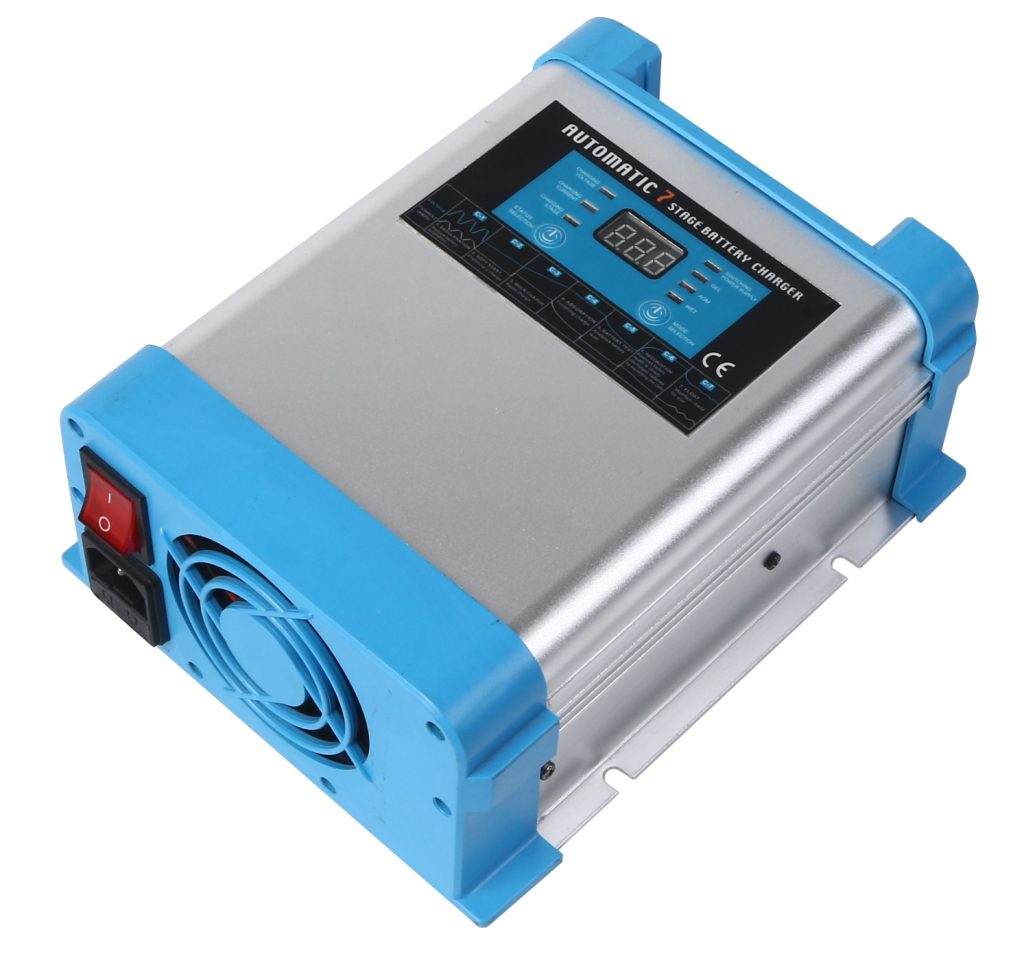
A reliable battery charger is no longer just a simple accessory—it is a critical component that ensures safety, efficiency, and sustainability in outdoor power systems. By offering intelligent charging profiles, rugged designs, renewable compatibility, and enhanced monitoring features, modern chargers meet the growing demands of outdoor industries and applications.
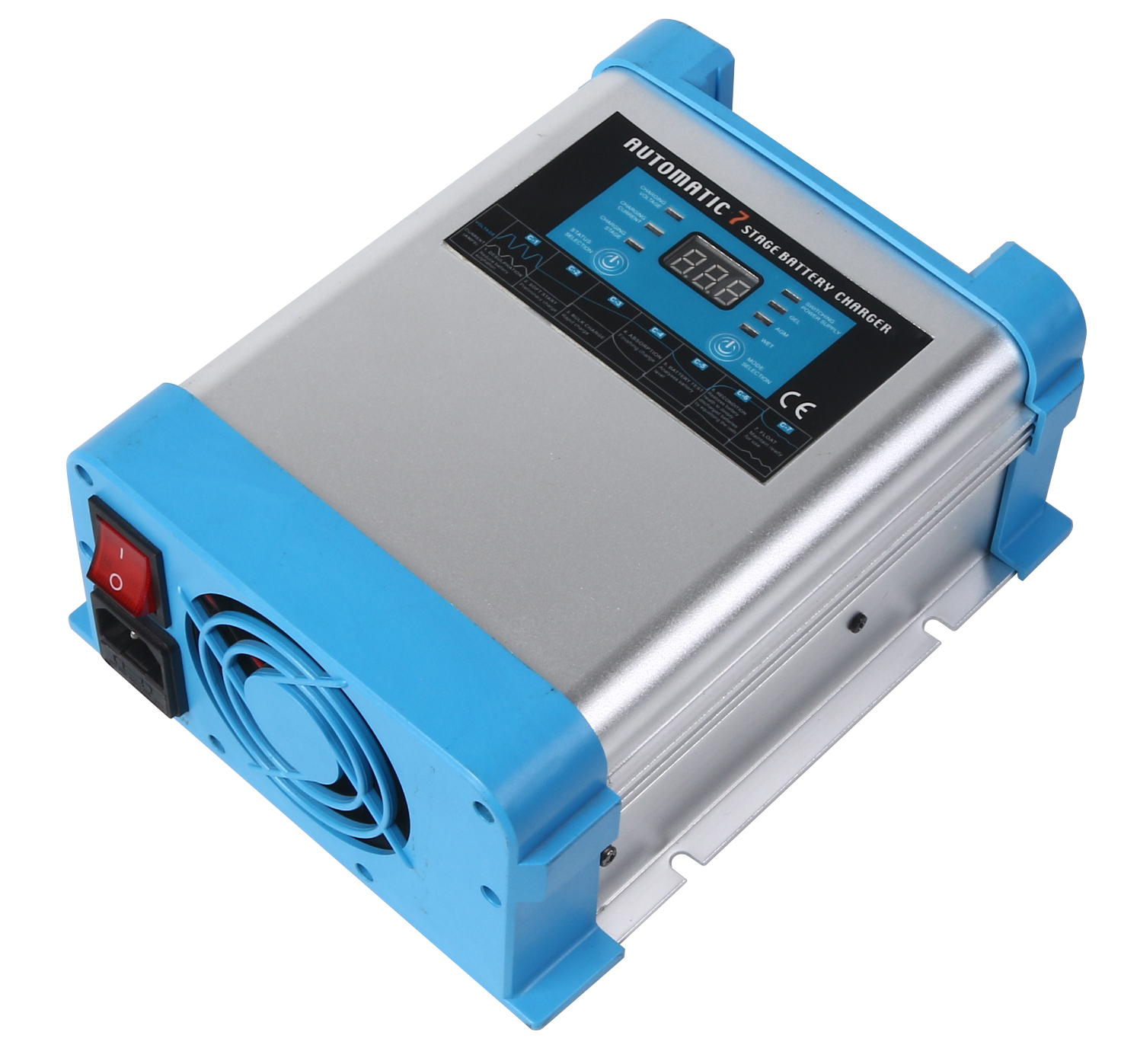
For dependable solutions tailored to real-world outdoor challenges, CARSPA provides a range of high-quality battery chargers that combine innovation, durability, and efficiency to support long-term success.






.jpg)


.jpg)
.jpg)
.jpg)
.jpg)
.jpg)