
How to Select the Best Solar Charge Controller for Outdoor Use?
In outdoor power systems, ensuring a stable and efficient energy supply is often a challenge due to unpredictable weather conditions, varying energy demands, and the remote nature of many installations. A solar charge controller plays a pivotal role in overcoming these challenges by managing the flow of energy from solar panels to batteries, preventing overcharging, deep discharging, and optimizing the charging process for maximum efficiency.
Whether it is for outdoor lighting, mobile workstations, camping setups, or remote monitoring stations, a well-chosen solar charge controller ensures consistent power delivery while protecting valuable battery investments. Modern controllers not only regulate voltage and current but also incorporate smart features such as temperature compensation, load control, and real-time system monitoring—critical for ensuring performance and durability in outdoor conditions.

As renewable energy adoption grows, understanding how a solar charge controller works, why it's essential, and how to choose the right one becomes vital for anyone designing or maintaining outdoor solar systems. This article will explore these key aspects, offering practical insights into maximizing efficiency, reliability, and long-term performance.
What Is a Solar Charge Controller and How Does It Work in Outdoor Applications?
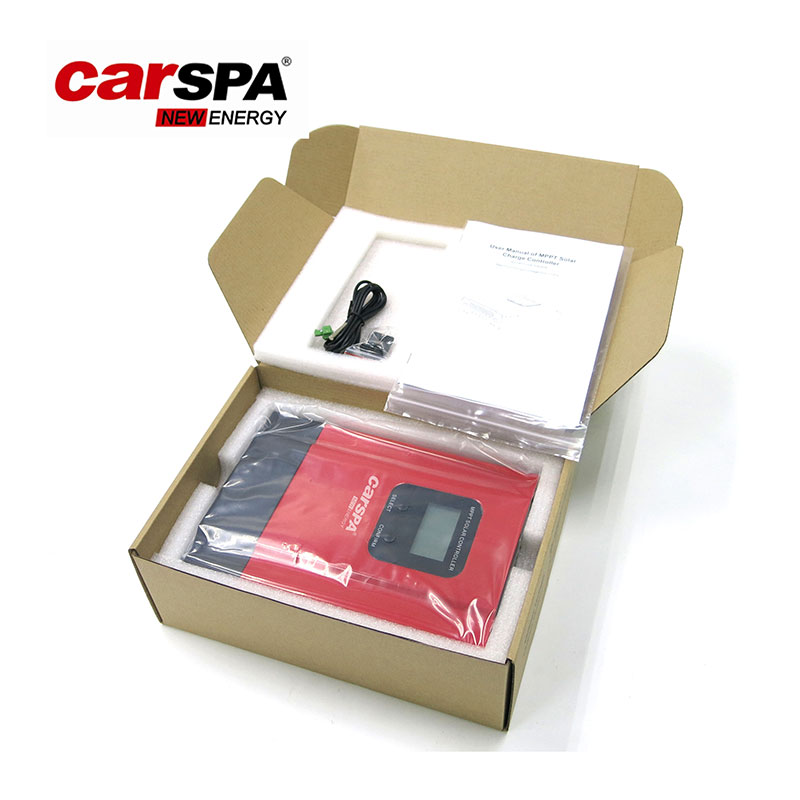
A solar charge controller is an electronic device that regulates the energy flow from solar panels to the battery bank, ensuring that the charging process is both efficient and safe. In outdoor applications—whether powering lighting systems in parks, maintaining energy supply for remote cabins, or running surveillance equipment—it acts as the critical link between power generation and storage.
Basic Function
The controller monitors the voltage and current from the solar panels and adjusts it to the optimal level for charging the batteries. Without it, batteries could overcharge, overheat, or degrade prematurely, especially under prolonged sunlight exposure.
Types of Controllers
PWM (Pulse Width Modulation) – A cost-effective choice for smaller outdoor systems. It reduces voltage gradually as the battery nears full charge, minimizing stress on the battery.
MPPT (Maximum Power Point Tracking) – Ideal for larger or high-efficiency setups. It constantly adjusts to extract the maximum available power from solar panels, improving energy capture by 15–30%.
Application Example
In a remote weather station, the solar charge controller ensures that even during peak sun hours, the battery is charged at the right rate, storing enough energy to keep equipment operational through cloudy days or at night.
A properly selected and installed solar charge controller not only extends battery life but also ensures that outdoor solar systems operate reliably under a wide range of environmental conditions.
Why Is a Solar Charge Controller Essential for Reliable Outdoor Power Systems?
In outdoor solar installations, conditions can change rapidly—bright sun in the morning, heavy rain in the afternoon, and high winds at night. Without a solar charge controller, these fluctuations can cause serious harm to batteries and connected equipment. Overcharging can lead to overheating, electrolyte loss, and permanent capacity reduction, while deep discharging can shorten a battery's lifespan dramatically.
Stable Energy Supply
A solar charge controller ensures that voltage and current remain within safe operating limits, providing a steady and predictable power flow to critical systems such as outdoor lighting, telecommunications relays, or irrigation pumps. In remote setups where maintenance visits are infrequent, this stability is invaluable for avoiding costly downtime.
Energy Optimization
Modern MPPT controllers can track the optimal operating point of solar panels, ensuring that even under partially shaded or cloudy conditions, the system extracts as much energy as possible. This capability is particularly important for outdoor applications where sunlight conditions are rarely ideal throughout the day.
Equipment Protection
Beyond battery safety, many controllers also have load control features that prevent sensitive electronics from receiving unstable voltage. For example, in an off-grid security camera network, the solar charge controller prevents sudden power drops that could disrupt recordings or damage components.
By acting as both a guardian and an optimizer, the solar charge controller is the cornerstone of dependable outdoor solar power systems—ensuring energy is always available, equipment is protected, and battery performance is maximized.
How to Choose the Right Solar Charge Controller for Outdoor Use?
Selecting the right solar charge controller for outdoor applications involves more than just matching it to your solar panel and battery specifications. It requires careful consideration of environmental conditions, system size, and operational demands to ensure both efficiency and longevity.
Determine System Requirements
Start by calculating the total wattage of your solar array and the capacity of your battery bank. This will help you choose a controller with the correct current rating and voltage compatibility. Undersizing the controller can lead to overheating and reduced system performance, while oversizing may result in unnecessary costs.
Choose Between PWM and MPPT
PWM controllers are best for smaller outdoor systems with minimal power requirements, such as garden lights or small monitoring stations.
MPPT controllers are ideal for larger systems or those operating in environments with fluctuating sunlight, as they adjust voltage dynamically to maximize energy capture.
Consider Durability and Protection
For outdoor use, select a model with a robust enclosure and a high IP (Ingress Protection) rating to resist dust, rain, and humidity. UV-resistant materials are also important if the controller will be directly exposed to sunlight.
Check for Additional Features
Temperature compensation, data logging, Bluetooth or remote monitoring, and load control are valuable features for outdoor systems, particularly in remote or mission-critical setups. For example, a controller with remote monitoring allows operators to check battery health and charging status without physically visiting the site—saving time and maintenance costs.
By carefully balancing performance, durability, and functionality, you can select a solar charge controller that meets the unique demands of your outdoor energy system, ensuring reliable operation for years to come.
What Features Improve the Performance of a Solar Charge Controller in Harsh Environments?
Outdoor solar systems often operate in unpredictable and challenging conditions—scorching heat, heavy rainfall, high humidity, dust storms, or freezing temperatures. A solar charge controller designed with the right features can significantly enhance performance and reliability in these environments.
High IP Rating and Rugged Housing
A controller with an IP65 or higher rating provides strong protection against dust and water ingress. A rugged, UV-resistant housing ensures that prolonged exposure to sunlight doesn't degrade the unit, keeping the electronics safe over years of use.
Wide Operating Temperature Range
In remote deserts or high-altitude installations, temperature swings can be extreme. A quality solar charge controller should operate reliably across a wide temperature range, typically from -20°C to +50°C or more, without performance loss.
Temperature Compensation
Battery charging efficiency changes with temperature. Controllers with temperature compensation adjust the charging voltage automatically, preventing overcharging in summer or undercharging in winter—critical for preserving battery health in outdoor applications.
Advanced Protection Circuits
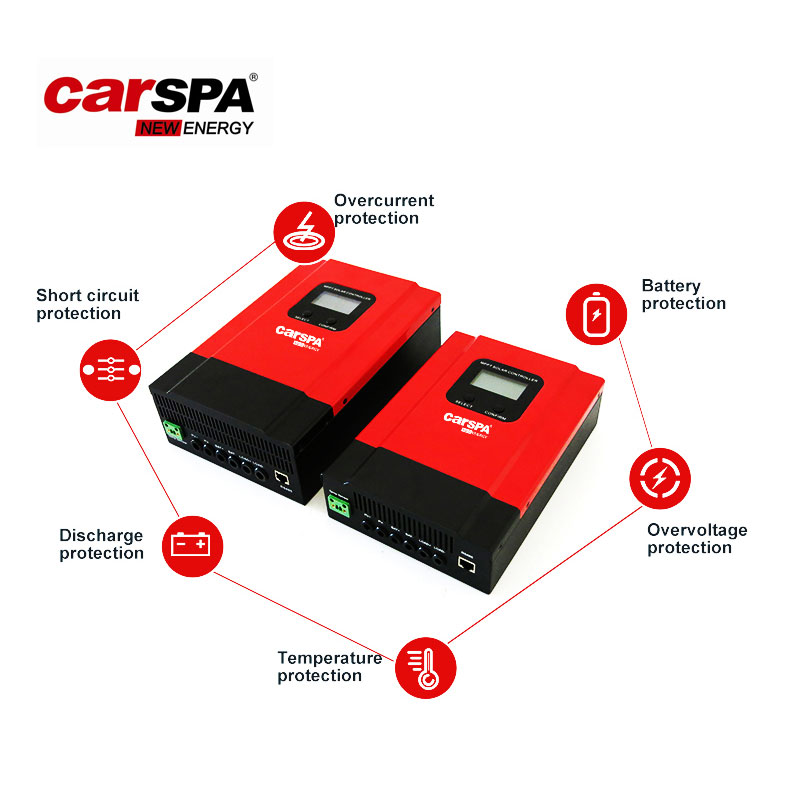
Overload, short-circuit, reverse-polarity, and surge protection are vital for preventing damage to both the controller and connected equipment. For instance, during thunderstorms, a well-designed controller can absorb voltage spikes and protect sensitive electronics.
Smart Energy Management
Some high-end models feature MPPT algorithms that adapt quickly to changing sunlight conditions, maintaining optimal energy harvest even on partially cloudy days. Others include load scheduling, allowing you to prioritize essential equipment during periods of low battery charge.
When operating in harsh outdoor environments, these design and safety features can make the difference between a system that fails prematurely and one that runs reliably for years with minimal maintenance.
How to Maintain and Extend the Lifespan of a Solar Charge Controller Outdoors?
Even the most advanced solar charge controller requires proper maintenance to ensure it performs reliably over many years. Outdoor conditions expose the device to temperature extremes, moisture, dust, and other environmental stresses, making regular inspection and upkeep essential.
Regular Visual Inspections
Check the housing for cracks, discoloration, or signs of water ingress. Dust, dirt, and insect nests can accumulate in ventilation areas, so ensure these are clear to prevent overheating. For systems in coastal regions, look for corrosion caused by salt in the air.
Connection and Wiring Checks
Loose or corroded terminals can lead to voltage drops, overheating, or intermittent faults. Tighten all electrical connections periodically and replace any frayed or damaged cables immediately. Using weatherproof connectors can further reduce maintenance needs.
Firmware and Feature Updates
For smart controllers with remote connectivity, manufacturers may release firmware updates to improve efficiency or add new features. Keeping the controller's software up to date ensures optimal performance and security.
Monitor Charging Performance
Use the controller's display, Bluetooth app, or remote monitoring system to track voltage, current, and battery health. Sudden drops in efficiency may indicate panel shading, battery issues, or controller faults that require attention.
Protect from Extreme Conditions
While quality controllers are designed for harsh environments, additional shielding—such as mounting under a canopy or inside a ventilated weatherproof box—can further extend their service life, especially in regions with intense sun or heavy rainfall.
By combining preventive care, timely repairs, and proper environmental protection, you can significantly extend the operational lifespan of your solar charge controller, ensuring consistent and efficient outdoor power delivery for years to come.
Conclusion
A solar charge controller is far more than a simple connection point between solar panels and batteries—it is the intelligent control hub that ensures your outdoor power system runs efficiently, safely, and reliably in all conditions. From regulating voltage and preventing battery damage to optimizing energy harvest and protecting sensitive equipment, its role is indispensable in any outdoor renewable energy setup.
By understanding what a solar charge controller does, why it's essential, how to choose the right type, and which features matter most in harsh environments, you can design systems that deliver consistent performance over the long term. Pairing the right controller with a proper maintenance routine not only extends its lifespan but also protects your investment in batteries, panels, and connected devices.
As outdoor applications—from remote monitoring stations and irrigation systems to campsite lighting and emergency communication setups—continue to expand, the need for robust, intelligent, and durable controllers will only grow. Choosing a high-quality product backed by a trusted manufacturer ensures peace of mind and long-term operational stability.
For reliable performance in demanding outdoor environments, CARSPA offers a range of solar charge controllers designed with advanced features, rugged protection, and proven efficiency—helping your solar power systems perform at their best, day after day.


