
Why a Reliable Battery Charger Is Essential for Efficient Outdoor Operations?
In outdoor operations—whether for camping, field maintenance, emergency services, or remote work—reliable access to power is not just a convenience, it is a necessity. Many critical devices, from lighting and communication equipment to tools and monitoring systems, depend on steady battery performance to operate effectively. A high-quality battery charger ensures these devices remain powered, even when you are far from the grid.
Modern battery chargers are designed with advanced technology to deliver fast, efficient, and safe charging in diverse outdoor conditions. They can handle fluctuating power sources, resist environmental stress, and support multiple battery types, making them indispensable in unpredictable field environments. Choosing the right charger not only safeguards your equipment's battery life but also minimizes downtime, helping you stay prepared and productive wherever your work takes you.
A well-selected outdoor battery charger offers more than just power—it provides the confidence that your operations can continue uninterrupted, no matter the location or weather conditions.
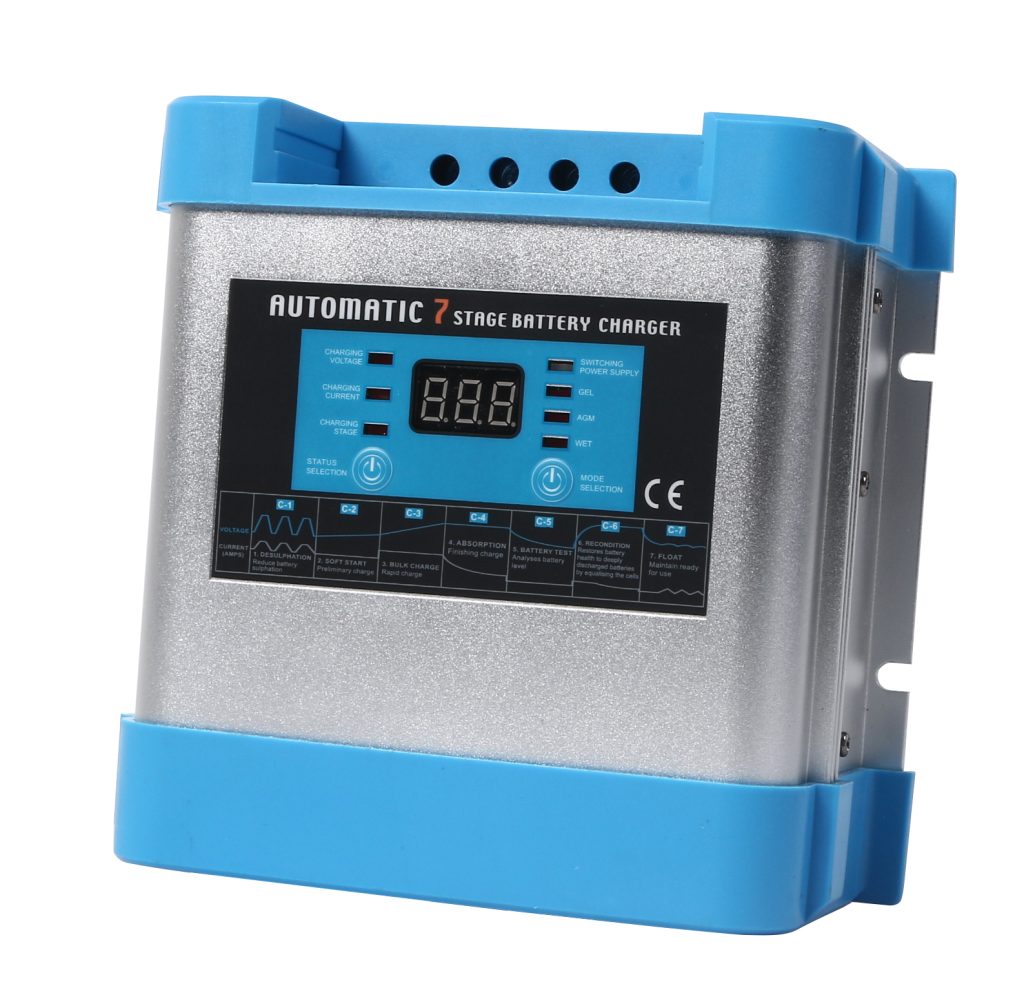
Why Is a Battery Charger Essential for Outdoor Activities?
When operating in outdoor environments, power availability is often limited, and unexpected energy shortages can disrupt your workflow or mission. A dependable battery charger acts as a lifeline, ensuring that essential devices such as portable lighting, GPS units, communication radios, or monitoring systems remain operational.
Continuous Power Supply – Outdoor tasks often extend for hours or even days. Having a charger on hand means you can keep batteries topped up, preventing downtime and avoiding costly interruptions.
Versatility Across Devices – Modern chargers can support multiple battery chemistries—such as lead-acid, lithium-ion, or NiMH—allowing a single device to serve various pieces of equipment in your kit.
Enhanced Safety – Quality chargers feature built-in protection against overcharging, overheating, and short circuits, which is especially important when operating in remote locations without easy access to technical support.
Supporting Critical Operations
In many field-based activities—such as rescue missions, environmental monitoring, or outdoor construction—equipment failure due to a drained battery can have serious consequences. A battery charger ensures that devices like drones, weather sensors, or safety beacons are always operational, enabling timely data collection and communication. This capability is not only convenient but often mission-critical.
Reducing Operational Costs
Consistently recharging and maintaining batteries helps extend their lifespan, reducing the need for frequent replacements. Over time, this can significantly cut costs, especially for teams managing multiple high-value devices. In industries where gear is heavily used outdoors, the savings in both money and resources can be substantial.
Preparedness in Unpredictable Conditions
Outdoor work often involves variables you cannot control—weather shifts, terrain challenges, or unforeseen delays. Having a reliable charger in your kit gives you the flexibility to adapt without compromising performance. Whether you’re setting up temporary lighting for an evening task or keeping communication lines open during extended fieldwork, the assurance of available power can make all the difference.
A battery charger is therefore not just a convenience in outdoor environments—it is a strategic tool that supports safety, efficiency, and cost-effectiveness, ensuring you can meet operational demands without power-related setbacks.
How Can You Select the Right Battery Charger for Different Outdoor Equipment?
Choosing the right battery charger for outdoor applications requires understanding both your equipment's power needs and the environmental conditions you will face. A mismatched charger can lead to slow charging, reduced battery life, or even equipment failure.
Match Charger Output to Device Requirements – Check voltage and amperage ratings to ensure compatibility. For instance, high-drain tools may require a fast charger with a higher output, while sensitive electronics may benefit from a charger with more precise voltage control.
Consider Multi-Output Options – For outdoor teams using a variety of devices, a charger with multiple output ports or adaptable connectors can streamline operations by charging different devices simultaneously.

Evaluate Portability and Weight – In field scenarios where mobility is key, a lightweight, compact charger reduces carrying load without sacrificing performance. Foldable cables and integrated carrying handles can also enhance convenience.
Environmental Resistance Matters
If your work takes you into areas with dust, moisture, or extreme temperatures, a charger with rugged housing, sealed ports, and corrosion-resistant components is a wise investment. Outdoor-rated chargers are often designed to handle vibration and impact, ensuring they survive transportation and harsh handling.
Energy Source Flexibility
Some advanced models can work with both AC mains and DC inputs, such as from a vehicle or portable generator, and even integrate solar charging capability. This flexibility allows you to adapt to changing power availability in the field without compromising operational continuity.
What Features Ensure Reliable Battery Charging in Outdoor Environments?
Outdoor operations can expose charging equipment to unpredictable and often challenging conditions. A reliable battery charger should not only deliver consistent performance but also protect both itself and the batteries it serves.
Intelligent Charging Technology – Smart chargers automatically adjust the charging current and voltage based on the battery's state of charge, reducing the risk of overcharging or undercharging. This extends battery lifespan and ensures maximum energy efficiency.
Temperature Compensation – In extreme hot or cold environments, temperature compensation helps maintain optimal charging performance by adjusting output according to ambient conditions. This is particularly useful for outdoor use in deserts, mountains, or winter settings.
Built-In Protection Systems – Over-voltage, reverse polarity, short-circuit, and thermal protection features safeguard both the charger and the battery from damage.
Durability and Build Quality
A charger intended for outdoor use should feature ruggedized construction. Shock-resistant casings, waterproof ratings (such as IP65 or higher), and corrosion-resistant materials help maintain performance even after exposure to rain, dust, or accidental drops.
Clear Status Indicators
LED or LCD indicators displaying charging status, battery health, and error warnings are vital in outdoor environments where troubleshooting needs to be quick and straightforward. This allows operators to respond promptly to issues without technical delays.
With the right combination of technology and durability, a battery charger can become a reliable partner in the field, ensuring consistent power supply even under unpredictable outdoor conditions.
How Does a Portable Battery Charger Improve Efficiency in Outdoor Operations?
In outdoor work environments, efficiency is more than just a matter of speed—it's about reducing downtime, streamlining logistics, and ensuring that all essential devices remain functional. A well-designed portable battery charger directly supports these goals.

Rapid Charging Capabilities – Fast-charging technology minimizes waiting time, allowing teams to rotate devices in and out of service quickly. This is especially important when dealing with tools or equipment that must operate continuously.
Simultaneous Charging for Multiple Devices – Many modern chargers offer multi-port outputs, enabling several devices to be charged at once. This reduces the need for extra equipment and power outlets, saving both space and time.
Reduced Dependence on Fixed Infrastructure – Portable chargers, especially those with vehicle or solar compatibility, allow operations to continue even far from traditional power grids.
Mobility and Ease of Deployment
Lightweight, compact designs make it easy to transport chargers between worksites. Integrated handles, detachable cables, and protective cases enhance portability while protecting against damage during transit.
Support for Mission-Critical Equipment
In outdoor operations—whether for environmental monitoring, surveying, security, or rescue—a dead battery can halt an entire process. A portable charger keeps these devices operational, ensuring that productivity and safety are never compromised.
By integrating portability with intelligent charging features, businesses can improve operational flexibility and maintain steady performance in even the most remote or demanding outdoor environments.
What Maintenance Practices Keep Your Battery Charger in Peak Condition Outdoors?
Even the most advanced battery charger can lose efficiency or fail prematurely if it is not properly maintained, especially in demanding outdoor conditions. Consistent upkeep ensures your charger remains reliable, safe, and ready for use whenever you need it.
Regular Cleaning and Inspection – Dust, dirt, and moisture can accumulate on charging ports and ventilation openings. Wiping the charger with a dry or slightly damp cloth and checking for loose connections helps prevent performance issues.
Cable and Connector Care – Outdoor use often means more bending, coiling, and pulling of cables. Inspect cords for fraying, cracks, or exposed wires, and replace damaged cables immediately to avoid electrical hazards.
Storage in Controlled Conditions – When not in use, store the charger in a dry, temperature-stable environment. Prolonged exposure to extreme heat, cold, or humidity can weaken internal components over time.
Periodic Functional Testing
Before heading to the field, test the charger with a known good battery to ensure it delivers the expected output. This proactive step can help identify problems before they affect operations.
Firmware and Feature Updates
For smart chargers with digital controls, check if the manufacturer provides firmware updates. These can improve charging algorithms, enhance safety features, and extend compatibility with newer battery technologies.
By following these maintenance practices, you can extend the lifespan of your charger, maintain optimal charging performance, and ensure that your outdoor equipment stays powered whenever and wherever it's needed.
Conclusion
A dependable battery charger is more than just an accessory in outdoor operations—it's the foundation of uninterrupted productivity, safety, and efficiency. From powering essential communication tools and lighting to supporting high-drain equipment in remote locations, the right charger ensures that your workflow continues without unnecessary interruptions.
By selecting a charger tailored to your specific devices, environmental conditions, and mobility needs, you can maximize performance while extending battery life. Features like intelligent charging control, rugged construction, and flexible power input options make all the difference when working in challenging outdoor settings.
Regular maintenance and proper storage further enhance reliability, allowing your charger to perform consistently over the long term. In the field, this translates into fewer delays, greater operational readiness, and improved overall efficiency.
Whether you're managing critical field operations, conducting surveys in remote terrain, or maintaining equipment in variable weather conditions, investing in the right battery charger ensures you stay powered, prepared, and ahead of challenges—anywhere your work takes you.


.jpg)

.jpg)
.jpg)
.jpg)
.jpg)
.jpg)