
Why Is a Battery Charger Essential for Modern Automotive Electrical Systems?
Introduction
Automotive electrical systems have become increasingly sophisticated, supporting everything from engine management and safety electronics to comfort features and communication modules. As these systems continue to draw power even when the vehicle is not running, maintaining a healthy and fully charged battery is essential. A reliable battery charger plays a central role in ensuring that the vehicle's electrical demands are met consistently, especially in situations where driving patterns or environmental conditions place added stress on the battery.
In many vehicles, short trips, long periods of parking, or frequent accessory use can gradually deplete battery capacity. Without proper charging support, this can lead to weak starts, system malfunctions, or unexpected battery failures. A dependable automotive battery charger stabilizes battery health by providing controlled charging, supporting recovery from low-voltage states, and improving overall energy availability for the vehicle's core electrical functions.
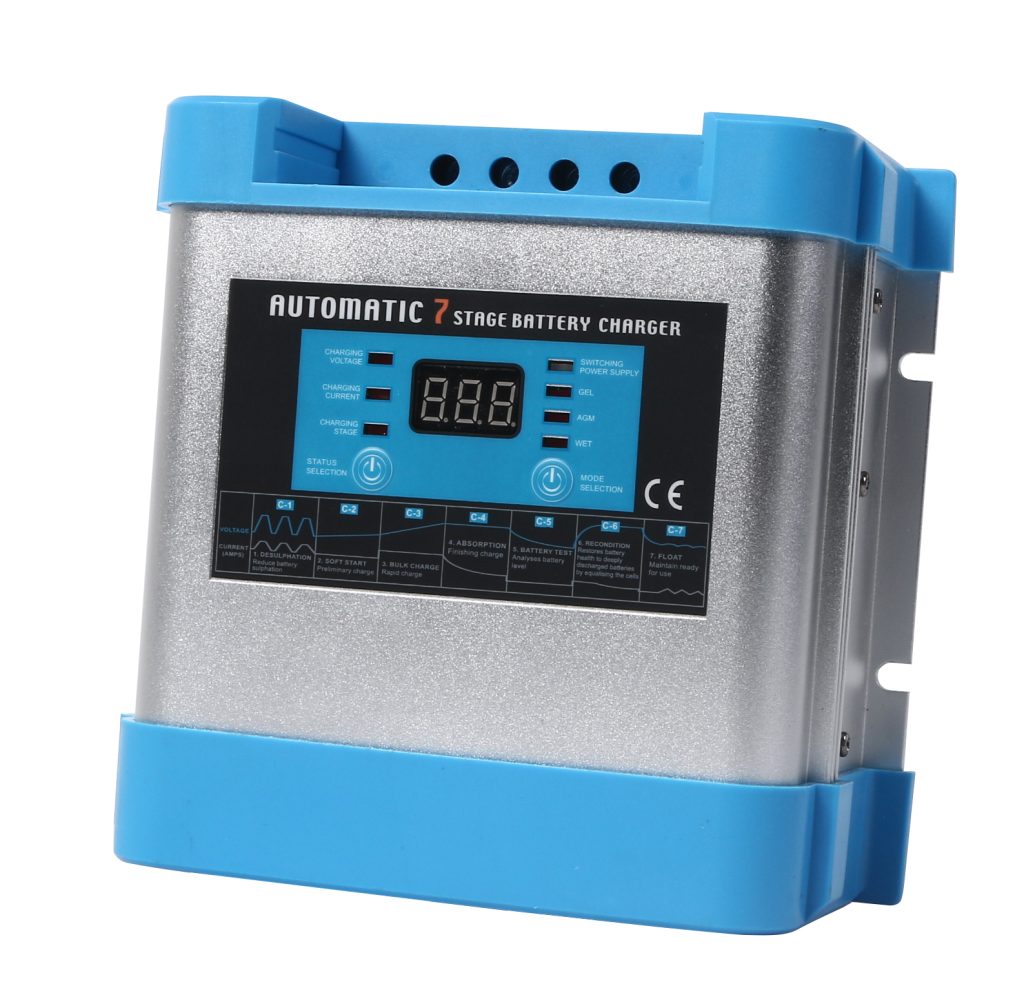
As vehicles transition toward higher electrical loads—including modern infotainment systems, auxiliary equipment, and advanced driver assistance technologies—the importance of effective battery maintenance becomes even greater. A well-designed battery charger ensures smoother daily operation, protects the battery from premature wear, and enhances the overall reliability of the automotive electrical infrastructure.
Why Is a Battery Charger Essential for Modern Automotive Electrical Systems?
A battery charger plays a crucial role in supporting today's advanced automotive electrical networks. With vehicles relying more heavily on electronics for ignition, safety functions, and onboard computing, maintaining proper battery voltage is essential for stable operation. A dedicated charger provides controlled and consistent energy replenishment, ensuring that the battery remains ready to supply power whenever needed.
Supporting Increasing Electrical Loads
Modern vehicles incorporate numerous electronic modules—ECUs, sensors, lighting systems, HVAC controls, and infotainment units. These components continuously draw current, even when the engine is off. A battery charger compensates for these parasitic loads by restoring lost energy and preventing slow voltage decline.
Preventing Battery Discharge During Infrequent Use
For vehicles that sit parked for extended periods, such as seasonal-use cars, fleet units, or backup vehicles, natural discharge can cause significant battery deterioration. A charger helps maintain optimal charge levels, avoiding deep discharge cycles that shorten service life.
Enhancing Stability for Start-Stop and Hybrid Systems
Vehicles equipped with start-stop or auxiliary power functions place additional demand on the battery. A charger supports these systems by ensuring dependable voltage availability, reducing strain during repeated engine cycles and providing smoother electrical transitions.
Reducing Risk of Unexpected Failures
Sudden battery failure can lead to starting issues or disrupted onboard electronics. A charger reduces this risk by maintaining consistent battery performance, minimizing voltage drops that may cause malfunction warnings or ECU resets.
A reliable automotive battery charger ensures that the vehicle's electrical system remains functional, stable, and prepared for both daily driving and demanding operational conditions.

How Does a Battery Charger Improve Vehicle Reliability and Daily Operation?
A dependable battery charger directly influences how smoothly a vehicle performs during daily use. As electrical demands increase across modern automotive platforms, maintaining a stable and fully charged battery becomes essential for ensuring consistent performance, safe operation, and reduced maintenance needs. By restoring and stabilizing battery voltage, the charger supports both routine driving and specialized automotive applications.
Ensuring Strong and Consistent Engine Starts
A well-charged battery provides the high current required for reliable engine cranking. When the battery voltage is insufficient, the starter motor may struggle, leading to slow or failed starts. A battery charger maintains optimal charge levels so vehicles start smoothly, even after long periods of inactivity or cold weather.
Improving Performance in Low-Temperature Conditions
Cold environments significantly reduce a battery's available capacity. In winter or in regions with consistently low temperatures, a charger keeps the battery fully replenished, reducing the risk of sluggish starts and supporting stable power delivery during peak electrical loads.
Supporting Vehicles with High Electrical Usage
Cars equipped with aftermarket accessories—such as upgraded audio systems, work lights, communication radios, and navigation devices—draw more energy than standard configurations. A battery charger offsets this increased consumption by restoring lost power and helping prevent premature battery wear.
Reducing Maintenance Frequency and Battery Replacement Costs
Undercharging or repeated partial charging accelerates battery sulfation, one of the leading causes of early failure. A battery charger helps prevent this by maintaining proper charging cycles, slowing aging, and reducing the need for frequent battery replacements. This contributes to lower long-term maintenance expenses.
Providing Extra Support for Urban and Short-Trip Driving
Short drives often fail to recharge the battery fully, as alternators cannot deliver sufficient energy in limited travel time. A charger compensates for this usage pattern by restoring full charge levels, ensuring that frequent stop-and-go driving does not result in chronic undercharging.
By stabilizing voltage, improving starting performance, and protecting battery health, a quality automotive battery charger significantly enhances overall vehicle reliability and everyday operability.
What Charging Technologies Make Automotive Battery Chargers More Efficient?
Modern automotive battery chargers have evolved far beyond simple voltage boosters. Today's chargers incorporate intelligent control systems, adaptive charging curves, and protective functions that optimize energy delivery while preserving the long-term health of the vehicle's battery. These technologies ensure that charging is not only faster and safer but also more effective for different battery types and usage conditions.
Multi-Stage Charging for Better Battery Health
Advanced chargers commonly use a multi-stage charging process—such as bulk, absorption, and float stages.
Bulk stage rapidly restores lost capacity.
Absorption stage ensures the battery reaches a full charge without overheating.
Float stage maintains charge at a safe, stable voltage.
This structured approach prevents overcharging and reduces chemical stress inside the battery.
Smart Microprocessor Control
Intelligent chargers continuously monitor battery voltage, temperature, and internal resistance. By adjusting current output in real time, the charger tailors its performance to the battery's condition. This results in faster recovery, reduced energy waste, and improved safety for both the battery and the vehicle's electrical system.
Pulse and Desulfation Technology
Over time, batteries develop sulfation, which reduces capacity and weakens charging efficiency. Pulse repair technology delivers controlled electronic pulses that help break down these deposits. While not a substitute for full battery restoration, this feature can extend battery life and improve performance in aging or partially discharged batteries.
Compatibility with Multiple Battery Types
Vehicles today may use different types of batteries—AGM, GEL, flooded lead-acid, or enhanced lead-acid varieties. Efficient chargers allow users to select the battery type, enabling the device to deliver the correct charge profile. This ensures optimal charging and minimizes damage caused by incorrect voltage levels.
Temperature Compensation for Accurate Charging
Battery performance varies significantly with temperature. Chargers equipped with thermal sensors automatically adjust voltage to prevent undercharging in cold conditions or overcharging in high temperatures. This improves safety, efficiency, and long-term durability.
Automatic Safety Protection Functions
Efficiency is closely tied to safe operation. Modern chargers include:
Over-current and over-voltage protection
Reverse polarity safety
Spark-proof connection design
Over-temperature shutdown
These features ensure consistent charging performance while protecting both users and the vehicle's electrical system.
Through intelligent algorithms, battery-specific modes, and advanced protection systems, modern automotive battery chargers deliver more efficient, safe, and precise charging than ever before.
How Do Environmental and Usage Conditions Affect Automotive Charging Needs?
Automotive charging requirements vary widely depending on how and where a vehicle is used. Environmental factors, driving habits, and storage conditions directly influence battery performance and determine how frequently a charger should be used. Understanding these conditions helps ensure consistent electrical stability and prevents unexpected failures.
Impact of Extreme Temperatures on Battery Performance
Both cold and hot climates affect a battery's ability to hold and deliver energy.
Cold weather reduces chemical activity inside the battery, limiting available power and increasing the need for supplemental charging.
Hot weather accelerates evaporation and internal corrosion, requiring regular maintenance charging to preserve battery capacity.
A charger helps stabilize voltage under these extremes, ensuring reliable operation year-round.
Short-Distance or Stop-and-Go Driving Patterns
Vehicles used primarily for short trips often fail to recharge the battery fully because the alternator does not run long enough to restore consumed energy. Over time, this leads to gradual undercharging. Using a charger compensates for this pattern and prevents the battery from entering a chronically low state.
Long-Term Vehicle Storage or Infrequent Use
Cars left unused for weeks or months—such as seasonal vehicles, work fleets, or emergency units—experience natural self-discharge and parasitic drain from onboard electronics. A battery charger with maintenance or float mode keeps the battery healthy during storage and ensures it is ready when the vehicle needs to return to service.
High Electrical Accessory Load
Vehicles equipped with additional lighting, communications gear, refrigeration units, or custom electronic systems demand more from the electrical network. A battery charger supports these increased loads by replenishing energy faster and preventing excessive strain on the battery.
Battery Aging and Reduced Capacity Over Time
As a battery ages, internal resistance increases, and its ability to maintain charge declines. Older batteries require more frequent and controlled charging to remain operational. Chargers with diagnostic or recovery modes help mitigate the effects of aging by providing precise, adaptive charge cycles.
Dust, Moisture, and Outdoor Operating Environments
Vehicles exposed to humidity, dirt, or corrosive environments—such as construction sites or coastal areas—may experience greater battery degradation. A battery charger ensures that the battery remains in optimal condition despite environmental stress.
By considering these environmental and usage factors, automotive owners and operators can maintain more stable battery performance and reduce the likelihood of unexpected electrical issues. A reliable charger helps the vehicle adapt to a wide range of real-world conditions.

What Should You Consider When Choosing a Battery Charger for Your Vehicle?
Selecting the right battery charger is essential for ensuring safe, efficient, and long-term battery performance in automotive applications. Different vehicles, environments, and electrical setups require different charging characteristics, so choosing the right unit involves evaluating several key technical and practical factors. A well-matched battery charger not only maintains battery health but also enhances overall vehicle reliability.
Match the Charger to the Battery Type
Automotive batteries come in several formats—AGM, GEL, EFB, and traditional flooded lead-acid. Each type requires specific charging voltages and curves. A high-quality charger allows users to select the appropriate mode to ensure accurate and safe charging. Incorrect charging profiles can reduce battery lifespan or cause overheating.
Evaluate Charging Current and Power Output
The charger's amperage determines how fast it can restore battery capacity.
Lower amperage (2–6A) is suitable for maintenance charging or small passenger vehicles.
Medium amperage (8–15A) fits most standard automotive batteries.
Higher amperage (20A or above) is ideal for large vehicles or faster turnaround needs.
Selecting the right output prevents slow charging times or unnecessary stress on the battery.
Look for Intelligent Diagnostic and Protection Functions
Modern chargers offer features that improve both safety and usability:
Reverse polarity protection
Overcharge and over-temperature shutdown
Spark-proof and short-circuit prevention
Automatic float mode for long-term maintenance
These features safeguard both the vehicle and the charging device during operation.
Consider Environmental Resistance and Durability
For vehicles frequently parked outdoors or used in harsh conditions, a charger with robust housing, moisture resistance, and stable heat dissipation is essential. Durable construction ensures reliable performance in garages, workshops, and variable climates.
Check Compatibility with Onboard Electronics and Accessory Loads
Some vehicles include complex electrical systems such as start-stop modules, auxiliary power units, or high-demand aftermarket accessories. Choosing a charger with stable voltage regulation and microprocessor-controlled output ensures compatibility with these sensitive electronics.
Portability and Convenience Features
For workshop use, roadside service, or travel, compact chargers with clear displays, detachable cables, and intelligent indicators offer enhanced convenience. Smart interfaces allow users to monitor charging stages, voltage trends, and battery condition in real time.
Safety Certifications and Quality Standards
Selecting chargers that comply with recognized electrical and safety standards ensures long-term reliability and reduces the risk of malfunction. Certifications also indicate that the charger has passed rigorous quality testing under different operating conditions.
By considering these factors—battery type, charging power, smart protection, durability, compatibility, and user convenience—automotive users can select a charger that delivers dependable performance and supports consistent battery health.
Conclusion
A reliable automotive battery charger is essential for maintaining strong starting performance, meeting rising electrical demands, and ensuring stable vehicle operation under varying environmental and usage conditions. With advanced charging technologies, intelligent protection features, and support for multiple battery types, modern chargers play a critical role in preserving battery lifespan and enhancing daily driving reliability.
High-quality solutions—such as those offered by CARSPA—provide dependable, efficient, and safe charging support for a wide range of automotive applications.


