Why 1000W Inverters Matter for Efficient and Safe Solar Power Supply
Introduction
A 1000W inverter serves as a core power-conversion component in many modern solar power systems, bridging the gap between DC energy stored or generated by solar panels and the AC electricity required by common equipment. As solar applications expand into residential cabins, portable field stations, small commercial units, and backup supply systems, the 1kW power segment has become a practical balance between efficiency, flexibility, and cost-effectiveness. It offers enough capacity to energize essential loads while maintaining a compact size suitable for decentralized or mobile installations.
In solar setups where energy demand fluctuates and environmental conditions are constantly changing, a dependable inverter ensures that every watt generated by the system is utilized efficiently. It manages voltage conversion, stabilizes output, and protects connected equipment from electrical irregularities. A well-designed 1000W inverter also supports smoother integration with charge controllers, battery banks, and auxiliary components, thus improving the overall performance of the solar power network.
From startup reliability to the long-term resilience required in continuous or intermittent power scenarios, the 1000W inverter defines how effectively a solar system can operate in real-world conditions. Its presence shapes the stability of daily operations, influences overall energy yield, and determines the suitability of the system for various off-grid and hybrid configurations.
What Role Does a 1000W Inverter Play in a Solar Power System?
A 1000W inverter is responsible for converting the DC electricity generated by solar panels or stored in batteries into usable AC power. This function is fundamental to any solar setup, as most appliances, tools, and electronic equipment require AC input to operate safely and efficiently. In this power range, the inverter balances capacity with portability, making it suitable for systems that require stable performance without the bulk of high-power industrial units.

DC to AC Conversion for Everyday Loads
A 1000W inverter supplies enough continuous power to support essential devices such as lighting, communication equipment, small pumps, and compact appliances. This level of output enables stable operation in off-grid or hybrid environments, ensuring uninterrupted power for critical tasks.
Supporting Hybrid and Backup Configurations
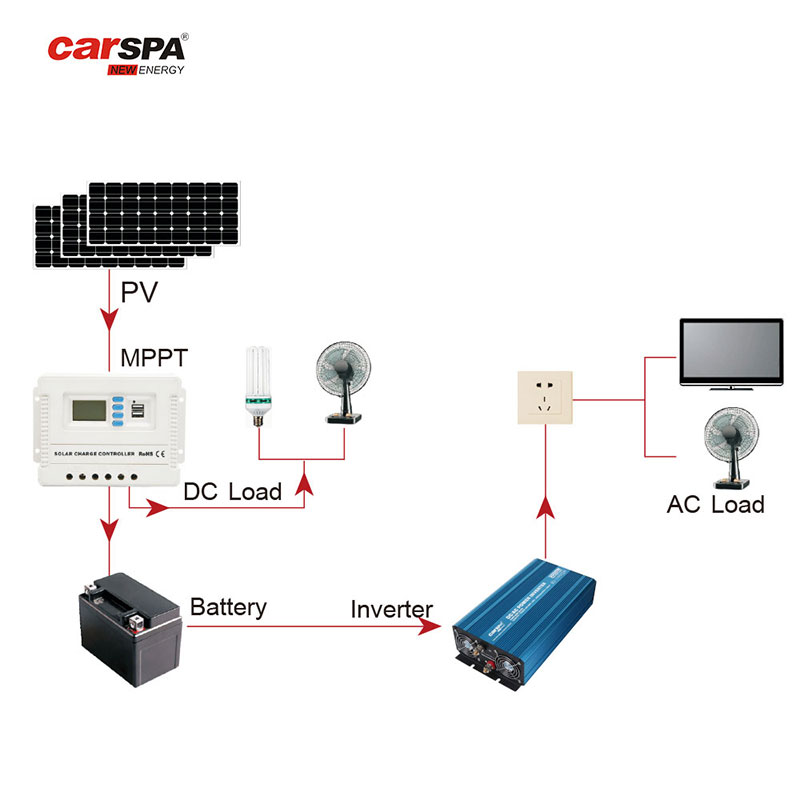
In hybrid solar systems, the 1000W inverter works alongside batteries and controllers to manage energy distribution. It ensures that when solar input drops—during cloudy conditions or nighttime—stored battery power can still be delivered as consistent AC output.
Maintaining Safe Electrical Performance
Voltage regulation, overload protection, and waveform consistency are central to the inverter’s role. High-quality units maintain clean output to prevent damage to sensitive devices and reduce the risk of electrical faults within the system.
Enabling Modular and Scalable Applications
This power class is widely used in modular solar installations, allowing users to expand their system using multiple 1000W units if needed. This scalability enhances adaptability in both temporary and permanent solar setups.
A well-integrated 1000W inverter ensures that the solar power system performs reliably under varying load conditions, making it a key component for consistent and efficient energy delivery.
How Does a 1000W Inverter Ensure Stable and Efficient Power Conversion?
A 1000W inverter plays a decisive role in determining how smoothly and efficiently a solar system delivers usable AC power. Modern inverter technology focuses on converting DC energy with minimum loss while maintaining clean, consistent output that matches the requirements of both resistive and sensitive electronic loads. Stability and efficiency depend on several underlying design factors, which together ensure reliable long-term system performance.
High Conversion Efficiency Reduces Energy Waste
Well-engineered 1000W inverters often achieve conversion efficiencies above 90%, which means more solar energy is effectively used instead of being lost as heat. This is especially important in systems where solar generation is limited by weather or panel capacity. High efficiency ensures better daily energy yield and contributes to more predictable system performance.
Pure Sine Wave Output for Sensitive Devices
Many applications require a clean AC waveform—especially communication equipment, instrumentation, and electronic-controlled appliances. Pure sine wave inverters in the 1000W category provide a smooth, grid-like output that prevents overheating, noise, or performance issues in connected devices. This output quality also reduces long-term wear on equipment.
Built-In Protection Enhances Operational Stability
A stable inverter must manage more than just power conversion. Protection features such as overload shutdown, over-temperature control, short-circuit protection, and low-voltage alarms help the unit maintain safe operation in diverse environments. These safeguards allow the inverter to handle unexpected load variations without compromising the entire solar setup.
Advanced Cooling Mechanisms Prevent Overheating
Because conversion generates heat, cooling design is essential. A 1000W inverter typically uses intelligent fan control, aluminum heat sinks, or optimized airflow channels to maintain stable internal temperatures. Effective cooling improves lifespan, reduces energy loss, and mitigates performance degradation during extended operation.
Compatibility with Solar Batteries and Controllers
Stable operation also relies on smooth interaction with charge controllers and battery systems. A well-designed 1000W inverter ensures synchronized voltage regulation and avoids abrupt fluctuations, which helps maintain battery health and ensures the solar system functions as a unified, efficient power network.
By combining efficient conversion, waveform quality, protective design, and thermal stability, a 1000W inverter ensures dependable AC output across a wide range of solar applications.
Why Is the 1000W Capacity Ideal for Mid-Scale Solar Applications?
The 1000W power segment has become one of the most widely adopted inverter capacities because it strikes an effective balance between performance, cost, and flexibility. It is powerful enough to support essential loads, yet compact enough to integrate easily into mid-scale and mobile solar systems. This versatility makes 1000W inverters suitable for a broad range of applications where consistent AC power is required without the complexity or expense of larger units.
Suitable Power for Essential Daily Loads
A 1000W inverter can reliably operate common devices such as lights, small pumps, portable tools, communication equipment, fans, and compact appliances. These load categories represent the typical power needs of mid-scale solar sites, including remote workstations, off-grid shelters, field operations, and small commercial spaces.
Balanced Size and Installation Flexibility
Compared with higher-capacity inverters, a 1000W model offers a more compact structure, lightweight design, and simpler installation requirements. It can be mounted in limited spaces such as cabins, mobile units, wall enclosures, or portable solar boxes. This makes it especially suitable for projects where mobility or spatial efficiency is essential.
Optimized for Battery-Based Systems
In setups using deep-cycle batteries or lithium storage, a 1000W inverter provides a practical match for common 12V/24V battery banks. This alignment minimizes stress on the battery system, supports stable discharge cycles, and maintains efficient energy use throughout the day.
Cost-Effective for Scalable Power Growth
Mid-scale solar projects often grow over time. A 1000W inverter allows users to begin with a manageable power capacity and gradually scale by adding panels, increasing storage, or integrating additional inverters. This staged approach helps reduce upfront costs while preserving future expansion possibilities.
Reliable Performance Under Varied Conditions
Mid-scale solar systems frequently experience fluctuating loads and unpredictable sunlight conditions. A well-designed 1000W inverter keeps output stable regardless of these variables, ensuring dependable AC power for mission-critical tasks and routine daily operation.
For many solar installations, the 1000W capacity represents the ideal intersection of practicality, affordability, and robust functionality—meeting the demands of diverse real-world scenarios without the need for oversized equipment.
What Factors Determine the Reliability and Lifespan of a 1000W Solar Inverter?
The performance and long-term reliability of a 1000W solar inverter depend on several engineering and environmental factors. A well-built inverter not only ensures stable power output but also reduces the likelihood of failures, downtime, or costly replacements. Understanding these factors helps ensure that the inverter remains dependable throughout years of operation in diverse solar environments.
High-Quality Internal Components
Reliable 1000W inverters use robust components such as MOSFETs/IGBTs, industrial-grade capacitors, and thick copper traces to handle continuous conversion stress. Quality materials reduce heat buildup, withstand surge currents, and maintain output stability even at higher loads.
Thermal Management and Cooling Design
Heat is one of the most common causes of inverter degradation. Effective cooling—whether through optimized heat sinks, temperature-controlled fans, or improved ventilation paths—helps maintain safe operating conditions. Consistent temperature control prevents thermal fatigue, which directly affects lifespan.
Comprehensive Electrical Protection
Built-in safety features extend service life by preventing damage during abnormal conditions. Essential protections include:
Overload and short-circuit shutoff
Over-temperature protection
Low-voltage and over-voltage alarms
Reverse polarity safeguards
These features help the inverter respond intelligently to unexpected events, reducing stress on internal circuitry.
Stable Waveform and Output Consistency
Producing a clean, pure sine wave output reduces strain on connected devices and minimizes the risk of system-wide failures. Stable waveform performance prevents overheating in sensitive electronics and keeps the inverter operating efficiently under varying loads.
Environmental Resistance and Housing Durability
Inverters installed in off-grid cabins, remote stations, or mobile setups may face dust, humidity, and temperature fluctuations. A solid enclosure with proper sealing reduces the impact of environmental factors, preventing corrosion or moisture-related damage.
Proper System Integration
The inverter’s longevity also depends on its compatibility with charge controllers, batteries, and wiring systems. Proper voltage matching and correct cable sizing minimize electrical losses and reduce operational stress, contributing to long-term reliability.
When these technical and environmental factors are well-managed, a 1000W solar inverter can deliver consistent, safe, and durable performance throughout its operational life.
How to Choose the Right 1000W Inverter for Your Solar Installation?
Selecting the correct 1000W inverter is essential for achieving optimal system performance, long-term durability, and safe power delivery. Since solar installations vary in design, load type, and environmental conditions, choosing the right unit involves understanding several practical considerations. Evaluating these factors ensures that the inverter integrates smoothly into the overall system and supports stable power output under real-world operating demands.
Match the Inverter to Your Load Requirements
Different applications require different types of loads—resistive, inductive, or electronic. Ensuring that the inverter can handle peak surge loads, such as pumps or motor-driven devices, is crucial. A well-matched inverter prevents overload conditions, reduces startup stress, and supports seamless operation of all connected equipment.
Choose the Appropriate Output Waveform
For systems that power sensitive electronics, a pure sine wave inverter is often the best choice. It delivers smooth, grid-like AC output that avoids interference, noise, or overheating issues. Modified sine wave units may be suitable for basic loads, but pure sine wave models provide higher compatibility and reliability.
Evaluate Efficiency and Conversion Performance
Higher efficiency results in less energy waste and better overall system utilization. When selecting a 1000W power inverter, consider models with efficiency ratings above 90% and stable performance across different load conditions. Efficient inverters extend battery life and improve total solar yield.
Check Protection Features and Safety Components
A dependable inverter should include multiple protective mechanisms such as:
Overload shutoff
Short-circuit protection
Temperature-controlled cooling
Low-and high-voltage alarms
These features enhance safety, reduce maintenance needs, and help the inverter withstand unpredictable environmental and electrical changes.
Assess Durability and Environmental Suitability
Consider the inverter’s enclosure strength, cooling system, and resistance to dust or moisture—especially for outdoor or mobile installations. A rugged design ensures the inverter can withstand harsh conditions without compromising performance.
Ensure Compatibility with Solar Batteries and Controllers
Proper voltage matching with battery banks (e.g., 12V or 24V systems) and smooth integration with MPPT or PWM controllers is essential for operating stability. Compatible systems prevent voltage fluctuations and support long-term battery health.
By evaluating these key criteria, users can choose a 1000W inverter that fits seamlessly into their solar installation, delivering efficient, safe, and dependable power over long-term operation.
Conclusion
A 1000W inverter plays a central role in ensuring stable AC output, maintaining system efficiency, and supporting a wide range of everyday and mission-critical loads in solar power installations. Its balanced capacity, reliability, and integration flexibility make it a strong choice for mid-scale solar projects, remote operation sites, and hybrid power setups. Selecting the right model—and ensuring proper system compatibility—helps achieve long-lasting performance and efficient energy utilization.
High-quality solutions such as those offered by CARSPA provide dependable performance for modern solar applications.