
What Makes a Battery Charger Ideal for Outdoor Power Demands? 5 Critical Questions Answered
In today's mobile and energy-conscious world, having a reliable battery charger is no longer a luxury—it's a necessity, especially for outdoor applications. Whether you're powering communication tools in remote areas, maintaining surveillance systems, or supporting field equipment during outdoor projects, the ability to recharge batteries on the go ensures continuous performance and operational stability.
Outdoor environments present unique challenges that require more than just a standard power source. Fluctuating weather, dust, moisture, and inconsistent access to electricity all contribute to the need for specialized charging solutions. A well-designed battery charger can bridge the gap between unpredictable conditions and uninterrupted power supply.
This article explores the critical role of battery chargers in outdoor scenarios, focusing on what makes them effective, what features matter most, and how to choose the right solution for real-world demands.
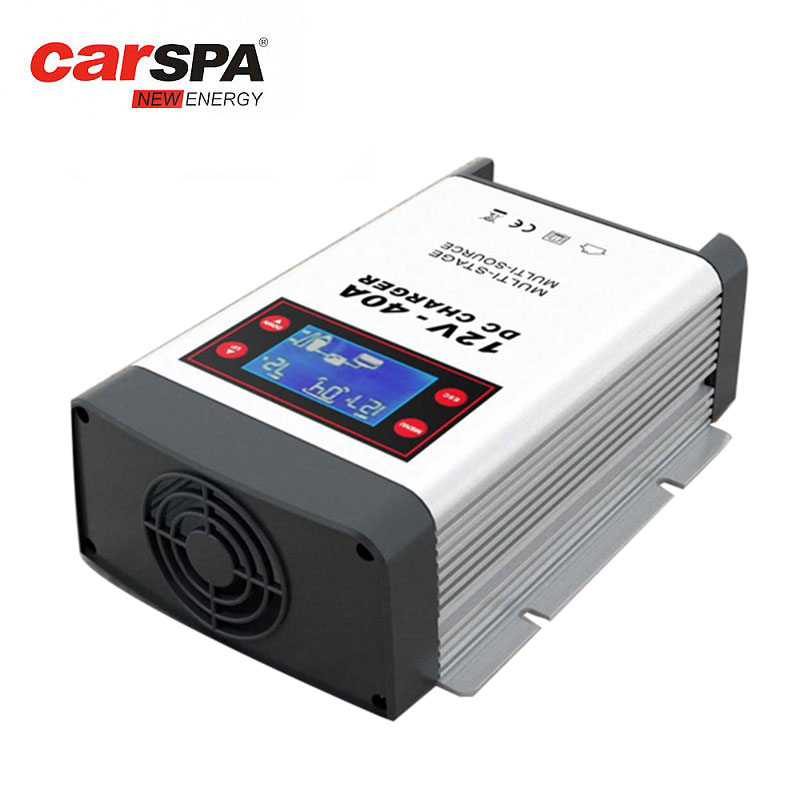
Why Is a Reliable Battery Charger Essential for Outdoor Power Needs?
Uninterrupted Power for Critical Outdoor Equipment
In outdoor operations—whether it's environmental monitoring, remote lighting systems, security installations, or off-grid communication—a sudden power loss can result in downtime, data loss, or even safety risks. A dependable battery charger ensures that power storage systems are always topped up, minimizing operational interruptions and reducing reliance on unpredictable energy sources.
Support for Off-Grid Environments
Many outdoor activities occur far from the power grid. From forest research stations to rural construction sites, access to consistent electricity is often unavailable. Battery chargers enable users to recharge devices using solar panels, vehicle power, or generator output, offering much-needed flexibility in isolated locations.
Increased Equipment Lifespan and Safety
Using improper or unstable charging methods can damage batteries, leading to overheating, reduced capacity, or even failure. A high-quality charger regulates voltage and current based on battery type and condition, extending battery lifespan and ensuring safe charging cycles, even under variable environmental conditions.
Enhanced Operational Readiness
In emergency or mission-critical applications—such as disaster response units or fieldwork kits—being able to rely on fully charged batteries at all times is crucial. Battery chargers with smart management systems and diagnostic features help operators monitor charge levels and plan accordingly, keeping equipment ready whenever and wherever it's needed.
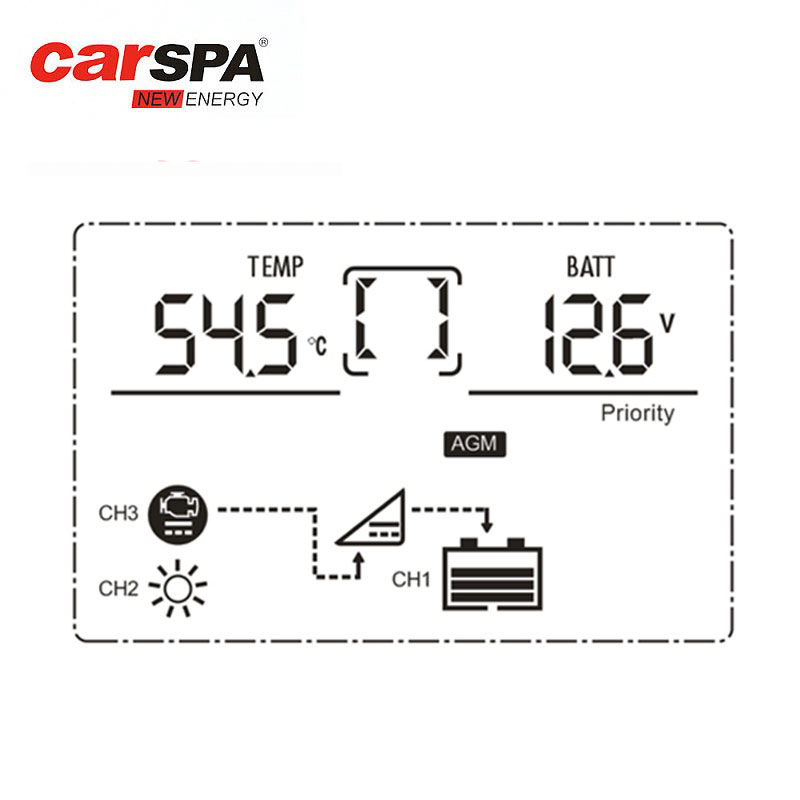
What Features Should You Look for in an Outdoor Battery Charger?
Weather-Resistant and Durable Design
Outdoor conditions can be harsh, so the first thing to look for is a rugged construction. A good outdoor battery charger should be built with weather-resistant housing—ideally with an IP rating of IP65 or above—to protect against rain, dust, and debris. Impact resistance is also critical in mobile or industrial environments where equipment may be handled roughly.
Multi-Voltage and Multi-Battery Compatibility
Versatility is key in the field. A quality battery charger should support multiple voltage ranges (such as 12V, 24V, or 48V systems) and accommodate various battery chemistries including lead-acid, AGM, gel, and lithium-ion. This ensures compatibility with a wide range of outdoor devices and backup systems without the need for multiple chargers.
Smart Charging Technology
Modern outdoor battery chargers should include intelligent charging features such as automatic voltage detection, multi-stage charging (bulk, absorption, float), and thermal compensation. These features help prevent overcharging or undercharging, preserving battery health while optimizing performance in fluctuating temperatures.
Portable and Easy to Deploy
Portability is essential for outdoor use. Look for a charger with a compact form factor, integrated carrying handles, and intuitive interface for fast deployment. Units that offer both AC and DC input options (such as from grid power or solar panels) increase flexibility in the field.
Safety and Protection Mechanisms
Overvoltage protection, short-circuit protection, reverse polarity warning, and overheating safeguards are vital. These safety measures not only protect the charger itself but also ensure that connected batteries and systems remain stable and secure, especially in unattended outdoor installations.
How Do Battery Chargers Handle Varying Outdoor Conditions Like Heat, Dust, and Moisture?
Thermal Management in High-Temperature Environments
Outdoor locations often expose equipment to direct sunlight or ambient temperatures exceeding 40°C. High-quality battery chargers integrate thermal management solutions such as heat sinks, internal fans, or passive cooling designs to prevent overheating. Some models also offer automatic power derating, reducing output when temperatures rise to protect internal components and the connected battery.
Sealed Enclosures Against Dust Intrusion
Dusty conditions—common in construction sites, agricultural fields, and desert areas—can clog ventilation systems and short-circuit sensitive electronics. Outdoor-grade chargers are often built with sealed enclosures (using silicone gaskets or waterproof connectors) that meet IP65 or higher protection ratings. These designs block fine particles from entering the chassis, ensuring continuous, dust-free operation.
Moisture and Humidity Protection
Exposure to rain, humidity, or fog can cause corrosion or internal moisture buildup. To prevent this, many outdoor battery chargers use conformal coating on internal PCBs and sealed terminals that block water ingress. Some models include humidity sensors that adjust performance or alert users when internal moisture levels become unsafe.
Corrosion Resistance for Long-Term Use
Chargers deployed near coastal or industrial areas may face salt spray, acidic vapors, or chemical exposure. Units with stainless steel screws, powder-coated aluminum housings, and corrosion-resistant connectors ensure long-term durability. This makes them ideal for maritime, mining, or infrastructure applications where equipment longevity is a concern.
Reliable Operation Across Altitudes and Climates
Whether installed on a mountain, in a valley, or in a tropical forest, a charger's internal electronics must stay stable. Quality outdoor chargers are often tested for wide altitude ranges and temperature tolerances from -20°C to 60°C. This ensures reliable function regardless of geographic location or seasonal change.

Which Types of Batteries Are Commonly Used Outdoors and How to Charge Them Safely?
Lead-Acid Batteries (Flooded, AGM, Gel)
Lead-acid batteries are widely used in outdoor systems due to their affordability, reliability, and large capacity. Flooded lead-acid batteries require ventilation and periodic maintenance, while AGM and gel types are sealed and maintenance-free, making them more suitable for harsh or remote locations.
Safe Charging Tips:
Use a charger with selectable charging profiles
Maintain proper voltage limits to prevent overcharging
Ensure temperature compensation for accurate voltage control in outdoor climates
Lithium-Ion Batteries (LiFePO4, NMC, etc.)
Lithium batteries are becoming increasingly common in portable outdoor applications such as solar energy storage, mobile power stations, and communication units. Their high energy density and light weight make them ideal for transportable setups.
Safe Charging Tips:
Always use chargers designed specifically for lithium batteries
Look for protection features such as BMS (Battery Management System) compatibility
Avoid charging at extreme low or high temperatures without thermal protection
Nickel-Based Batteries (NiMH, NiCd)
Though less common than lead-acid or lithium types, nickel-based batteries still appear in legacy or industrial equipment. They are durable and tolerant to rough handling but require careful charging to avoid memory effects or overheating.
Safe Charging Tips:
Use a charger with delta-V detection or timed cutoff
Avoid trickle charging for extended periods in high heat
Ensure that the charger provides balanced charging for multiple cells
Battery Bank Considerations for Outdoor Systems
In larger setups—such as remote power stations or solar lighting—batteries are often connected in series or parallel to form banks. Charging these safely requires a charger that supports bank configuration, equalization charging modes, and current-limiting features to protect both batteries and charging equipment.
Monitoring and Maintenance for Safe Operation
Regardless of battery type, outdoor usage demands routine inspection. Choose chargers that offer:
LED or LCD indicators
Fault code alerts
Data logging for maintenance records
These features help users detect issues early and ensure the battery system remains reliable in field conditions.
How Can You Maximize Charging Efficiency During Outdoor Activities?
Match the Charger to the Battery Type and Capacity
One of the most common mistakes in outdoor setups is using mismatched chargers and batteries. Over- or under-sized chargers can lead to inefficient charging cycles or even battery damage. To optimize efficiency:
Choose a charger with the correct voltage and amperage range
Ensure it supports the chemistry of your battery (e.g., LiFePO4, AGM)
Use multi-stage charging profiles where possible (bulk → absorption → float)
Utilize Solar Integration Where Available
In remote or off-grid locations, combining a battery charger with a solar power system is both sustainable and efficient. Solar-compatible chargers often feature MPPT (Maximum Power Point Tracking) controllers that maximize energy harvest from the sun.
Install solar panels at optimal angles to receive full sunlight
Use solar charge controllers with intelligent tracking
Avoid shading and dust accumulation on panels for better output
Monitor Charging Status in Real-Time
Efficiency isn't just about speed—it's also about control. Chargers with real-time voltage/current readouts, SOC (state of charge) indicators, and fault alerts allow users to adjust or respond quickly.
Use chargers with LCD screens or remote monitoring options
Analyze charging data to optimize future cycles
Prevent overcharging by using auto shut-off or float modes
Charge During Optimal Temperature Windows
Outdoor conditions vary widely throughout the day. Charging batteries during the cooler parts of the day (early morning or evening) helps prevent thermal losses, particularly in high-temperature environments.
Avoid charging under direct midday sun unless the charger has thermal protection
Consider shaded or ventilated setups to reduce heat exposure
In cold climates, pre-warming batteries may improve charge absorption
Use Quality Cables and Stable Power Sources
Poor-quality connectors, undersized cables, or unstable input voltages can reduce charger performance and efficiency. For best results:
Use appropriately rated cables for both input and output
Minimize cable length where possible to reduce voltage drop
Use regulated AC/DC power inputs when solar or vehicle power is insufficient
Conclusion
Invest in the Right Charger for Reliable Outdoor Power
Choosing the right battery charger for outdoor applications is more than just finding a rugged box—it's about aligning performance, safety, adaptability, and environmental resilience. From construction sites and rural energy setups to mobile systems and field research units, a dependable charger ensures you always have power when and where it matters most.
For those seeking durable, efficient, and field-ready charging solutions, CARSPA offers a range of high-performance battery chargers designed specifically for outdoor and professional environments.


