
Troubleshooting Common Issues with RV Solar Batteries
*Throughout the article, we will provide practical insights, step-by-step guidance, and useful tips to help you troubleshoot these common problems effectively.
Whether you are a seasoned RV adventurer or new to the world of solar-powered RVs, this comprehensive guide will equip you with the necessary information to diagnose and resolve issues with your RV solar batteries.
So let's dive in and discover how to keep your RV solar power system running smoothly, ensuring uninterrupted enjoyment of your off-grid adventures!
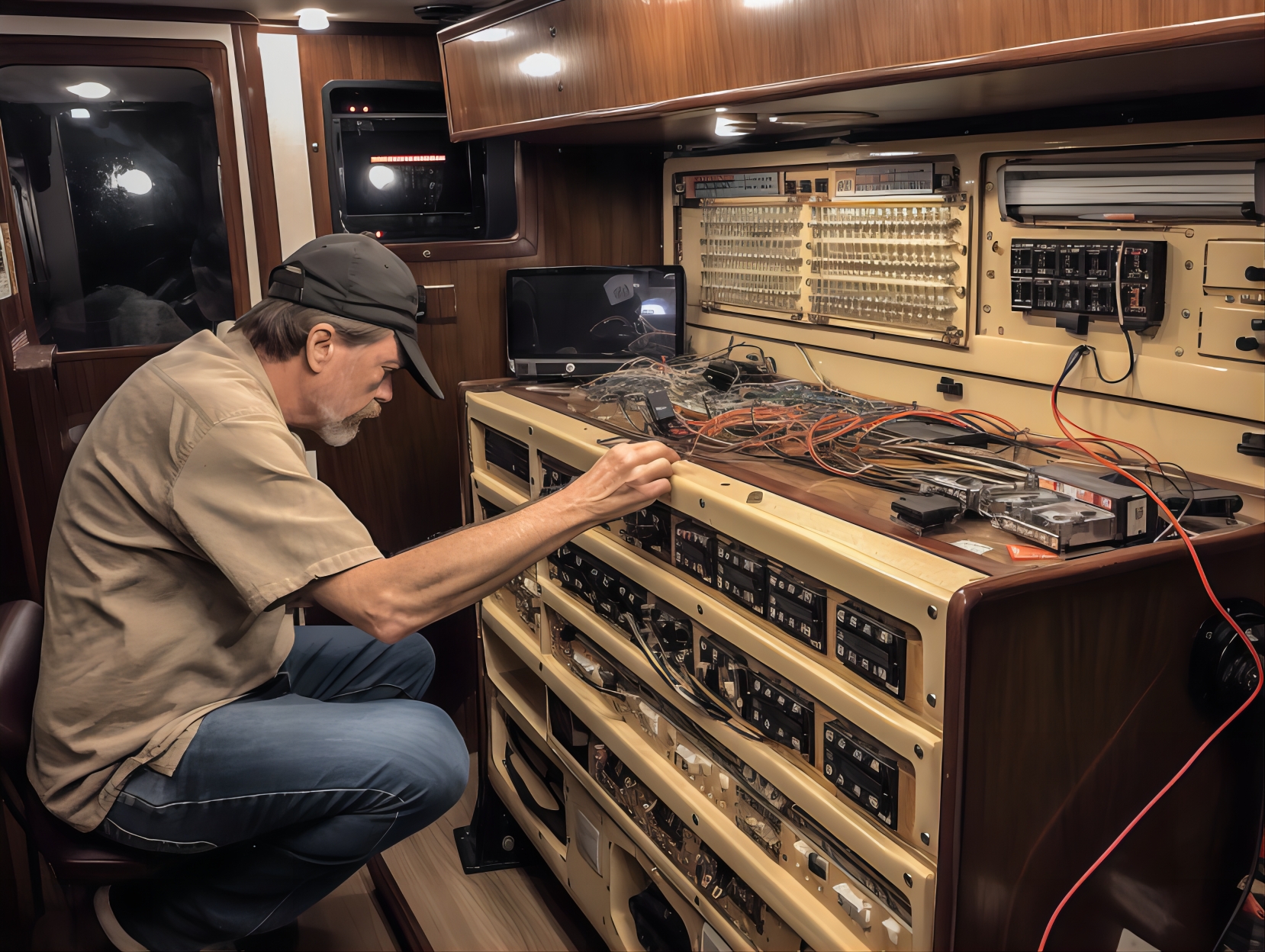
Why my solar battery is not charging?
1. Check the solar battery components and connections
One of the first steps in troubleshooting a battery that's not charging is to examine the solar battery components and connections. Ensure that the solar panels are properly connected to the battery system. Check if there are any signs of damage or loose wiring that could hinder the charging process.
2. Ensure battery terminals are clean and free from corrosion
Inspect the battery terminals and look for any buildup of corrosion or oxidation. If you notice any, clean the terminals using a wire brush or a specialized battery terminal cleaner. Make sure to disconnect the battery before cleaning the terminals.
3. Inspect the charge controller and wiring connections
The charge controller is a critical component that regulates the charging process and protects the battery from overcharging. Check the wiring connections between the charge controller, battery, and solar panels. Look for any loose or damaged wires that might disrupt the charging flow.
4. Examine solar panel performance and sunlight exposure
It's also essential to evaluate the performance of your solar panels and the amount of sunlight they receive. Verify if the solar panels are positioned correctly and are facing the sun at the optimal angle. Inadequate sunlight exposure can result in insufficient charging, so ensure your solar panels are optimized for maximum sunlight absorption.
5. Consider battery age and condition
Over time, batteries may experience a decrease in performance or capacity. If your battery is old or has been in use for an extended period, it's worth considering its age and condition. Aging batteries may not hold a charge as effectively as newer ones. In such cases, you might need to replace the battery to restore optimal charging capabilities.
What to do if solar battery capacity is reduced?
1. Check battery charging status and maintenance
When experiencing decreased battery capacity, it's crucial to examine the battery charging status and maintenance practices. Firstly, ensure that the battery is being charged properly. Verify if the solar panels or charging source are providing sufficient energy to replenish the battery's charge.
2. Examine potential issues within the charging system
Decreased battery capacity may be a result of issues within the charging system. Check if the charge controller is configured correctly according to the battery's specifications. Incorrect settings can lead to undercharging or overcharging, negatively impacting the battery's capacity.
3. Consider upgrading to a higher-capacity battery
If you consistently experience decreased battery capacity and find that it no longer meets your energy needs, it might be time to consider upgrading to a higher-capacity battery. Upgrading to a higher-capacity battery can provide you with increased power reserves and longer operating times, addressing the issue of decreased battery capacity.
4. Evaluate battery age and condition
Over time, batteries naturally age and their capacity gradually diminishes. Consider the age and condition of your battery when troubleshooting decreased capacity. If the battery is older and has been in use for an extended period, it may be nearing the end of its service life. In such cases, replacing the battery with a new one can restore optimal capacity and performance.
5. Implement energy-saving practices
To maximize battery capacity, implement energy-saving practices in your RV. Use energy-efficient appliances and devices, turn off unnecessary electrical loads when not in use, and optimize power consumption. By reducing unnecessary energy drain, you can minimize the strain on the battery and extend its capacity.
What to do if the solar battery overheats while charging?
1. Check the charger and charge controller operation
Overheating during charging can be a concern for RV solar batteries. Checking the operation of the charger and charge controller. Ensure that they are compatible with the battery and the solar system. Verify that the charger and charge controller are designed for the type and capacity of the battery you are using.
2. Ensure proper ventilation for the battery
Proper ventilation is essential to dissipate heat generated during charging. Ensure that the battery is placed in a well-ventilated area, allowing heat to escape.
3. Consider using a temperature monitoring system
Investing in a temperature monitoring system can provide real-time data on the battery's temperature and help prevent overheating issues. A temperature sensor or monitoring device can be placed near the battery to continuously monitor its temperature.
4. Optimize charging parameters
Adjusting the charging parameters can also help mitigate overheating. Some charge controllers allow customization of charging voltages and current limits. Optimizing these settings can help regulate the charging process and prevent excessive heat generation.
5. Avoid charging during peak temperatures
High ambient temperatures can contribute to overheating during charging. Opt for charging during cooler periods or when the ambient temperature is more favorable.
How can I increase the lifespan of my solar panels?
1. Recommend regular battery maintenance and care
Adhere to the manufacturer's guidelines for battery maintenance, including recommended charging procedures and cleaning intervals. Periodically clean the battery terminals to remove any accumulated dirt or corrosion. Regular maintenance helps ensure optimal battery performance and can significantly contribute to its longevity.
2. Avoid deep discharging and overcharging
Deep discharging, where the battery is discharged to very low levels, and overcharging, where the battery is excessively charged, can accelerate battery aging and reduce its lifespan.This practice helps prevent undue stress on the battery and maintains its health over time.
3. Consider purchasing high-quality and durable batteries
When selecting a battery for your RV solar system, consider investing in high-quality and durable batteries. Research reputable brands known for their reliability, performance, and longevity. Read customer reviews and look for warranties that demonstrate the manufacturer's confidence in their product. Quality batteries are more likely to have superior construction and components, leading to extended lifespan and better overall performance.
Troubleshooting and Seeking Professional Help:
1. Use testing tools and equipment for diagnostics
Multimeters, hydrometers, or battery analyzers can help assess the battery's voltage, specific gravity, and overall condition. These tools provide valuable data to identify potential issues and determine if the battery is functioning optimally.
2. Seek assistance from professionals if needed
Experienced RV technicians or solar specialists can offer expert advice and guidance. They can diagnose problems accurately, provide recommendations for repairs or replacements, and ensure the proper functioning of your RV solar battery system.
Preventive Measures and Best Practices
1. Regularly inspect the battery and charging system
Conduct regular inspections of the battery and charging system to identify any signs of wear, damage, or loose connections. Inspect the battery casing for cracks or leakage. Check the wiring connections for any signs of corrosion or fraying. By catching potential issues early, you can prevent further damage and address them promptly.
2. Properly maintain and care for the battery
In addition to regular maintenance, proper care is essential for maintaining battery performance and longevity.Ensure the battery is kept in a suitable environment, avoiding exposure to extreme temperatures, which can impact battery performance and lifespan.
3. Follow manufacturer's recommendations and guidelines
Always refer to the manufacturer's recommendations and guidelines for your specific battery model. Read the user manual thoroughly to understand the proper usage, charging procedures, and any specific requirements.
Keeping your battery healthy and performing at its peak not only improves your experience, it saves you time, money and effort. So, let's work together to protect and maintain our RV solar cells and contribute to an environmentally friendly and sustainable way of mobility.
I hope the advice and information provided in this article will help you in solving your RV solar battery problems. Wishing you a pleasant, energy-filled off-grid experience on your future journeys


