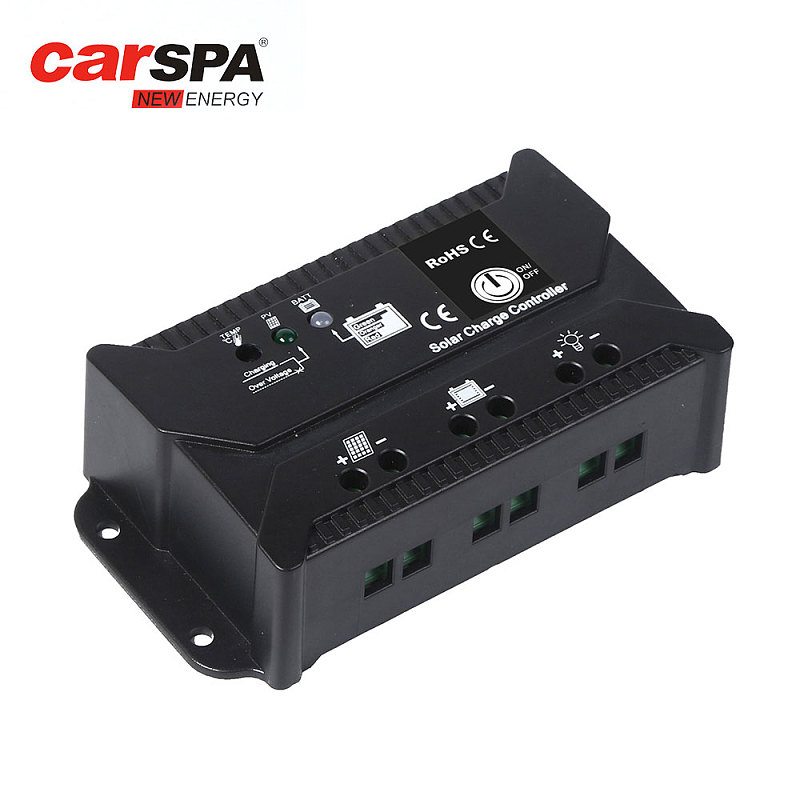
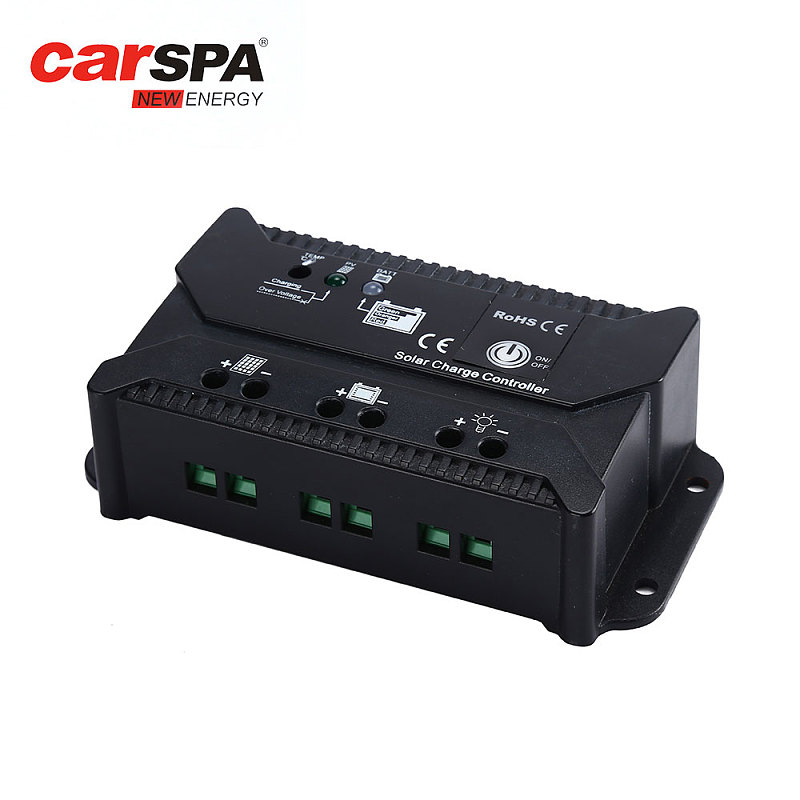
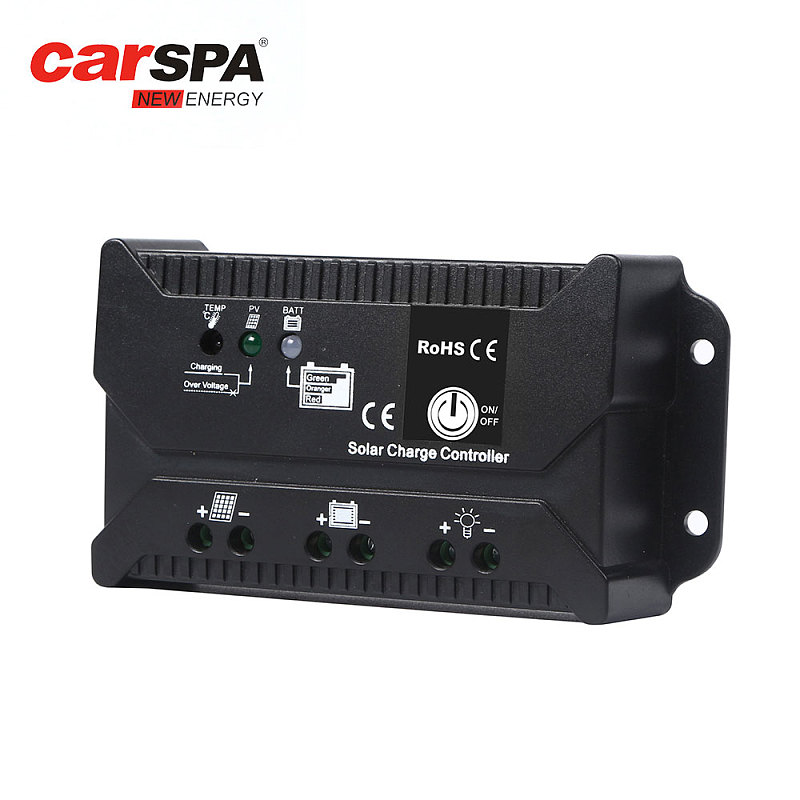
Solar Charge Controller Guide: 5 Critical Questions to Maximize System Safety and Efficiency
When designing a solar power system, one of the most critical — yet often overlooked — components is the solar charge controller. Acting as the system's gatekeeper, it regulates power from the solar panels to the batteries, ensuring efficient energy transfer, protecting equipment, and extending battery life. Whether for industrial lighting, off-grid monitoring, or renewable energy backup, selecting the right controller determines long-term performance and system safety.
In this guide, we explore the five most important questions to ask before choosing and installing a solar charge controller — from types and sizing to features and maintenance — based on real-world industrial needs.
What Is a Solar Charge Controller and Why Is It So Important?
A solar charge controller is an essential safety and performance device in photovoltaic (PV) systems. It acts as the gatekeeper between the solar panels and the battery bank, ensuring energy flows efficiently and safely.
Regulates Voltage and Current from Panels
Solar panels often produce variable voltage depending on sunlight conditions. A charge controller ensures this fluctuating energy is delivered to the battery at a stable, safe level. For example, in a 12V system, it prevents the battery from being exposed to the 18V–22V often produced by panels under full sun.
Prevents Battery Overcharging
Excess voltage can cause overheating and shorten battery life. The controller monitors the state of charge and reduces or stops the current once full capacity is reached. Overcharging can cause battery swelling, leakage, or even explosion in extreme cases — making a controller a vital safety mechanism.
Avoids Reverse Current at Night
At night, without sunlight, panels can draw small amounts of current back from the batteries. A solar charge controller has a blocking diode or reverse current protection feature that prevents this unnecessary discharge, which is especially important in off-grid or remote installations.

✅ Improves System Longevity and Stability
By stabilizing the power flow and protecting the battery bank, the controller increases the overall system lifespan and ensures a consistent energy supply. Systems used in industrial lighting, security equipment, or backup power setups depend on uninterrupted performance — which hinges on the controller’s reliability.
In short, installing a solar charge controller is not optional — it's a mandatory safeguard for any solar energy system. Whether you're working with a 100W panel or a 10kW array, it is the most cost-effective way to protect your batteries and optimize energy harvest.
Which Type of Solar Charge Controller Best Suits Your System?
Choosing the right solar charge controller directly impacts your system’s energy efficiency and battery health. While both PWM and MPPT controllers serve the same protective purpose, their internal working principles and real-world performance differ significantly — and so do the applications they're suited for.
PWM (Pulse Width Modulation) Controllers – Cost-Efficient for Simpler Systems
PWM controllers are older and simpler in design. They work by gradually reducing the current flow to the battery as it nears full charge, similar to trickle charging. They are suitable for low to medium-power systems where panel voltage closely matches battery voltage — such as 12V solar panels with 12V battery banks. If cost is a major factor and the power needs are basic (e.g., street lights or small-scale backup systems), PWM offers a reliable and affordable option.
MPPT (Maximum Power Point Tracking) – Best for Efficiency and Modern Systems
MPPT controllers use more advanced electronics to convert excess panel voltage into additional current, maximizing energy transfer. This is particularly useful when panel voltage is significantly higher than battery voltage, which is common in larger installations (24V, 48V systems and beyond). MPPTs are up to 30% more efficient than PWMs in such conditions, especially in cold or cloudy climates where panel voltage fluctuates. They are also ideal for systems where space is limited and maximizing output from fewer panels is critical.
Battery Compatibility & Application Fit
Some batteries, like lithium-ion or LiFePO₄, require more precise voltage regulation and multi-stage charging. MPPT controllers usually support these advanced charging profiles better than PWM. Additionally, if your solar system is part of a commercial energy infrastructure — powering telecom towers, monitoring stations, or agricultural control systems — an MPPT controller often ensures safer and more efficient long-term operation.
Quick Comparison Table
| Feature | PWM Controller | MPPT Controller |
| Efficiency | ~75–80% | ~95–98% |
| System Compatibility | Best for low-voltage | Ideal for high-voltage |
| Cost | Lower upfront cost | Higher, but better ROI |
| Charging Precision | Basic | Advanced multi-stage |
| Use Case Example | Solar lights, small kits | Industrial, telecom, farms |
Final Tip:
If you're uncertain, consider current and future expansion. A small project might work with PWM today but upgrading to MPPT now could save costs in future scaling.
How Do You Know If Your Controller Is Properly Sized?
Selecting the correct size for a solar charge controller is essential to prevent system overload, ensure energy efficiency, and extend the lifespan of your components. Many performance issues in solar installations are directly related to undersized or incorrectly rated controllers.
Understanding Current Rating
The controller’s current rating should always exceed the maximum current your solar panels can generate under full sunlight. This value is usually found on the solar panel’s specification sheet as “Imp” (maximum power current). To calculate the required amperage, divide the total wattage of your solar array by the battery voltage, then apply a safety margin of at least 25%.
For example, if you have a 1000W panel system charging a 24V battery bank:
1000 ÷ 24 = 41.7A
41.7A × 1.25 (safety margin) = 52A
In this case, a controller rated for at least 60A would be recommended.
Matching System Voltage
Charge controllers are designed to operate at specific system voltages — typically 12V, 24V, or 48V. Most modern controllers can auto-detect voltage, but it’s essential to verify compatibility. Using a 12V-rated controller in a 48V system will cause immediate failure.
Considering Future Expansion
If there’s a possibility of expanding your solar array, it’s wise to choose a controller that can accommodate future wattage increases. Oversizing slightly today can eliminate the need to replace the controller later, saving on equipment and installation costs.
Environmental Considerations
In hotter climates, electrical components experience thermal stress, which reduces current-handling capability. Controllers with heat sinks and thermal derating features are more reliable under such conditions. Always check if the rated amperage is based on 25°C ambient temperature and adjust accordingly for real-world use.
Summary Table
| Parameter | Consideration |
| Max Panel Current | Add 25% safety margin to calculated amps |
| Battery Bank Voltage | Match controller’s voltage rating |
| Expansion Possibility | Choose a slightly larger controller |
| Temperature Factor | Derate current in hot environments |
Choosing the right size controller protects your batteries and ensures the solar energy is fully utilized without bottlenecks or risks.

What Features Should You Look for in a Reliable Solar Charge Controller?
As solar systems become more integrated and critical in industrial operations, the expectations for solar charge controllers go beyond basic voltage regulation. Choosing a controller with the right features not only enhances safety and efficiency but also simplifies monitoring and maintenance.
Essential Protection Features
A dependable charge controller should come equipped with built-in protections, including:
Overcharge and over-discharge protection
Reverse polarity protection for both battery and solar input
Short circuit and overload protection
Temperature compensation for optimal performance in varying climates
These safety mechanisms are fundamental, especially in systems operating in remote or high-risk environments where downtime is costly.
Multi-Stage Charging Capability
Modern controllers typically employ a multi-stage charging process — bulk, absorption, and float — to optimize charging and extend battery life. Some models also support an equalization stage for lead-acid batteries, which helps balance cell voltage and prevent sulfation.
Multi-stage charging ensures that batteries are not just charged quickly, but also correctly, improving both capacity and longevity.
Real-Time Monitoring and Communication
For commercial or off-grid applications, system monitoring is crucial. Controllers with LCD displays provide real-time readouts of voltage, current, battery status, and fault alerts. More advanced models include RS485 or Modbus communication ports, enabling integration with centralized monitoring systems or industrial PLCs.
Some high-end controllers also support:
Remote control through Bluetooth or Wi-Fi modules
Data logging for performance analytics
Adjustable parameters for different battery chemistries
Adaptability to Battery Types
Different battery types — AGM, GEL, flooded lead-acid, and lithium — have varying charge voltage and current needs. A reliable controller offers user-selectable or automatic battery type detection to ensure safe charging. For lithium batteries in particular, precise voltage cutoff and protection are critical.
Build Quality and Certifications
Finally, industrial-grade controllers should meet recognized safety and quality standards (such as CE or RoHS compliance) and be housed in robust enclosures with proper heat dissipation. Fanless, passively cooled designs are preferable in dusty or maintenance-limited environments.
By focusing on these features, system designers can ensure that their solar charge controller contributes not just to energy management, but to long-term operational stability.
How Do You Ensure Long-Term Performance and Minimal Downtime?
A solar charge controller may be low-maintenance by design, but consistent performance over many years depends heavily on proper installation, regular inspection, and system-level integration. Ignoring basic maintenance can lead to premature failure — not only of the controller itself, but also the battery bank and connected loads.
Regular Maintenance and Inspection
Routine visual inspections should be scheduled monthly or quarterly, depending on the environment and usage intensity. Check for signs of:
Loose or corroded terminals
Overheating (discoloration or melting near connectors)
Accumulated dust or moisture in the enclosure
Fault indicators on the display or communication module
If the system includes external temperature sensors or load control terminals, these should also be tested for continuity and function during maintenance rounds.
Environmental Conditions and Installation
Controller performance is significantly affected by installation environment. Units should be mounted in well-ventilated enclosures, away from direct sunlight or water exposure. In humid regions, ensure the housing is IP-rated for moisture protection. Heat is one of the most common reasons for early electronic failure — maintaining airflow is critical.
If your setup is located in desert or coastal zones, anti-corrosion measures and dust filters are recommended.
Remote Monitoring and Alerts
In larger or mission-critical systems, investing in a controller with remote monitoring capability allows operators to receive real-time data and fault alerts via software dashboards or mobile apps. This proactive approach minimizes downtime, as anomalies can be addressed before they cause battery failure or load interruption.
Remote access also allows:
Historical data analysis to predict battery replacement cycles
Remote adjustment of parameters (e.g., voltage thresholds, load cut-off)
Quick diagnostics without physical site visits
Complementary Equipment for Better Control
Consider pairing your solar charge controller with:
Battery monitors (for state-of-charge accuracy)
Circuit breakers or DC fuses (to isolate faults safely)
Shunt-based current sensors (for better precision in large systems)
These additions enhance safety and data visibility while supporting smarter maintenance planning.
Maintenance Summary Table
| Maintenance Task | Recommended Frequency |
| Visual Inspection | Monthly or quarterly |
| Terminal Retightening | Every 6 months |
| Data Log Review | Weekly (via software) |
| Sensor and Port Check | Every 3–6 months |
| Enclosure Cleaning | As needed based on location |
A well-maintained solar charge controller not only ensures smooth energy flow but also acts as the first line of defense for your entire solar investment.

Conclusion
In any solar power system, the solar charge controller is far more than just a passive component — it's the intelligent core that determines charging precision, battery health, and overall system stability. By understanding the different controller types, correctly sizing them, selecting essential features, and committing to proactive maintenance, users can drastically reduce risks and maximize long-term return on investment.
For those seeking reliable, industrial-grade solutions, CARSPA provides a range of proven solar charge controllers designed for both durability and performance — trusted by integrators across various energy applications.