
How Does Energy Storage Enable Reliable and Scalable Power Solutions for Outdoor Applications? 5 Critical Questions Answered
Introduction
Outdoor power systems are increasingly expected to operate independently, reliably, and continuously under changing environmental conditions. From remote infrastructure and mobile facilities to off-grid installations and temporary power setups, outdoor applications often face unstable power sources, fluctuating loads, and limited access to conventional grids. In such scenarios, ensuring a stable and controllable energy supply becomes a core system requirement rather than an optional enhancement.
Energy Storage plays a critical role in addressing these challenges by acting as both a buffer and a control layer within outdoor power architectures. Instead of relying solely on real-time energy generation or grid availability, storage systems allow power to be accumulated, regulated, and dispatched based on actual demand. This capability significantly improves operational continuity, reduces power interruptions, and supports flexible energy management across different outdoor environments.

As outdoor energy systems increasingly integrate renewable sources such as solar power, the importance of Energy Storage continues to grow. By bridging the gap between energy generation and consumption, storage solutions enable outdoor systems to operate with greater stability, scalability, and resilience—laying the foundation for modern, efficient, and adaptable outdoor power solutions.
Why Is Energy Storage Becoming Essential for Modern Outdoor Power Systems?
Increasing uncertainty in outdoor power demand
Outdoor applications rarely operate under fixed or predictable load conditions. Power demand can change significantly depending on operating schedules, equipment startup currents, environmental factors, or temporary expansion needs. Unlike indoor or grid-stabilized systems, outdoor power setups must handle sudden load variations without relying on immediate external support. Energy Storage provides the flexibility required to absorb these fluctuations and maintain stable output even when demand patterns shift unexpectedly.
Limitations of direct power generation alone
Relying solely on real-time power generation—such as solar panels or portable generators—often exposes outdoor systems to interruptions. Solar output varies with weather and daylight, while generators introduce fuel dependency, noise, and maintenance complexity. Energy Storage fills the gap between generation and consumption by storing surplus energy when available and releasing it when generation is insufficient. This buffering function transforms intermittent power sources into reliable system-level solutions.
Energy Storage as a system-level stabilizer
Rather than serving only as backup, modern Energy Storage functions as a central stabilizing component in outdoor power architectures. By regulating voltage, smoothing current output, and coordinating energy flow, storage systems help protect connected equipment from power instability. This system-level role is especially important in outdoor environments where electrical conditions are less controlled and exposure risks are higher.
Supporting autonomous and semi-autonomous operation
Many outdoor installations are designed to operate with minimal supervision. Energy Storage enables autonomous or semi-autonomous power operation by reducing dependence on constant human intervention or grid availability. With properly sized storage capacity, outdoor systems can continue functioning during power interruptions, low-generation periods, or maintenance cycles—improving overall system reliability and operational confidence.

How Does Energy Storage Improve Power Stability in Harsh Outdoor Environments?
Managing voltage fluctuation under variable conditions
Outdoor power systems are frequently exposed to unstable electrical conditions caused by changing loads, intermittent generation, and long cable distances. These factors can lead to voltage drops, surges, or transient instability that directly affect connected equipment. Energy Storage helps regulate output by absorbing excess energy and compensating during sudden demand increases, ensuring voltage remains within a controlled and usable range even when external conditions fluctuate.
Buffering power interruptions and short-term outages
Short-term power interruptions are common in outdoor environments, especially in off-grid or hybrid systems. Without Energy Storage, even brief disruptions can interrupt operation, reset control systems, or damage sensitive electronics. Storage systems act as an immediate power buffer, seamlessly bridging gaps between generation loss and recovery. This buffering capability significantly improves system continuity without requiring oversized generators or redundant infrastructure.
Enhancing reliability in temperature and weather variations
Temperature extremes and weather exposure place additional stress on outdoor electrical systems. Battery chemistry and system design become critical factors in maintaining stable performance. Modern Energy Storage solutions—particularly those based on LiFePO4 technology—are designed to deliver consistent output across a wide temperature range while maintaining long cycle life. This reliability allows outdoor systems to operate predictably despite environmental stress.
Protecting connected equipment and power electronics
Unstable power conditions accelerate wear on inverters, controllers, and connected loads. Repeated voltage irregularities and current spikes can reduce service life and increase maintenance frequency. By smoothing power delivery and reducing electrical stress, Energy Storage acts as a protective layer within the system. This protection not only improves operational stability but also supports long-term system durability in outdoor deployments.
What Makes Modular and Stackable Energy Storage Systems Suitable for Outdoor Expansion?
Adapting to changing capacity requirements
Outdoor power projects rarely remain static over time. Initial system capacity may be sufficient at deployment, but expanding loads, additional equipment, or longer operating hours often increase energy demand. Modular and stackable Energy Storage systems are designed to accommodate this growth without requiring a complete system redesign. By allowing capacity to be added incrementally, these solutions support long-term scalability while preserving the original system architecture.
Simplifying installation and site planning
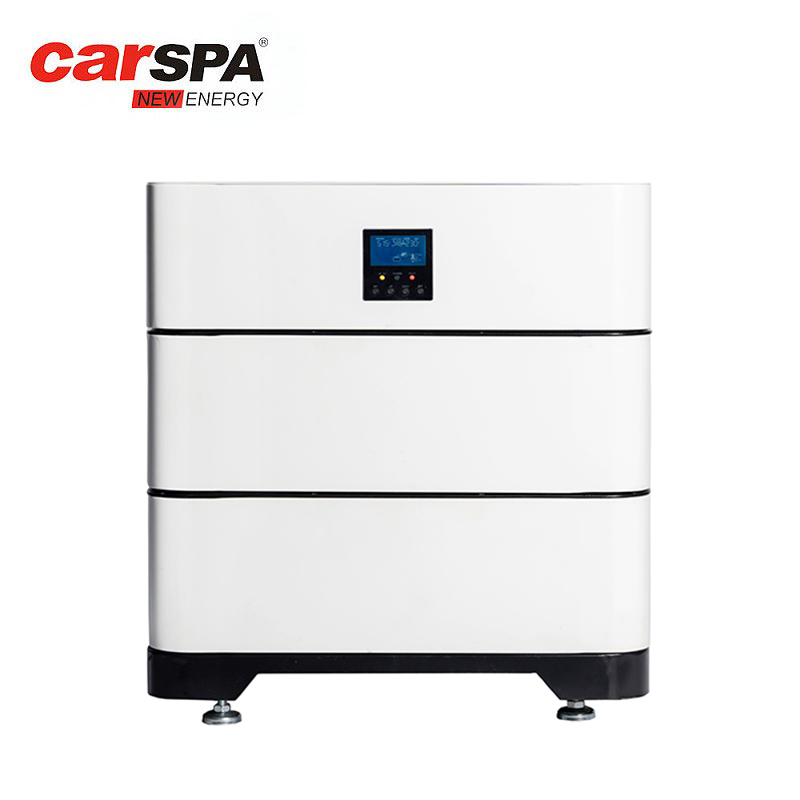
Outdoor installations frequently face space constraints, uneven terrain, or limited installation windows. Wall-mounted Energy Storage units offer a compact solution for sites where ground space is restricted or where equipment needs to be protected from accidental impact. In contrast, stackable systems with layered structures enable higher capacity deployment within a defined footprint, making them well suited for outdoor energy hubs, containerized systems, or infrastructure-side installations. This flexibility simplifies site planning and reduces installation complexity.
Supporting parallel operation and system redundancy
Modular Energy Storage architectures naturally support parallel operation. Multiple battery modules can work together to share load demand, balance charge cycles, and improve overall system efficiency. In outdoor environments where uninterrupted power is critical, this parallel structure also enhances redundancy. If one module requires maintenance or experiences reduced performance, the remaining modules can continue operating, minimizing system downtime.
Enabling long-term reliability through balanced usage
Stackable Energy Storage systems distribute charge and discharge cycles across multiple battery layers. This balanced usage helps reduce localized stress on individual modules and contributes to longer overall service life. For outdoor systems that are expected to operate continuously over many years, this design approach supports consistent performance while lowering lifecycle maintenance demands.
How Can Energy Storage Integrate with Solar Power for Outdoor Applications?
Balancing intermittent solar generation
Solar power is one of the most common energy sources for outdoor applications, but its output is inherently variable. Changes in sunlight intensity, cloud cover, and seasonal daylight hours can cause continuous fluctuation in power generation. Energy Storage plays a critical role in stabilizing this variability by storing excess solar energy during peak generation periods and releasing it when solar output drops. This balance allows outdoor systems to maintain consistent operation without being directly tied to real-time solar conditions.
Enabling off-grid and hybrid power architectures
Many outdoor power systems operate in locations where grid access is limited or unavailable. In these cases, Energy Storage enables true off-grid operation by ensuring that energy generated during the day can be used during nighttime or low-generation periods. In hybrid systems, storage also coordinates energy flow between solar input and auxiliary power sources, improving overall system efficiency while reducing reliance on external power support.
Improving energy utilization efficiency
Without Energy Storage, a significant portion of generated solar energy may go unused due to load mismatch or timing constraints. Storage systems capture surplus energy that would otherwise be wasted and make it available when demand increases. This improved utilization maximizes the value of installed solar capacity and supports more efficient system sizing—particularly important in outdoor projects where space and resources are limited.
Supporting intelligent energy management strategies
When integrated with control systems, Energy Storage enables more advanced energy management strategies for outdoor applications. Power can be prioritized based on load importance, operating schedules, or environmental conditions. This intelligent coordination helps optimize system performance, reduce unnecessary cycling, and ensure that critical loads receive stable power even during extended periods of low solar generation.
What Should Be Considered When Selecting Energy Storage for Outdoor Power Projects?
Matching capacity to real operating demand
Selecting Energy Storage for outdoor applications begins with accurately understanding actual power demand rather than relying solely on nominal equipment ratings. Load profiles, peak power requirements, operating duration, and backup expectations all influence the required storage capacity. Oversizing increases cost and space usage, while undersizing can compromise system stability. Modular and expandable storage configurations offer a practical way to align capacity with real-world operating conditions while preserving flexibility for future growth.
Evaluating battery chemistry and cycle life
Battery performance over time is a critical consideration in outdoor environments where access for maintenance may be limited. LiFePO4-based Energy Storage systems are widely recognized for their thermal stability, long cycle life, and predictable aging characteristics. High cycle endurance supports frequent charge–discharge operation without rapid degradation, making such systems well suited for solar-integrated and continuously operating outdoor power setups.
Considering installation form and environmental exposure
Installation method directly affects both system reliability and site adaptability. Wall-mounted Energy Storage solutions are well suited for outdoor locations with limited floor space or where equipment needs to be elevated for protection. Stackable, layered systems provide higher capacity within a compact footprint and are better suited for projects that require scalable energy reserves. Choosing the appropriate form factor ensures the storage system integrates cleanly into the physical environment while supporting long-term operation.
Ensuring system compatibility and future scalability
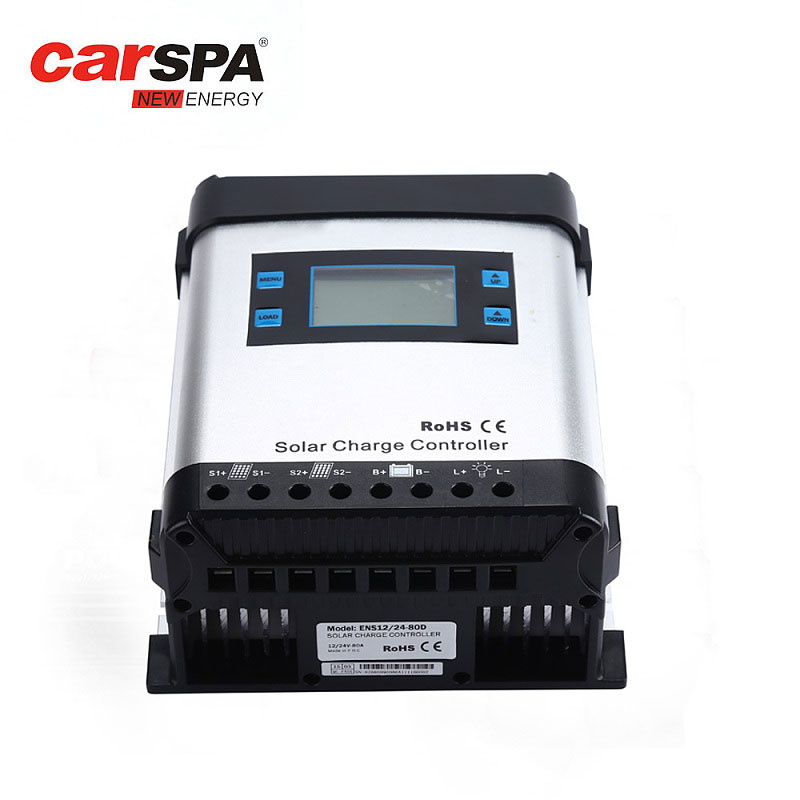
Energy Storage should be evaluated as part of a complete power system rather than as an isolated component. Compatibility with inverters, solar controllers, and energy management systems is essential for stable operation. In outdoor projects, future scalability is equally important. Systems designed with modular expansion in mind allow additional capacity to be added without disrupting existing infrastructure, extending system lifespan and protecting initial investment.
Conclusion
As outdoor power systems continue to evolve toward greater independence, flexibility, and resilience, Energy Storage has become a foundational element rather than a supplementary component. By stabilizing power output, bridging generation gaps, and enabling scalable system design, storage solutions allow outdoor applications to operate reliably under variable environmental and load conditions.
Whether deployed as compact wall-mounted units for space-limited installations or as stackable systems designed for higher capacity and long-term expansion, modern Energy Storage architectures support a wide range of outdoor power strategies. When integrated with solar generation and intelligent control, these systems transform intermittent energy sources into dependable, well-managed power infrastructures.
Selecting the right Energy Storage solution ultimately depends on a clear understanding of operational demands, installation conditions, and future scalability requirements. Thoughtfully designed systems help reduce complexity, extend service life, and improve overall power reliability—key considerations for any outdoor energy project.
CARSPA offers Energy Storage solutions designed to meet these system-level requirements, supporting stable and adaptable outdoor power applications through flexible configuration and reliable performance.




.jpg)
.jpg)
.jpg)
.jpg)
.jpg)
.jpg)