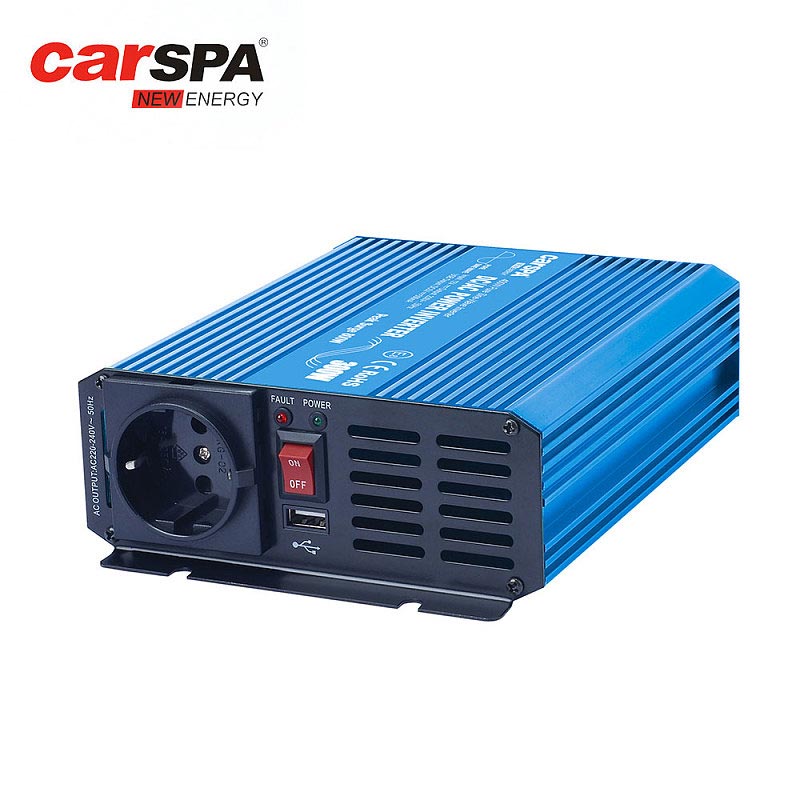
How Does a 1000W Inverter for Car Support Comfortable and Reliable Camping Power Needs?
Introduction
Camping has evolved far beyond basic shelter and lighting. Modern camping setups increasingly rely on a wide range of electrical equipment to support comfort, efficiency, and reliability in outdoor environments. From portable cooking devices and communication tools to lighting systems and personal electronics, stable power availability has become an essential part of the overall camping experience rather than an optional extra.
In this context, the 1000W Inverter for car plays a critical role in bridging the gap between a vehicle’s DC power source and the AC power required by common camping equipment. By converting vehicle battery power into usable household-style electricity, it enables users to operate familiar devices directly from their cars, vans, or mobile power platforms—without relying on fixed grid access.
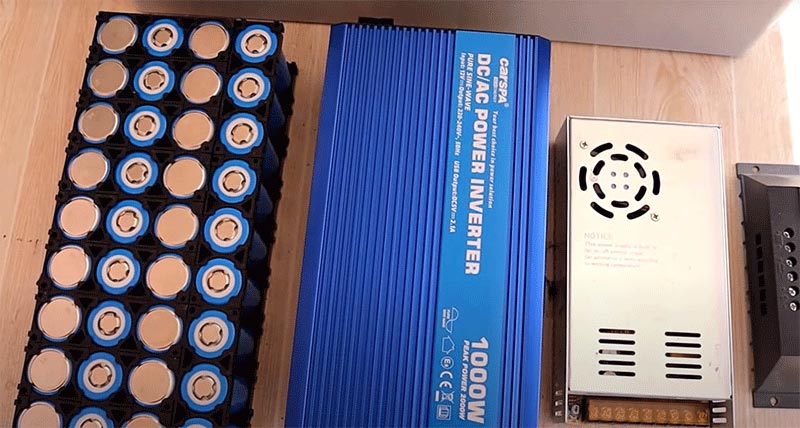
Unlike oversized power solutions that introduce unnecessary cost and complexity, a 1000W inverter occupies a practical middle ground. It offers sufficient capacity for most camping-related loads while maintaining manageable size, efficiency, and installation flexibility. As camping scenarios become more mobile and power-dependent, understanding how a 1000W car inverter fits into outdoor power planning is key to achieving both reliability and convenience.
Why Is a 1000W Inverter for Car a Practical Power Choice for Camping Setups?
Choosing the right power capacity is one of the most important decisions when planning a camping power system. A 1000W Inverter for car is often considered a practical balance point—strong enough to support real camping needs, yet compact and efficient enough for mobile use.

Matching Typical Camping Power Demand
Most camping scenarios involve a mix of medium-power and low-power devices rather than heavy industrial loads. Equipment such as portable induction cookers, electric kettles, small coffee machines, lighting systems, routers, cameras, laptops, and portable refrigerators usually fall within a combined power range that a 1000W inverter can handle comfortably. This makes it suitable for day-to-day camping use without excessive oversizing.
Avoiding Overcapacity and Energy Waste
Higher-wattage inverters often introduce unnecessary drawbacks in camping environments. Larger units require heavier cabling, stronger batteries, and more complex installation, while also increasing idle power consumption. In contrast, a 1000W inverter keeps the system efficient by aligning power output with actual usage patterns, helping to conserve battery capacity during extended outdoor stays.
Supporting Mobile and Flexible Camp Setups
Camping power systems need to adapt quickly to changing locations and usage conditions. A 1000W car inverter is compact enough to be installed in passenger vehicles, vans, or off-road setups without permanent modification. This flexibility allows power access wherever the vehicle can reach, supporting both short trips and longer camping journeys.
Balancing Performance and System Simplicity
From a system-design perspective, a 1000W inverter simplifies overall power planning. It reduces strain on vehicle electrical systems while still providing stable AC output for common camping equipment. This balance between performance and simplicity makes it a reliable core component in modern camping power solutions.
What Types of Camping Equipment Can a 1000W Car Inverter Power Safely and Continuously?
A key advantage of using a 1000W Inverter for car in camping scenarios is its ability to support a wide range of commonly used equipment without pushing the system to its limits. Understanding which devices fit comfortably within this power range helps ensure stable operation and long-term reliability.
Powering Daily Camping Essentials
Most everyday camping devices fall well within the continuous output capacity of a 1000W inverter. These include LED lighting systems, mobile phone chargers, tablets, laptops, portable speakers, and communication equipment. Such loads are typically low to moderate in power consumption, allowing them to run simultaneously without stressing the inverter or vehicle battery.
Supporting Comfort-Oriented Appliances
Camping comfort increasingly depends on small electrical appliances. A 1000W car inverter can reliably operate devices such as electric kettles, compact rice cookers, coffee makers, and small electric grills—provided they are used individually rather than all at once. These appliances enhance convenience during camping trips while remaining compatible with a properly sized inverter setup.
Handling Cooling and Storage Equipment
Portable refrigerators and thermoelectric coolers are common in vehicle-based camping. Many of these units operate within a moderate power range and are well suited to a 1000W inverter, especially when paired with a healthy vehicle battery or auxiliary battery system. Stable power delivery helps maintain consistent cooling performance during long outdoor stays.
Running Tools and Utility Devices
Beyond comfort and entertainment, camping often involves practical tasks. Devices such as air pumps, small power tools, camera battery chargers, drones, and monitoring equipment can be powered effectively by a 1000W inverter. This makes it easier to manage campsite setup, maintenance, and documentation without relying on external power sources.
Managing Start-Up Loads Safely
While continuous power ratings are important, start-up or surge power also matters. A well-designed 1000W inverter can handle short-duration surges from certain devices, such as motors or compressors, as long as overall system limits are respected. Proper load planning ensures smooth operation without unexpected shutdowns.
How Does a 1000W Inverter for Car Improve Power Stability in Outdoor Camping Environments?
Outdoor camping environments are inherently unpredictable. Temperature changes, uneven terrain, and varying load conditions can all affect power performance. A 1000W Inverter for car is designed to address these challenges by delivering stable and controlled AC power even when operating away from fixed infrastructure.
Ensuring Consistent Voltage Output
Many camping devices—especially electronics such as laptops, routers, cameras, and communication equipment—are sensitive to voltage fluctuations. A quality 1000W car inverter converts DC power from the vehicle battery into clean, regulated AC output, helping maintain consistent voltage levels. This stability reduces the risk of device malfunction, unexpected shutdowns, or long-term component damage.
Adapting to Variable Outdoor Conditions
Camping often involves exposure to heat, cold, dust, and vibration. Compared with makeshift power solutions, a properly engineered inverter is built to tolerate these conditions while maintaining reliable performance. Its internal control and protection systems allow it to adapt to changing input voltage from the vehicle battery, which is common during engine start-up or fluctuating load demand.
Protecting Equipment Through Built-In Safeguards
Power stability is not only about output quality but also about system protection. A 1000W inverter typically integrates multiple safety mechanisms, such as overload protection, short-circuit protection, over-temperature shutdown, and low-voltage alarms. These features help prevent damage to both the inverter and connected camping equipment, especially during extended outdoor use.
Supporting Continuous Operation During Long Stays
For longer camping trips, power systems must operate for hours or days without interruption. By balancing output capacity with thermal management and efficiency, a 1000W inverter supports continuous operation under moderate loads. This makes it suitable for overnight power supply, refrigeration support, lighting, and charging cycles without frequent resets or manual intervention.
Maintaining System Reliability in Mobile Setups
Unlike stationary power sources, vehicle-based camping power systems are constantly moving. A 1000W car power inverter provides reliable performance even when the vehicle is relocated, parked on uneven ground, or used as a temporary power hub. This mobility-oriented stability is essential for modern camping scenarios that emphasize flexibility and independence.
What Installation and Connection Factors Matter When Using a 1000W Car Inverter for Camping?
Even with the right power capacity, overall performance during camping depends heavily on how the 1000W Inverter for car is installed and connected. Proper system configuration ensures efficiency, safety, and long-term reliability in mobile outdoor environments.
Choosing the Right Power Source and Battery Setup
A 1000W inverter draws a significant current from the vehicle’s DC system, especially under higher loads. For camping use, it is important to pair the inverter with a suitable battery setup—whether a well-maintained starter battery, an auxiliary battery, or a dedicated camping battery system. Adequate battery capacity helps support longer operating times and prevents excessive voltage drop during peak usage.
Correct Cable Sizing and Connection Quality
Cable selection plays a critical role in inverter performance. Undersized or low-quality cables can cause voltage loss, overheating, and unstable output. Using appropriately rated cables and secure terminal connections allows the inverter to operate efficiently and deliver its full rated power. This is particularly important in camping environments where loads may change frequently throughout the day.
Managing Grounding and Ventilation
Proper grounding improves system safety and reduces electrical noise that could affect sensitive camping electronics. In addition, ventilation should never be overlooked. A 1000W inverter generates heat during operation, and sufficient airflow helps maintain stable internal temperatures. In camping setups, placing the inverter in a dry, well-ventilated area inside the vehicle or power compartment helps prevent thermal shutdowns.
Planning Load Distribution and Usage Timing
While a 1000W inverter can support many camping devices, power planning remains essential. Running high-power appliances sequentially rather than simultaneously reduces stress on the system. Thoughtful load management extends battery life and ensures smooth operation during extended outdoor stays.
Ensuring Safety in Mobile Environments
Camping often involves movement, vibration, and temporary setups. Securing the inverter properly prevents damage during travel, while integrated protections safeguard both the inverter and connected equipment. These considerations help maintain safe and reliable power access wherever the camping journey leads.

How Does a 1000W Inverter for Car Enhance Flexibility and Comfort in Modern Camping Scenarios?
Modern camping is no longer limited to basic survival needs. It increasingly focuses on comfort, convenience, and adaptability. A 1000W Inverter for car plays a central role in supporting this shift by enabling flexible power access across a wide range of outdoor scenarios.
Enabling a Home-Like Camping Experience
With a stable AC power source available directly from the vehicle, campers can use familiar household-style devices even in remote locations. Lighting systems, cooking appliances, entertainment equipment, and personal electronics can all operate as they would in a fixed environment. This significantly enhances comfort, especially during longer camping trips or multi-day outdoor stays.
Supporting Flexible Campsite Layouts
Camping setups often change depending on terrain, weather, and group size. A vehicle-based inverter allows power to move with the campsite rather than being fixed to one location. Whether power is needed inside a vehicle, under an awning, or at a temporary outdoor workstation, a 1000W car inverter adapts easily to different layouts and usage patterns.
Expanding Use Cases Beyond Leisure
Camping power needs are not limited to relaxation. Many outdoor scenarios combine leisure with work, exploration, or content creation. A 1000W inverter supports laptops, camera charging systems, communication devices, and monitoring equipment, making it easier to maintain productivity and connectivity while off-grid.
Improving Energy Independence
By relying on vehicle-based power rather than external sources, camping setups gain a higher level of independence. This reduces dependence on campsite hookups or portable generators, offering quieter operation and greater freedom in site selection. A 1000W inverter contributes to a more self-sufficient and adaptable camping power system.
Creating a Balanced and Scalable Power Solution
As camping needs evolve, a 1000W inverter remains a flexible foundation. It integrates well with additional batteries, solar charging systems, and portable power components, allowing the system to scale gradually. This balance between current capability and future expansion makes it a long-term solution for modern camping power requirements.
Conclusion
As camping continues to move toward more comfortable, flexible, and power-dependent setups, reliable mobile electricity has become an essential foundation rather than a convenience. A 1000W Inverter for car offers a well-balanced solution for these evolving needs by delivering sufficient power capacity, stable output, and practical installation flexibility within a mobile environment.
By supporting common camping equipment, maintaining power stability under changing outdoor conditions, and integrating smoothly with vehicle-based power systems, a 1000W car inverter helps create a dependable and adaptable camping power framework. Its ability to balance performance with efficiency makes it suitable for both short trips and extended outdoor stays, without introducing unnecessary system complexity.
When designed and applied correctly, this type of inverter becomes a core element of modern camping power planning—enabling comfort, independence, and consistent operation wherever the journey leads. Solutions developed by CARSPA reflect this approach, focusing on reliable power conversion, safety, and real-world usability for mobile and outdoor power applications.