
How Does Home Energy Storage Improve Energy Reliability and Efficiency?
Introduction
Home Energy Storage is becoming a critical component in modern distributed power systems as electricity usage patterns continue to evolve. Instead of relying solely on real-time power generation or grid supply, energy storage allows electricity to be captured, stored, and released in a controlled manner based on actual demand. This capability fundamentally changes how energy is managed at the point of use, making power systems more stable, flexible, and resilient.
As solar generation becomes more widely adopted, power availability no longer follows a constant or predictable curve. Energy production fluctuates with sunlight, while consumption varies according to daily routines and load conditions. Home Energy Storage bridges this gap by acting as an energy buffer—absorbing excess power during periods of high generation and delivering it when demand increases. In doing so, it helps maintain stable voltage levels, reduces dependency on instantaneous generation, and improves overall system coordination.
Beyond energy balancing, Home Energy Storage also plays an important role in continuity planning. In systems where uninterrupted power is essential for critical loads, storage provides a reliable backup layer that responds instantly to grid instability or outages. Rather than functioning as a standalone solution, it integrates with solar panels, inverters, and load management systems to form a cohesive energy architecture.
With advancements in lithium battery technology, modular design, and intelligent energy control, Home Energy Storage has moved beyond simple backup applications. It is now a strategic element in energy optimization—supporting higher self-consumption of renewable power, improving efficiency across different operating scenarios, and enabling scalable system design that adapts to changing energy requirements over time.
How Does Home Energy Storage Improve Power Reliability in Distributed Energy Systems?
Stabilizing Power Supply Under Fluctuating Load Conditions
In distributed energy systems, power demand rarely remains constant. Daily usage cycles, intermittent high-load equipment, and changing consumption patterns can all create sudden fluctuations. Home Energy Storage helps stabilize these conditions by supplying stored energy during peak demand and absorbing excess power when loads decrease. This buffering effect reduces stress on power sources and allows the overall system to operate within a more predictable and controlled range.

Mitigating the Impact of Intermittent Energy Generation
Renewable energy sources such as solar panels do not produce electricity at a steady rate. Output varies with sunlight intensity, weather conditions, and time of day. Home Energy Storage compensates for this intermittency by decoupling energy generation from consumption. Instead of forcing loads to follow generation availability, stored energy ensures that power remains accessible even when generation temporarily drops, improving overall system reliability.
Enhancing Voltage and Power Quality Stability
Sudden changes in load or generation can lead to voltage dips, spikes, or instability within a local power system. By responding instantly to these variations, Home Energy Storage supports voltage regulation and smoother power delivery. This is especially valuable for systems that include sensitive electronic equipment or control units, where consistent power quality directly affects performance and operational lifespan.
Providing a Reliable Energy Buffer During Grid Disturbances
In environments where grid stability cannot always be guaranteed, Home Energy Storage acts as an immediate energy reserve. When grid power becomes unstable or unavailable, stored energy can take over without interruption. This seamless transition helps maintain continuous operation for essential loads and reduces dependence on external power conditions.
Why Is Home Energy Storage Essential for Solar Power Self-Consumption and Load Optimization?
Increasing Solar Energy Utilization Efficiency
Solar power generation often peaks during midday, while actual electricity consumption tends to rise in the morning and evening. Without energy storage, surplus solar energy is either unused or exported, limiting overall efficiency. Home Energy Storage captures this excess generation and makes it available later, significantly increasing the proportion of solar power consumed on site rather than wasted or constrained by timing mismatches.
Balancing Energy Flow Between Generation and Demand
In solar-powered systems, generation and load rarely align perfectly. Home Energy Storage acts as an intermediary layer that smooths energy flow between production and consumption. By storing energy during periods of surplus and releasing it during higher demand, the system operates more efficiently and avoids sudden power imbalances that could otherwise strain inverters or connected loads.
Reducing Peak Load Stress on the Power System
High-demand periods place considerable stress on power systems, particularly when multiple loads operate simultaneously. Home Energy Storage helps alleviate this pressure by supplying stored energy during peak usage, reducing reliance on real-time generation or external power input. This load-shifting capability supports more balanced system operation and improves long-term reliability.
Supporting Smarter Energy Management Strategies
When combined with intelligent control systems, Home Energy Storage enables more advanced energy management. Stored energy can be prioritized for specific loads, scheduled according to usage patterns, or reserved for critical periods. This level of control allows energy systems to operate with greater flexibility, ensuring that available power is used where and when it delivers the most value.

How Can Home Energy Storage Support Backup Power and Emergency Energy Availability?
Ensuring Continuous Power During Grid Outages
Power interruptions can occur due to grid instability, maintenance, or external environmental factors. Home Energy Storage provides an immediate source of electricity when the primary supply is unavailable. Unlike solutions that require manual intervention or startup time, stored energy can respond instantly, ensuring uninterrupted power delivery to connected loads.
Protecting Critical Loads and Essential Systems
Not all electrical loads carry the same level of importance. Home Energy Storage allows priority to be given to essential systems such as lighting, communication equipment, control units, or security devices. By maintaining power to these critical loads during outages, the system helps preserve safety, functionality, and operational continuity.
Acting as a Rapid-Response Energy Buffer
Sudden power loss or voltage instability can negatively affect sensitive equipment. Home Energy Storage acts as a fast-response buffer that smooths transitions between power states. This capability reduces the risk of equipment malfunction, data loss, or system resets caused by abrupt electrical disturbances.
Improving System Resilience Through Local Energy Availability
By storing energy locally, Home Energy Storage reduces dependence on external power infrastructure during emergencies. This localized availability strengthens overall system resilience, allowing energy systems to maintain a baseline level of operation even when external conditions are unfavorable or unpredictable.
What Makes Modular Home Energy Storage Systems Suitable for Scalable Residential and Light Commercial Applications?
Adapting to Different Capacity Requirements
Energy demand varies significantly depending on usage patterns, connected loads, and system size. Modular Home Energy Storage systems are designed to accommodate these differences by allowing capacity to be scaled according to actual needs. Instead of oversizing a single system from the beginning, storage capacity can be expanded incrementally, ensuring better alignment between energy supply and consumption.
Supporting Flexible Installation Configurations
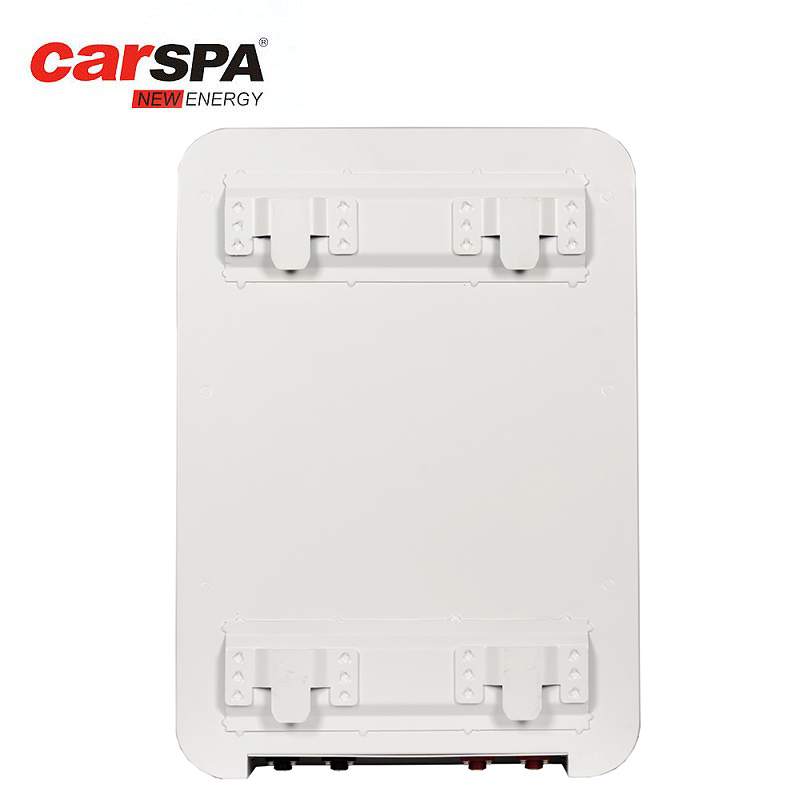
Different application environments require different installation approaches. Modular designs support multiple configurations, such as wall-mounted units for space-constrained areas or stacked systems for higher-capacity requirements. This flexibility makes Home Energy Storage easier to integrate into existing electrical layouts without extensive structural modification.
Simplifying System Expansion and Maintenance
As energy demand grows over time—due to additional loads, expanded solar capacity, or changing usage patterns—modular Home Energy Storage systems allow for straightforward expansion. Additional battery modules can be added without redesigning the entire system. At the same time, modular architecture simplifies maintenance by isolating individual units, reducing downtime and improving service efficiency.
Enhancing Long-Term System Planning and Investment Efficiency
Scalable storage solutions support long-term energy planning by allowing systems to evolve gradually. This approach avoids unnecessary upfront capacity while ensuring that future energy requirements can be met efficiently. By matching system growth to real-world demand, Home Energy Storage delivers greater flexibility and more predictable performance over its operational lifespan.
How Does Home Energy Storage Enhance Long-Term Energy Efficiency and System Flexibility?
Reducing Energy Waste Across Daily Operating Cycles
In conventional power systems, excess energy generation often goes unused due to timing mismatches between supply and demand. Home Energy Storage minimizes this waste by capturing surplus energy and redeploying it when needed. Over time, this continuous optimization leads to higher overall system efficiency and more effective use of available energy resources.
Supporting Adaptive Energy Use Patterns
Energy consumption patterns are not static. Seasonal changes, new electrical loads, and evolving usage habits all influence demand. Home Energy Storage enables systems to adapt to these changes without structural redesign. Stored energy can be allocated dynamically, allowing the system to respond to shifting conditions while maintaining stable operation.
Improving System Performance Over the Full Lifecycle
Consistent power availability and balanced load management reduce stress on inverters, wiring, and connected equipment. By smoothing power flow and limiting extreme operating conditions, Home Energy Storage contributes to longer service life and more reliable performance across the entire energy system. This lifecycle-oriented benefit becomes increasingly significant as systems operate continuously over many years.
Enabling Smarter, More Integrated Energy Architectures
As energy systems become more interconnected, flexibility becomes a core requirement. Home Energy Storage acts as a central coordination point between generation, consumption, and control. This integration supports advanced energy strategies, such as prioritized load allocation, time-based energy use, and future system upgrades, without compromising stability or efficiency.
Conclusion
Home Energy Storage has evolved from a simple backup solution into a core element of modern energy systems. By stabilizing power supply, improving solar energy utilization, supporting backup availability, and enabling scalable system design, energy storage reshapes how electricity is generated, managed, and consumed at the point of use. Rather than responding passively to power fluctuations, systems equipped with storage gain the ability to operate proactively, efficiently, and reliably across a wide range of real-world conditions.
As energy demands continue to change and distributed generation becomes more prevalent, the value of flexible and modular storage solutions becomes increasingly evident. Wall-mounted and stackable configurations allow energy systems to adapt to different capacity requirements, while long cycle life and intelligent control support long-term performance and operational stability. These characteristics make Home Energy Storage a practical foundation for resilient and future-ready energy architectures.
With thoughtfully designed lithium-based storage solutions covering both compact and scalable applications, CARSPA provides energy storage systems that align with these evolving requirements, supporting efficient energy use, system flexibility, and reliable operation over the full lifecycle.


