How Does Energy Storage Enable Stable, Flexible, and Scalable Power Systems in Modern Applications?
Introduction
Energy Storage has become a fundamental part of modern power systems as solar and other renewable sources continue to expand. With renewable generation moving from a minor share of global electricity toward a dominant position, power production no longer matches consumption in real time. Electricity is often generated when it is not needed and needed when it is not being generated.
Energy Storage solves this problem by shifting energy across time. It stores excess power when supply is high and releases it when demand rises, turning variable renewable output into stable, usable electricity. By providing this time-based flexibility, Energy Storage supports grid stability, load balancing, and reliable operation across a wide range of energy applications.
What Makes Energy Storage Essential for Balancing Renewable Power in Real-World Applications?
The rapid growth of solar and other renewable power sources has fundamentally changed how electricity is produced. According to international energy outlooks, solar and wind generation already accounted for roughly one fifth of global electricity production in 2022, and this share is expected to approach half of total generation by 2030. As more power comes from sources that depend on sunlight and weather, the gap between when energy is produced and when it is needed continues to widen.
Energy Storage addresses this mismatch by separating generation from consumption in time. When renewable output exceeds immediate demand, the storage system captures the surplus instead of forcing it to be curtailed or wasted. When generation drops or loads increase, the stored energy is released back into the system. This ability to shift energy across hours or days transforms variable renewable generation into stable, usable power.
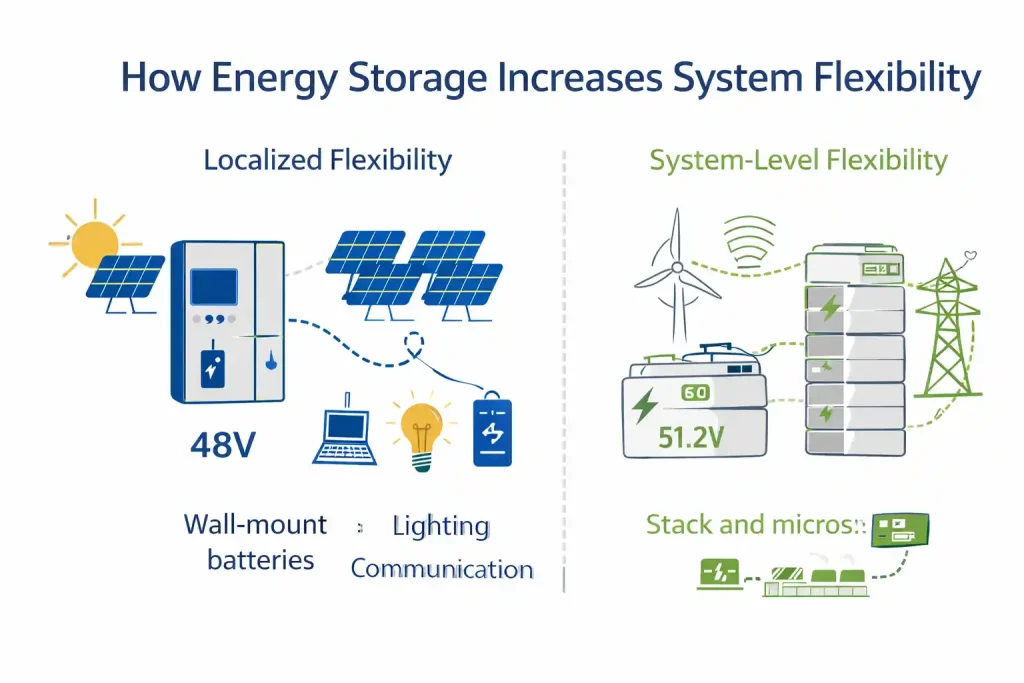
Smoothing renewable fluctuations
Cloud cover, temperature changes, and wind patterns can alter renewable output within minutes. Without Energy Storage, these fluctuations are transferred directly into the power system, causing voltage instability and operational stress. Storage acts as a buffer, absorbing excess energy and releasing it when needed, keeping the power flow smooth even when generation is unstable.
Turning intermittent energy into dispatchable power
As renewable penetration rises toward nearly half of total generation, the value of energy increasingly depends on when it can be delivered. Energy Storage allows electricity produced at midday by solar panels to be used in the evening, or wind energy generated overnight to support daytime loads. This time-shifting capability is what turns renewable power into a reliable energy resource.
Reducing curtailment and maximizing asset utilization
In many installations, renewable plants are limited not by how much they can generate, but by how much power the system can accept at a given moment. Energy Storage captures this excess generation instead of forcing it to be wasted, increasing the effective output of solar and wind assets without expanding grid capacity.
By converting variable renewable production into controlled and dispatchable energy, Energy Storage becomes a fundamental requirement for modern power systems.
How Does Energy Storage Provide System Flexibility Across Daily, Weekly, and Seasonal Load Changes?
As the share of renewable electricity continues to rise, power systems must handle far greater fluctuations in both supply and demand. In highly electrified energy systems, flexibility becomes just as important as generation capacity. Studies of future power networks show that when renewable energy exceeds around three quarters of total installed capacity, the need to shift electricity across time increases sharply.
By 2030, the amount of electricity that must be flexibly managed in advanced power systems is expected to reach hundreds of terawatt-hours per year, and this requirement will continue to grow through mid-century. Energy Storage is the most direct way to provide this flexibility, because it allows electricity to be moved across hours, days, and even seasons instead of being consumed immediately when it is produced.
Daily load balancing
Most power systems experience strong daily demand cycles. Solar output peaks around midday, while electricity consumption often rises in the early morning and evening. Energy Storage captures surplus daytime generation and supplies it during evening peak hours, reducing stress on inverters, transformers, and distribution lines while keeping voltage stable when loads are highest.
Weekly and operational flexibility
Energy usage also follows weekly and operational rhythms. Some facilities operate continuously during workdays and slow down on weekends, while others run in batches or shifts. Energy Storage allows power to be accumulated during low-demand periods and released when activity increases, ensuring that available energy always matches real operating needs.
Seasonal adaptation
Heating, cooling, and lighting demand varies significantly across seasons, while solar and wind output also change over the year. Energy Storage provides a buffer that absorbs these long-term variations, allowing power systems to maintain stable operation without oversized generation or grid infrastructure.
By shifting electricity across multiple time scales, Energy Storage turns rigid electrical networks into flexible energy systems capable of supporting high levels of renewable power and dynamic load behavior.
Why Are Lithium-Based Energy Storage Systems Becoming the Core of Modern Power Infrastructure?
Energy Storage is not only expanding in importance, it is also expanding rapidly in scale. Global Energy Storage capacity has grown from a niche technology into a major pillar of power infrastructure. In 2022, total installed Energy Storage capacity worldwide reached approximately 223 GW, and projections show this figure rising to over 500 GW by 2030. Most of this growth is coming from electrochemical storage, especially lithium-based systems, because they match the technical and operational needs of modern power networks.

High energy density for compact installations
As Energy Storage deployment accelerates, systems must fit into a wide variety of locations, from renewable plants to on-site electrical rooms. Lithium-based batteries store far more energy in a given volume than traditional storage technologies, allowing large amounts of Energy Storage capacity to be installed close to loads, inverters, and renewable sources without requiring large physical footprints.
Fast response and high efficiency
Modern power systems need Energy Storage that can react within milliseconds. Lithium-based systems provide extremely fast charge and discharge response, making them ideal for stabilizing voltage, absorbing renewable fluctuations, and supporting sudden load changes. Their high round-trip efficiency also means that most of the stored energy is delivered back to the system with minimal loss.
Long cycle life and predictable performance
With many Energy Storage systems operating daily, battery durability is critical. Advanced lithium technologies, especially LiFePO4 chemistry, are designed for thousands of charge–discharge cycles, allowing them to support continuous energy shifting over many years. This long service life makes them suitable for large-scale and long-term energy system planning.
Safety and operational stability
LiFePO4 batteries are valued for their chemical stability and resistance to thermal runaway. As Energy Storage installations become larger and more integrated into power networks, this level of safety becomes increasingly important for protecting both equipment and surrounding infrastructure.
As global Energy Storage capacity continues to more than double within this decade, lithium-based systems are becoming the technological backbone of modern energy infrastructure.
How Do Modular and Stackable Energy Storage Designs Support Different Installation Environments?
As Energy Storage moves from centralized pumped hydro toward distributed electrochemical systems, where and how storage is installed has become just as important as how much capacity is deployed. In recent years, front-of-the-meter and on-site battery systems have expanded rapidly, with utility-scale and distributed Energy Storage now representing a growing share of new installations. This shift requires Energy Storage systems that can be deployed flexibly across many physical and electrical environments.
Wall-mounted systems for compact energy hubs
Wall-mounted Energy Storage units are designed for installations where space efficiency, accessibility, and proximity to electrical equipment matter most. As solar and hybrid energy systems are increasingly deployed in buildings, equipment rooms, and enclosed technical spaces, wall-mounted batteries allow storage to be integrated without occupying valuable floor area. Placing Energy Storage close to inverters and loads also reduces wiring length and electrical losses, improving overall system efficiency.
Stackable systems for scalable capacity
Energy Storage capacity requirements often grow over time as renewable generation expands or power demand increases. Stackable battery designs allow additional modules to be added in layers, enabling capacity to scale without replacing existing equipment. This modular approach supports phased project development and protects long-term investment by allowing systems to expand in line with real energy needs.
Supporting distributed and utility-scale deployments
As battery-based Energy Storage becomes more widely deployed across power networks, modular and stackable architectures allow the same technology to be used in both small and large installations. This simplifies system design, standardizes components, and improves reliability across different project sizes.
By enabling flexible layouts and scalable capacity, modular and stackable Energy Storage designs support the rapid growth and diversification of modern energy systems.
How Does Energy Storage Improve Reliability, Safety, and Long-Term Operating Stability?
As Energy Storage capacity continues to expand worldwide, its role in maintaining power system reliability becomes increasingly critical. With global Energy Storage installations expected to more than double within this decade, storage systems are no longer auxiliary components — they are becoming core operational assets that directly influence how stable and secure power networks remain under high renewable penetration.
Stabilizing voltage and power quality at scale
As more variable renewable energy is added to power systems, voltage fluctuations, frequency deviations, and transient events become more frequent. Energy Storage reacts in real time, absorbing excess power or injecting energy when supply drops. This dynamic response keeps electrical parameters within safe operating ranges, protecting inverters, converters, and downstream equipment from electrical stress.
Multi-layer protection for battery and system safety
Modern lithium-based Energy Storage systems incorporate multiple levels of electrical and thermal protection, including current limiting, overcurrent interruption, and temperature monitoring. These mechanisms prevent abnormal operating conditions from escalating into battery damage or safety incidents. As storage deployments grow larger, such built-in protection becomes essential for maintaining safe, unattended operation over long periods.
Long-term performance and lifecycle stability
With many Energy Storage installations designed to operate daily for more than a decade, long-term reliability is a key requirement. LiFePO4-based systems are engineered for thousands of charge–discharge cycles with minimal capacity loss, ensuring that storage continues to deliver predictable performance even as the system ages. This stability allows energy planners to rely on Energy Storage as a permanent part of the power infrastructure rather than a short-term solution.
Reducing system-wide operational risk
By buffering renewable variability and load fluctuations, Energy Storage reduces stress on generators, transformers, and grid connections. This leads to fewer faults, lower maintenance demand, and improved uptime across the entire electrical system.
Through these combined effects, Energy Storage strengthens both the technical and economic foundations of modern power networks, making high-renewable, high-flexibility energy systems reliable over the long term.
Conclusion
The global energy system is moving rapidly toward higher shares of renewable generation, greater electrification, and much stronger demand for flexibility. With Energy Storage capacity worldwide expected to more than double within this decade, storage is no longer an optional add-on — it has become a structural element of modern power infrastructure. By enabling renewable integration, shifting electricity across time, stabilizing voltage, and protecting system performance, Energy Storage allows power networks to operate reliably even under highly variable conditions.
Modern lithium-based technologies, especially LiFePO4, provide the efficiency, safety, and long service life required for continuous daily operation. When combined with modular wall-mounted and stackable system designs, Energy Storage can be deployed in compact spaces, expanded over time, and adapted to a wide range of solar-powered and hybrid energy environments. This flexibility is what allows energy systems to grow without sacrificing stability or control.
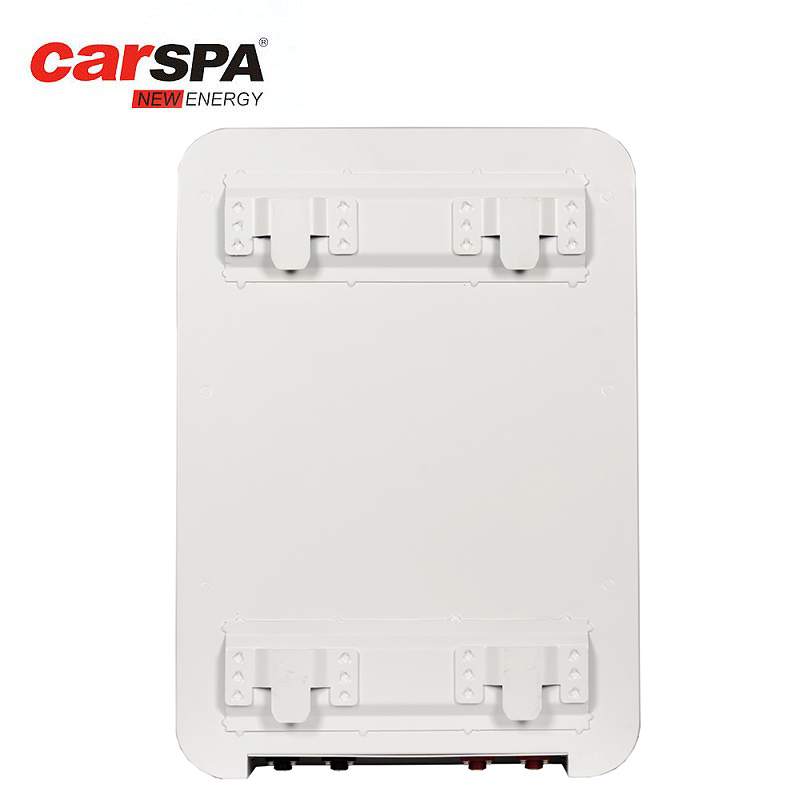
Solutions such as the Wall Mount CSPB-48V 50AH and the Energy Storage Stack CSPC-51.2V 200AH / 300AH series reflect this modern approach, offering scalable capacity, high cycle life, and solar-ready architecture in a compact and efficient form.
By aligning advanced battery technology with flexible system design, CARSPA provides Energy Storage platforms that meet the real-world demands of today’s evolving energy landscape.