What Is Meant by Energy Storage?
Introduction
Energy is only useful when it is available at the right time and in the right form. In modern power systems, however, energy production and energy consumption rarely happen simultaneously. Electricity may be generated continuously, intermittently, or in large quantities, while demand fluctuates depending on operating schedules, environmental conditions, and system priorities. This mismatch is what makes Energy Storage an essential concept in modern power applications.

Rather than focusing solely on how energy is generated, energy storage addresses a more practical question: how energy can be retained, managed, and delivered when it is actually needed. Understanding what is meant by energy storage requires looking beyond batteries alone and examining its role within real operating systems.
What Does Energy Storage Actually Mean in Practical Terms?
Storing energy for later use, not just emergency backup
In practical terms, energy storage means having the ability to retain energy beyond the moment it is generated and deploy it when operating conditions require it. In many real-world systems, energy demand does not follow a steady or predictable pattern. Power may be needed intermittently, at startup, during short peaks, or when external supply becomes unstable. Energy storage allows energy to be held in reserve and released with precision, ensuring availability when timing matters most.
This is why energy storage should not be viewed solely as an emergency solution. In modern applications, storage systems are actively involved in daily operation. They support smooth power transitions, reduce reliance on immediate supply, and help systems function consistently even when energy input or demand fluctuates.
Converting energy into a controllable and reusable form
Another key aspect of energy storage is the conversion of electrical energy into a form that can be stored safely and efficiently. In lithium-based systems, electrical energy is converted into chemical energy during charging and converted back into electrical power during discharge. This process enables energy to be decoupled from real-time generation and used according to system priorities rather than production timing.
What makes this conversion valuable is control. Stored energy can be released gradually or rapidly, partially or fully, depending on system needs. This level of control is essential in modern power applications where energy must be managed, not simply delivered.
Acting as a buffer between energy supply and energy demand
In practical energy systems, fluctuations are unavoidable. Energy input may change due to environmental factors, while demand varies based on operational behavior. Energy storage acts as a buffer that absorbs these fluctuations. When supply exceeds demand, energy is stored. When demand exceeds supply, stored energy is released.
This buffering effect stabilizes system behavior and reduces stress on upstream power sources. Instead of forcing generation systems to respond instantly to every change, energy storage smooths transitions and supports more balanced operation.
Enabling predictable and stable system performance
Stability in power systems depends on predictability. Sudden changes in energy availability can lead to voltage fluctuations, system alarms, or performance degradation. By maintaining a reserve of stored energy, systems gain the ability to respond calmly to change rather than react abruptly.
Energy storage provides a layer of predictability that simplifies system design and operation. It allows engineers and operators to plan energy usage with greater confidence, knowing that short-term variability can be absorbed without compromising performance.
Supporting real-world operating conditions
Energy storage is designed to work under real operating conditions, not ideal ones. Systems may face partial loads, irregular usage, environmental constraints, or evolving energy requirements over time. Storage solutions support these realities by offering flexibility, adaptability, and reliability.
By addressing timing, control, and variability, energy storage transforms energy from a transient resource into a practical and manageable component of modern power systems.
How Does Energy Storage Function Within Real Energy Systems?
Operating as an active part of the system, not a passive component
In real energy systems, energy storage does not sit idle waiting for a failure to occur. Instead, it operates continuously as an integrated part of the overall power architecture. Charging and discharging cycles are managed in response to system conditions, load behavior, and energy availability. This active participation allows storage systems to contribute to daily operation rather than serving only as a last-resort solution.
Energy storage works alongside generation sources, power electronics, and control systems. It responds to changes in load demand, absorbs short-term imbalances, and supports smooth transitions between different operating states. As a result, the system behaves more predictably and efficiently.
Coordinating with power electronics and control logic
Energy storage does not function in isolation. It is closely coordinated with inverters, controllers, and monitoring units that regulate how energy flows through the system. Control logic determines when energy should be stored, when it should be released, and how much power should be delivered at any given moment.
This coordination ensures that stored energy is used strategically rather than reactively. By aligning storage behavior with system priorities, energy storage supports stable voltage, controlled frequency, and consistent output under varying conditions.
Responding instantly to dynamic operating conditions
One of the defining characteristics of energy storage in real systems is its ability to respond rapidly. Load changes, voltage dips, or supply interruptions can occur within milliseconds. Energy storage systems are designed to detect these changes and supply or absorb energy almost instantly.
This fast response capability prevents small disturbances from escalating into larger system issues. It also reduces the need for oversizing generation equipment solely to handle short-term fluctuations.
Supporting seamless transitions between energy sources
Modern energy systems often rely on multiple energy inputs, such as renewable generation, grid supply, or auxiliary power sources. Energy storage enables seamless transitions between these sources by filling gaps during switching events or temporary supply drops.
Instead of abrupt changes that can disrupt system operation, energy storage provides continuity. This smooth handover improves reliability and protects connected equipment from sudden electrical stress.
Maintaining system stability under real operating constraints
Real-world systems operate under constraints such as partial loads, variable usage patterns, and environmental influences. Energy storage supports stability under these conditions by compensating for irregularities and maintaining balanced energy flow.
By absorbing uncertainty and reducing dependency on any single energy source, energy storage allows systems to function reliably even when conditions deviate from ideal design assumptions.
Why Is Energy Storage Closely Linked to Renewable Energy Applications?
Addressing the timing mismatch between generation and consumption
Renewable energy sources such as solar power generate electricity based on natural conditions rather than real-time demand. Energy may be produced in large quantities during certain periods, while consumption peaks at entirely different times. This timing mismatch is one of the biggest challenges in renewable energy systems.
Energy storage resolves this issue by capturing renewable energy at the moment it is generated and preserving it for later use. By separating energy availability from energy consumption, storage allows renewable systems to deliver power according to actual demand rather than environmental timing.
Transforming variable energy into a stable power source
Without energy storage, renewable energy output can fluctuate significantly. Changes in sunlight intensity, weather conditions, or seasonal patterns directly affect power generation. Energy storage smooths these variations by absorbing excess energy during high-production periods and releasing it when generation drops.
This transformation turns renewable energy from a variable input into a stable and predictable power source. Stability is essential for systems that require consistent voltage and uninterrupted operation, especially when renewable energy plays a primary role.
In many renewable installations, surplus energy is often wasted because it cannot be consumed immediately. Energy storage increases the usable portion of renewable generation by preventing curtailment. Stored energy can be deployed later, improving overall system efficiency and maximizing the value of renewable resources.
As a result, renewable energy systems equipped with storage deliver more practical energy output over time compared to systems that rely solely on real-time consumption.
Supporting hybrid energy system configurations
Energy storage enables hybrid systems that combine renewable energy with other power sources. In these configurations, storage acts as the balancing element that coordinates energy flow between different inputs. It allows renewable energy to operate as a reliable contributor rather than an unpredictable supplement.
In systems with limited or no grid access, energy storage becomes the foundation that supports continuous operation. It bridges gaps in renewable generation and reduces dependence on external energy sources.
Enabling broader adoption of renewable energy solutions
The practical limitations of renewable energy are not rooted in generation capability but in energy management. Energy storage removes many of these limitations by making renewable power usable under real operating conditions. This capability enables broader adoption of renewable energy across diverse applications and system scales.
By stabilizing output, improving utilization, and supporting flexible system design, energy storage allows renewable energy to function as a dependable component of modern power systems.
What Types of Applications Rely on Energy Storage Today?
Daily energy management and load balancing
One of the most common applications of energy storage is daily energy management. In many systems, energy demand rises and falls throughout the day rather than remaining constant. Energy storage allows excess energy generated during low-demand periods to be stored and released when demand increases.
This load-balancing function helps maintain stable system operation without oversizing power generation equipment. By smoothing daily demand curves, energy storage improves efficiency and reduces unnecessary stress on energy infrastructure.
Power continuity for sensitive and critical systems
Certain applications require continuous and stable power to function correctly. Even short interruptions or voltage fluctuations can disrupt operation or damage equipment. Energy storage supports power continuity by providing immediate energy during transitions, brief outages, or supply instability.
In these applications, energy storage isolates sensitive systems from upstream disturbances and ensures consistent electrical conditions. This buffering effect is essential for maintaining reliable operation under real-world conditions.
Renewable energy-based systems and hybrid configurations
Energy storage is widely used in systems where renewable energy plays a significant role. Solar-based systems, for example, depend on storage to deliver power outside generation periods. Energy storage allows renewable energy to be used more flexibly and reliably across different operating schedules.

In hybrid configurations, storage coordinates energy flow between renewable sources and other power inputs. This coordination enables seamless transitions and ensures that renewable energy contributes effectively to overall system performance.
Scalable systems with evolving energy requirements
Many modern installations are designed to grow over time. Energy storage supports this evolution through modular and scalable design. Capacity can be increased by adding additional storage units rather than redesigning the entire energy system.
This scalability makes energy storage suitable for both compact installations and larger systems with expanding energy needs. It also allows systems to adapt to changing operational requirements without major disruption.
Independent and semi-independent power systems
In applications where grid access is limited or unavailable, energy storage becomes a core system component. It provides the ability to store energy when generation is available and deliver it when needed, supporting continuous operation under variable conditions.
These systems rely on energy storage not as a supplement, but as the foundation that enables practical and reliable energy use.
How Does Energy Storage Shape the Future of Power Systems?
Enabling more flexible and adaptive energy architectures
Traditional power systems were designed around fixed generation capacity and predictable demand. As energy usage patterns become more dynamic, these rigid architectures struggle to adapt. Energy storage introduces flexibility by allowing systems to respond to change without requiring immediate infrastructure upgrades.
With energy storage, power systems can absorb fluctuations, adjust output, and reallocate energy based on real-time conditions. This adaptability is essential for future energy architectures that must support diverse loads, decentralized generation, and evolving operating requirements.
Supporting smarter energy management strategies
Energy storage separates energy availability from immediate consumption, which fundamentally changes how energy systems are managed. Instead of reacting to demand as it occurs, systems can plan energy usage strategically. Stored energy can be prioritized for specific loads, reserved for critical periods, or deployed to stabilize system performance.
This capability enables smarter energy strategies such as time-based energy shifting, demand smoothing, and controlled energy distribution. These strategies improve efficiency while reducing unnecessary stress on generation and distribution assets.
Increasing system resilience in an uncertain energy landscape
Future power systems must operate under increasing uncertainty, including variable energy sources, changing demand patterns, and external disruptions. Energy storage enhances resilience by providing a buffer that absorbs shocks and maintains stability during abnormal conditions.
Rather than relying on a single energy source or rigid operating assumptions, storage-enabled systems are better equipped to respond to unexpected events and recover smoothly from disturbances.
Accelerating the transition toward cleaner energy solutions
Energy storage plays a critical role in enabling cleaner energy systems. By stabilizing renewable energy output and improving utilization efficiency, storage reduces reliance on conventional backup solutions. This allows cleaner energy sources to operate as reliable contributors rather than intermittent supplements.
As energy systems continue to prioritize sustainability and efficiency, energy storage becomes a foundational element that supports long-term environmental and operational goals.
Redefining energy as a managed resource
Perhaps most importantly, energy storage changes how energy is perceived within power systems. Energy is no longer treated as something that must be used immediately or lost. Instead, it becomes a managed resource that can be stored, controlled, and deployed strategically.
This shift redefines system design principles and opens new possibilities for optimization, scalability, and resilience in future power applications.
Conclusion
Understanding what is meant by energy storage requires looking beyond the idea of simply storing electricity. In modern power systems, energy storage represents a shift in how energy is managed, controlled, and utilized. It allows energy to be separated from the moment it is generated and delivered according to actual system needs, rather than being constrained by timing or availability.
Across real operating environments, energy storage has proven to be a practical solution for addressing variability, uncertainty, and growth. It supports stable operation under fluctuating conditions, improves the usability of renewable energy, and enables systems to adapt as energy demands evolve. By acting as a buffer, a stabilizer, and a strategic resource, energy storage enhances both short-term performance and long-term system reliability.
As power systems continue to become more decentralized and dynamic, the role of energy storage will only become more fundamental. Solutions that emphasize modular design, long service life, and seamless integration are better suited to meet real-world requirements, where flexibility and resilience matter as much as capacity.
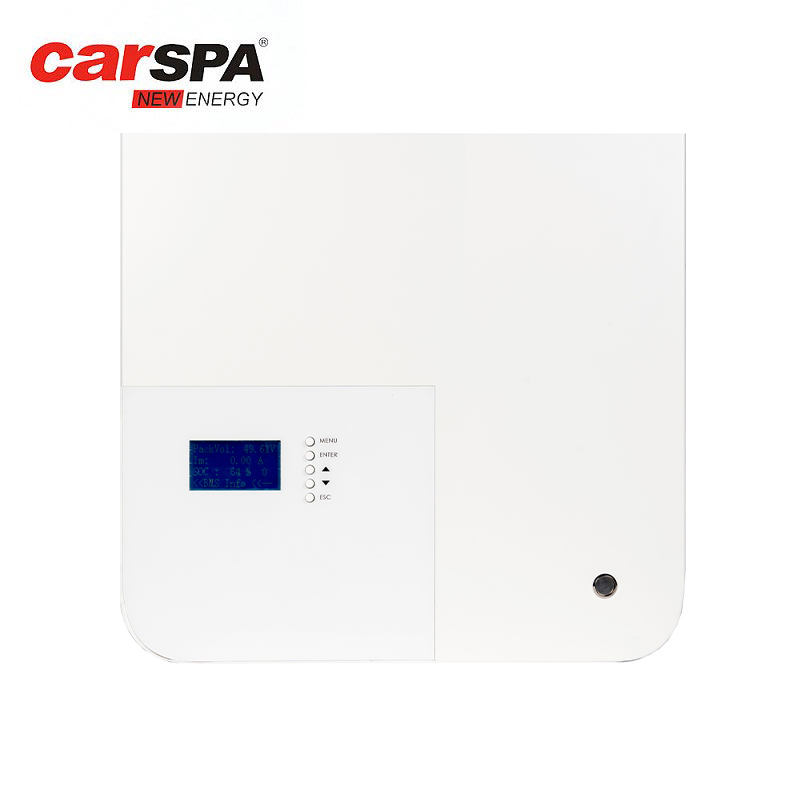
CARSPA develops Energy Storage solutions based on these principles, offering wall-mounted and stackable lithium battery systems designed to support practical applications through stable performance, scalable configuration, and reliable integration with modern energy architectures.