
What Makes Energy Storage a Core Component of Modern Outdoor Power Systems?
Introduction
Outdoor power systems operate in environments where stability cannot be taken for granted. Unlike controlled indoor installations, outdoor applications are exposed to fluctuating weather conditions, uneven energy availability, and varying load demands. From remote facilities and infrastructure equipment to outdoor installations that rely on continuous operation, power interruptions or voltage instability can quickly translate into performance degradation, system downtime, or increased maintenance costs. Under these conditions, ensuring a reliable and well-managed energy supply becomes a foundational requirement rather than an optional enhancement.
This is where Energy Storage plays a critical role. Instead of relying solely on real-time energy generation or direct grid access, energy storage systems provide a buffer between energy supply and energy consumption. They absorb excess power when generation exceeds demand and release stored energy precisely when external supply becomes unstable or unavailable. This capability allows outdoor systems to operate more predictably, even when environmental or grid conditions are less than ideal.
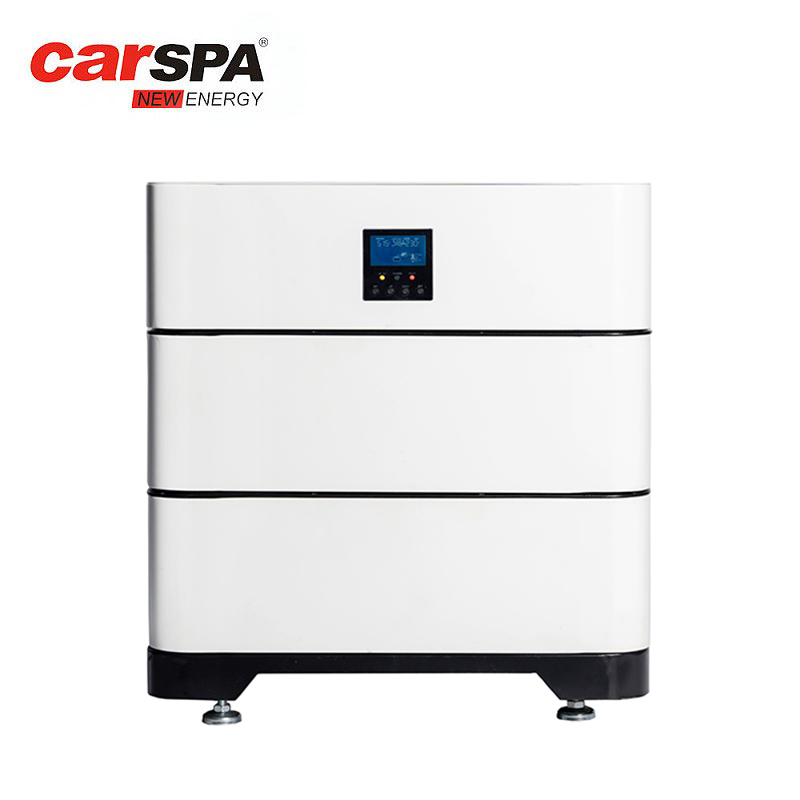
Beyond basic backup functionality, modern energy storage solutions are increasingly designed to support integrated and flexible power architectures. When paired with renewable sources such as solar energy, they enable outdoor installations to achieve greater energy independence, smoother power delivery, and improved utilization of available resources. At the same time, advancements in battery technology and system design have made it possible to deploy energy storage in compact, scalable formats that adapt well to diverse outdoor scenarios.
As outdoor energy demands continue to grow in scale and complexity, understanding how energy storage contributes to system reliability, adaptability, and long-term performance becomes essential. The following sections explore how energy storage supports outdoor applications from multiple perspectives, focusing on reliability, integration, design considerations, and scalable deployment strategies.
Why Is Energy Storage Essential for Power Reliability in Outdoor Environments?
Addressing unstable and unpredictable power conditions
Outdoor environments often face power challenges that are difficult to control. Grid connections may be weak or inconsistent, and in many locations, power infrastructure is either limited or completely unavailable. Even where grid access exists, voltage fluctuations, temporary outages, or load instability can occur due to distance from substations, weather events, or peak demand periods. Energy Storage helps stabilize these conditions by acting as an intermediate layer between the power source and the load, ensuring that equipment receives consistent and usable power.
Ensuring continuous operation for critical outdoor systems
Many outdoor applications depend on uninterrupted power to maintain functionality, safety, or operational efficiency. Sudden power loss can cause system resets, data interruption, or mechanical stress on connected equipment. By storing energy in advance, Energy Storage systems provide immediate support during supply interruptions, allowing outdoor installations to continue operating smoothly without relying solely on external power availability.
Reducing stress on primary power sources
Outdoor power systems often rely on generators or renewable sources that are sensitive to rapid load changes. Frequent start–stop cycles or sudden demand spikes can accelerate wear and reduce efficiency. Energy Storage absorbs these fluctuations by supplying short-term power during peak demand and recharging during low-load periods. This load-balancing effect improves overall system efficiency and extends the service life of primary power components.
Supporting reliable performance in harsh environments
Outdoor installations are exposed to temperature variations, humidity, dust, and other environmental factors that can affect electrical performance. A well-designed Energy Storage solution helps mitigate these risks by providing a stable internal power reserve that buffers sensitive equipment from external disturbances. This reliability becomes especially important in long-term outdoor deployments where maintenance access may be limited.

How Does Solar-Integrated Energy Storage Improve Outdoor Energy Independence?
Maximizing the usability of solar energy in outdoor settings
Solar energy is widely available in outdoor environments, but its output is naturally intermittent. Power generation varies with sunlight intensity, weather conditions, and time of day, which makes it difficult to rely on solar power alone for stable operation. Energy Storage bridges this gap by capturing surplus solar energy during peak generation periods and making it available when sunlight is insufficient. This allows outdoor systems to benefit from solar power more consistently rather than only when conditions are ideal.
Enabling off-grid and weak-grid operation
Many outdoor installations are located in areas where grid access is limited, unreliable, or economically impractical. In these scenarios, solar-integrated Energy Storage enables systems to operate independently of external power infrastructure. Stored energy ensures that critical loads remain powered during nighttime hours or extended periods of low solar output, reducing dependence on backup generators and minimizing operational disruption.
Improving energy efficiency and resource utilization
Without energy storage, excess solar power is often wasted when generation exceeds immediate demand. By storing this unused energy, Energy Storage systems significantly improve overall energy utilization. Outdoor applications can run more efficiently by aligning energy consumption with actual operational needs rather than real-time generation limits, leading to more balanced system performance across daily cycles.
Supporting long-term sustainability and cost control
Integrating solar energy with Energy Storage also contributes to more predictable energy planning. Reduced reliance on fuel-based backup systems lowers operating costs and minimizes maintenance requirements. Over time, this combination helps outdoor power systems achieve greater stability, reduced energy losses, and improved long-term reliability—key factors for installations designed to operate continuously in changing outdoor conditions.
What Design Factors Matter Most When Deploying Energy Storage Outdoors?
Adapting to environmental and climate conditions
Outdoor energy storage systems must be designed to operate reliably under a wide range of environmental conditions. Temperature fluctuations, humidity, dust, and occasional exposure to rain or direct sunlight can all affect system performance over time. Selecting energy storage solutions with suitable enclosure design, thermal management, and stable battery chemistry helps ensure consistent operation even in challenging outdoor environments. These considerations are especially important for installations intended to run continuously with limited on-site supervision.
Balancing installation flexibility and space efficiency
Outdoor sites often have space constraints or irregular installation surfaces. Energy Storage systems that support flexible mounting options—such as wall-mounted configurations or modular floor-based layouts—allow system designers to optimize available space without compromising accessibility. Compact form factors simplify integration into existing outdoor infrastructure, while clear layout planning supports safer installation and easier future maintenance.
Evaluating battery technology and lifecycle performance
Battery chemistry plays a significant role in determining how well an energy storage system performs outdoors over time. Long cycle life, stable charge–discharge behavior, and resistance to performance degradation are critical factors. Systems built around long-life battery technologies help reduce replacement frequency and maintain predictable capacity throughout years of operation, which is essential for outdoor deployments where servicing may be infrequent or logistically complex.
Planning for expansion and future system growth
Outdoor energy demand rarely remains static. As systems expand or operational requirements change, energy storage capacity often needs to scale accordingly. Designs that support modular expansion make it easier to increase storage capacity without redesigning the entire power system. This scalability ensures that outdoor energy storage installations remain adaptable, cost-effective, and aligned with long-term operational goals.
How Can Scalable Energy Storage Architectures Support Growing Outdoor Power Demand?
Responding to evolving outdoor energy requirements
Outdoor power demand often increases gradually rather than all at once. Initial installations may support basic loads, but as systems expand—whether through added equipment, longer operating hours, or higher performance requirements—energy demand grows accordingly. Scalable Energy Storage architectures allow systems to adapt to these changes without disrupting existing operations, ensuring that power capacity can evolve in step with real-world needs.
Leveraging modular and stackable system designs
Modern energy storage solutions increasingly adopt modular and stackable structures. This approach enables capacity expansion by adding battery modules instead of replacing entire systems. For outdoor environments, this flexibility is particularly valuable, as it simplifies installation, reduces downtime, and allows upgrades to be carried out with minimal on-site intervention. Modular design also improves redundancy, helping maintain system stability even during partial maintenance or component replacement.
Maintaining consistent performance across expanded systems
As storage capacity grows, maintaining uniform performance becomes critical. Scalable Energy Storage systems are designed to manage charge, discharge, and load distribution intelligently across multiple modules. This coordinated operation ensures balanced usage, prevents localized stress, and supports stable power delivery even as system size increases. For outdoor applications that demand long-term reliability, this consistency is essential to avoid performance gaps as systems scale.
Supporting long-term planning and investment efficiency
A scalable energy storage architecture supports phased investment strategies. Instead of oversizing systems at the initial stage, outdoor installations can begin with appropriately sized storage and expand only when demand justifies it. This approach improves capital efficiency while preserving the ability to meet future requirements. Over time, scalable Energy Storage helps outdoor power systems remain resilient, adaptable, and cost-effective.

Conclusion
Energy Storage has become a core component of reliable outdoor power systems, addressing challenges related to supply instability, environmental exposure, and evolving energy demand. By stabilizing power delivery, enabling effective solar integration, and supporting flexible system design, energy storage solutions help outdoor installations achieve consistent performance and long-term operational confidence.
With adaptable formats ranging from compact wall-mounted units to scalable stacked systems, modern Energy Storage architectures provide practical pathways for both initial deployment and future expansion. Solutions such as the wall-mounted CSPB-48V series and stackable CSPC configurations reflect this flexible approach, supporting stable energy management across diverse outdoor scenarios.
At the system level, well-designed energy storage contributes not only to reliability but also to smarter energy utilization and sustainable operation. As outdoor applications continue to demand higher performance and greater independence, CARSPA delivers energy storage solutions built to support dependable, scalable, and long-term outdoor power systems.


