
Why Is Energy Storage Essential for Modern, Solar-Integrated Power Systems?
Introduction
As power systems continue to evolve toward higher efficiency, flexibility, and resilience, Energy Storage has shifted from a supplementary solution to a foundational element of modern energy architecture. Today’s electrical environments face increasingly complex challenges, including fluctuating loads, intermittent renewable energy generation, and rising expectations for uninterrupted power availability. Under these conditions, relying solely on real-time power supply is no longer sufficient to ensure stable and predictable system operation.
Unlike traditional backup solutions, modern energy storage systems play an active role in how energy is managed. They capture excess power when generation exceeds demand and release stored energy precisely when it is needed, helping to smooth power fluctuations and reduce stress on upstream infrastructure. This capability is especially important in systems integrated with solar power, where energy production does not always align with consumption patterns.

Another critical shift lies in system design and deployment. Energy storage is no longer a one-size-fits-all concept; solutions now range from compact wall-mounted units for space-constrained installations to scalable, stackable systems designed to support growing power demands. Advances in battery chemistry, particularly LiFePO4 technology, have further enhanced safety, cycle life, and long-term reliability, making energy storage suitable for continuous and demanding operating environments.
Against this backdrop, understanding how energy storage supports system stability, safety, scalability, and solar integration has become essential for modern power planning. The following sections explore these aspects through key questions that reflect how energy storage is shaping smarter and more adaptable power systems.
Why Is Energy Storage Becoming a Core Component in Modern Power Systems?
Energy Storage is no longer positioned only as an emergency backup; it has become an integral part of how modern power systems are designed, balanced, and optimized. This shift is driven by changes in load behavior, energy sources, and expectations for operational continuity.

Managing Load Fluctuations More Effectively
Modern electrical systems rarely operate under steady loads. Equipment start-up currents, intermittent machinery operation, and varying usage patterns all introduce instability into the power network. Energy storage acts as a buffer between generation and consumption, absorbing excess energy during low-demand periods and supplying power instantly when demand spikes. This buffering effect helps maintain voltage stability and reduces sudden stress on power sources.
Reducing Dependence on Single Power Sources
Traditional systems often rely heavily on a single supply path, whether from the grid or a generator. Energy storage introduces an additional layer of flexibility by diversifying how power is supplied. When integrated correctly, stored energy can supplement or temporarily replace the primary source, allowing systems to continue operating smoothly even during supply interruptions or transitions.
Supporting More Predictable System Operation
Unstable power conditions do not always cause immediate failure, but they gradually degrade system performance and component lifespan. By smoothing power delivery and minimizing frequent on-off cycling of upstream equipment, energy storage contributes to more predictable and controlled system behavior. Over time, this leads to improved reliability, reduced maintenance pressure, and more consistent operational outcomes.
Enabling Smarter Power Architecture
As power systems grow more complex, system-level coordination becomes essential. Energy storage supports this evolution by enabling a more intelligent flow of energy across the system. Rather than reacting passively to power disturbances, systems equipped with energy storage can actively manage when and how energy is delivered, laying the foundation for safer, more adaptable, and future-ready power infrastructures.
How Does LiFePO4-Based Energy Storage Improve Safety and Long-Term Reliability?
Battery chemistry plays a decisive role in determining how an Energy Storage system performs over time, especially in applications that require frequent charging, long service life, and stable operation. Among available technologies, LiFePO4-based energy storage has gained widespread adoption due to its balanced performance across safety, durability, and consistency.
Enhanced Thermal and Chemical Stability
One of the key advantages of LiFePO4 chemistry lies in its inherent thermal stability. Compared with other lithium-based alternatives, LiFePO4 batteries are far less prone to overheating or thermal runaway under abnormal conditions such as overcharging, high ambient temperatures, or prolonged operation. This stability makes them well suited for installations where continuous operation and environmental adaptability are critical.
Consistent Performance Over Long Cycle Life
Energy storage systems are often subjected to repeated charge and discharge cycles, particularly in solar-integrated setups. LiFePO4 batteries are designed to maintain stable capacity and output even after thousands of cycles. This long cycle life reduces performance degradation over time, allowing systems to deliver predictable energy output throughout their service lifespan rather than experiencing rapid decline after initial deployment.
Lower Degradation Under Frequent Use
In real-world applications, energy storage rarely operates under ideal laboratory conditions. Partial charging, variable loads, and irregular usage patterns are common. LiFePO4 chemistry tolerates these conditions well, showing lower internal stress and slower aging compared to conventional battery types. As a result, systems remain reliable even in demanding operational environments.
Supporting Safer System-Level Design
Beyond the battery itself, LiFePO4 technology enables safer system integration. Its stable characteristics simplify protection design, reduce the likelihood of cascading failures, and improve overall system fault tolerance. This makes LiFePO4-based energy storage a dependable foundation for both compact installations and larger, scalable power systems.
What Makes Wall-Mounted Energy Storage Suitable for Space-Limited Installations?
In many modern power setups, available installation space is just as critical as electrical performance. Wall-mounted Energy Storage systems are designed to address this challenge by combining compact structure with practical flexibility, making them especially suitable for environments where floor space must be preserved.
Compact Design for Efficient Space Utilization
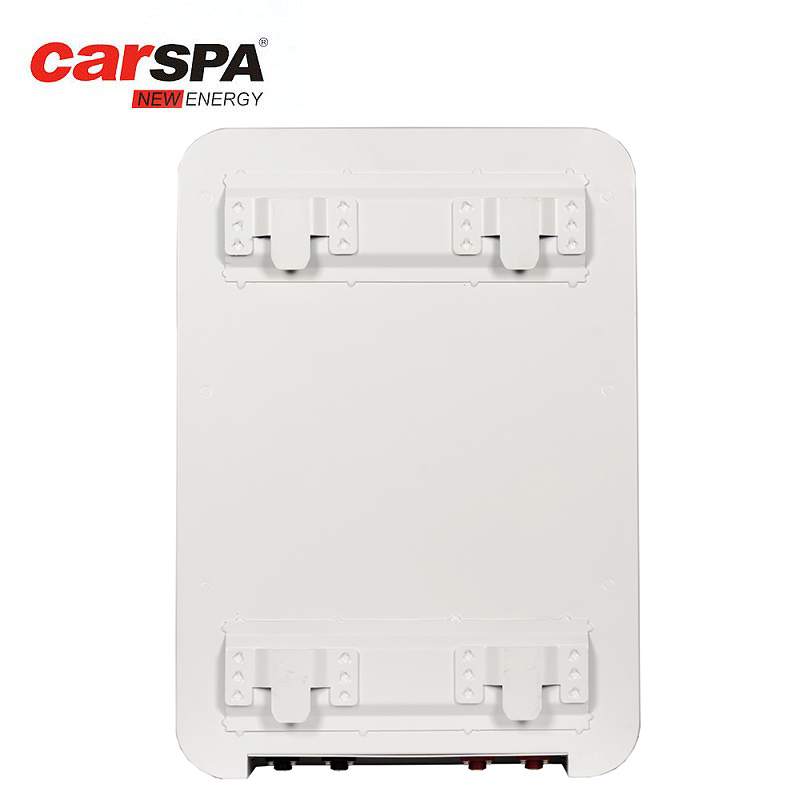
Wall-mounted energy storage units are engineered with a slim profile that allows them to be installed vertically on walls rather than occupying valuable ground area. This design is particularly beneficial in equipment rooms, utility spaces, and retrofit projects where layout constraints limit the use of large, floor-standing systems. By using vertical space efficiently, these systems enable clean and organized installations.
Flexible Installation and Easy Integration
Another advantage of wall-mounted energy storage lies in its adaptability to different site conditions. These systems can be positioned at varying heights and locations based on cable routing, ventilation requirements, and operational access. This flexibility simplifies integration with existing electrical infrastructure, reducing installation complexity and minimizing disruption to surrounding equipment.
External Battery Compatibility for Controlled Expansion
Despite their compact size, wall-mounted systems are not limited to fixed capacity. Many designs support external battery connections, allowing users to extend energy storage capacity when required. This approach offers a balance between space efficiency and scalability, enabling systems to grow gradually without major structural changes.
Optimized for Solar-Linked Applications
Wall-mounted energy storage is well suited for solar-integrated systems, where stable energy capture and discharge are essential. Its close proximity to inverters and solar controllers helps reduce wiring losses and improves overall system efficiency. This configuration supports smoother energy flow between solar generation, storage, and consumption, enhancing system responsiveness and reliability.
Why Are Stackable Energy Storage Systems Preferred for Scalable Power Demand?
As power requirements increase over time, flexibility in system expansion becomes a critical consideration. Stackable Energy Storage systems are designed to address this need by offering a modular structure that allows capacity to grow in step with demand, without requiring a complete system redesign.
Modular Architecture for Incremental Expansion
Stackable energy storage systems are built around independent battery modules that can be added or removed as needed. This modular approach allows users to start with a base capacity and expand gradually, aligning energy storage investment with actual power demand. Instead of oversizing a system at the initial stage, capacity can be increased efficiently as operating requirements evolve.
Structured Layer Design for Stability and Organization
The layered stacking structure provides both mechanical stability and clear system organization. Each layer is designed to connect seamlessly with the next, ensuring consistent electrical performance across the entire stack. This structured design simplifies installation, improves load distribution, and enhances long-term operational stability, especially in higher-capacity configurations.
High-Capacity Energy Storage in a Compact Footprint
By stacking vertically, these systems achieve high energy density without excessively increasing floor space usage. This makes them suitable for applications where higher storage capacity is required but available space remains limited. The result is a scalable solution that balances capacity growth with practical installation constraints.
Designed for Continuous and Long-Term Operation
Stackable energy storage systems are typically engineered for frequent cycling and extended service life. Combined with long-cycle battery technology, they support continuous operation with minimal performance degradation. This makes them well suited for environments where energy storage plays an ongoing role in daily power management rather than serving as an occasional backup.
How Does Energy Storage Support Smarter Integration with Solar Power Systems?
Solar power generation offers clean and renewable energy, but its output is inherently variable. Energy Storage plays a crucial role in transforming solar energy from an intermittent resource into a stable and reliable power supply by bridging the gap between generation and consumption.
Balancing Day–Night Energy Mismatch
Solar panels generate electricity primarily during daylight hours, while energy demand often extends well beyond this window. Energy storage captures excess solar power produced during peak sunlight and stores it for later use. This stored energy can then be released during evenings, cloudy periods, or low-generation intervals, ensuring a more balanced and continuous power supply.
Improving Solar Energy Utilization Efficiency
Without energy storage, surplus solar power may be underutilized or wasted when generation exceeds immediate demand. By storing excess energy instead of curtailing it, energy storage systems help maximize the usable output of solar installations. This improves overall system efficiency and allows more of the generated clean energy to be effectively consumed.
Enhancing System Autonomy and Stability
Energy storage adds an extra layer of independence to solar-powered systems. By reducing reliance on external power sources during short-term fluctuations, stored energy supports smoother transitions between operating states. This stability helps protect connected equipment from voltage swings and contributes to more predictable system performance.
Supporting Flexible and Future-Ready Solar Architectures
As solar systems evolve, energy storage enables greater flexibility in system design. Whether paired with compact wall-mounted units or expanded through stackable configurations, storage solutions allow solar installations to adapt to changing energy demands over time. This adaptability ensures that solar power systems remain effective, resilient, and scalable as requirements grow.
Conclusion
Energy storage has become an essential element in modern power systems, supporting stability, safety, scalability, and efficient solar integration. From compact wall-mounted solutions to modular stackable systems, energy storage enables smarter energy management and more resilient power architectures across a wide range of applications.
At the system level, CARSPA energy storage solutions are designed to align with these principles, offering reliable LiFePO4-based options that support flexible installation, long cycle life, and effective solar integration.


