
How Does a 1000 Watt Inverter for Car Deliver Reliable and Efficient Power for Camping?
Introduction
Outdoor camping has evolved far beyond simple tents and lanterns. Modern campers rely heavily on portable electronics, refrigeration units, lighting systems, communication devices, and small appliances to create a safer and more comfortable experience in remote environments. However, all of these conveniences depend on one essential element—reliable power. Vehicle batteries alone cannot provide stable AC electricity for most camping equipment, and traditional generators are often noisy, fuel-dependent, and inconvenient to transport.
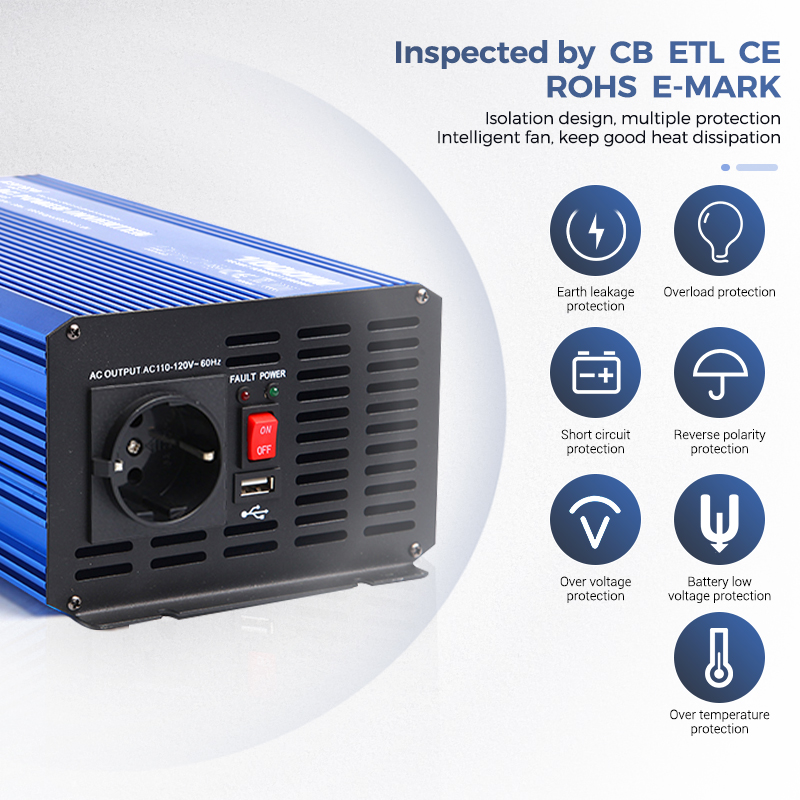
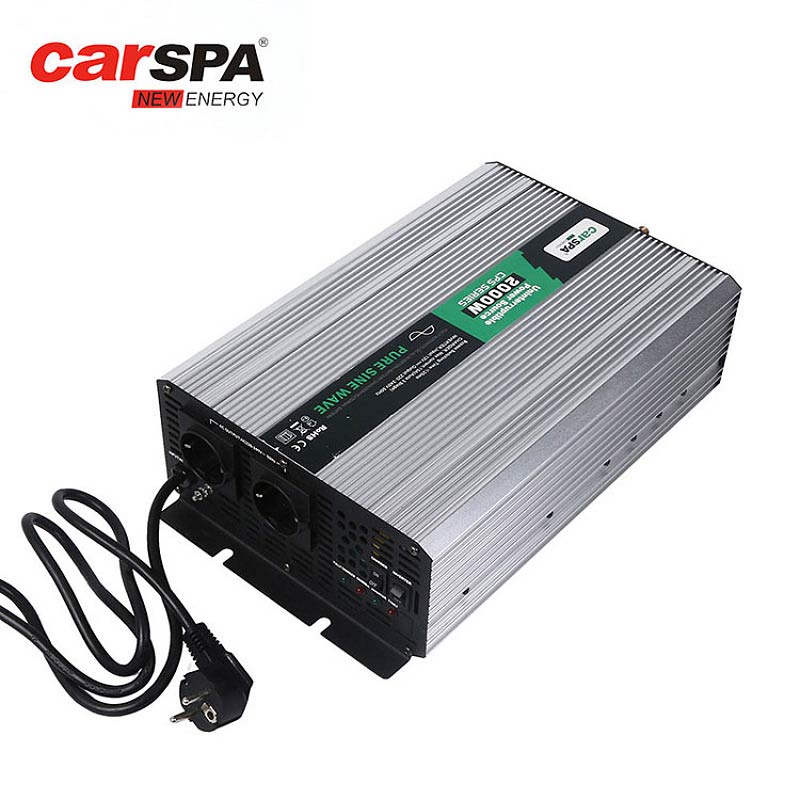
This is why a 1000 watt inverter for car has become a foundational power solution for today's outdoor trips. By converting a vehicle's DC supply into clean, usable AC power, a 1000W inverter supports a wide range of camping tools while maintaining quiet operation and high energy efficiency. Whether campers need to run cooling equipment during hot afternoons, power LED floodlights at night, or charge multiple devices simultaneously, a robust inverter ensures uninterrupted comfort without the limitations of grid access.
As outdoor activities expand in scale and complexity, the demand for dependable, versatile power systems continues to rise. Understanding how a 1000W car inverter functions, what it can support, and how to configure it properly helps camping teams maintain operational stability and make every trip more efficient and enjoyable.
What Power Challenges Do Outdoor Camping Setups Commonly Face?
Outdoor camping environments may appear simple on the surface, but the power requirements behind lighting, refrigeration, tools, and communication equipment can quickly become complex. Without proper power planning, campers may encounter multiple operational challenges that impact comfort, safety, and efficiency.

Limited Access to Stable AC Power Sources
Most campsites lack access to reliable AC outlets, forcing campers to rely solely on the vehicle battery or small portable power units. These sources often cannot support higher-wattage appliances, resulting in device interruptions or restrictions on what equipment can be used.
Inconsistent Energy Supply for Essential Devices
Camping setups typically include refrigerators, air pumps, lights, fans, cooking appliances, and communication gear. Many of these devices have different starting currents, voltage requirements, and surge demands, making it difficult to maintain stable operation without a proper inverter.
Increased Power Load During Evening and Nighttime Hours
When natural light fades, campers rely heavily on artificial lighting, charging stations, heaters, and small household appliances. The sudden increase in load can strain limited DC power sources, causing voltage drops or battery depletion if not properly managed.
Noise Restrictions and Environmental Considerations
Traditional fuel generators, although capable of supplying AC power, often create noise pollution and require continuous fuel management. This makes them unsuitable for quiet campsites, protected natural areas, or long-distance overland travel where minimal disturbance is preferred.
Safety Risks From Improper Power Use
Using DC power directly for AC appliances or relying on low-quality power converters may lead to overheating, short circuits, and unstable voltage. These issues not only reduce equipment lifespan but also pose safety threats in isolated outdoor environments.
A 1000 watt inverter for car directly addresses these challenges by offering clean, stable, and flexible AC power wherever the vehicle can reach. With the right inverter, camping teams gain the ability to operate multiple essential devices without relying on noisy generators or unstable makeshift power sources.
How Does a 1000 Watt Inverter for Car Deliver Stable and Versatile Power for Camping?
A 1000 watt inverter for car is engineered to convert a vehicle's DC battery supply into clean and usable AC power, enabling campers to run essential equipment with reliability and efficiency. Its performance advantages come from several technical design features that directly support outdoor operations.
High-Efficiency DC-to-AC Power Conversion
At the core of the inverter is an advanced conversion circuit that transforms 12V DC from the vehicle battery into stable 110V–240V AC output (depending on model).
This ensures camping appliances operate as they would at home.
High conversion efficiency reduces unnecessary energy loss, allowing longer runtime and lower battery consumption.
Pure Sine Wave Output for Sensitive Devices
Many high-quality 1000W inverters generate pure sine wave power.
This enables smooth operation of refrigerators, fans, LED lights, chargers, and communication tools.
Motor-driven and compressor-type devices start more easily, reducing stress on both the appliance and the inverter.
For camping scenarios with mixed electrical loads, pure sine wave output greatly improves system stability.
Support for Peak Surges and Variable Loads
Camping equipment often has higher startup demands than rated wattage.
A 1000W inverter typically supports 2000W peak power, allowing tools like air pumps, mini coffee makers, or portable coolers to start without tripping.
Load fluctuations are handled automatically, ensuring reliable performance even when multiple devices run simultaneously.
Multiple Output Interfaces for Flexible Use
Modern car inverters include AC outlets, USB ports, and sometimes Type-C fast charging.
Campers can power laptops, drones, power banks, cooking appliances, and lighting from one centralized source.
Multi-port design reduces the need for extra adapters or bulky extension cords in outdoor setups.
Built-In Safety and Protection Mechanisms
To ensure safe operation in unpredictable outdoor conditions, 1000W inverters integrate several layers of protection:
Over-voltage&under-voltage protection
Short-circuit and overload protection
Over-temperature shutdown
Cooling fans with intelligent speed control
These features maintain stable operation and prevent damage to batteries, wiring, and connected devices.
Quiet and Maintenance-Free Operation
Unlike fuel-based generators, a car inverter produces no exhaust, requires no refueling, and operates with very low noise.
This is ideal for quiet camping areas or night use.
The maintenance-free design allows campers to focus on the trip rather than power management tasks.
With its balance of efficiency, safety, and versatility, a 1000 watt inverter for car becomes a dependable backbone for camping power systems, ensuring continuous access to essential electricity wherever the road leads.
What Camping Devices Can a 1000W Car Inverter Support, and How Does It Enhance On-Site Convenience?
A 1000 watt inverter for car plays a central role in modern camping setups by powering a wide range of devices that elevate comfort, safety, and productivity outdoors. Its output capacity and stable AC waveform enable both essential and optional equipment to operate reliably in remote locations.
Reliable Power for Cooling and Food Storage Equipment
Keeping food fresh and drinks cool is a priority during extended camping trips.
A 1000W inverter can easily support:
Portable refrigerators and mini freezers
Electric coolers
Small ice makers
These devices maintain consistent performance thanks to the inverter's ability to handle compressor startup surges and provide smooth pure sine wave power.
Operation of Cooking and Heating Appliances
Campers often bring compact electric appliances for meal preparation or hot drinks.
Depending on the model, a 1000W inverter can power:
Electric kettles (low-wattage versions)
Small coffee makers
Portable induction warmers
Toasters or skillets with suitable wattage
These appliances allow campers to enjoy warm meals even when far from traditional utilities.
Support for Air Pumps, Fans, and Ventilation Tools
Outdoor comfort often depends on airflow and equipment inflation.
A 1000W power inverter can run:
Air pumps for mattresses, kayaks, or tent structures
Portable fans
Compact ventilation blowers
These tools ensure quick setup and maintain comfort in hot or enclosed environments.
Charging Electronics and Essential Communication Devices
One of the most valuable functions of a car inverter is keeping communication and navigation equipment powered. Supported devices include:
Smartphones and tablets
Laptops and portable workstations
Walkie-talkies and communication radios
GPS units and drones
With multiple AC and USB outputs, the inverter acts as a centralized charging hub for the entire campsite.
Lighting Systems for Nighttime Safety and Visibility
Campers rely heavily on lighting after sundown, especially in wooded or remote areas.
A 1000W inverter can sustain:
LED floodlights
String lighting for camp areas
Task lights for cooking or repairs
These lighting systems significantly improve visibility and ensure nighttime activities remain safe and efficient.
Enhancing On-Site Convenience Through Centralized Power
By enabling multiple devices to run from one vehicle-based power source, a 1000W inverter streamlines the entire camping experience:
Reduces dependency on separate power banks
Minimizes the need for noisy generators
Allows simultaneous operation of essential tools
Supports longer stays in off-grid environments
In short, it transforms any campsite into a functional, electrically supported workspace and living area—ideal for modern, equipment-rich outdoor adventures.
How Should Users Choose and Configure a 1000W Car Inverter to Maximize Outdoor Performance?
Selecting and setting up a 1000 watt inverter for car is crucial for achieving stable, long-lasting, and safe power output during camping trips. The right configuration ensures that the inverter delivers its full potential while protecting both the vehicle battery and connected devices.
Choose Between Pure Sine Wave and Modified Sine Wave Output
The waveform determines which appliances can operate smoothly.
Pure sine wave inverters are ideal for refrigerators, compressors, fans, laptops, and sensitive electronics because they replicate household-quality AC power.
Modified sine wave inverters can power basic resistive loads but may cause noise, heat, or inefficiency in motor-driven equipment.
For camping setups with varied devices, pure sine wave is generally the safer and more compatible choice.
Evaluate Battery Capacity and Power Supply Requirements
A 1000W inverter draws significant current from a vehicle battery.
Deep-cycle batteries or dual-battery systems are recommended for long-duration use.
Users should ensure proper alternator charging if running the inverter during driving.
Short, thick cables reduce voltage drop and improve conversion efficiency.
Proper battery planning helps prevent premature battery drain during extended camping.
Check Load Types and Surge Demands of Camping Devices
Many camping tools require extra power during startup.
Devices like air pumps, coolers, or kettles may temporarily exceed their rated wattage.
Ensure the inverter supports surge power of at least 2000W to handle these spikes.
Matching inverter capacity to real-world loads prevents shutdowns and protects the internal circuitry.
Install the Inverter in a Safe, Ventilated Location
Heat buildup reduces inverter lifespan and can lead to automatic shutdown.
To optimize performance:
Mount the inverter in a cool,dry location inside the vehicle cabin or trunk.
Avoid placing it near sleeping areas due to fan noise.
Keep air vents free from dust, fabric, or camping gear.
Good ventilation ensures sustained output even during heavy use.
Use Appropriate Cables, Fuses, and Connection Points
Electrical safety is essential during camping trips.
Always use manufacturer-recommended cables and fuse ratings.
Secure all connections tightly to prevent overheating.
Attach the inverter directly to the battery terminals whenever possible.
These steps minimize electrical resistance and maintain stable AC output.
Understand Operational Limits for Battery Protection
Running high-power loads for too long can drain the vehicle battery.
To avoid power failure:
Respect the inverter's continuous power rating.
Monitor battery voltage using built-in displays or indicators.
Avoid running the inverter for extended periods when the engine is off.
These best practices extend both inverter life and battery lifespan.
With proper selection and configuration, a 1000 watt inverter for car becomes a dependable and efficient power source for camping, supporting everything from lighting to cooling equipment with minimal maintenance.
Why Does a High-Quality 1000 Watt Car Inverter Improve Safety and Reliability During Camping Trips?
A 1000 watt inverter for car is more than just a power source—it is a safety component that ensures outdoor equipment runs smoothly while protecting users, batteries, and connected devices. High-quality inverters incorporate multiple engineering safeguards designed specifically for demanding off-grid environments.

Stable Voltage Output Protects Sensitive Electronics
Camping often involves powering communication devices, navigation equipment, drones, laptops, and LED systems.
High-quality inverters deliver consistent voltage with minimal fluctuation.
This prevents damage to precision electronics that may fail under unstable or noisy power conditions.
Stable power is especially crucial in remote locations where replacement or repair is not possible.
Multiple Protection Layers Reduce Electrical Risks
Well-designed 1000W inverters include a series of built-in protective mechanisms:
Overload protection to prevent overheating or shutdown under excessive load
Short-circuit protection to avoid dangerous electrical faults
Over-temperature protection activated by smart cooling fans
Low-voltage protection to stop the inverter before the vehicle battery is drained
These features collectively reduce the likelihood of power accidents at the campsite.
Efficient Thermal Management Ensures Long-Term Operation
Outdoor environments expose equipment to heat, dust, and prolonged operation.
High-quality car inverters use:
Intelligent fan control
Optimized heat sinks
Temperature-responsive circuitry
This prevents thermal buildup and maintains safe internal temperature levels, ensuring uninterrupted use even with heavier loads.
Pure Sine Wave Output Reduces Stress on Motors and Compressors
Many camping devices—such as refrigerators, pumps, and air coolers—contain motors that require smooth waveform input.
Pure sine wave power reduces mechanical vibration.
It prevents excessive heat generation in coils and compressors.
It extends the lifespan of appliances used in the field.
This contributes significantly to both safety and long-term equipment reliability.
Reduced Fire and Wiring Risks Through Proper Engineering
Inferior inverters can suffer from cable overheating or internal component failure.
High-quality models mitigate these risks through:
Reinforced internal PCB layout
High-current connectors
Proper fuse integration
UL-grade materials for insulation and casing
These elements ensure safer operation, especially when running heavy loads like lighting systems or portable heaters.
Consistent Power Availability Enhances Overall Camping Safety
Reliable power means:
Lights stay on during emergency situations
Communication devices remain charged
Cooling units continue running during high-temperature periods
Safety sensors and monitoring devices maintain operation
A dependable 1000W inverter becomes a core safety asset, ensuring campers can respond quickly to unexpected conditions.
High-quality engineering directly translates into safer, more stable camping operations—making a 1000 watt inverter for car an indispensable component for modern outdoor activities.
Conclusion
As outdoor camping evolves with more advanced tools, electronics, and comfort-oriented equipment, the need for dependable off-grid power becomes increasingly essential. A 1000 watt inverter for car delivers the stability, flexibility, and safety required to support modern camping demands—whether powering refrigerators, lighting systems, communication devices, cooking appliances, or various setup tools. By providing clean AC output, supporting surge loads, and incorporating comprehensive protection mechanisms, a high-quality inverter ensures that every camping trip remains efficient, comfortable, and secure.
Choosing the right inverter, configuring it correctly, and selecting models with reliable engineering features allows campers to maximize performance while protecting both their vehicle and equipment. For those seeking professional-grade reliability and long-term durability in outdoor environments, solutions from CARSPA offer a trusted foundation for building a stable and versatile camping power system.



.jpg)


.jpg)
.jpg)
.jpg)
.jpg)
.jpg)

.jpg)
.jpg)
.jpg)
.jpg)
.jpg)
.jpg)