
How a 1000 Watt Power Inverter Supports Reliable Marine Power Systems
Introduction
In marine operations, maintaining a stable and dependable electrical supply is essential for ensuring that onboard systems function smoothly. From navigation displays and communication terminals to lighting circuits and small onboard appliances, vessels rely heavily on continuous power availability. However, because most marine electrical systems operate on DC battery banks, many essential devices require AC power to run efficiently. This creates a clear need for a reliable 1000 watt power inverter capable of converting stored battery energy into clean, usable AC output.

As modern vessels incorporate more electronic equipment—such as GPS units, fish finders, radar screens, refrigeration units, and emergency tools—the quality and stability of the onboard power conversion system become increasingly critical. A 1000 watt power inverter provides the right balance of capacity, efficiency, and versatility for a wide range of medium-demand devices commonly found on small to mid-sized boats.
Beyond meeting daily electrical needs, a well-designed inverter also contributes to operational safety, equipment longevity, and optimized power consumption. This makes selecting the right inverter an important step for vessel operators who aim to enhance reliability while navigating diverse marine conditions. The following sections explore how a 1000 watt power inverter functions within marine systems, the features that ensure dependable performance, and how users can choose the most suitable inverter for their vessels.
How Does a 1000 Watt Power Inverter Support Essential Electrical Needs on Marine Vessels?
A 1000 watt power inverter plays a central role in supplying AC electricity for daily operations on marine vessels. Because most boats rely on DC battery systems as their primary onboard power source, an inverter ensures that essential electronic and electrical devices can function just as reliably as they would on land. Its capacity is well-suited for small to medium-scale loads, making it a common and strategic choice in marine environments.
Modern vessels depend on an array of electronic tools that require stable AC power. GPS displays, chart plotters, satellite communication devices, and depth or fish finders operate more accurately when connected to a clean AC supply. A high-quality 1000 watt power inverter ensures that these devices receive consistent voltage output, reducing the risk of signal interruptions or sudden shutdowns during critical operations.
Powering Cabin Lighting and Essential Electrical Circuits
Beyond navigation, daily life on board requires a dependable power supply for interior and exterior lighting, small fans, monitors, and control panels. While many of these systems are energy-efficient, they still require a stable AC feed, especially when operated for long durations. The inverter smooths out fluctuations from the DC source, ensuring reliable illumination and control functions throughout the vessel.
Running Small Appliances and Onboard Comfort Equipment
Many vessels integrate small appliances that directly enhance comfort and habitability—such as portable refrigerators, chargers for personal electronics, radios, or compact water pumps. A 1000 watt inverter provides enough power for these loads without overstraining the battery bank. Its ability to support multiple mid-power devices simultaneously helps operators maintain a balanced electrical environment even during extended trips.
Enabling Hybrid Power Configurations on Marine Systems
Marine electrical systems often combine multiple power sources, including battery banks, shore power, alternators, or solar panels. A 1000 watt power inverter becomes the bridge that allows DC and AC systems to work together efficiently. It facilitates seamless transitions between different energy inputs and ensures that vital equipment remains continuously powered even when the vessel is away from dockside connections.
What Features Make a 1000 Watt Power Inverter Reliable for Marine Environments?
Marine environments present unique challenges to electrical equipment—high humidity, vibration, temperature shifts, salt exposure, and continuous operation. A 1000 watt power inverter designed for marine use must incorporate specific features that enhance durability, stability, and long-term reliability. The following factors determine whether an inverter can perform consistently under demanding vessel conditions.
Corrosion-Resistant Construction for Salt-Rich Conditions
Saltwater exposure and moisture can quickly degrade electronic components. Marine-grade inverters typically use sealed enclosures, anti-corrosion coatings, and stainless steel hardware to prevent rust and internal oxidation. This ensures that the inverter maintains stable performance even after prolonged use in open-sea conditions, where salt particles frequently settle on exposed equipment.
Stable Waveform Output for Sensitive Electronics
Many navigation and communication devices require clean and precise AC power. Pure sine wave output is especially important for equipment like radar screens, GPS modules, sonar sensors, and autopilot systems. A pure sine wave 1000 watt power inverter prevents electrical noise, signal distortion, and unexpected shutdowns—issues that are common with low-quality or modified sine wave units.
Enhanced Temperature & Vibration Resistance
Marine vessels encounter constant movement, vibration from engines, and varying temperature ranges between cabin and deck areas. A reliable marine inverter integrates high-grade internal components, reinforced PCB design, and heat-optimized cooling systems. These features help the unit withstand continuous vibration and maintain efficient operation even in compact compartments with limited airflow.
Advanced Safety Protection for Unpredictable Load Conditions
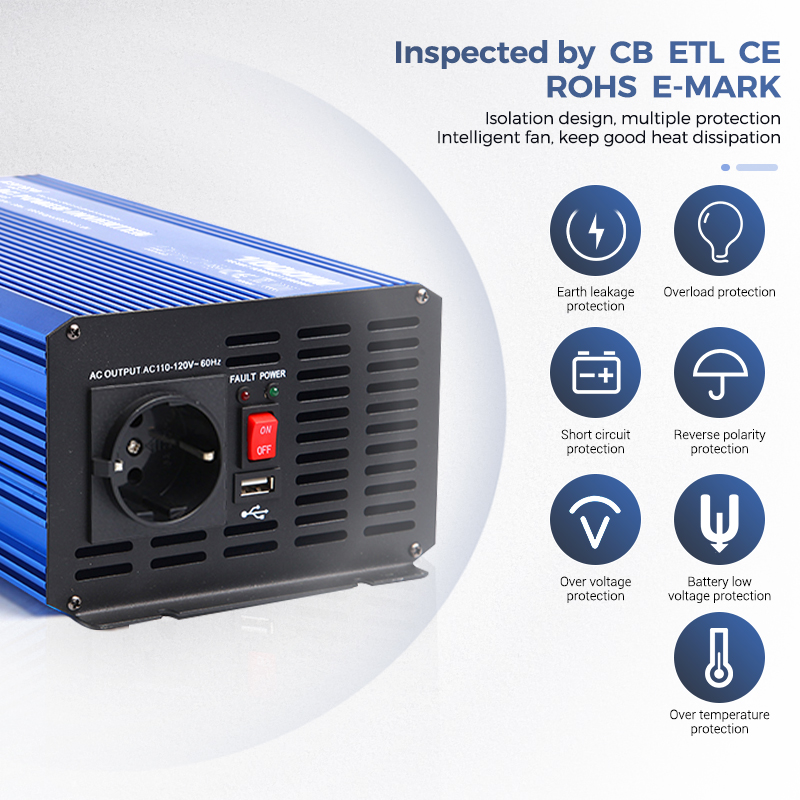
Onboard power systems frequently experience sudden surges, fluctuating loads, or temporary overloads. Built-in safety features—such as over-voltage protection, under-voltage alarm, short-circuit shutdown, and thermal overload safeguards—are essential. These protections prevent damage to both the inverter and the connected devices, reducing the risk of operational interruptions or electrical hazards.
Energy Efficiency for Long-Duration Marine Operation
Because vessels often rely on limited battery reserves, efficiency becomes a critical performance factor. A well-designed 1000 watt power inverter minimizes power loss during DC-AC conversion, helping extend battery life and reduce unnecessary strain on the vessel’s power system. This ensures longer operation time, especially on offshore journeys or overnight anchoring scenarios.
How Can a 1000 Watt Power Inverter Improve Safety and Efficiency in Marine Power Systems?
A 1000 watt power inverter does more than supply AC electricity—it also strengthens the overall safety, stability, and efficiency of marine electrical systems. By ensuring smooth power conversion and incorporating intelligent protection mechanisms, the inverter becomes a key component in maintaining reliable onboard operations under diverse sea conditions.
Ensuring Secure Power Conversion Through Protective Mechanisms
Marine vessels often face unpredictable electrical events, such as sudden load spikes, battery fluctuations, or equipment startup surges. A high-quality inverter includes layered protection—overload shutdown, low-voltage alarms, short-circuit protection, and reverse polarity safeguards. These features protect not only the connected devices but also the vessel’s battery system, reducing potential failures that could compromise safety during navigation.
Maintaining Stable AC Output for Critical Marine Electronics
Essential marine equipment—radar systems, navigation screens, sensors, and radio communication units—requires uninterrupted and clean power. An inverter with a stable pure sine wave output helps minimize signal interference, prevents screen flickering, and avoids unexpected resets. This stability is particularly important during night operations, low-visibility situations, or when multiple systems are running simultaneously.
Improving Energy Utilization in Hybrid Power Setups
Marine electrical systems often draw from several power sources: onboard batteries, alternators, shore power, or solar PV modules. A 1000 watt power inverter helps manage this multi-source configuration by efficiently converting available DC power into usable AC output. Its high conversion efficiency reduces wasted energy and extends operating time, making it ideal for long journeys, fishing trips, or emergency standby periods.
Supporting Safety-Critical Devices During Emergencies
Unexpected situations such as engine failure, low battery levels, or communication system faults require reliable backup power. An inverter ensures that essential emergency devices—work lights, handheld radio chargers, bilge pumps, and compact medical devices—remain operational when needed. Its ability to instantly deliver consistent power strengthens a vessel’s readiness for unforeseen events.
Reducing Heat and Electrical Stress on Marine Equipment
Poor-quality power conversion can introduce heat buildup, voltage oscillation, or irregular electrical flow. These conditions accelerate wear on marine electronics. A well-engineered 1000 watt inverter minimizes harmonic distortion and maintains consistent voltage output, reducing internal stress on connected equipment and helping extend their operational lifespan.
What Should Vessel Operators Consider When Choosing a 1000 Watt Power Inverter?
Selecting the right 1000 watt power inverter is crucial for ensuring compatibility, safety, and performance within a marine electrical system. Because vessels operate in demanding environments and rely on highly sensitive equipment, every decision—from waveform type to installation layout—can significantly influence onboard stability and long-term reliability.

Choosing Between Pure Sine Wave and Modified Sine Wave Output
The most important decision is selecting the appropriate waveform. Pure sine wave inverters provide clean, smooth AC power identical to shore electricity. This is essential for sensitive devices such as navigation monitors, radar systems, autopilot controls, and communication equipment. Modified sine wave inverters may power simple loads but are not recommended for marine electronics, as they can introduce noise, overheating, or malfunction. For most vessels, a pure sine wave 1000 watt inverter is the optimal choice.
Evaluating Compatibility With Onboard Electrical Systems
Marine vessels use different battery configurations—often 12V or 24V banks. The inverter must match the vessel’s DC input to ensure efficient power conversion and prevent battery stress. Operators should also consider the surge capacity of the inverter to accommodate devices with high startup currents, such as pumps or refrigerators.
Assessing Installation Environment and Thermal Management
The marine environment presents unique constraints, including moisture exposure, tight compartments, and limited ventilation. A suitable inverter should feature a sturdy enclosure, efficient heat dissipation, and internal temperature control systems. Proper installation spacing and airflow planning help maintain stability during long-duration operation.
Ensuring Protection Features and Certification Compliance
Quality inverters include built-in safety layers—overload protection, thermal shutdown, anti-reverse connection safeguards, and low-voltage alarms. Additionally, marine operators should check for certifications that validate the inverter’s performance and durability under maritime conditions. These protections ensure safer operation and reduce maintenance risks.
Considering Integration With Auxiliary Power Sources
Many vessels incorporate hybrid power setups involving solar modules, alternators, or shore charging systems. An inverter that can seamlessly integrate into these configurations enhances operational flexibility. Features such as automatic transfer switching, solar compatibility, or smart energy management improve overall system coordination.
Reviewing Noise Levels and Overall Energy Efficiency
Some inverters produce noticeable fan noise or electrical hum, which may affect comfort during overnight trips or confined cabin stays. Energy efficiency is equally important, as it directly affects battery life and usable operating hours. Choosing an inverter with optimized conversion efficiency ensures better performance during both active navigation and anchored stays.
Conclusion
A 1000 watt power inverter plays an indispensable role in modern marine systems by ensuring that vessels have access to stable, reliable AC power wherever they operate. From supporting navigation screens and communication tools to powering essential cabin equipment and emergency devices, the inverter enhances both operational functionality and safety at sea. Its ability to deliver clean power, manage fluctuating loads, and integrate with diverse onboard energy sources makes it a key component in maintaining efficiency during long journeys or offshore activities.
Selecting the right inverter requires careful consideration of waveform quality, environmental resistance, protection features, and compatibility with the vessel’s existing power infrastructure. When these factors are aligned, operators gain not only dependable performance but also extended equipment lifespan and improved overall electrical stability.
For vessel owners seeking a dependable solution, marine-grade inverters from CARSPA provide the performance, protection, and durability needed to meet the challenges of modern marine operations.


.jpg)
.jpg)
.jpg)
.jpg)
.jpg)
.jpg)


