How Do Solar Panels Improve the Performance and Reliability of Modern Solar Systems?
Introduction
Solar energy has become one of the most dependable and scalable solutions for modern power needs, especially as organizations look for clean, stable, and long-term alternatives to traditional electricity sources. A well-designed solar system—built around high-quality solar panels—offers consistent performance across residential, commercial, and industrial settings. By converting sunlight into usable power with minimal operating costs, solar systems help reduce energy expenses while improving overall power reliability.
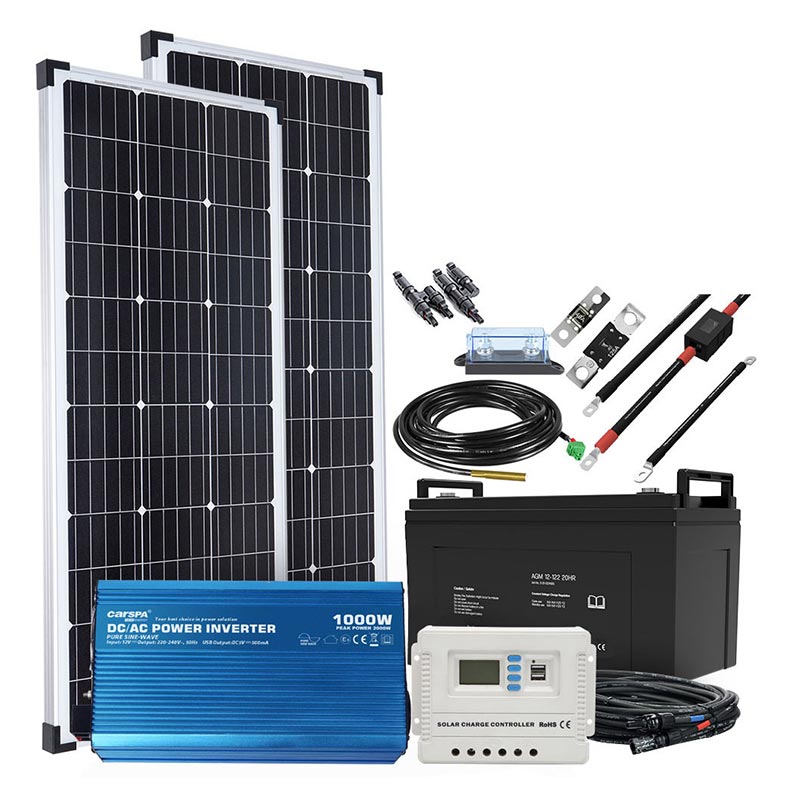
Today’s solar systems are no longer simple panel arrays placed under the sun. They involve integrated components such as controllers, batteries, inverters, and monitoring devices that work together to deliver efficient and stable energy output. As demand grows across different climates and regions, choosing the right solar panels and matching them with a properly engineered solar system has become a key factor in achieving long-term efficiency and performance.
This article explores how solar panels shape the foundation of a solar system, how different system types meet various application needs, and what design considerations ensure dependable operation. It also outlines essential components and practical optimization steps to help you build a solar system that performs reliably for years—concluding with a brief mention of CARSPA, a trusted name in solar power solutions.
How Do Solar Panels Form the Foundation of a Modern Solar System?
Solar panels are the core element of any solar system, responsible for converting sunlight into usable electrical energy. Their efficiency, quality, and configuration directly determine the overall performance and long-term reliability of the entire system. Understanding how solar panels function and what affects their output is essential when planning an effective solar solution.
What Role Do Solar Panels Play in Power Conversion?
Solar panels capture sunlight through photovoltaic (PV) cells and convert it into direct current (DC) electricity. This DC power becomes the primary input for the system’s controller, battery storage, or inverter. The more efficient the solar panel, the more power the system can generate from the same amount of sunlight, making panel selection a critical design factor.
What Types of Solar Panels Are Commonly Used?
Different applications require different solar panel technologies:
Monocrystalline panels deliver high efficiency and are ideal for limited-space installations.
Polycrystalline panels offer a cost-effective balance between performance and price.
Thin-film panels are lightweight and suitable for structures where weight or flexibility matters.
Each option influences system output, installation method, and long-term cost.
How Do Efficiency and Durability Affect System Performance?
Solar panel efficiency determines how much energy can be generated under the same sunlight conditions. Durability, meanwhile, ensures stable operation over years of heat, dust, moisture, and UV exposure. Panels with higher energy conversion rates, robust frames, and strong weather resistance typically deliver lower lifetime costs and require less maintenance.
Why Does Panel Placement and Orientation Matter?
The angle, direction, and shading conditions surrounding the panels significantly impact energy production. Proper positioning maximizes sun exposure throughout the day and across seasons. Even minor shading—like a nearby building or tree—can reduce output substantially, making early site assessment and layout planning essential.
What Types of Solar Systems Work Best with Different Solar Panel Setups?
Solar systems come in several configurations, each designed to meet specific operational needs and environmental conditions. The choice of solar panel type—monocrystalline, polycrystalline, or thin-film—often determines which system structure will deliver the best performance. By matching panel characteristics with the right system setup, users can achieve greater efficiency, stability, and long-term energy output.
Matching Solar Panels with Off-Grid Systems
Off-grid systems rely heavily on battery storage and charge controllers, making solar panel efficiency and consistency extremely important.
High-efficiency monocrystalline panels are ideal because they generate more energy in limited sunlight and support continuous charging.
These systems benefit installations in remote areas, rural facilities, or mobile applications where grid access is unavailable.
Since off-grid setups depend entirely on solar production, panels must offer reliable performance even under fluctuating weather conditions.
How Solar Panels Support Grid-Tied System Performance
Grid-tied systems work directly with the public utility grid, reducing reliance on local battery storage.
Polycrystalline panels are frequently used due to their cost-effectiveness and stable performance in sunny regions.
Energy generated by the panels can be consumed immediately or fed back into the grid to offset electricity bills.
This configuration is suitable for commercial buildings, warehouses, offices, and properties with stable long-term grid access.
When Are Hybrid Solar Systems the Best Choice?
Hybrid systems combine the strengths of both off-grid and grid-tied setups.
They typically use high-efficiency panels paired with robust battery storage and advanced controllers.
Hybrid systems excel in locations with unstable utility grids, variable sunlight conditions, or facilities requiring uninterrupted power.
By supporting both energy storage and grid interaction, hybrid systems ensure smooth operation even during peak demand or unexpected outages.
Considering Climate and Installation Environment
Solar panel selection should always consider temperature, dust levels, humidity, and available roof or ground space.
Thin-film panels may be preferred in extremely hot regions due to better heat tolerance.
Compact,high-output monocrystalline panels are useful where space is limited.
Matching environmental conditions with the correct system type ensures stable year-round performance.
How Should You Plan and Design a Solar System Around the Right Solar Panels?
Designing a high-performing solar system requires more than selecting panels—it involves coordinating capacity, environment, installation structure, and supporting components. A well-planned system ensures stable power delivery, reduces long-term costs, and maximizes the output of your solar panels.
Evaluating Energy Demand and System Capacity
Before choosing solar panels or sizing the system, it is essential to understand the daily and peak energy requirements.
Identify base loads and critical loads to determine real consumption patterns.
Calculate system capacity based on the expected sunlight hours in your region.
Accurate capacity planning prevents power shortages and helps optimize the investment in solar panels and storage.
Assessing Sunlight Conditions and Environmental Factors
Environmental conditions directly impact solar panel performance.
Sun exposure: Urban shadows, roof angles, seasonal variations, and weather patterns will influence design choices.
Temperature: High heat reduces solar panel efficiency, making ventilation and airflow planning important.
Dust and humidity: Areas with sand, industrial dust, or coastal moisture may require more durable modules and regular cleaning.
Evaluating these factors early helps ensure that the chosen panel type can maintain stable output throughout the year.
Choosing the Right Panel Type and Configuration
Different panel technologies offer different strengths, and the system design should match their characteristics.
High-efficiency monocrystalline panels are suitable for space-limited or high-demand systems.
Polycrystalline panels provide balanced performance where ample installation area is available.
Thin-film panels excel on lightweight structures or high-temperature sites.
Panel configuration—series, parallel, or mixed—must match the controller and inverter specifications to maintain optimal voltage and current levels.
Designing the Installation Layout for Maximum Output
Proper layout planning ensures that solar panels operate efficiently.
Determine the ideal tilt and orientation based on geographical latitude.
Avoid shading from buildings, trees, antennas, or equipment.
Maintain adequate spacing for airflow to prevent overheating.
Well-designed layouts can increase overall system performance by 10–20%.
Integrating Controllers, Batteries, and Inverters
A solar system performs best when its electrical components work together harmoniously.
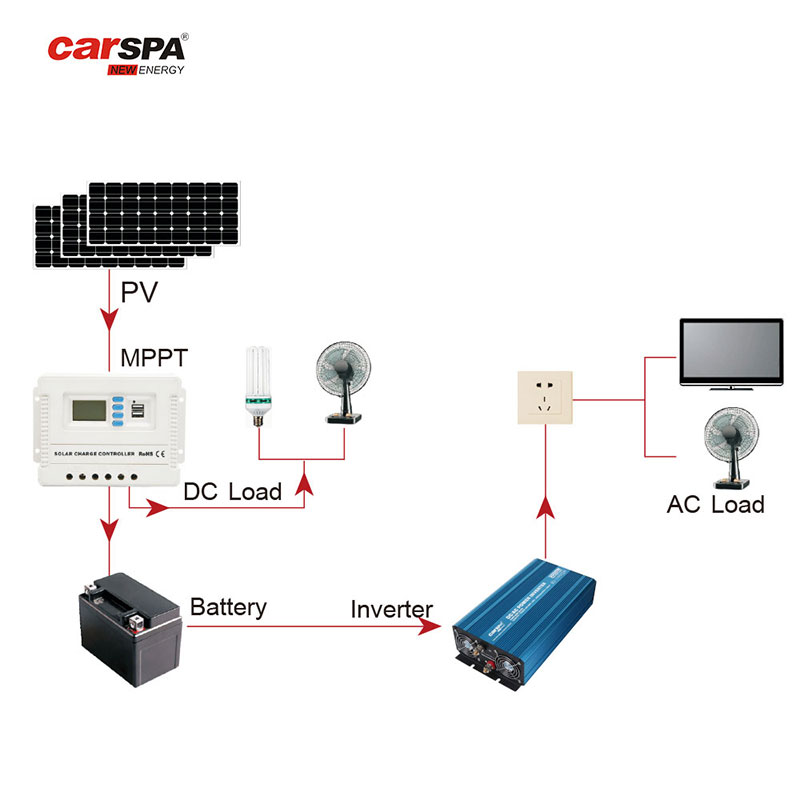
Controllers regulate charging and protect the battery from overcharge or deep discharge.
Inverters convert DC to AC with stable sine-wave output suitable for equipment and appliances.
Battery banks ensure continuous power during nighttime or low-sun periods.
Choosing compatible components reduces energy loss, enhances reliability, and increases the lifespan of the entire system.
What Key Components Ensure Stable and Efficient Operation in a Solar System?
A solar system relies on more than just solar panels to operate reliably. Several essential components work together to manage energy flow, protect equipment, and maintain consistent performance. Understanding these components helps ensure that the entire system performs efficiently under various operating conditions.
Solar Charge Controllers for Safe and Optimized Charging
The charge controller regulates the power generated by solar panels before it reaches the battery bank.
PWM controllers provide steady, cost-effective charging suitable for smaller systems.
MPPT controllers capture more energy by tracking the maximum power point of the solar panels, improving overall efficiency.
Charge controllers also prevent overcharging, reverse current flow, and battery damage, making them a critical part of system stability.
Inverters for Converting DC to Usable AC Power
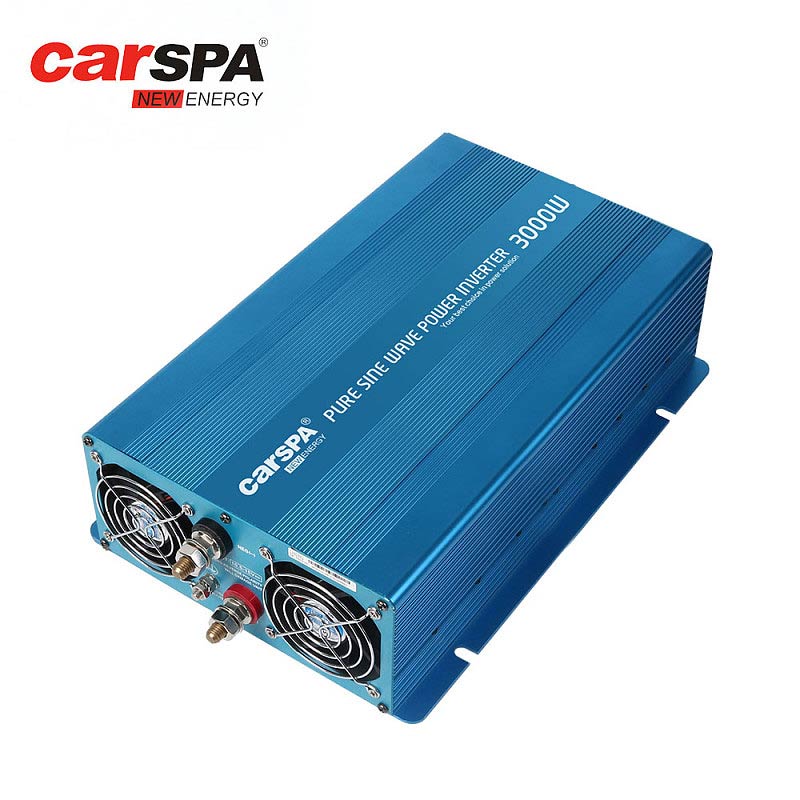
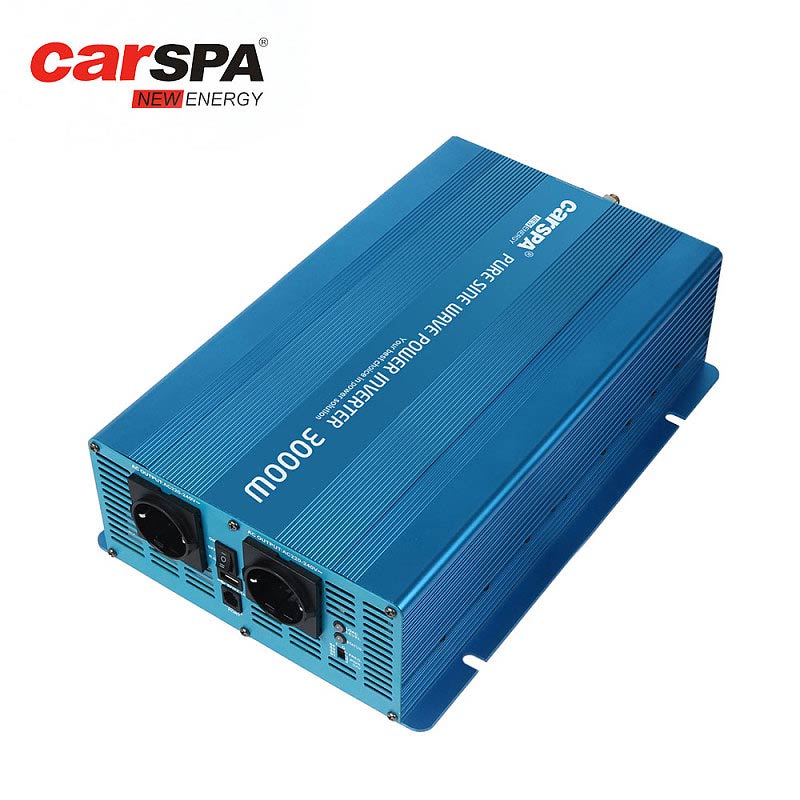
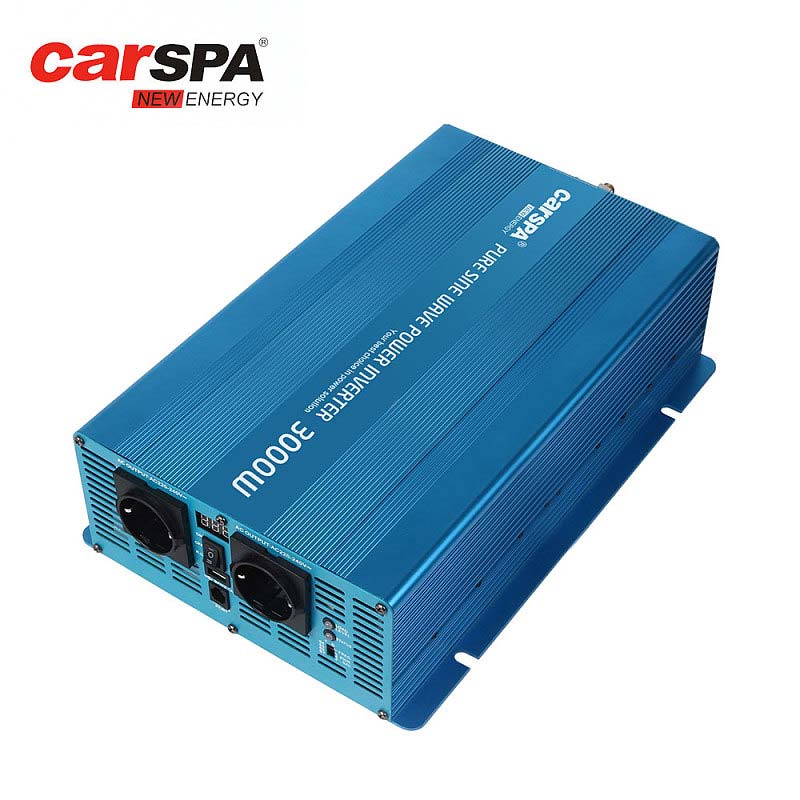
Inverters transform the DC power from solar panels and batteries into AC power for equipment and appliances.
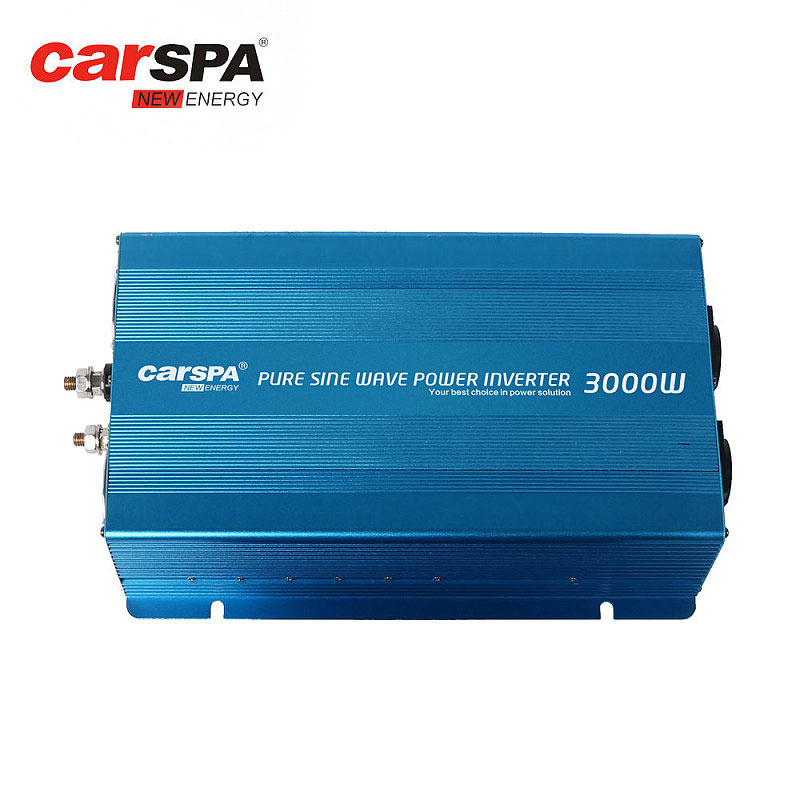
Pure sine wave inverters ensure compatibility with sensitive electronics.
High-frequency inverters are compact and efficient for portable or residential systems.
Low-frequency inverters provide strong surge power for heavy-duty applications.
Selecting the right inverter ensures smooth system operation and prevents voltage fluctuations that could harm electrical loads.
Battery Storage to Ensure Continuous Energy Supply
Battery banks store excess power for use at night or during cloudy weather.
Lithium batteries offer long life cycles, high efficiency, and low maintenance.
Lead-acid batteries provide reliable performance at a lower upfront cost.
Proper battery sizing avoids over-discharge, extends lifespan, and balances power availability with daily consumption patterns.
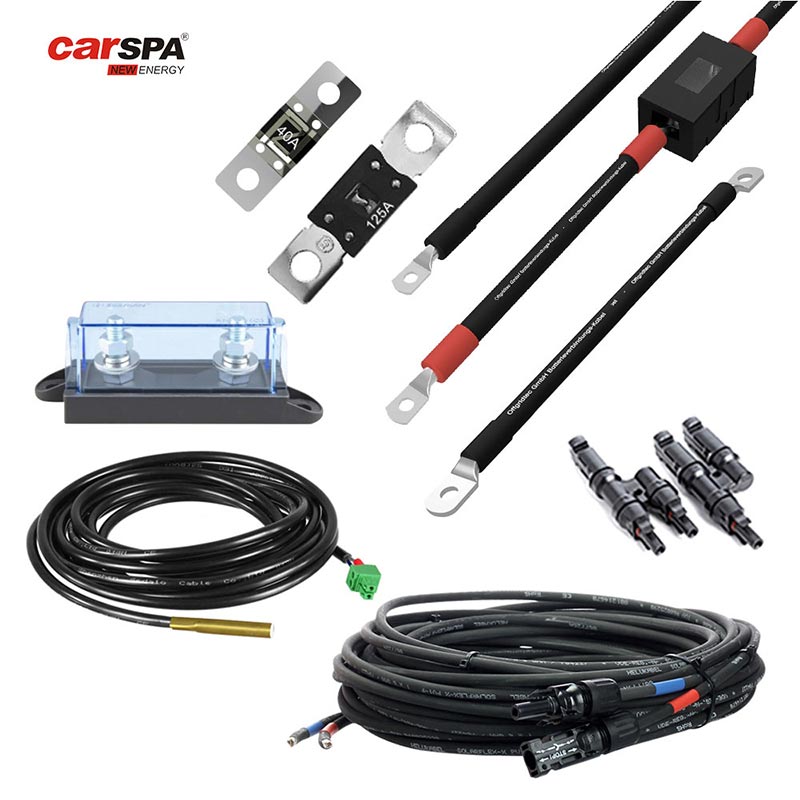
Wiring, Protection Devices, and Safety Components
Beyond the main hardware, supporting components play an essential role in safety and performance.
Cables and connectors must be sized correctly to prevent overheating and energy loss.
Fuses and breakers protect against overloads and short circuits.
Surge protectors safeguard the system from lightning and grid disturbances in hybrid or grid-tied installations.
Attention to these smaller components ensures the system operates safely under all weather and load conditions.
Monitoring Systems for Real-Time Performance Insights
Modern monitoring tools allow users to track the solar system’s efficiency and identify issues early.
Remote dashboards display production, consumption, and battery status.
Smart monitoring devices help optimize usage patterns and plan maintenance schedules.
Monitoring is especially useful for commercial or industrial installations where consistent uptime is essential.
How Can You Maintain and Optimize Solar Panels to Maximize System Performance?
Even the highest-quality solar panels require proper maintenance and strategic optimization to ensure long-term performance. Regular care not only improves energy generation but also extends the lifespan of the entire solar system.
Routine Cleaning to Maintain Peak Efficiency
Dust, sand, bird droppings, and pollution can accumulate on panel surfaces, reducing sunlight absorption.
In desert or coastal regions, cleaning frequency should be increased due to heavier dust and salt exposure.
Soft brushes, water, or low-pressure cleaning tools are recommended to avoid damaging the glass surface.
Regular cleaning can restore up to 10–20% of lost efficiency in heavily polluted environments.
Monitoring System Output to Detect Performance Drops Early
Continuous monitoring helps identify irregularities such as shading, wiring issues, or underperforming panels.
Digital monitoring systems show real-time power production and historical performance trends.
Sudden output drops often indicate loose connectors, a faulty controller, or a damaged panel that requires prompt troubleshooting.
Proactive monitoring prevents minor issues from escalating into costly repairs.
Inspection of Electrical Components for Safety and Stability
Solar systems run daily under varying temperatures and electrical loads, making regular inspections essential.
Check wiring for damage, corrosion, or loose terminals.
Verify that fuses, breakers, and protection devices function properly.
Inspect mounting structures to ensure panels remain securely fixed under strong winds or storms.
A well-maintained structure protects the panels from mechanical stress and ensures stable power delivery.
Optimizing Panel Placement and Reducing Shading Risks
Shading—even partial shading—can significantly decrease panel output.
Trim surrounding trees or adjust equipment placement to avoid shadowing.
Reassess panel orientation if long-term shading patterns change due to new buildings or environmental changes.
Optimizing placement helps maintain consistent energy generation through the year.
Replacing Aging Components to Sustain Long-Term Performance
While solar panels offer long service life, other system components may age faster.
Batteries typically require replacement sooner than panels.
Older inverters may become less efficient or incompatible with modern monitoring technology.
Updating aging components ensures the overall system stays efficient and reliable for years.
Conclusion
A well-designed solar system built around high-quality solar panels offers long-term value, stable performance, and dependable energy output across various environmental conditions. From selecting the right type of panel to choosing compatible controllers, inverters, and storage solutions, every component plays a crucial role in ensuring system stability. Proper planning, routine maintenance, and ongoing monitoring further enhance overall efficiency, helping users maximize the return on their solar investment.
As demand for reliable renewable energy solutions continues to grow, selecting trusted and well-engineered components becomes increasingly important. Brands focused on solar technology—such as CARSPA—provide the essential tools and system components that support efficient and sustainable solar installations for a wide range of applications.