
How Does a 1000 Watt Power Inverter Improve Comfort and Efficiency in RV Travel?
Introduction
Reliable power has become one of the most important elements of modern RV travel. Whether the goal is weekend camping, long-distance touring, or fully off-grid living, onboard appliances and electronics require stable, clean, and uninterrupted electricity. This is why the 1000 watt power inverter has become a core component in many RV electrical systems. It converts 12V DC battery power into usable AC electricity, allowing travelers to operate lighting, entertainment devices, kitchen tools, communication equipment, and essential comfort systems without depending on external hookups.

As RVs become more advanced, the number of onboard electronic devices continues to grow. A 1000W inverter hits the ideal balance between power capacity, efficiency, and practicality. It is powerful enough to support daily-use appliances yet compact enough to integrate easily into different RV layouts. More importantly, it offers flexibility—helping travelers stay productive, comfortable, and connected no matter where the road leads.
This article explores why a 1000 watt power inverter is so valuable for RV applications, what devices it can support, and how choosing the right model can enhance the overall travel experience.
Why Is a 1000 Watt Power Inverter Essential for Modern RV Travel?
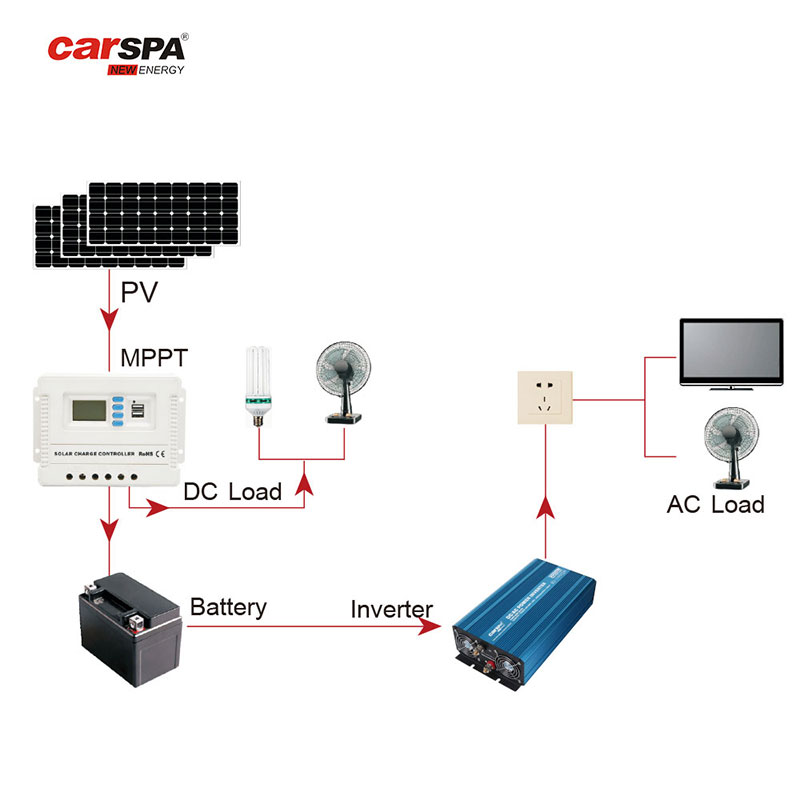
A 1000 watt power inverter has become a practical standard for many RV owners because it provides sufficient capacity for everyday electrical needs without overwhelming the RV’s battery or wiring system. It serves as the bridge between battery-stored energy and the AC-powered devices that travelers use daily, making it a foundational element of a reliable RV electrical setup.
Supporting Daily Comfort and Convenience
Modern RV lifestyles depend heavily on electronics—chargers, laptops, fans, small kitchen appliances, LED lighting, and communication devices. A 1000W inverter ensures these essentials operate smoothly even when no external power hookup is available. This level of independence is especially important during long-distance trips or when staying in remote areas.
Balancing Power Capacity With Battery Efficiency
While larger inverters can handle more appliances, they often draw unnecessary standby power and reduce system efficiency. A 1000W unit strikes the ideal balance by offering enough output for most RV applications without unnecessary energy waste. This makes it easier to maintain battery life, especially when combined with deep-cycle batteries or solar charging setups.
Ensuring Flexible and Off-Grid Operation
For travelers who enjoy off-grid camping or prefer to minimize generator use, a 1000W inverter provides dependable AC power whenever it’s needed. It enables RV users to maintain lighting, communication, and small electronics even in wilderness areas, supporting a safer and more comfortable off-grid experience.
What Types of RV Devices Can a 1000 Watt Power Inverter Safely Support?
A 1000 watt power inverter provides enough capacity to run many common RV appliances, making it a versatile solution for both daily use and occasional high-demand moments. Understanding which devices fall within its safe operating range helps ensure reliable performance and prevents overloading the system.
Handling Essential Electronics and Communication Devices
Most RV travelers rely on phones, tablets, laptops, Wi-Fi routers, and camera chargers. These devices typically draw low to moderate power, making them ideal for a 1000W inverter. Because these electronics benefit from clean and stable AC power, choosing a high-quality inverter ensures consistent performance and protects sensitive circuits from voltage fluctuations.
Powering Small Kitchen and Living Appliances
A 1000W inverter can safely support many small appliances such as mini-blenders, electric kettles (lower wattage versions), portable fans, mini rice cookers, or compact coffee makers. These devices enhance the comfort and convenience of life on the road. However, RV users should always compare the appliance's rated wattage and account for startup surges before using them.
Supporting Entertainment and Comfort Equipment
LED TVs, audio systems, gaming consoles, and portable heaters with low draw can usually run smoothly under a 1000W inverter. These items help create a homelike environment inside the RV, allowing travelers to relax, enjoy entertainment, and maintain comfort regardless of location.
Understanding Surge Power and Load Limits
Some appliances—particularly those with motors or compressors—require a higher surge wattage to start. While a 1000W inverter can handle short surges above its continuous rating, RV owners should ensure the total combined load does not exceed the system’s capacity. Proper planning and load management keep the inverter running safely and efficiently.
How Does a High-Quality 1000W Inverter Improve Power Stability and Safety in RV Systems?
A reliable 1000 watt power inverter does far more than simply convert DC battery energy into usable AC power. In an RV environment—where space is limited, electrical loads vary, and power sources fluctuate—stability and safety become top priorities. A high-quality inverter helps protect appliances, optimize energy usage, and ensure the entire electrical system runs smoothly under different travel conditions.
Delivering Cleaner, More Stable AC Power
High-end inverters, especially pure sine wave models, produce AC power that closely matches household electricity. This prevents issues such as flickering lights, buzzing electronics, or premature wear on sensitive devices. For RV owners who rely on laptops, medical devices, audio equipment, or precision electronics, clean output power is essential for long-term reliability.
Protecting Batteries and Electrical Components
An RV’s battery system is the heart of all off-grid power. A high-quality 1000W inverter includes built-in safety functions such as over-voltage protection, low-voltage shutdown, short-circuit protection, and temperature monitoring. These features help prevent battery over-discharge, wiring damage, and overheating—common risks in low-quality or overloaded inverter setups.
Improving Energy Efficiency for Longer Off-Grid Stays
Energy efficiency directly affects how long an RV can operate without a generator or campsite power. Premium inverters are designed with optimized conversion circuits, lower idle consumption, and higher load efficiency, allowing batteries to last longer even when multiple devices are used. This is especially valuable for solar-equipped RVs that rely heavily on daily battery cycles.
Ensuring Safer Operation Under Variable Loads
RVs experience constant load changes—from turning on lights to running a small appliance. A high-quality inverter can handle these transitions smoothly without sudden voltage drops or surges. This contributes to a safer and more comfortable travel experience, particularly when children, elderly travelers, or sensitive equipment are onboard.
What Factors Should RV Owners Consider When Choosing a 1000 Watt Power Inverter?
Selecting the right 1000 watt power inverter is crucial for ensuring efficiency, safety, and long-term performance in an RV environment. Since every RV electrical system is different, understanding the key selection factors helps travelers make a smarter investment and avoid issues later on.
Evaluating Input Voltage Compatibility
Most RVs operate on 12V battery systems, but some advanced setups use 24V or even 48V configurations. Choosing an inverter that matches the battery voltage is essential for proper performance. An incorrect match can lead to poor efficiency, frequent shutdowns, or even system damage. RV owners should always confirm the inverter’s rated input voltage before installation.
Considering Waveform Type: Pure Sine Wave vs. Modified Sine Wave
Waveform quality plays a significant role in system reliability.
Pure sine wave inverters deliver clean electricity that mirrors grid power, making them ideal for sensitive electronics, audio equipment, laptops, and appliances with variable-speed motors.
Modified sine wave inverters are less expensive but may cause humming, inefficiency, heat buildup, or shortened lifespan in certain devices.
For RVs that use modern electronics, pure sine wave models are strongly recommended.
Understanding Surge Power and Continuous Output Ratings
While a 1000W inverter provides 1000 watts of continuous power, many appliances demand 2–3 times their running wattage during startup. For example, small refrigerators, pumps, and fans require a surge load that must be supported by the inverter. Choosing a model with a robust surge rating ensures stable performance and prevents overload shutdowns during peak demand.
Examining Efficiency and Standby Consumption
Efficiency impacts how long the RV can operate off-grid. Higher-efficiency inverters waste less battery energy during conversion, leaving more power available for appliances. Low idle consumption is also important because many RV owners leave the inverter running for extended periods. An efficient model contributes directly to longer battery life and reduced energy waste.
Assessing Heat Dissipation and Build Quality
RVs often operate in confined spaces where heat buildup can become a major issue. A well-designed inverter features:
High-quality heat sinks
Quiet,temperature-controlled cooling fans
Proper ventilation pathways
These elements prevent overheating and ensure stable operation even during extended use. Build quality also affects longevity, especially for RVs used in hot climates, mountain regions, or rugged off-road environments.
Installation Flexibility and Safety Features
RV layouts vary, so installation options matter. Wall-mounted, floor-mounted, or compact inverters can help fit tight spaces. Built-in protections—such as reverse polarity protection, overload protection, and automatic shutdown—add an extra layer of safety, particularly for travelers who frequently switch between shore power, solar charging, and battery-based operation.
How Can a 1000W Inverter Enhance Off-Grid RV Living and Outdoor Mobility?
Off-grid RV travel is becoming increasingly popular as more travelers seek freedom from traditional campsites and prefer exploring remote landscapes. A 1000 watt power inverter plays a central role in enabling this lifestyle by supporting energy independence, comfort, and reliable electrical performance wherever the journey leads.

Supporting Solar Power Systems and Sustainable RV Operation
Many RV owners integrate solar panels and deep-cycle batteries into their off-grid setup. A 1000W inverter works perfectly with small to medium solar arrays, efficiently converting stored solar energy into usable AC power. This allows travelers to power essential devices throughout the day without draining the battery excessively. It also reduces generator usage, promoting a quieter, more environmentally friendly camping experience.
Providing Reliable Power for Remote Work and Connectivity
More people are turning their RVs into mobile offices. A 1000W inverter can support laptops, routers, monitors, and communication equipment, making remote work both feasible and efficient. For digital travelers, content creators, or technicians on the road, the inverter ensures stable power even in locations without any grid connection.
Enhancing Comfort During Outdoor Activities
Whether camping in forests, desert landscapes, mountains, or lakeside areas, comfort remains important. A 1000W inverter powers portable fans, compact cookers, lighting, small electric coolers, and entertainment electronics. These conveniences transform off-grid RV living into an enjoyable and relaxing experience, helping travelers stay comfortable regardless of weather or time of day.
Maintaining Safety and Preparedness in Remote Areas
Reliable power is not just about convenience—it also affects safety. A 1000W inverter allows travelers to run emergency equipment such as radios, small heaters, air pumps, lighting systems, and navigation devices. For RV users in remote regions, having consistent electrical power is a critical factor that improves preparedness and reduces risk.
Increasing Mobility and Reducing Dependence on Campsites
With a properly designed inverter system, RV owners can travel farther without relying on hook-up sites. The freedom to park near scenic spots, trailheads, beaches, or quieter rural areas becomes possible. A 1000W inverter supports sustainable mobility, enabling longer stays and more flexible travel routes.
Conclusion
A 1000 watt power inverter is one of the most practical and valuable upgrades for any RV electrical system. It provides the perfect balance between power capacity, efficiency, and versatility—allowing travelers to operate essential appliances, stay connected, and enjoy comfort even in remote off-grid locations. By choosing a high-quality inverter, RV owners can ensure stable AC output, protect sensitive electronics, and extend the life of their battery systems, all while maintaining a smooth and safe travel experience.
Whether supporting daily essentials, enabling mobile work, or powering off-grid adventures, a well-selected 1000W inverter becomes a central component of modern RV living. With the right model, RV users gain greater independence, stronger system safety, and more flexibility in how and where they travel.
For those looking for reliable performance and long-term durability, CARSPA offers inverter solutions designed specifically to meet the needs of RV applications, providing dependable power wherever the road leads.


.jpg)

.jpg)
.jpg)
.jpg)
.jpg)
.jpg)