
How Does an MPPT Controller Improve Efficiency in Outdoor Solar Power Systems?
Introduction
Outdoor power systems are becoming increasingly important as more equipment, devices, and portable stations rely on stable energy in remote or off-grid environments. From camping setups and mobile workstations to surveillance units and environmental monitoring devices, consistent solar charging performance determines whether these systems can operate safely and continuously. In such scenarios, the performance of a solar power system is influenced not only by the panels and batteries but also by how efficiently energy is managed and delivered. This is where an MPPT controller—often supported by a high-precision solar charge controller—plays a critical role.

Unlike traditional charging methods, today’s outdoor applications demand smart regulation, automatic power tracking, and protection mechanisms capable of responding to rapidly changing conditions such as temperature shifts, partial shading, and fluctuating solar intensity. By optimizing the relationship between solar input and battery storage, an MPPT controller ensures that every watt is captured and converted efficiently. For users who operate equipment far from grid access, this level of control becomes essential, allowing outdoor systems to run longer, perform more reliably, and better withstand uncertain environmental conditions.
Whether powering portable stations, field tools, LED lighting, pumps, or mobile communication devices, a well-configured solar charging system with an advanced MPPT controller provides the foundation for dependable outdoor operation. With the growing adoption of solar technologies, understanding how these controllers work and how they contribute to overall system stability has become increasingly important.
What Makes an MPPT Controller Essential for Outdoor Power Applications?
Outdoor environments often present unpredictable conditions—variable sunlight, shifting temperatures, and sudden changes in energy demand. In these scenarios, an MPPT controller becomes the core component that stabilizes and optimizes the entire solar charging process. Its role goes far beyond simple voltage regulation; it ensures that outdoor systems receive the highest possible conversion efficiency from the available solar resources.
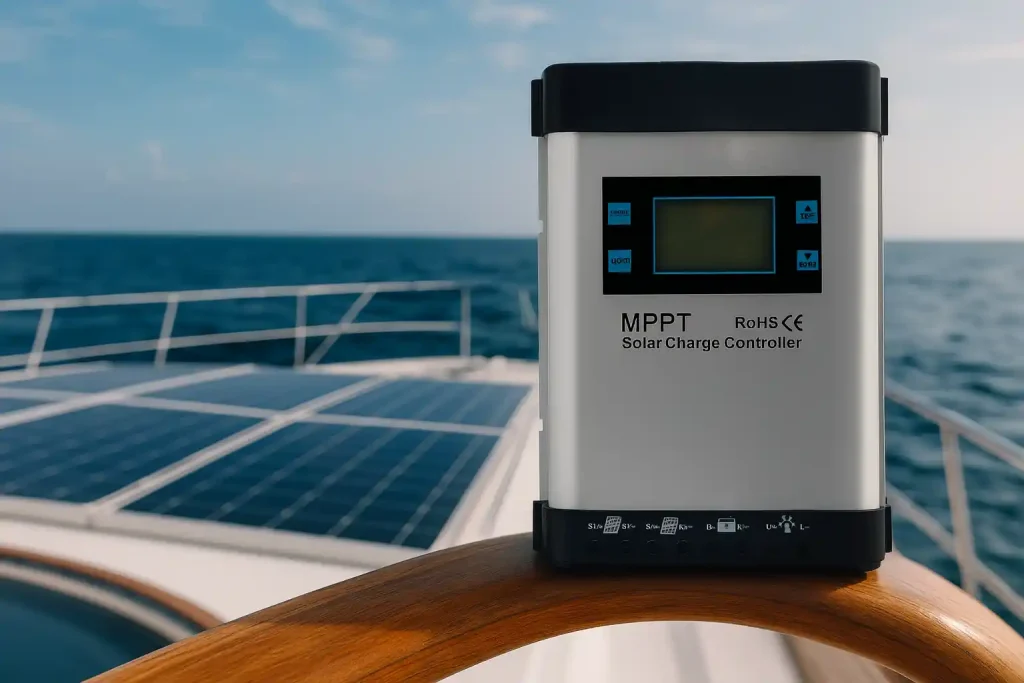
Maximizing Energy Harvest in Low or Unstable Sunlight
Outdoor setups frequently experience partial shading from trees, tents, equipment, or constantly changing sunlight angles.
An MPPT controller tracks the maximum power point in real time, ensuring solar panels operate at their optimal voltage even when sunlight is weak.
Compared with a traditional PWM solar charge controller, MPPT can increase energy yield by 15–30%, which is crucial when powering devices for long outdoor stays.
This advantage allows portable power stations, field tools, and camping equipment to maintain continuous operation throughout the day.
Maintaining System Stability When Power Demand Fluctuates
Outdoor equipment rarely draws power at a constant rate.
Tools, lighting, communication devices, and pumps often start suddenly, causing quick voltage changes.
An MPPT controller absorbs these fluctuations by regulating charging output to keep the battery stable.
This prevents unexpected shutdowns and helps extend the system’s operating hours.
Protecting Outdoor Batteries from Harsh Conditions
Solar batteries in outdoor systems are exposed to varying temperatures and irregular charge cycles.
An MPPT-based solar charge controller adjusts charging stages—bulk, boost, and float—to protect battery health.
It reduces the risk of overcharging during strong sunlight and prevents undercharging when solar power is limited.
This is especially important for lithium and deep-cycle batteries commonly used in camping and mobile energy systems.
Ensuring Efficient Use of Portable or Limited Solar Panels
Outdoor applications often rely on compact or foldable panels.
MPPT controllers allow small solar panels to produce maximum output, making portable systems more viable.
Users gain more runtime from lightweight solar gear without carrying larger or heavier panels.
How Does an MPPT Solar Charge Controller Improve Charging Efficiency in Harsh Outdoor Conditions?
Real-Time Maximum Power Tracking in Unstable Sunlight
Outdoor environments rarely provide stable sunlight. Light intensity changes constantly as clouds pass, shadows move, and the angle of the sun shifts throughout the day. An MPPT solar charge controller continuously scans panel voltage and current in real time, ensuring that the system always operates at the maximum power point. This dynamic tracking allows outdoor devices—such as portable refrigerators, power stations, or lighting systems—to maintain steady charging even when sunlight becomes weak or inconsistent. Compared with a traditional solar charge controller, MPPT technology significantly increases daily energy harvest, which is crucial for long outdoor trips or remote work scenarios.
Improved Charging Behavior Under Temperature Fluctuations
Temperature variation is one of the most common challenges in outdoor solar setups. Solar panels lose voltage when exposed to high temperatures, while batteries respond differently to cold and heat. An MPPT controller uses advanced temperature compensation to maintain a balanced charging profile across different climate conditions. It protects batteries from overcharging during extremely hot afternoons and prevents undercharging on cold mornings. This ensures healthy charge cycles and extends battery lifespan, especially for lithium or deep-cycle batteries used in outdoor systems.
Higher Efficiency in Low-Light or Dusty Conditions
Outdoor panels often accumulate sand, dust, or pollen, which reduces their ability to absorb sunlight effectively. During early morning, late afternoon, or cloudy weather, traditional controllers struggle to produce sufficient charging current. An MPPT controller can convert even weak or diffuse sunlight into usable energy by adjusting voltage intelligently. This makes it highly suitable for outdoor conditions where panels cannot always be cleaned or placed under ideal lighting. As a result, off-grid systems continue operating smoothly, powering essential equipment throughout the day.
Faster Charging Cycles for High-Demand Outdoor Devices
Many outdoor devices require quick recharging—such as communication radios, drones, surveillance units, and portable toolkits. MPPT controllers accelerate the charging process by optimizing energy intake during peak sunlight periods. By converting voltage more efficiently, they enable batteries to recover faster and store more energy before the sun sets. For multi-day expeditions, emergency operations, or off-grid construction work, this shorter charging cycle directly improves reliability and runtime.
Better Performance with Irregular Panel Installation
Outdoor solar panels are often placed at imperfect angles—on tents, RV roofs, backpacks, or uneven ground. MPPT controllers compensate for these installation limitations by adjusting their input parameters to maximize energy collection regardless of orientation. They can even manage mixed lighting conditions, where one panel receives full sunlight while another is partially shaded. This adaptability ensures consistent charging performance, making MPPT systems ideal for camping, wildlife observation, mobile workstations, or temporary outdoor setups where perfect alignment is impossible.
What Features Should You Look for When Choosing an MPPT Controller for Outdoor Systems?
Durable Construction for Outdoor Environments
Outdoor applications often expose equipment to dust, moisture, temperature swings, and occasional physical impact. Therefore, the MPPT controller must be built with a rugged enclosure and reliable internal components. A strong casing with IP-rated protection ensures resistance to water splashes, humidity, and particles, preventing malfunction during long-term field use. Durable construction also protects the controller when mounted on RVs, boats, campsite stands, or portable stations where vibration and movement are common.
High Conversion Efficiency for Maximum Energy Harvest
Not all MPPT controllers deliver the same conversion efficiency. A high-quality controller should consistently convert more solar input into usable charging current, especially in variable weather conditions. The difference becomes significant during early morning or late afternoon when sunlight is weak. Choosing a controller with advanced MPPT algorithms ensures that every watt from the solar panel is captured, increasing the available power for outdoor lighting systems, tools, sensors, and portable electronics.
Wide PV Input Range for Flexible Panel Compatibility
Outdoor systems may use foldable panels, fixed panels, mixed-voltage arrays, or panels placed at uneven angles. A wide PV input range gives the MPPT controller greater flexibility when pairing with different solar modules. Controllers that support higher open-circuit voltages allow users to connect multiple panels in series, improving charging stability and reducing energy loss over longer wiring distances. This versatility is especially important for mobile or modular outdoor setups.
Multiple Protection Functions for Battery and System Safety
Outdoor solar power systems often run unattended for long periods, making protection features essential. A reliable MPPT controller should include safeguards such as overcharge protection, reverse polarity protection, overload protection, short-circuit protection, and temperature monitoring. These functions prevent damage to the battery and connected equipment, ensuring stable operation even when environmental conditions deteriorate suddenly. Robust protection also reduces maintenance frequency for off-grid outdoor systems.
Compatibility with Different Battery Types
Outdoor users rely on various battery types, including lithium-ion, LiFePO₄, AGM, gel, and deep-cycle lead-acid batteries. A suitable MPPT controller must support multiple battery chemistries with selectable charging profiles. Proper charging curves ensure safe voltage levels, correct absorption phases, and optimized float charging, extending battery life in long-term outdoor applications. Systems that integrate multiple devices—like power stations, emergency lights, and field equipment—benefit greatly from this compatibility.
Clear Monitoring and User-Friendly Controls
Outdoor systems are often checked quickly and maintained by different operators. A controller with a clear display or external monitor provides real-time information on panel voltage, charging current, battery status, and system errors. Some advanced controllers also support Bluetooth or mobile app monitoring, giving users full visibility without opening panels or enclosures. Easy operation improves efficiency in fieldwork and helps users adjust settings based on changing outdoor conditions.
How Can an MPPT Controller Enhance Reliability for Off-Grid Outdoor Equipment and Portable Power Systems?
Stabilizing Power Supply for Remote and Off-Grid Operations
In off-grid outdoor environments, power stability is critical because there is no backup from the electrical grid. An MPPT controller ensures that even when sunlight intensity changes rapidly, the charging output remains as stable as possible. This stability allows key outdoor devices—such as communication equipment, GPS trackers, portable medical devices, and field instruments—to operate without sudden power drops. By maintaining consistent voltage regulation, the MPPT controller becomes the backbone of reliable off-grid energy solutions.
Supporting Continuous Operation for Long-Duration Outdoor Use
Many outdoor activities extend over long periods, from multi-day camping trips to extended environmental monitoring or remote construction tasks. An MPPT controller increases charging efficiency throughout the day, ensuring that the battery reaches a healthy state before nighttime. This results in longer system uptime and reduces the chances of power shortages during essential nighttime operations. For portable lighting, refrigeration units, and outdoor surveillance systems, consistent operation is vital for safety and functionality.
Enhancing Battery Health for Long-Term Outdoor Deployment
Off-grid systems often rely heavily on batteries, making battery longevity a major concern. The MPPT controller uses intelligent multi-stage charging—bulk, boost, float—to maintain optimal battery condition. It prevents harmful overcharging during peak sunlight and reduces stress on the battery during cloudy periods. Outdoor deployments that run continuously, such as research stations, remote sensors, or agricultural tools, benefit significantly from the extended battery lifespan provided by MPPT technology.
Improving Reliability in Harsh or Unexpected Weather
Outdoor environments are unpredictable. Sudden storms, shifting shadows, dusty conditions, and cold nights can affect energy generation. The MPPT controller compensates for these inconsistencies by constantly adjusting the charging voltage and current. This adaptability ensures that the system recovers quickly after weather changes, preventing extended downtime. For mission-critical outdoor applications—such as emergency response setups or temporary field bases—quick recovery is essential for operational reliability.
Maximizing Energy Utilization for Portable Power Systems
Portable power solutions often rely on smaller solar panels due to space and weight limitations. The MPPT controller makes these compact panels more effective by extracting maximum energy from limited surface area. It helps users run more devices for longer periods without increasing panel size. For outdoor photographers, drone operators, campers, and mobile workers, smaller and lighter panels combined with MPPT efficiency significantly improve the practicality of portable solar setups.
Ensuring Reliable Power for Mixed System Loads
Off-grid outdoor systems frequently power a combination of devices with different consumption patterns. Some loads run continuously, while others operate intermittently. The MPPT controller helps balance these mixed loads by ensuring that the battery bank remains in optimal condition and can support sudden bursts of power demand. This load stability is especially valuable for setups involving pumps, tools, sensors, and communication units that may activate unexpectedly.
Why Are Modern Outdoor Power Solutions Increasingly Dependent on Advanced Solar Charge Controller Technology?
Meeting the Growing Demand for Reliable Off-Grid Energy
Outdoor applications have expanded far beyond basic camping needs. Today’s outdoor environments involve professional surveying tools, remote monitoring systems, portable medical equipment, emergency response units, and mobile workstations. These devices require a stable and sustainable power source. Advanced solar charge controller technology—especially MPPT—offers the reliability and adaptability needed to meet this rising demand. As equipment becomes more sophisticated, the need for precise energy management grows stronger, making MPPT control a central part of modern outdoor energy solutions.
Improving Overall System Efficiency for Higher Energy Independence
More users now expect long-term energy independence when operating outdoors. Whether powering portable power stations or maintaining environmental sensors for weeks at a time, efficient solar charging is essential. Advanced MPPT controllers increase total energy harvest, reduce wasted power, and ensure that even small solar panels produce meaningful output. This enhanced efficiency directly reduces reliance on fuel generators or frequent battery replacements, a significant advantage for outdoor professionals who operate far from grid access.
Supporting the Integration of Smarter, Multi-Device Outdoor Systems
Outdoor setups often include multiple devices running simultaneously: LED lighting, communication units, pumps, sensors, fans, or portable tools. These mixed loads require more intelligent power distribution and battery protection. Modern MPPT solar charge controllers communicate system conditions more precisely, regulate charging stages automatically, and adjust voltage output based on real-time demand. This intelligent behavior ensures that every device receives sufficient power without overloading the system, making advanced controllers essential for comprehensive outdoor energy management.
Enhancing Safety for Unattended or Long-Term Outdoor Installations
Many outdoor systems operate without supervision—such as weather stations, remote cameras, farming sensors, and security towers. In these cases, safety and autonomy are essential. Advanced solar charge controllers include multiple protection layers to prevent overcharging, overheating, reverse current, or system faults. These features reduce maintenance requirements and ensure that unattended installations run continuously and safely. The result is a more dependable system that can operate for months or even years in remote locations.
Adapting to Rapid Advancements in Battery Technology
Modern outdoor power systems increasingly use lithium-based batteries, including LiFePO₄, which require precise charging curves and accurate voltage control. Advanced MPPT controllers support these modern chemistries with specialized charging algorithms. This compatibility ensures safer charging, longer battery cycles, and optimized storage performance. As lithium batteries continue to replace traditional sealed lead-acid batteries in outdoor applications, advanced controller technology becomes even more crucial.

Meeting Environmental Expectations with Clean and Efficient Solar Use
Sustainability is becoming a priority in outdoor equipment design. Solar power eliminates the noise, emissions, and fuel costs associated with generators. MPPT technology makes solar energy more productive and reliable, encouraging users and industries to transition toward cleaner power solutions. With higher efficiency and better system stability, modern solar charge controllers help outdoor power systems contribute to more environmentally responsible energy use.
Conclusion
Outdoor power systems continue to evolve as users demand greater efficiency, longer runtime, and more reliable performance in off-grid environments. From fluctuating sunlight to extreme temperatures and unpredictable weather, outdoor conditions challenge the stability of solar-powered equipment. This is why the MPPT controller has become a core component in modern outdoor energy solutions. By maximizing energy harvest, stabilizing charging performance, protecting batteries, and adapting intelligently to environmental changes, it provides the foundation for dependable solar power in remote locations.
As outdoor applications expand—from camping and surveying to remote monitoring and mobile workstations—the importance of choosing the right solar charge controller becomes even more significant. Advanced MPPT technology ensures that portable solar systems remain efficient and durable, regardless of installation angle, sunlight variations, or battery type. With the right combination of durability, intelligence, and protection features, an MPPT controller transforms outdoor solar setups into stable, long-lasting, and highly adaptable power sources.
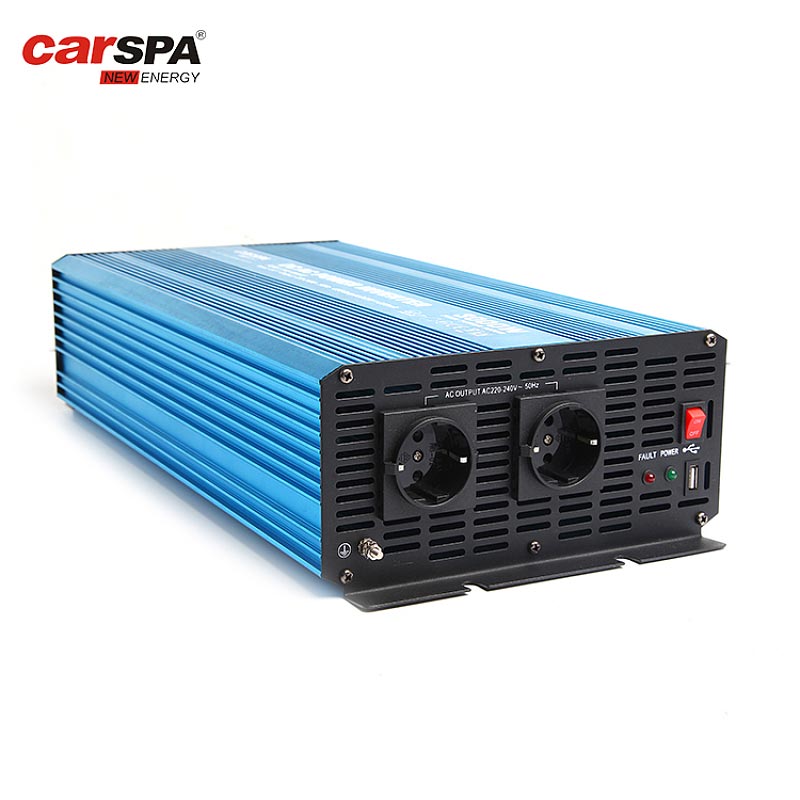
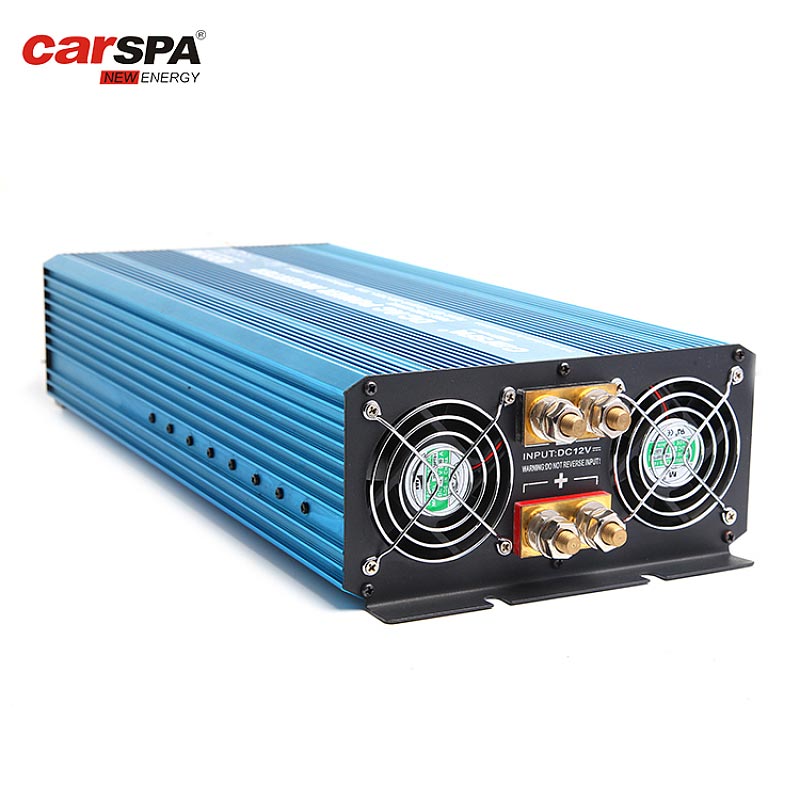
For users seeking professional and reliable outdoor charging performance, solutions from CARSPA offer high-quality MPPT controller options designed to support a wide range of outdoor energy needs.




.jpg)

.jpg)
.jpg)
.jpg)
.jpg)
.jpg)


