
Car Inverter for Outdoor Power Solutions | Reliable Energy Anywhere by CARSPA
Introduction
In today's outdoor lifestyle, access to reliable and portable power is no longer a luxury—it's a necessity. Whether you are camping in the mountains, traveling long distances by car, or working remotely in a rural area, the ability to power essential devices such as lights, laptops, or small appliances can greatly enhance comfort and productivity. This is where a car inverter plays an indispensable role.
A car inverter converts the vehicle's DC power from the battery into AC power, allowing you to use standard household electronics while on the road or outdoors. Unlike bulky generators, car inverters are compact, quiet, and energy-efficient, making them ideal companions for outdoor enthusiasts, travelers, and professionals who need mobile electricity.

With the growing demand for sustainable and flexible power solutions, modern car inverters now offer advanced features such as high-efficiency conversion, intelligent protection circuits, and multiple output interfaces. From leisure camping setups to field workstations, a high-quality inverter transforms any vehicle into a reliable mobile power source—empowering you to stay connected, productive, and safe wherever you go.
What Is a Car Inverter and How Does It Work in Outdoor Power Applications?
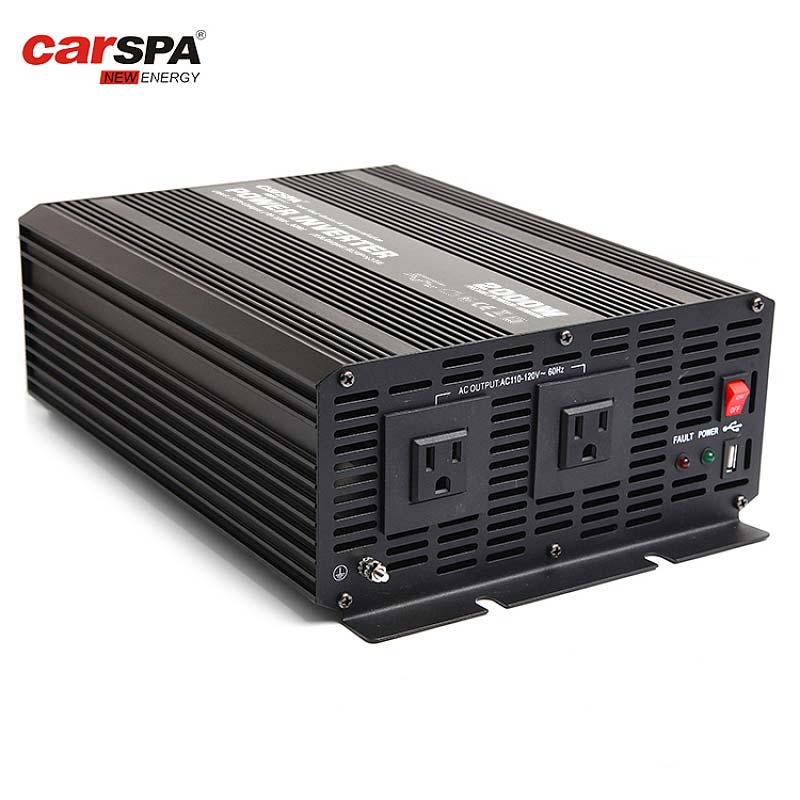
A car inverter is an electronic device that transforms the direct current (DC) power from a vehicle's battery into alternating current (AC) power, which is the same type of electricity used by most household appliances. This simple yet powerful conversion allows drivers and outdoor users to run laptops, televisions, electric cookers, cameras, and other devices that would normally require wall sockets.
How the Conversion Process Works
Inside a car inverter, advanced switching components—usually based on MOSFET or IGBT technology—rapidly convert the low-voltage DC into high-frequency AC before stabilizing it to standard output levels (typically 110V or 220V, depending on the region). This process is managed by precise control circuits that regulate voltage, frequency, and wave shape to ensure a clean and stable output suitable for sensitive electronics.
Types of Car Inverters for Different Outdoor Needs
There are generally two main types of car inverters:
Modified Sine Wave Inverters: Affordable and sufficient for simple devices such as phone chargers, fans, or lighting.
Pure Sine Wave Inverters: Offer a smooth, stable power output identical to grid electricity, ideal for running sensitive equipment like laptops, medical devices, or camera drones in outdoor environments.
Why They Are Ideal for Outdoor Applications
Compared with generators, car inverters are smaller, quieter, and easier to operate. They don't require fuel, making them cleaner and safer for use in tents, vehicles, or confined spaces. When connected to a car battery or an auxiliary power system, they can continuously provide power as long as the engine or battery system maintains charge—making them perfect for long trips, camping, or mobile offices.
Why Is a Car Inverter Essential for Outdoor Activities and Travel?
When you step outside the comfort of home, reliable electricity becomes one of the most valuable resources. Whether you're camping in the wilderness, organizing a picnic by the beach, or embarking on a long road trip, a car inverter ensures that you can power your essentials safely and efficiently.
Powering Daily Outdoor Essentials
A car inverter allows you to run essential devices like mobile phones, laptops, mini-refrigerators, lighting systems, and even small cooking appliances directly from your vehicle. For families or groups, this means maintaining comfort—cool drinks, cooked meals, and charged devices—without relying on external power sources.
Silent and Eco-Friendly Alternative to Generators
Unlike traditional fuel generators, car inverters operate silently and produce no exhaust fumes. This makes them an environmentally friendly option for outdoor use, especially in national parks, campgrounds, or off-grid areas where noise and emissions are restricted. They also reduce maintenance costs since there's no need for refueling or engine servicing.
Essential in Emergencies and Remote Work
In emergencies—such as flat batteries, communication blackouts, or nighttime roadside repairs—a car inverter becomes a critical backup tool. It can power work lights, communication equipment, or small air compressors. For professionals who work remotely—photographers, engineers, or field technicians—it provides a mobile power base, enabling productivity in any outdoor environment.
Versatile Applications Beyond Leisure
Modern car power inverters are not limited to recreation. They are widely used in mobile service vehicles, logistics fleets, and outdoor promotional setups. Their ability to deliver consistent AC power from DC systems allows users to operate printers, screens, or measuring instruments—turning any vehicle into a mobile workstation.
How to Choose the Right Car Inverter for Your Outdoor Power Needs?
Selecting the right car inverter is not just about price or size—it's about matching your power requirements with the inverter's technical specifications. A properly chosen inverter ensures that your outdoor setup runs smoothly, efficiently, and safely.
Determine Your Power Requirements
Before purchasing a car inverter, list all the devices you plan to use outdoors. Add up their total wattage and select an inverter with at least 20–30% higher capacity to handle startup surges.
300–500W models: Ideal for small devices like smartphones, LED lights, or cameras.
1000–1500W models: Suitable for laptops, mini coolers, and small appliances.
2000W or above: Designed for high-power tools or multiple devices running simultaneously.
Pure Sine Wave vs. Modified Sine Wave
One of the most important distinctions in car inverters lies in the waveform:
Pure sine wave inverters generate smooth, consistent AC power identical to household electricity. They are recommended for sensitive electronics, audio equipment, and communication tools.
Modified sine wave inverters are more affordable and work well with less demanding devices like fans or small power tools. However, they may cause slight noise or heat in sensitive electronics.
Consider Safety and Build Quality
A reliable car inverter should include key protection features such as:
Overload and over-temperature protection to prevent damage from heavy use.
Low-voltage shutdown to protect the car battery.
Short-circuit and surge protection for added reliability.
Look for models made with durable aluminum casings, efficient cooling fans, and high-quality connectors—these details greatly influence performance in outdoor environments where heat, dust, and vibration are common.
Practical Design and Portability
For frequent travelers, portability matters. Compact inverters with built-in USB ports and dual AC outlets allow users to power multiple devices at once. Some designs include detachable cables or mounting options, making installation flexible for both passenger cars and RVs.
What Safety and Efficiency Features Should You Look for in a Car Inverter?
When using a car inverter outdoors, safety and efficiency are as important as power capacity. High-quality inverters are designed to protect both the user and the connected equipment, ensuring stable performance even under challenging conditions such as heat, vibration, or fluctuating battery voltage.
Comprehensive Protection Systems
Modern inverters come with multiple built-in protection mechanisms to prevent equipment failure or fire hazards. Key features include:
Overload and short-circuit protection to cut power automatically when connected devices exceed the inverter's capacity.
Over-voltage and under-voltage protection to stabilize output and avoid battery drain.
Overheat protection that activates cooling fans or shuts down the unit if internal temperatures rise too high.
These smart safety systems ensure continuous and secure operation during long outdoor use.
Energy Efficiency and Conversion Rate
The inverter's efficiency rating determines how much energy from the car battery is actually converted into usable AC power. High-quality units achieve 85–95% conversion efficiency, minimizing energy loss and extending battery life. For off-grid travel or long camping sessions, this translates directly into longer operating hours and reduced fuel consumption.
Cooling and Thermal Management
Because outdoor environments can be unpredictable, efficient thermal control is essential. Look for models equipped with intelligent cooling fans, heat-dissipating aluminum housings, and smart temperature sensors. These not only prevent overheating but also reduce noise and improve longevity—crucial for maintaining reliable performance during continuous operation.
Durability and Environmental Resistance
For field and travel applications, durability cannot be overlooked. Reinforced casings, vibration-resistant mounting, and dust-proof vent designs allow car inverters to operate reliably on uneven terrain or in harsh weather. Some advanced models even feature water-resistant coatings or sealed connectors, extending their usability for off-road or marine conditions.
How Can a Reliable Car Inverter Enhance Your Outdoor Experience?
A car inverter does more than just provide electricity—it transforms the entire outdoor experience by bringing the comfort, convenience, and functionality of home power to the open road. Whether for leisure, work, or emergency preparedness, a dependable inverter enables true independence from fixed power sources.
Empowering Outdoor Comfort and Convenience
With a car inverter, campers and travelers can enjoy amenities like electric kettles, portable coolers, lighting, and entertainment systems anywhere. It allows users to cook meals, charge gadgets, and maintain communication even in remote locations. For long drives, it turns vehicles into mobile rest zones where devices can stay powered throughout the journey.
Supporting Outdoor Professionals and Field Operations
For engineers, photographers, or technicians working on-site, reliable inverters ensure uninterrupted workflow. Equipment such as drones, cameras, laptops, and measurement tools can operate continuously, improving productivity and reducing downtime. This flexibility also supports small-scale mobile businesses such as outdoor booths, repair services, or promotional events that depend on consistent power.
Eco-Friendly and Cost-Effective Energy Solution
Modern car inverters are designed for efficiency. They reduce the need for fuel-powered generators, minimizing noise and carbon emissions. This not only benefits the environment but also cuts long-term operational costs. With advanced circuitry and low standby power consumption, users get more power output with less energy waste.
Reliable Power When You Need It Most
Emergencies like power outages, flat batteries, or roadside breakdowns can happen anytime. A good car inverter ensures that essential tools—such as flashlights, radios, or air pumps—remain operational. It's not just a convenience; it's a backup power solution that can make a real difference in safety and preparedness.

Conclusion
A well-built car inverter combines innovation, safety, and durability to support every outdoor activity—from relaxing weekends to demanding field operations. Its ability to convert car battery power into clean AC electricity brings energy independence to wherever your journey leads.
For those seeking dependable outdoor power solutions with high efficiency and long-term reliability, CARSPA offers professional-grade car inverters engineered to perform in any environment.


.jpg)
.jpg)
.jpg)
.jpg)
-1631.jpg)
-1631.jpg)


