How Can a Battery Monitor Improve Energy Efficiency and Comfort During Camping?
Introduction
Camping today is no longer just about tents and campfires — it’s about combining the beauty of nature with the comfort of modern technology. From powering LED lights and portable fridges to charging smartphones and navigation devices, reliable electricity has become a key part of outdoor adventures. However, managing energy efficiently while staying off-grid can be challenging.
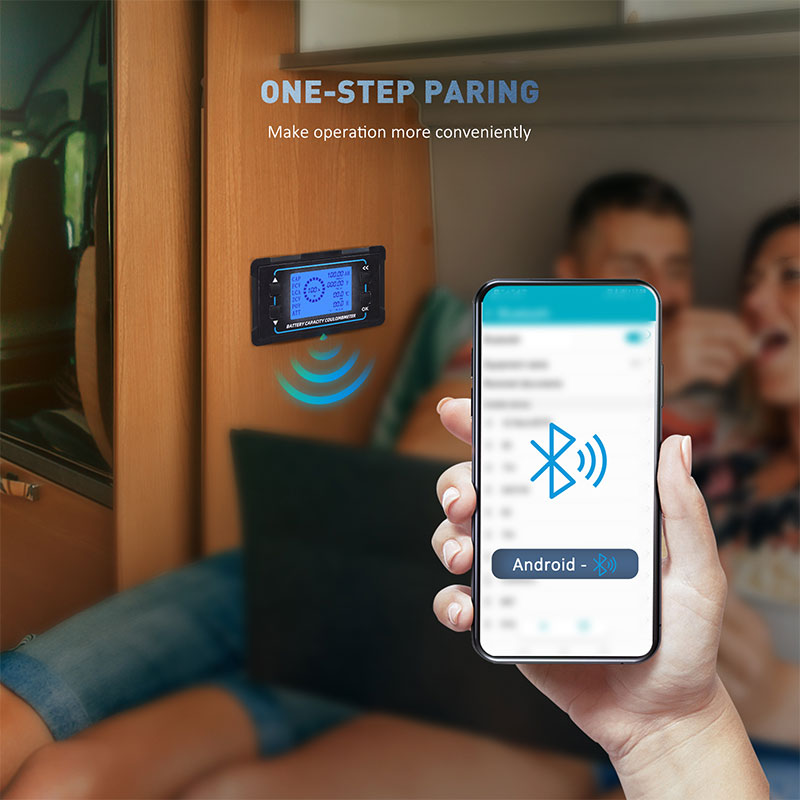
A battery monitor plays a crucial role in ensuring that every watt of stored energy is used wisely. It allows campers to see exactly how much power remains, how fast it’s being consumed, and when recharging is needed. Whether your setup includes a solar panel, a vehicle battery, or a portable power station, a high-quality battery monitor keeps your camping experience smooth, safe, and uninterrupted.
Why Is a Battery Monitor Essential for Camping Power Systems?
When camping away from the grid, understanding your energy status is vital. A battery monitor acts as your personal energy dashboard, giving you real-time visibility into power consumption and battery health. Without it, even the most advanced solar panels or portable generators can’t prevent energy shortages or battery damage.
1. Preventing Unexpected Power Loss
During camping trips, running out of power can disrupt everything—from lighting and heating to food storage and communication. A battery monitor helps prevent this by showing precise voltage levels, charge status, and discharge rates. This transparency allows campers to manage loads more efficiently and avoid unplanned shutdowns.
2. Protecting Battery Life
Constant over-discharge or overcharging can significantly shorten a battery’s lifespan. With continuous monitoring, users can ensure that batteries stay within safe operating ranges. Maintaining proper charge cycles not only extends battery life but also reduces long-term replacement costs.
3. Improving Energy Efficiency
By tracking how much power each appliance draws, a monitor helps identify energy-hungry devices. Campers can adjust usage habits—such as switching off idle gadgets or optimizing solar charging time—to maximize available energy and enjoy a more sustainable camping experience.
How Does a Battery Monitor Improve Safety and Reliability in Outdoor Environments?
Outdoor environments are unpredictable — sudden rain, heat, or load fluctuations can strain your electrical system. A battery monitor provides real-time feedback and protection, ensuring that your setup remains safe and reliable no matter the conditions.
1. Preventing Overload and Overheating
Camping equipment like portable stoves, fridges, and fans can create sudden power spikes. A battery monitor detects these changes instantly, helping users adjust loads before any damage occurs. By monitoring voltage and current in real time, it prevents overheating and safeguards the battery from thermal stress.
2. Maintaining Reliable Power for Essential Devices
During night hours or in remote locations, devices such as lanterns, GPS units, and communication radios are critical for comfort and safety. A battery monitor ensures these essentials have consistent power. Campers can see exactly how long their energy reserve will last, reducing the risk of unexpected blackouts.
3. Early Detection of System Faults
Small issues like loose connections or voltage drops often go unnoticed until they cause bigger failures. Advanced monitors can detect irregularities early and alert the user before damage spreads. This diagnostic function is particularly useful for long expeditions where maintenance support is limited.
What Features Should You Look for in a Camping Battery Monitor?
Not all battery monitors are created equal. When selecting one for camping, it’s important to focus on usability, accuracy, and durability. The right combination of features ensures that your off-grid power setup stays dependable, efficient, and easy to manage.
1. Real-Time Data Display and Connectivity
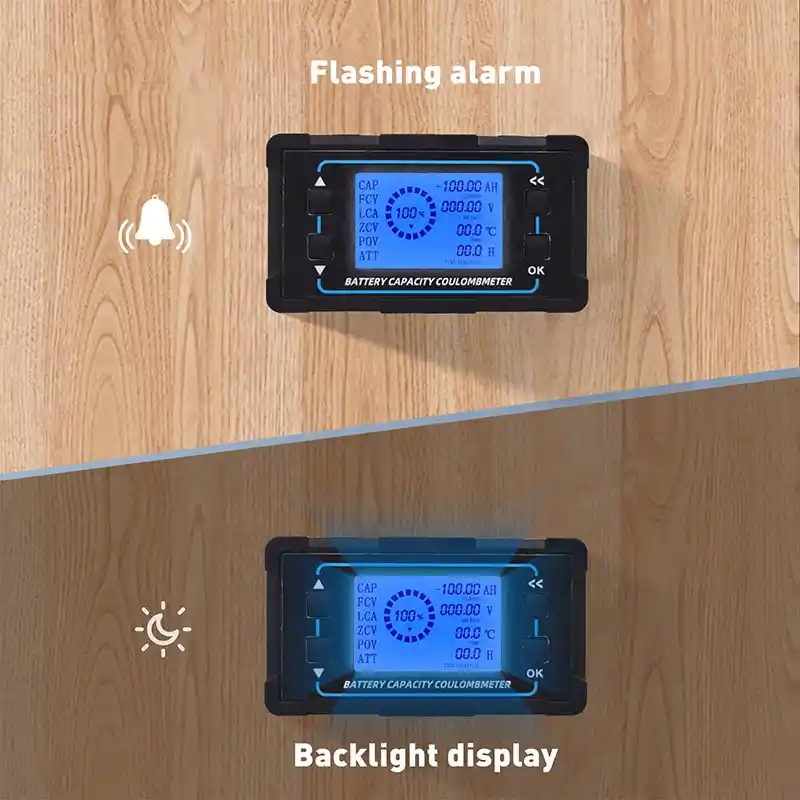
A good battery monitor should provide clear, instant readings of voltage, current, and remaining capacity. LCD or LED screens make it easy to check power status, even under bright sunlight. Many modern models also include Bluetooth or app connectivity, allowing campers to monitor energy levels directly from their smartphones.
2. Multi-System Compatibility
Outdoor setups vary — some campers use 12 V systems, others rely on 24 V or even 48 V battery packs. A versatile monitor supports multiple voltage types and integrates seamlessly with portable solar generators, RV power banks, and vehicle batteries. This flexibility makes it suitable for both short weekend trips and long off-grid adventures.
3. Ease of Installation and Portability
Because camping power systems are often temporary or mobile, the battery monitor should be compact, lightweight, and easy to install. Plug-and-play wiring and detachable sensors make it simple to set up or move between vehicles and solar systems without tools or complex calibration.
4. Protection and Build Quality
A reliable monitor must withstand outdoor elements such as dust, vibration, and moisture. Rugged casings, waterproof seals, and shock-resistant designs ensure long-term performance in challenging camping conditions.
How Can a Battery Monitor Enhance Your Solar-Powered Camping Setup?
Solar energy has become one of the most efficient and eco-friendly ways to power outdoor adventures. However, its performance is highly dependent on weather and load management. A battery monitor bridges the gap between unpredictable sunlight and reliable electricity supply, ensuring that campers always have full control over their off-grid energy systems.
1. Tracking Solar Input and Battery Storage in Real Time
A battery monitor continuously displays both solar input and battery output, helping users understand how much energy is generated and consumed throughout the day. On cloudy or rainy days, when solar generation drops significantly, the monitor’s data helps campers decide which devices to prioritize, ensuring essential tools like lighting and communication gear stay powered.
2. Optimizing Solar Charging Efficiency
Even efficient MPPT controllers can’t fully prevent power losses from poor panel alignment or low irradiance. With a battery monitor, users can visualize charging trends and detect inefficiencies instantly. For example, if solar input remains low during midday, repositioning panels or cleaning dust-covered surfaces can improve energy yield. This level of visibility helps maximize each watt captured from the sun.
3. Ensuring Stable Power for Sensitive Electronics
Outdoor setups often power sensitive devices such as drones, cameras, and portable fridges. Voltage instability may cause these devices to malfunction or even get damaged. A reliable monitor gives early warnings of voltage drops or irregular discharges, enabling quick adjustments like switching to backup batteries or reducing load to maintain system balance.
4. Enabling Smarter Off-Grid Planning
Beyond daily monitoring, many battery monitors store historical energy data. By analyzing these records, campers can plan future trips with better accuracy—deciding how many solar panels or batteries are necessary for multi-day journeys. This transforms solar camping from a trial-and-error experience into a data-driven, sustainable lifestyle.

How Does Smart Energy Management Extend Camping Comfort and Independence?
Camping freedom comes from the ability to live comfortably without depending on traditional power sources. A battery monitor, when combined with smart energy management, allows campers to achieve exactly that — efficient, predictable, and stress-free off-grid living. It transforms a simple power setup into a dynamic system that responds intelligently to your energy habits and environmental conditions.
1. Preventing Energy Anxiety Through Smart Alerts
One of the greatest challenges of long outdoor stays is uncertainty. Will the lights last all night? Will the fridge run out of power before dawn? Modern battery monitors eliminate this anxiety through intelligent alerts. Low-voltage and overload warnings notify users in advance, while visual or app-based notifications allow for instant response. This not only helps prevent total blackouts but also encourages better energy awareness — turning monitoring into proactive control.
2. Extending Off-Grid Independence with Smarter Load Planning
By observing consumption trends, campers can make smarter choices on when and how to use power-hungry devices. For example, heavy loads such as induction cookers or water pumps can be operated during daytime when solar input is at its peak. Meanwhile, lighting and communication tools can run during nighttime on stored energy. This intelligent scheduling enables longer, uninterrupted outdoor stays without relying on external power or generators.
3. Supporting Data-Driven Optimization and System Growth
Many advanced monitors record daily and historical data, creating a clear energy profile for each user. By reviewing these records, campers can determine whether their system needs more battery capacity, larger solar panels, or more efficient wiring. Over time, this helps build a personalized, optimized camping power solution that fits unique travel habits and energy goals.
4. Integrating with Smart Technologies for Next-Level Convenience
The evolution of battery monitoring goes beyond local screens. Bluetooth and Wi-Fi connectivity now allow remote control and data viewing through smartphones or tablets. Campers can check voltage levels, adjust load limits, or even diagnose faults without leaving their tents. This smart connectivity transforms traditional camping into a digital-ready, energy-independent experience — where comfort, safety, and control meet seamlessly in one ecosystem.
5. Enhancing Safety and Overall Peace of Mind
Smart energy management also strengthens safety. Stable voltage regulation protects sensitive electronics from surges, while real-time diagnostics minimize the risk of electrical faults. Whether powering medical devices, navigation systems, or LED lighting, a well-monitored setup ensures every camping journey remains both comfortable and secure.
Conclusion
A battery monitor is far more than a display screen—it’s the central intelligence of a modern camping power system. By providing accurate insights, preventing failures, and guiding efficient energy use, it empowers campers to enjoy longer, safer, and more comfortable adventures in nature. For reliable and innovative battery monitoring solutions tailored for outdoor and solar-powered setups, CARSPA offers trusted performance and durable design for every camping enthusiast.