
How Do Battery Chargers and RV Inverters Create Reliable Power Systems for Modern RVs?
Introduction
A reliable power backbone is essential for modern recreational vehicles—whether operating as off-grid living units, mobile workstations, or long-distance travel systems. With more users relying on sensitive electronics, refrigeration, lighting, HVAC systems, and entertainment appliances, maintaining consistent battery power and efficient AC/DC conversion has become a mission-critical requirement.
At the center of this capability sits the battery charger, paired closely with the RV inverter to create a stable, intelligent, and flexible mobile energy ecosystem. The charger restores battery capacity when connected to shore power, generators, or auxiliary supply sources, while the inverter converts stored DC energy into usable AC power on the road. Together, they form the core of hybrid RV energy management—ensuring availability, reliability, and uninterrupted operation across diverse load profiles.
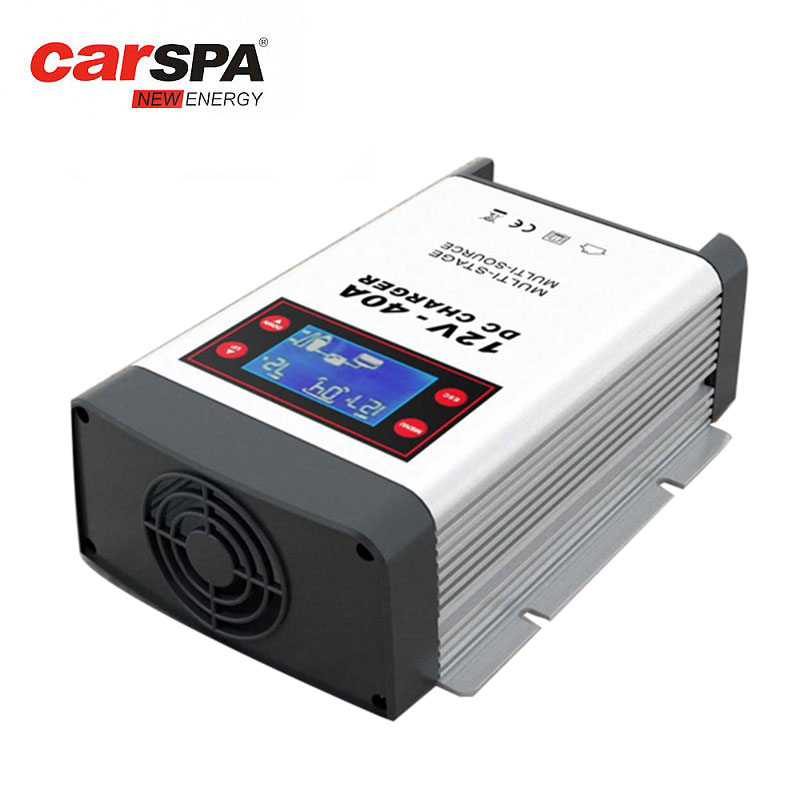
To support expanding energy demands, modern charging systems must deliver more than just charging functionality. They need to provide battery-specific charging profiles, overload protection, efficient energy conversion, and seamless communication with inverters and battery management systems. With the evolution of lithium batteries and smart RV electrical architecture, selecting the right charger has become a strategic decision rather than a simple component choice.
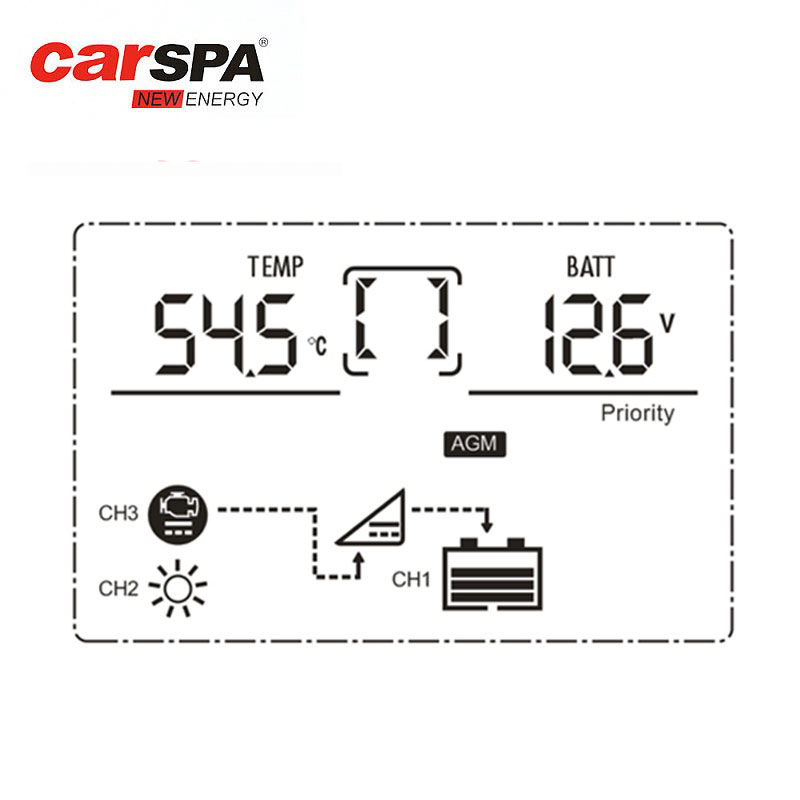
In this article, we explore how advanced battery chargers support high-performance RV inverter systems, why charging intelligence matters, and what parameters energy system planners should evaluate when designing or upgrading an RV power configuration.
What Role Does a Battery Charger Play in a Modern RV Power System?
A battery charger is the foundation of a dependable RV electrical system. It ensures that deep-cycle batteries remain healthy, fully charged, and ready to supply power at any time—whether the vehicle is parked at a campsite, plugged into a generator, or operating in hybrid mode. Unlike simple low-power chargers, RV-grade battery chargers are built to support high-capacity battery banks, multiple battery chemistries, and continuous duty cycles under varied environmental conditions.
Maintaining Stable Energy for On-Board Appliances
Reliable charging is essential for powering:
Air conditioning and heating systems
Refrigerators, induction cooktops, and water heaters
LED lighting, ventilation fans, and pumps
Navigation, communication, and infotainment systems
A well-configured charger prevents power dips and interruptions, ensuring appliances run seamlessly even when AC input fluctuates.
Supporting Off-Grid and Hybrid Power Modes
In modern RVs, power can come from multiple sources:
Shore power at campsites
Portable or onboard generators
Solar charging systems
Alternator charging while driving
A high-performance battery charger automatically adapts to these inputs, ensures proper charge distribution, and keeps batteries at optimal levels for extended off-grid use.
Ensuring Battery Longevity and Performance
RV batteries are expensive; maintaining them properly is critical. A battery charger plays a key role by:
Preventing overcharging and sulfation
Stabilizing voltage and preventing deep discharge
Applying staged charging to improve lifespan
This is especially important for lithium batteries, which demand precise voltage control and temperature-aware charging logic.
Preparing the RV for Peak Demands
From short weekend trips to long-term boondocking, demands vary. A capable battery charger ensures maximum stored energy before departure and fast recovery when power sources are available—supporting high-draw devices and sudden load changes without risk to battery health.
How Do Battery Chargers and RV Inverters Work Together for Stable On-Board Power?
A battery charger and RV inverter form the central power conversion and energy storage network inside an RV. While the charger restores battery capacity, the inverter transforms DC energy into AC power for household appliances. When properly integrated, they function as a unified energy management system that keeps onboard power stable and responsive under all operating conditions.
Coordinating AC Input and DC Output
When shore power or a generator is available, the battery charger activates to replenish the battery bank. At the same time, the inverter may continue supplying AC power to loads—or operate in bypass mode to pass utility power directly to circuits. This dynamic coordination ensures:
Batteries receive consistent and optimized charging
Appliances operate without interruption
Power switches seamlessly between sources without overload
Such coordination avoids voltage drops or relay delays that could damage sensitive electronics.
Automatic Priority Switching and Energy Routing
Modern inverter-charger architectures use intelligent switching logic to:
Prioritize shore power when available
Automatically switch to battery power during outages
Avoid generator overloading by balancing draw and charge rates
This “smart hybrid power path” guarantees seamless transitions whether the RV is cruising, parked, or off-grid.
Optimizing Power Conversion Efficiency
High-efficiency circuits in both battery chargers and inverters reduce waste heat and fuel consumption. This is especially important in:
Off-grid camping conditions
RV rental fleets
Mobile workshop or service vehicles
Lower energy losses translate to fewer charging cycles and longer system life.
Integrating with Solar and Alternator Charging
For RVs using solar panels, MPPT controllers, and high-output alternators, charger–inverter systems must coordinate properly to avoid:
Charge conflicts
Voltage spikes
Battery overheating or uneven cell balancing
Smart systems distribute power intelligently across all inputs, ensuring that solar energy is fully utilized and alternator support blends smoothly—enhancing total energy autonomy.

Why Is Smart Charging Technology Critical for Protecting RV Batteries?
Modern RV power systems rely heavily on battery lifespan, stability, and cycle durability. As battery technologies evolve—from traditional AGM and GEL to increasingly popular LiFePO₄ lithium packs—the charging system must deliver intelligent, battery-specific charging logic. Smart charging ensures optimal performance, safety, and protection across all operating conditions.
Adapting to Different Battery Chemistries
Different RV users deploy different battery types, and each chemistry has unique voltage requirements and charging curves:
| Battery Type | Charging Needs | Key Risk Without Smart Charging |
| Lead-acid / Flooded | Multi-stage charging, equalization | Sulfation, water loss |
| AGM / GEL | Controlled voltage, no equalization | Overcharge, reduced lifespan |
| LiFePO₄ | Tight voltage control, BMS comms | Thermal runaway, cell imbalance |
Smart battery chargers detect and apply correct profiles automatically, avoiding damage and maximizing charge acceptance.
Multi-Stage Charging for Longevity
Advanced chargers apply stages such as:
Bulk charge – rapid energy restoration
Absorption – controlled saturation for battery health
Float mode – maintaining full charge without stress
Equalization (lead-acid) – removing sulfation and restoring capacity
Each phase preserves battery structure and ensures optimal energy retention.
Temperature Compensation and Safety Protection
Temperature fluctuations inside an RV can be extreme. Smart chargers monitor thermal conditions to prevent:
Overheating and thermal shock
Excessive charging during cold conditions
Internal cell imbalance
This ensures safer charging cycles whether the RV is parked in hot desert zones or cold northern climates.
BMS and System Communication
With lithium batteries becoming standard, chargers increasingly interface with BMS systems via:
CAN communication
Voltage sensing and relay control
Overcurrent and thermal protections
This real-time coordination prevents dangerous events such as overvoltage, deep discharge, or battery disconnect under load.
Faster Charging, Lower Stress
Smart chargers manage charge speed dynamically:
Fast charging when capacity is needed
Gentle charging when batteries near full
Load detection to avoid system overload
This balance accelerates recovery while maintaining long-term health.
What Key Factors Should You Consider When Selecting a Battery Charger for RV Applications?
Choosing the right battery charger is a critical engineering and procurement decision in any RV power project. The charger affects system stability, battery life, charging speed, and safety. Selecting an under-rated or incompatible unit can lead to performance issues, battery damage, or unexpected power outages—especially in long-term mobile living or commercial fleet scenarios.
Charging Capacity and Output Power
The charger output must match the RV battery bank size and expected load conditions. Key considerations include:
Battery bank capacity (Ah/kWh)
Charging rate (A/Watts)
System voltage compatibility (12V, 24V, 48V)
A typical guideline is selecting a battery charger with 10%–20% of total battery AH capacity, adjusted for lithium fast-charging capability when applicable.
Battery Compatibility and Programmable Charge Profiles
The charger must support required chemistries, including:
Flooded lead-acid
AGM / GEL
Lithium (LiFePO₄)
Programmable voltage stages and battery-type presets ensure optimal charging and safety. For lithium, look for BMS communication capability and precise programmable absorption and float settings.
Shore Power and Generator Input Flexibility
RV power input sources vary widely. A suitable battery charger should accept:
110/220V shore power interfaces
Portable or onboard generators
Variable AC supply quality
Soft-start and power-factor optimization minimize generator strain and reduce tripping risks.
Cooling System and Thermal Design
RV compartments can be enclosed and hot. High-quality battery chargers feature:
Active cooling (fan-assisted ventilation)
Temperature-controlled thermal protection
Efficient heat dissipation structures
This ensures durability in summer heat or desert climates.
Safety and Protection Mechanisms
Look for industry-grade protections including:
Over-voltage / under-voltage protection
Reverse polarity protection
Over-temperature shutoff
Short-circuit and overload protection
Industrial-grade components ensure long-term reliability during continuous duty cycles.
Integration with RV Inverters and Solar Systems
Modern RV power systems often include:
Solar MPPT charge controllers
Hybrid inverter/charger units
Vehicle alternator charging
A charger that integrates seamlessly helps avoid cross-charging conflicts, reduces system stress, and supports coordinated energy routing.
Durability, Certifications, and Build Quality
Key reliability indicators:
Metal housing and robust electronics
Vibration resistance for mobile environments
IP protection rating
Certifications such as CE / RoHS / EMC
Choosing commercial-grade hardware ensures fault-free long-distance travel and harsh-environment operations.
How Can an Integrated Charging + Inverter System Improve Efficiency and Reduce Downtime?
In modern RV power architectures, combining the charger and inverter into a coordinated system—or using an inverter/charger unit—provides significant performance, reliability, and operational advantages. Rather than operating as two independent devices, an integrated solution manages power flows intelligently, reduces system bottlenecks, and ensures energy availability in diverse use scenarios.
Seamless Transition Between Power Sources
A coordinated system automatically detects and switches between:
Shore power
Generator input
Battery supply
Solar charging support (when integrated)
This ensures zero-interruption power delivery, preventing resets, appliance failure, or inverter dropouts—critical for refrigeration, HVAC systems, medical devices, and communication equipment.
Optimized Charging Efficiency and Battery Utilization
Integrated power modules optimize energy distribution by:
Sending precise charging currents based on SOC (state of charge)
Prioritizing AC bypass to reduce battery cycling
Automatically limiting charge current to protect generators
Preventing over-discharge to extend battery life
This results in reduced wear on batteries and longer system operating cycles between charge intervals.
Improved Heat Management and System Stability
Charger-inverter coordination avoids:
Overheating due to redundant conversion stages
Power spikes from asynchronous switching
Load surges that strain inverter output
With shared thermal management and protective logic, the system operates cooler and more reliably—especially in confined RV installations.
Lower Installation Complexity and Maintenance Cost
A unified architecture offers advantages such as:
Fewer cables and connectors
Simplified wiring and safety compliance
Lower installation time and labor cost
Centralized monitoring and diagnostics
This increases uptime and reduces the chance of wiring errors or loose connections.
Remote Monitoring and Smart Energy Management
High-end systems integrate digital control and communication functions, including:
On-board LCD+button interfaces
Bluetooth or Wi-Fi monitoring
Mobile app / cloud energy data visibility
BMS and CAN-bus compatibility
Fleet operators, rental RV companies, or full-time travelers benefit from proactive alerts, energy analytics, and remote troubleshooting.
Conclusion
A reliable RV power system requires more than just solar panels or batteries. The combination of a smart battery charger and a robust RV inverter unlocks stable off-grid operation, protects energy storage assets, and ensures continuous AC and DC power for essential appliances. By choosing intelligent chargers with adaptive battery profiles, integrated communication, and seamless inverter coordination, RV owners and system integrators can dramatically enhance long-term efficiency and performance.
When planning your next RV electrical upgrade or designing a professional mobile power platform, consider solutions engineered for endurance, temperature resilience, and long-term safety. Well-designed charging and inversion hardware ensures dependable operation—from remote campsites to commercial mobile service fleets.
For users seeking advanced, reliable, and field-proven power products, CARSPA offers a comprehensive range of battery chargers, RV inverters, inverter/charger combos, and mobile energy systems designed for demanding real-world applications.


