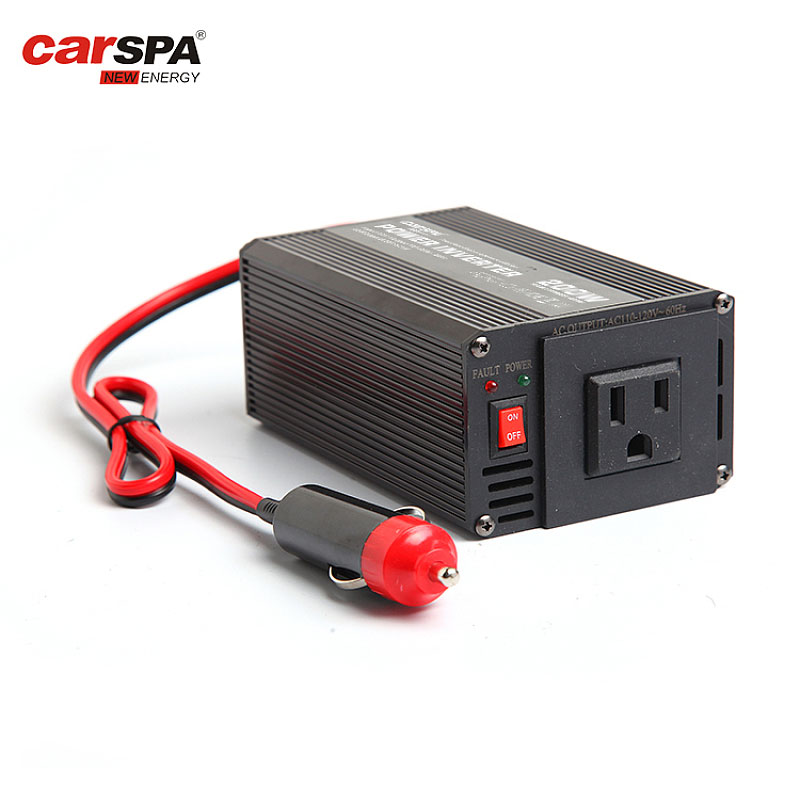
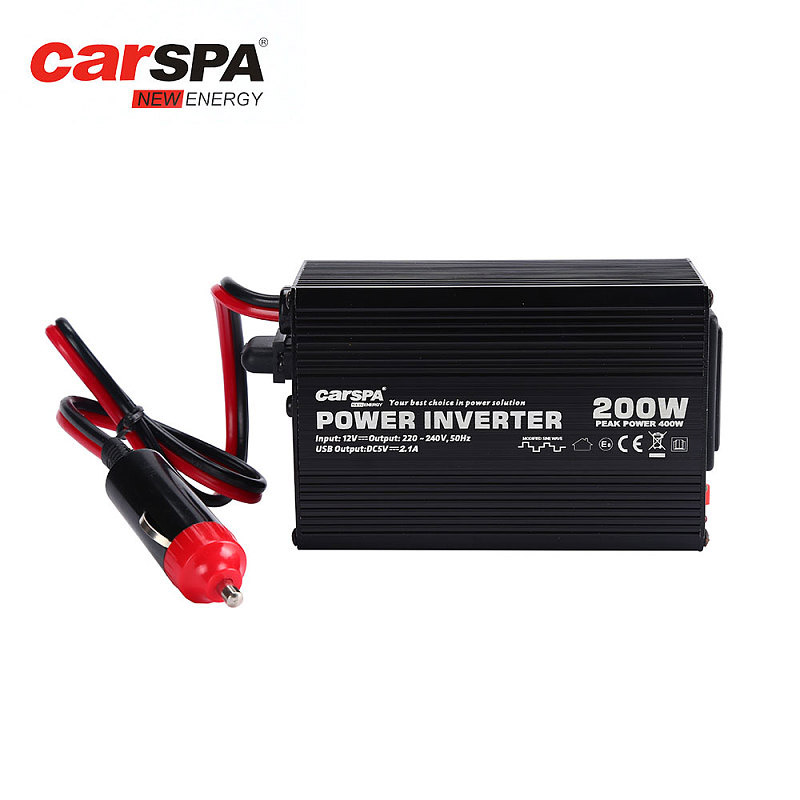
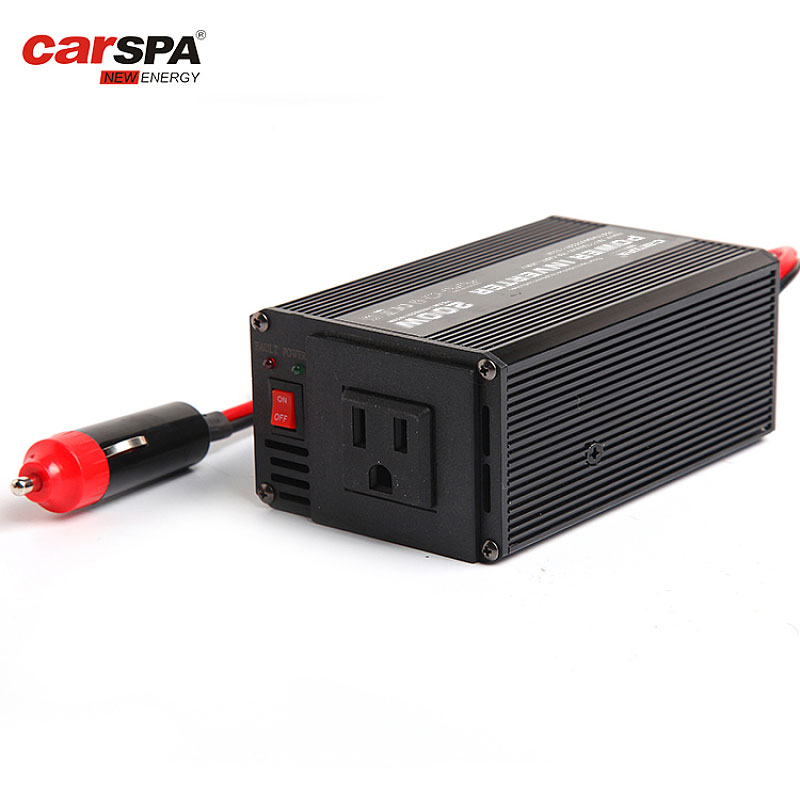
1000W Inverter for Boats & Yachts: Reliable Marine Power for Navigation & Onboard Systems
Introduction
Reliable onboard power is a fundamental requirement for today's marine environment, especially as boats and yachts evolve from simple recreational vessels into floating living and working spaces. Whether you operate a leisure yacht, fishing boat, diving charter vessel, or coastal utility craft, consistent AC electricity is no longer optional—it supports navigation systems, comfort equipment, communication devices, and essential safety tools. This is where a 1000W inverter plays a pivotal role, serving as the bridge between your battery bank and the AC-powered equipment you depend on at sea.

A 1000W inverter provides a practical balance between power capability and system efficiency for marine operations. It converts DC battery power into clean, usable AC energy, enabling small and medium-load devices to operate continuously without reliance on shore power or noisy generators. This is especially valuable in offshore environments where fuel consumption, acoustic disturbance, and vibration need to be minimized.
On modern boats and yachts, electric loads include refrigeration, pumps, lighting systems, communications, monitoring equipment, navigation electronics, and personal appliances used by passengers and crew. By delivering stable power output with low harmonic distortion, a 1000W inverter helps ensure sensitive electronics like GPS, fish finders, and radios run without interference. In addition, when paired with solar charging systems and deep-cycle marine batteries, it supports sustainable onboard energy management, extending time at anchor and enhancing operational independence.
From convenience to safety, a well-designed 1000W inverter enables vessels to operate more intelligently and efficiently at sea. In the following sections, we will explore practical marine applications, inverter selection criteria, and installation best practices to help you build a reliable power solution for your boat or yacht.
Why Is a 1000W Inverter Important for Stable Power Supply on Boats and Yachts?

Ensuring Essential AC Power When Away From Shore
Modern boats are increasingly self-sufficient,spending long periods away from marinas and shore power.A 1000W inverter converts battery DC power into clean AC electricity,enabling essential onboard devices to run smoothly while sailing,fishing,or anchored offshore.For marine operators,this means reliable power for safety equipment,communication tools,and day-to-day living systems without depending on a generator full-time.
Supporting Daily Marine Power Needs Without Oversizing
A 1000W capacity strikes an ideal balance for typical marine needs.It is large enough to operate common boat equipment like small refrigeration units,cabin lighting,navigation screens,and chargers—yet compact and efficient enough to conserve battery capacity.Unlike oversized inverters that waste idle power,a 1000W model fits perfectly for medium-duty vessel usage,especially on sailboats,fishing yachts,and coastal cruisers.
Generators remain essential for heavy loads,but continuous operation increases fuel use,noise,and vibration—uncomfortable for passengers and disruptive in quiet marinas.A 1000W inverter supplies silent AC power for long stretches,reducing generator cycles.This enhances the onboard experience and supports eco-friendly sailing practices.
Marine navigation electronics demand stable power quality.Sudden outages or voltage inconsistencies can interfere with GPS accuracy,radar clarity,and radio transmission reliability.A high-quality inverter with pure sine wave output ensures uninterrupted performance of:
GPS and chart plotters
AIS and VHF communication
Marine radar&fish finders
Autopilot control units
Stable AC output improves safety and prevents equipment wear during continuous operations offshore.
Enabling Power Independence During Extended Voyages
With more boaters equipping solar panels and lithium battery banks,a 1000W inverter becomes a key part of an independent off-grid power system.When paired with solar charging,it transforms vessels into self-reliant floating homes,allowing longer trips without relying on external power sources or harbor stays.
What Marine Appliances and On-Board Systems Can a 1000W Inverter Power Efficiently?
Stable AC power is essential for key navigation systems during cruising,docking,and offshore operation.A 1000W inverter can reliably support:
GPS and chartplotters
AIS transceivers and VHF radios
Fish finders and sonar systems
Marine Wi-Fi routers and antennas
Autopilot control processors
These electronics often draw modest power but require clean sine-wave output to avoid interference and signal distortion.A properly configured inverter ensures navigation stays precise and communication remains uninterrupted.
Cabin Comfort&Everyday Onboard Use
Passengers expect a comfortable environment on leisure yachts or charter vessels.A 1000W inverter can power daily living appliances,enhancing cabin comfort without running noisy generators:
LED cabin and deck lighting
Portable fans and ventilation
Small televisions or multimedia systems
USB chargers and laptop adapters
Electric kettles,coffee makers(small rating),food warmers
For long stays at anchor,the inverter provides hotel-like convenience with quiet operation—ideal for evening relaxation,fishing trips,or coastal cruising.
Essential Cold-Chain&Water Systems
Marine life requires consistent refrigeration and water handling.A 1000W inverter can support:
12V/220V compact refrigerators&mini freezers
Pressurized freshwater pumps
Small desalinator feed pumps(low power models)
Ice maker(low-profile,intermittent duty)
These loads often cycle automatically,so the inverter's surge capability and fast power response ensure smooth operation.
Maintenance&Deck Operations
Fishing and utility vessels require power for operational tasks.Typical supported tools and equipment include:
Battery chargers for radios,sonar buoys,cameras&drones
LED deck work lights
Small electric winches(conditioned to surge power limits)
Portable electric tools(drills,cutters under controlled load)
This improves vessel productivity without scaling to large generator systems.
Passenger&Crew Personal Devices
In modern yachting and charter tours,personal electronics are essential.A 1000W inverter supports:
Smartphones,tablets,laptops
Photography drones&GoPro chargers
E-readers,portable speakers
Navigation tablets&marine charting laptops
These devices ensure seamless communication,entertainment,and marine mapping updates.
Practical Power Notes
Simultaneous loads matter—refrigerator cycling plus chargers and navigation screens are manageable
Avoid connecting high-power appliances(air conditioners,induction hobs,large water heaters)
Managing duty cycles and surge loads prevents battery strain
A 1000W inverter meets the core needs of mid-size yachts,fishing craft,sport boats,and sailing cruisers—delivering power stability with minimal energy waste.
How Does a 1000W Inverter Improve Energy Efficiency and Safety in Marine Electrical Systems?
Reducing Fuel Use and Extending Quiet Running Time
On many vessels,generators remain the traditional AC power source—but they bring noise,vibration,fuel cost,and maintenance demands.A 1000W inverter enables long hours of silent power,especially when paired with solar charging and lithium batteries.Result:
Reduced fuel consumption
Longer quiet anchoring periods
Less wear on engines and gensets
More peaceful onboard environment for guests and crew
For yacht charters or leisure voyages,quiet operation dramatically improves comfort and customer experience.
Protecting Battery Bank Health and Preventing Over-Discharge
Marine electrical systems often operate under changing loads—starting pumps,radar pulses,and refrigeration cycles.A high-quality inverter protects energy storage systems through:
Low-voltage shutdown to avoid battery damage
Soft-start and load-smoothing algorithms
Over-current and overload protection
Over-temperature cutoff
These safeguards extend the lifespan of deep-cycle AGM,GEL,or LiFePO₄batteries and keep the vessel's DC backbone safe during long trips offshore.
Delivering Clean Sine-Wave Output for Sensitive Marine Electronics
Marine navigation instruments are highly sensitive to electrical noise.A pure sine-wave 1000W inverter provides:
Stable AC frequency and voltage
Low total harmonic distortion(THD)
Smooth waveform for delicate electronics
This prevents interference with:
GPS accuracy and radar clarity
VHF/AIS radio transmission
Autopilot performance
Depth sounder precision
Stable energy equals stable navigation—critical when maneuvering in tight harbors or offshore channels.
Minimizing Risk of Electrical Failures in Marine Environments
Salt air+humidity+vibration=one of the harshest electrical environments.Marine-designed inverters include:
Anti-corrosion coatings and sealed components
Temperature-controlled cooling systems
Vibration-resistant assembly
Ground fault,short-circuit and reverse-polarity protection
These features reduce the risk of:
Overheating
Unexpected shutdowns during voyages
Electrical fires
Galvanic corrosion issues
Safety is non-negotiable on water,and a properly specified inverter becomes a protection layer between AC loads and your battery system.
Supporting Smart Energy Management and Solar Integration
Modern yachts increasingly adopt solar for silent energy replenishment.A suitable 1000W inverter:
Works with MPPT charge controllers
Supports lithium BMS communication or stable standalone operation
Enables hybrid charging(solar+alternator+shore)
This improves off-grid autonomy,making long coastal cruising or extended anchoring practical without frequent port visits.
What Key Features Should You Consider When Selecting a 1000W Inverter for Marine Use?
Pure sine wave(THD≤3%)to avoid noise on AIS/VHF,fish finders,radar,autopilot.
Stable 230Vac/50Hz(or 120Vac/60Hz)with tight regulation under varying loads.
Crest factor&surge(≥2×for 1–3s)to start compressors,pumps,and small motors.
2)Continuous Power&Surge:Is 1000W really enough for your loads?
Nameplate vs.real output:verify continuous 1000W at 25–40°C,not just at room-lab temps.
Appliance audit:add up simultaneous loads(fridge+lights+chargers)and allow 20–30%headroom.
Motor start margin:check LRA/starting watts of pumps or small tools to confirm surge suffices.
3)DC Input&Battery Compatibility:Will it play nicely with your bank?
Supported chemistries:AGM,GEL,Flooded,LiFePO₄(preferred for marine house banks).
Low-voltage cutoff profiles adjustable for LiFePO₄vs lead-acid;high-voltage cutoff for alternator spikes.
Wide input window(e.g.,10.5–15.0V for 12V banks)to tolerate charge phases and voltage sag.
Idle draw/no-load consumption:look for≤10W(or eco/sleep mode)to save overnight capacity.
4)Marine Durability:Can it survive salt,humidity,and vibration?
Conformal-coated PCB,tinned copper bus bars,stainless fasteners.
Ingress&airflow:screened intakes;at least IP21–IP23 for cabin installs(higher if exposed).
Anti-vibration mounts and reinforced chassis for pounding seas.
Corrosion-resistant terminals with proper strain relief for heavy DC cables.
5)Thermal Design:Will it derate under real cabin temperatures?
Efficiency≥90%to reduce waste heat.
Temperature-controlled fans(or hybrid passive/active cooling)and over-temp derating curves published.
Clear service airflow guidance(min.clearance,duct options)to avoid heat soak.
6)Electrical Safety&Protection:Is it built to prevent onboard hazards?
Comprehensive protections:over/under-voltage,over-current,short-circuit,reverse polarity,over-temp.
RCD/GFCI outlets or compatibility with downstream RCDs.
Neutral-to-ground bonding policy clearly documented for use with transfer switches/shore power—avoid back-feed.
Isolation&leakage specs to minimize stray currents and galvanic issues.
7)EMC/EMI Performance:Will it keep radios and GPS clean?
Low conducted/radiated emissions;internal input/output filtering.
Proper grounding layout guidance to avoid antenna and helm interference.
Ferrite and cable routing recommendations included in the manual.
8)Interfaces&Monitoring:Can you operate it from the helm?
Remote on/off panel with status LEDs or display;long cable runs supported.
Battery metrics(voltage,load watts,fault codes).Optional Bluetooth/CAN for integration with onboard monitors/BMS.
Hardwire AC kit for clean connection to a small sub-panel(rather than loose sockets).
9)Form Factor&Installation Practicality:Will it fit your compartment?
Compact footprint and front-access terminals for tight lockers.
Marine-grade lugs accepting large-gauge,short DC runs(keep voltage drop<3%).
Clear mounting orientation rules and drip shields for condensation paths.
10)Certification&Documentation:Is it proven and well-supported?
Look for reputable CE/UKCA,RoHS,and marine-relevant EMC standards;thorough installation manual with wiring diagrams.
Warranty&service network with spare parts/fans readily available.
How to Install and Maintain a 1000W Marine Inverter for Reliable Performance on Water?

Choose the Right Installation Location
Marine spaces are compact and exposed to vibration,moisture,and salt air.Proper placement protects the inverter and ensures reliable performance.Best practices include:
Install in a dry,ventilated compartment—not in direct splash zones
Avoid engine rooms unless rated for high temperature/humidity
Mount securely with vibration-proof fasteners
Keep away from fuel lines,exhaust systems,and battery gases
Maintain clear airflow around intake and exhaust vents
A well-ventilated cabin locker or electrical panel bay is ideal for most vessels.
Use Marine-Grade Wiring and Protection Devices
DC cable integrity is critical onboard.Under-sized or corroded wiring causes heat,voltage drop,and failure.Recommended standards:
Tinned copper marine-grade cables
Short,thick DC cables to minimize loss(voltage drop<3%)
Correct fuse or circuit breaker within 20–30 cm of the battery
Proper grounding per marine standards
Heat-shrink&sealed lugs to resist corrosion
Consult ABYC or equivalent marine wiring guidelines for professional compliance.
Integrate With Battery&Charging Systems
Marine power systems often combine alternator,solar,and shore charging.Installation considerations:
Confirm compatibility with AGM,GEL,Flooded,or LiFePO₄banks
Ensure battery disconnect switch is in place
Verify neutral-ground bonding method for shore/generator switching
Use transfer switch to avoid back-feeding into shore power or genset
Correct electrical integration prevents power conflicts and protects equipment.
Cooling&Ventilation Maintenance
Salt and dust can block airflow and raise internal temperatures.Routine care includes:
Cleaning fan intakes and grills
Checking airflow clearance monthly
Ensuring fans activate under load
Avoiding storage of gear against the inverter chassis
Good cooling=stable output and longer life.
Routine Safety&Performance Checks
Before long voyages or seasonal use,inspect the system for:
Tight,corrosion-free terminals
Secure mountings and undamaged insulation
Clean ground and bonding points
Stable output voltage under load
No error codes or unusual fan noise
Add inverter checks to your standard marine maintenance list.
Smart Operating Habits for Longevity
Operator practice affects inverter life.Marine usage tips:
Avoid running high-surge loads simultaneously
Shut down inverter when not needed to save battery
Monitor battery voltage and state-of-charge
Use eco-mode when anchored overnight
Keep a spare fuse and terminal tools onboard
Consistent,mindful operation ensures safe and efficient power supply at sea.
✅Summary of Marine Installation Principles
| Area | Key Point |
| Location | Dry,ventilated,vibration-resistant |
| Wiring | Tinned copper,correct gauge,short runs |
| Protection | Fuse near battery,proper grounding |
| Cooling | Maintain airflow&fan function |
| Operation | Monitor load&battery health |
Conclusion
A 1000W inverter offers the ideal blend of efficiency,power capacity,and marine durability for small to mid-size vessels.From navigation electronics and refrigeration to communication gear and living comforts,it delivers quiet,stable AC power far from shore.When installed with marine-grade components and maintained properly,it becomes a long-term partner for safer,quieter,and more independent voyages.
Trusted brands such as CARSPA provide marine-optimized 1000W pure sine wave inverters engineered for long-term reliability in challenging ocean environments,helping vessels operate efficiently both near the coast and offshore.