
How Does a Battery Monitor Optimize Performance and Reliability in Photovoltaic Systems?
Introduction
In the rapidly growing field of solar energy, efficiency and reliability have become the defining goals of every photovoltaic (PV) system. Whether installed in residential rooftops, off-grid cabins, or large commercial power plants, each component must perform in harmony to ensure stable energy generation and storage. Among all the PV tool items used by engineers and system integrators, the battery monitor stands out as one of the most practical yet often underestimated devices.
A battery monitor functions as the “nervous system” of a PV energy storage setup. It provides continuous insights into key parameters such as voltage, current, temperature, and state of charge (SOC), allowing users to understand how effectively their batteries are performing. By visualizing these metrics in real time, it helps detect early signs of imbalance, aging, or inefficiency—issues that could otherwise lead to system failure or costly downtime.
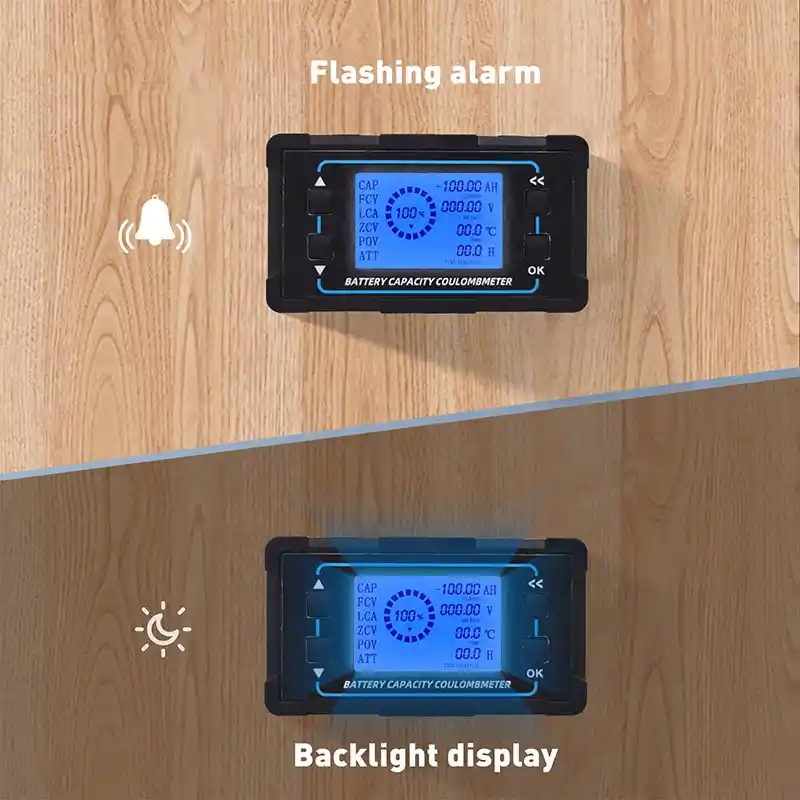
As PV systems evolve toward higher automation and smart management, battery monitors have transitioned from optional accessories to essential components. They not only protect the battery bank from overcharging or deep discharging but also optimize the overall energy flow between solar panels, inverters, and storage units. In essence, a well-designed battery monitor is more than a diagnostic tool—it is a cornerstone of intelligent energy management that enables solar systems to operate with maximum stability and sustainability.
What Is a Battery Monitor and Why Is It Essential in Photovoltaic Systems?
A battery monitor is an intelligent measuring device designed to track the real-time status of energy storage systems, especially within photovoltaic (PV) setups. It measures parameters such as voltage, current, power, and the state of charge (SOC), providing users with precise information about the health and performance of the battery bank. In essence, it acts as the “energy dashboard” for solar power systems — ensuring that every watt generated from solar panels is efficiently stored, managed, and utilized.
Understanding Its Core Role in Solar Systems
In a PV system, the flow of energy between solar panels, inverters, and batteries must remain balanced to maintain efficiency and system stability. The battery monitor serves as a bridge between generation and storage, tracking how much energy is being charged into or discharged from the batteries. Without it, operators would be working blind, unaware of the true condition of their power reserves.
By accurately calculating the remaining battery capacity, it prevents deep discharge or overcharging — two of the most common causes of battery degradation. This ensures that batteries deliver consistent power for longer periods and reduces replacement costs.
Supporting Off-Grid and Hybrid Applications
In off-grid installations or hybrid systems where solar power coexists with diesel generators or the main grid, a battery monitor provides critical decision-making data. For instance, it allows the controller to determine when to switch energy sources, when to charge the batteries, and when to reduce load demand. This smart management directly improves the resilience and autonomy of PV systems operating in remote or variable environments.
Foundation for Energy Optimization and Safety
Beyond energy tracking, modern battery monitors enhance overall system safety. They can trigger alarms or communicate with controllers when voltage or temperature exceeds preset thresholds, thereby preventing thermal runaway or potential system failure. With continuous data feedback, operators gain visibility into battery health trends, making preventive maintenance more effective and less costly.

How Does a Battery Monitor Improve Energy Efficiency and System Performance?
In modern photovoltaic systems, energy management is no longer just about generation — it's about precision, optimization, and control. A battery monitor plays a central role in achieving these goals by ensuring that the flow of energy between solar modules, charge controllers, and storage batteries is continuously balanced and intelligently regulated.
1. Real-Time Monitoring for Accurate Energy Control
A reliable battery monitor provides a live overview of the entire storage cycle — tracking charge and discharge currents, voltage levels, and power usage at every moment. This data allows system operators to understand how efficiently solar energy is being captured and utilized.
By continuously measuring State of Charge (SOC) and State of Health (SOH), it ensures that batteries are neither overused nor undercharged. The result is a smoother, more consistent energy supply and fewer operational disruptions — a crucial advantage in regions with unstable sunlight or fluctuating loads.
2. Optimizing Charge and Discharge Cycles
Every battery has a limited number of charge cycles, and improper energy flow can shorten its lifespan. A battery monitor helps optimize this process by signaling when the charge controller should slow down or stop charging, or when inverters should reduce output to prevent deep discharge.
This intelligent control not only protects the battery's health but also improves the overall round-trip efficiency of the PV system — meaning that more of the energy produced by the panels is effectively stored and used. Over time, this contributes to significant savings in both energy losses and maintenance costs.
3. Data-Driven System Diagnostics and Maintenance
By logging operational data, a battery monitor serves as a diagnostic tool for engineers and maintenance teams. Long-term analysis of current, voltage, and temperature trends helps detect anomalies such as unbalanced cells, aging batteries, or wiring inefficiencies.
Instead of relying on reactive repairs after a system fault, operators can make predictive maintenance decisions, minimizing downtime and ensuring uninterrupted solar energy supply.
4. Integration with Smart PV Components
Modern battery monitors often feature communication interfaces such as RS485, CAN, or Bluetooth, enabling them to interact seamlessly with other PV components — MPPT controllers, hybrid inverters, and energy management systems. This interconnected ecosystem allows for real-time data sharing and algorithmic optimization, ensuring maximum energy yield under varying environmental conditions.
In short, a battery monitor transforms a traditional solar system into an intelligent, adaptive network that actively manages power flow, safeguards storage assets, and enhances long-term performance.
Why Should PV Installers Include Battery Monitors as Standard PV Tool Items?
In every professional photovoltaic (PV) installation toolkit, the battery monitor deserves a permanent place alongside multimeters, MPPT controllers, and wiring tools. It is not merely a diagnostic accessory — it is a precision instrument that ensures solar energy systems operate efficiently, safely, and predictably over their lifetime. As solar projects become increasingly complex and data-driven, including a battery monitor as a standard PV tool item is both a technical and economic necessity.
1. Essential for Accurate Commissioning and System Calibration
During the initial installation and commissioning phase, a battery monitor allows technicians to verify that charging parameters align with design specifications.
By monitoring real-time current and voltage behavior, installers can confirm whether the system's charge controller and inverter are functioning as intended, detect potential wiring errors, and adjust the system for maximum energy capture.
Without this level of visibility, even minor connection issues could lead to significant efficiency losses over time.
2. Preventing Unexpected System Failures
For off-grid or hybrid PV systems operating in remote environments, an undetected fault in the battery bank can cause costly downtime.
A battery monitor helps identify irregularities such as voltage imbalances, overheating, or over-discharge before they evolve into major system failures.
By setting alarm thresholds or using smart alerts, it gives maintenance teams early warning to replace or rebalance components, ensuring that power delivery remains uninterrupted and safe.
3. Providing Reliable Data for System Evaluation and Warranty Claims
Installers and system integrators are often required to validate system performance to clients, investors, or warranty providers.
A battery monitor records valuable operational data that can serve as evidence of proper system usage and compliance with performance guarantees.
This traceability builds trust between installers and end users while simplifying after-sales service and technical reporting.
4. Supporting Continuous Improvement and Remote Supervision
As solar energy systems move toward digitalization, remote monitoring is becoming a new standard. Many modern battery monitors can transmit performance data via Bluetooth, Wi-Fi, or cloud platforms.
This allows technicians to remotely track multiple installations, analyze system behavior across different sites, and fine-tune configurations without being physically present.
For large-scale PV projects, such integration significantly reduces maintenance time and operational costs.
Including a battery monitor in every PV tool kit is therefore not a luxury but a strategic investment in quality assurance, reliability, and long-term customer satisfaction. It empowers installers with data, prevents costly oversights, and establishes a foundation for smart and sustainable solar system management.
What Features Should You Look for When Choosing a Battery Monitor for Solar Applications?
Selecting the right battery monitor is critical to ensuring accurate measurement, safe operation, and long-term reliability of photovoltaic (PV) energy storage systems. Not all battery monitors are created equal — the most effective models are designed to handle the dynamic charging patterns, environmental challenges, and data integration needs of modern solar systems. Below are the key features and technical considerations every installer or engineer should evaluate before making a selection.
1. Comprehensive Monitoring Parameters
A high-quality battery monitor should measure more than just voltage. It must include parameters such as:
Current (charging/discharging): Indicates whether the battery is being charged or supplying energy.
Power and Energy Flow: Displays the direction and efficiency of power conversion.
State of Charge (SOC): Shows the available energy remaining in real time.
State of Health (SOH): Reflects long-term battery capacity and degradation status.
Temperature: Prevents thermal stress or runaway events.
Having these readings combined in one device allows for accurate energy management and system diagnostics — critical for maintaining both efficiency and safety in solar environments.
2. Compatibility with Solar-Specific Systems
Battery monitors used in PV applications must communicate effectively with inverters, charge controllers, and data loggers. Models that support RS485, CAN bus, or Modbus protocols enable seamless integration into energy management systems (EMS).
This compatibility ensures that charging behavior and load distribution are dynamically adjusted based on real-time feedback, resulting in optimized power conversion and minimal energy waste.
3. Precision and Data Logging Capabilities
Accuracy is vital when dealing with renewable energy systems. A monitor with high-resolution measurement sensors (for example, ±0.4% precision) ensures reliable readings even under fluctuating sunlight conditions.
Built-in data logging or SD card storage allows for long-term trend analysis — a valuable resource for performance audits, troubleshooting, and warranty tracking.
4. User Interface and Connectivity Options
Modern battery monitors now feature LCD or OLED displays with intuitive visual indicators for current, SOC, and alarm status.
For advanced setups, wireless connectivity such as Bluetooth or Wi-Fi offers mobile app monitoring and cloud-based analytics. This allows users or engineers to access live data remotely, making system oversight far more efficient — especially across distributed solar installations.
5. Robust Design for Harsh Environments
PV systems often operate outdoors or in high-temperature regions. The chosen battery monitor must have a wide operating temperature range, moisture resistance, and durable enclosures rated at least IP54 or higher.
Industrial-grade terminals and over-voltage protection further ensure long-term stability, even in remote or desert environments common in large solar projects.
6. Safety Alarms and Automated Protection
A well-designed battery monitor acts as a safety guard. Integrated protection features such as overcharge/discharge alarms, short-circuit warnings, and temperature cutoffs can prevent catastrophic failures and protect expensive battery banks.
When combined with system automation, these alerts can trigger automatic shutdowns or load shedding to maintain system balance and protect connected devices.
Choosing a battery monitor with these capabilities transforms an ordinary solar setup into an intelligent and responsive energy management system — one that not only measures but actively protects and optimizes every aspect of power storage and distribution.

How Do Smart Battery Monitors Support the Future of Intelligent PV Energy Management?
As solar power systems evolve from isolated installations into interconnected, data-driven networks, the battery monitor has become a core component of intelligent energy management. Modern designs go beyond simple measurement—they integrate analytics, connectivity, and automation to help PV systems operate efficiently, sustainably, and intelligently. In the era of smart energy, battery monitors are no longer just “tools”; they are the brains behind optimized energy storage and distribution.
1. Integration with Smart Energy Platforms
Next-generation battery monitors can communicate seamlessly with energy management systems (EMS) and IoT-based monitoring platforms.
Through communication protocols such as RS485, CAN, or Wi-Fi, they transmit data on battery health, power flow, and temperature to centralized dashboards.
This real-time connectivity enables operators to analyze performance across multiple installations, predict system behavior, and make immediate adjustments — a vital step toward achieving smart grid compatibility and distributed energy intelligence.
2. Predictive Maintenance and Data Analytics
Smart battery monitors collect continuous operational data that can be analyzed using advanced algorithms or AI-based diagnostics.
By identifying patterns in charge/discharge cycles, temperature variations, or performance drops, the system can predict potential failures before they happen.
This predictive maintenance approach minimizes unplanned downtime, reduces field service costs, and ensures maximum uptime of solar installations — particularly important for large-scale commercial or industrial PV systems.
3. Cloud-Based Monitoring and Remote Access
The shift toward cloud-based energy supervision allows battery performance data to be stored, visualized, and managed online.
Technicians or energy managers can access live dashboards from anywhere, receiving instant notifications when abnormalities occur.
This remote accessibility enhances flexibility and operational control, making it possible to maintain solar systems deployed in remote regions or across different time zones with minimal on-site intervention.
4. Enhancing Energy Autonomy and Microgrid Applications
In hybrid or off-grid environments, intelligent battery monitors are key to ensuring smooth coordination between solar panels, inverters, and backup power sources.
They enable real-time decision-making about when to store, supply, or conserve energy — balancing power demand automatically to maintain grid stability.
For microgrids and distributed PV systems, this translates into greater energy autonomy, lower carbon emissions, and more sustainable community-level power solutions.
5. Enabling Future-Ready PV Systems
As renewable energy systems embrace digital transformation, the battery monitor's role will expand further.
It will not only measure but also optimize and forecast energy flow, integrating with smart meters, load controllers, and even AI-based energy trading platforms.
These innovations make it possible to transform traditional PV systems into self-learning energy ecosystems that operate with minimal human intervention and maximum efficiency.
Conclusion
In the rapidly advancing world of solar technology, the battery monitor stands as a silent yet indispensable guardian of performance and reliability.
By merging precise measurement with intelligent connectivity, it empowers photovoltaic systems to operate smarter, last longer, and deliver consistent power under any condition.
For installers, engineers, and energy developers, investing in high-quality monitoring devices is no longer optional — it's a prerequisite for future-ready solar energy infrastructure.
Reliable and innovative solutions such as those provided by CARSPA continue to redefine how battery monitors support the next generation of photovoltaic systems — combining durability, precision, and smart control to drive solar energy forward.


