
What Makes a Battery Charger Essential for Outdoor Equipment and Operations?
Introduction
In outdoor environments where stable electricity is not always available, maintaining consistent power becomes a critical challenge. Whether you are operating communication equipment in remote locations, powering portable lighting for construction sites, or running surveillance systems in the field, having a dependable battery charger is essential. Unlike indoor applications where power sources are steady and predictable, outdoor conditions can be harsh—temperature fluctuations, dust, humidity, and unpredictable weather can all affect the performance of electrical equipment.

A reliable battery charger ensures that every device stays powered and ready when needed. It not only restores energy efficiently but also protects batteries from overcharging, overheating, or deep discharge—problems that are common in uncontrolled environments. For professionals who depend on uninterrupted operation in the field, from technicians to maintenance teams and outdoor system integrators, choosing the right battery charger can determine whether a project runs smoothly or encounters costly downtime.
Modern outdoor battery chargers are designed with advanced technologies such as intelligent multi-stage charging, adaptive current control, and ruggedized enclosures. These innovations ensure safety, reliability, and performance, even in demanding conditions. As industries and outdoor power users seek greater autonomy and mobility, the role of a durable, high-efficiency battery charger has never been more important.
Why Do Outdoor Applications Require a Reliable Battery Charger?
When working or operating equipment outdoors, power supply stability becomes unpredictable. A battery charger serves as the bridge between energy sources and operational reliability. Unlike grid-connected systems, outdoor setups often depend on stored energy from batteries, solar panels, or generators. Without a reliable charger, these power systems can quickly lose efficiency and become vulnerable to environmental stress.
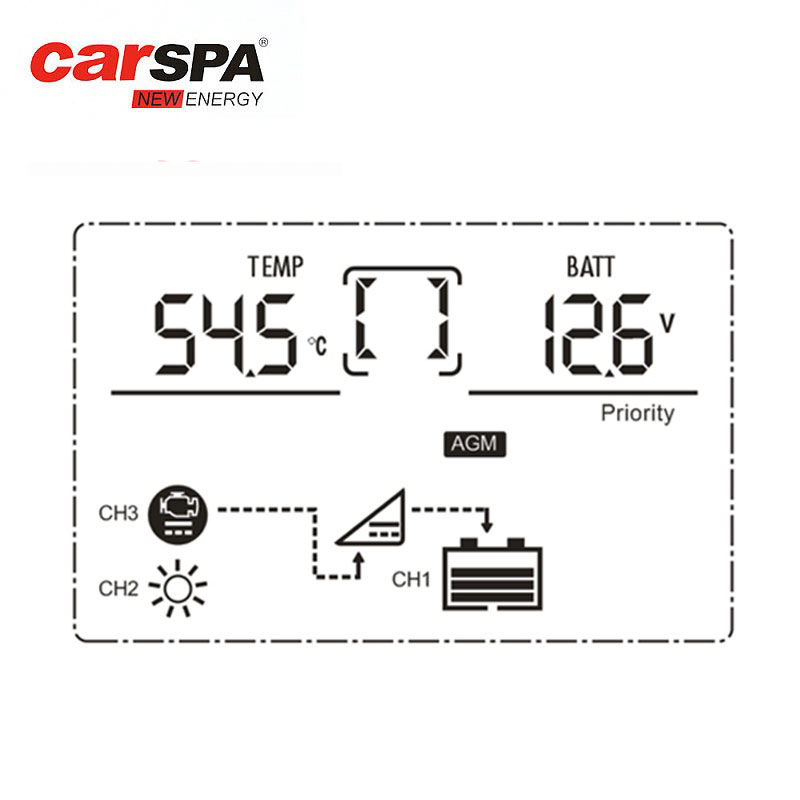
Power Challenges in Outdoor Environments
Outdoor environments are exposed to wide temperature swings, moisture, and dust—all of which can degrade electrical performance. Low-quality chargers may fail under these conditions, causing unstable voltage output, poor charging efficiency, or even damage to batteries. A dependable charger is engineered to handle such conditions, maintaining steady power flow and preventing voltage fluctuations that harm connected devices.
Critical Role in Power-Dependent Operations
Applications such as camping power systems, mobile workshops, field monitoring equipment, and outdoor communication units all rely heavily on consistent battery charging. Interruptions in power can halt operations, affect data collection, or compromise safety systems. Reliable chargers ensure that devices continue to function even when sunlight or generator power is intermittent.
Sustainability and Energy Efficiency
Modern outdoor systems increasingly depend on renewable energy sources like solar power. High-quality battery chargers with intelligent regulation ensure efficient energy conversion, maximizing the use of every watt generated. This not only improves sustainability but also reduces the overall cost of outdoor power management.
How Does a High-Quality Battery Charger Ensure Safety and Efficiency in the Field?
A reliable battery charger is not just about delivering power—it's about doing so safely and efficiently. Outdoor conditions can expose both the charger and connected devices to electrical risks, so advanced safety mechanisms are crucial for smooth operation.
Multi-Stage Charging and Battery Protection
Modern chargers employ intelligent multi-stage charging—bulk, absorption, and float phases—to optimize charging speed and maintain battery health. This prevents common problems such as overcharging, sulfation, and thermal runaway, which can drastically shorten battery life.
Stable Output and Voltage Regulation
Outdoor charging often depends on unstable energy sources such as portable generators or solar panels. A high-quality battery charger stabilizes the voltage and current, ensuring consistent performance even when the input fluctuates. This guarantees that sensitive electronics, tools, or lighting systems receive safe, regulated power.
Efficiency and Time Optimization
Fast charging efficiency matters when time is limited and mobility is essential. Advanced power conversion technology allows chargers to deliver high current while minimizing energy loss. This ensures batteries reach full capacity faster, supporting longer equipment operation in the field.
Enhanced Safety Features
Top-tier chargers include built-in protections such as reverse polarity, short-circuit, and overload safeguards. These features prevent damage to both the charger and battery, reducing the risk of downtime and ensuring peace of mind during outdoor operations.
What Features Make a Battery Charger Suitable for Outdoor Environments?
Outdoor environments can be unpredictable — from extreme heat and humidity to cold mornings and dusty work sites. A battery charger designed for such conditions must offer far more than basic charging ability. It should combine durability, adaptability, and intelligence to ensure consistent performance no matter where it's deployed. Below are the key features that distinguish a truly outdoor-ready charger from a conventional one.
Rugged and Weather-Resistant Design
When a battery charger is used outdoors, it is often exposed to harsh weather, vibrations, and uneven surfaces. Chargers built for these conditions are enclosed in IP-rated housings, which protect against dust ingress and water spray. Some are even fully sealed with epoxy coatings to prevent corrosion caused by salt air or moisture. In construction sites, marine environments, and remote monitoring stations, this rugged build quality prevents premature failure and minimizes maintenance needs.
Moreover, the shock-resistant casing absorbs mechanical impact, ensuring stable operation during transportation or installation. This is especially valuable for mobile workshops, emergency service vehicles, and outdoor surveillance systems that frequently move between sites.
Wide Temperature and Environmental Tolerance
Temperature extremes can significantly affect a charger's performance and lifespan. Outdoor battery chargers must operate efficiently within a wide range — often from –20°C to +60°C or beyond. Advanced thermal management systems, such as built-in temperature sensors and intelligent cooling fans, help maintain safe internal temperatures and optimize charging voltage according to ambient conditions. This adaptive response ensures reliable charging whether the device is used in desert heat or mountain cold.
Versatile Compatibility and Multi-Voltage Support
Field professionals often use multiple types of batteries — lead-acid, AGM, gel, or lithium-ion. A well-designed outdoor charger includes auto-detection and adjustable charging modes to handle these various chemistries. In addition, multi-voltage support (for instance, 12V/24V/48V systems) provides flexibility for different setups, such as solar power stations, off-grid cabins, or outdoor event systems.
Such adaptability eliminates the need for multiple chargers, making operations more streamlined and cost-efficient. For mobile setups, universal AC/DC input ranges also allow the charger to run on different power sources, whether it's a generator, inverter, or direct solar array.
Portability and Smart Integration
In outdoor work, portability matters. Compact, lightweight designs with carry handles or mounting brackets make setup easier and reduce strain during transport. Many modern chargers now feature digital displays, Bluetooth connectivity, or smart monitoring apps, allowing users to track voltage, current, and battery health remotely. This real-time insight reduces the risk of overcharging and helps identify performance issues before they become critical.
Reliability Under Stress
The best outdoor battery chargers undergo extensive testing for vibration, salt fog, and high humidity to guarantee endurance in field operations. Their internal components—such as IGBTs, capacitors, and transformers—are selected for long life cycles and stable heat dissipation. The goal is clear: provide uninterrupted, safe charging performance even in environments where maintenance access is difficult or impossible.
In short, a charger suitable for outdoor environments combines protection, flexibility, and intelligence. It's not merely about recharging batteries; it's about empowering professionals with dependable energy in locations where every watt counts.
How to Choose the Right Battery Charger for Outdoor Use?
Selecting the right battery charger for outdoor applications involves much more than just checking voltage ratings. It requires understanding the equipment's energy needs, environmental exposure, and operational goals. A poor match between the charger and the system can lead to inefficient charging, shorter battery life, or even safety risks. Here's how to make an informed choice.
Step 1: Assess Power Requirements and Battery Type
Start by identifying your system's total load and the battery chemistry you are using. Lead-acid, AGM, and lithium batteries each have distinct charging profiles. A professional-grade charger should allow you to set or automatically recognize these parameters. For instance, lithium batteries require precise voltage control to maintain cell balance, while AGM batteries benefit from pulse charging modes that minimize sulfation. Choosing a charger with multi-mode charging capability ensures compatibility with future upgrades.
Step 2: Consider Operating Conditions
If your system is installed in remote or extreme environments, the charger's build quality becomes crucial. Opt for units with weatherproof enclosures, reinforced connectors, and corrosion-resistant materials. Pay attention to certifications like IP65/IP67 for outdoor waterproofing, and ensure that ventilation systems are designed to resist dust and insects. A well-sealed charger minimizes maintenance and downtime, particularly for unmanned sites like outdoor surveillance towers or remote communication stations.
Step 3: Match Charging Speed to Application
Fast charging isn't always the best choice. For example, deep-cycle batteries in solar storage systems benefit more from gradual, balanced charging than from quick bursts of current. Evaluate the charging current (A) relative to your battery capacity (Ah) — ideally between 10–20% of total capacity for optimal longevity. Smart chargers with automatic current regulation can adapt in real time, balancing speed and protection.
Step 4: Look for Smart Protection and Control Features
Safety is non-negotiable. Look for built-in features such as reverse polarity protection, short-circuit prevention, over-temperature cutoff, and auto-restart after power failures. Some chargers even include remote monitoring functions via Bluetooth or RS485, allowing users to manage multiple charging systems from a central dashboard. These advanced protections reduce human error and protect valuable outdoor assets.
Step 5: Evaluate Energy Source Compatibility
In outdoor environments, power sources can vary—from solar panels to diesel generators. Choosing a charger with wide AC/DC input range (e.g., 90–265V AC) or direct solar input support ensures flexibility. Some hybrid chargers even integrate MPPT (Maximum Power Point Tracking), enabling direct connection to solar panels for energy-efficient charging during the day. This hybrid capability makes the system more sustainable and less dependent on fuel-based generators.
Step 6: Verify Certifications and Long-Term Support
Finally, confirm that the product meets international safety and efficiency standards such as CE, RoHS, or UL. Reliable manufacturers also provide long-term technical support and replacement parts—critical for professional outdoor operations where downtime can be costly.
Choosing the right battery charger is ultimately about balancing performance, protection, and practicality. The right decision ensures your systems stay powered, safe, and efficient wherever they are deployed.
What Benefits Can a Durable Battery Charger Bring to Outdoor Professionals and Systems?
A durable battery charger is more than a supporting accessory — it's the heart of reliable outdoor energy management. For professionals who operate in environments where grid power is unavailable or unstable, a high-quality charger ensures operational continuity, system protection, and long-term cost savings. The benefits go far beyond simple recharging; they touch every aspect of field performance, equipment longevity, and energy efficiency.
Enhanced Reliability and Operational Continuity
In outdoor work, every hour of uptime counts. Equipment such as lighting systems, surveillance cameras, communication devices, and mobile workstations depend on consistent energy flow. A durable battery charger ensures uninterrupted operation by delivering stable voltage and current under fluctuating conditions.
When power sources vary — for example, switching between solar panels during the day and generators at night — a robust charger automatically adapts to changes without damaging connected batteries or systems. This adaptability prevents unplanned downtime, which is especially critical in sectors like emergency response, construction, and remote infrastructure monitoring.
Furthermore, rugged outdoor chargers are often equipped with automatic recovery functions, allowing them to resume normal charging after a power interruption or overload. This “set-and-forget” reliability enables professionals to focus on their core tasks rather than worrying about power failures.
Prolonged Battery Life and Reduced Maintenance Costs
The lifespan of a battery is closely tied to how it is charged. Poor-quality or unstable chargers can cause overcharging, deep discharge, and excessive heat — all of which shorten battery life. A well-engineered charger with intelligent charging algorithms maintains the optimal charging curve for each battery type, preventing chemical degradation and extending service life.
For businesses managing fleets of outdoor systems, such as solar-powered devices or mobile service units, this translates into significant savings. Fewer replacements and lower maintenance frequency reduce operating costs and minimize environmental waste.
In addition, high-end outdoor chargers include temperature compensation and self-diagnosis functions, which automatically adjust charging parameters to match environmental conditions, preventing battery stress even under extreme weather.
Energy Efficiency and Sustainability
Energy efficiency plays a crucial role in outdoor systems, especially when operating on renewable sources like solar or wind. Durable chargers often integrate high-efficiency power conversion technology, reducing energy losses and maximizing usable power. In hybrid setups, chargers with MPPT (Maximum Power Point Tracking) optimize solar input utilization, ensuring that every ray of sunlight contributes to effective charging.
Over time, this efficiency results in lower fuel consumption for backup generators and a smaller carbon footprint — aligning with the global trend toward sustainable energy management. For professionals in telecommunications, environmental monitoring, or field logistics, such efficiency improvements also mean lighter energy loads and reduced operational costs.
Safety and Equipment Protection
Safety is paramount in outdoor electrical systems, especially where users may not have immediate technical support. Durable chargers include multiple protection layers — overvoltage, overload, reverse polarity, short-circuit, and overheating protection — ensuring both personnel and equipment safety.
Many advanced models now incorporate insulated designs and spark-suppression circuits, reducing fire risk during connection or disconnection. When deployed in remote or sensitive environments, such as oil fields or emergency shelters, these safeguards can prevent serious incidents and extend system reliability.
Scalability and Long-Term Value
A professional-grade outdoor charger is designed not only for immediate use but also for scalability. Modular or programmable designs allow users to expand their systems or integrate additional battery banks as their energy demand grows.
Moreover, the use of industrial-grade components ensures durability across thousands of charge cycles, maintaining performance consistency for years. When paired with smart monitoring and maintenance alerts, users gain a full overview of system health — transforming the charger from a passive device into an active part of their power management ecosystem.
In the long run, investing in a durable outdoor battery charger means investing in operational assurance. It protects equipment, saves time, lowers costs, and builds a foundation for dependable energy — no matter the environment.
Conclusion
In today's world, where outdoor operations are expanding across industries — from environmental monitoring and agriculture to emergency services and mobile infrastructure — dependable energy systems have become indispensable. The battery charger stands at the core of these systems, ensuring every operation remains powered, efficient, and safe, even when conditions are unpredictable.
By integrating intelligent charging algorithms, robust protective features, and ruggedized designs, modern outdoor battery chargers deliver far more than simple power replenishment — they provide stability, sustainability, and confidence for professionals who work beyond the grid.
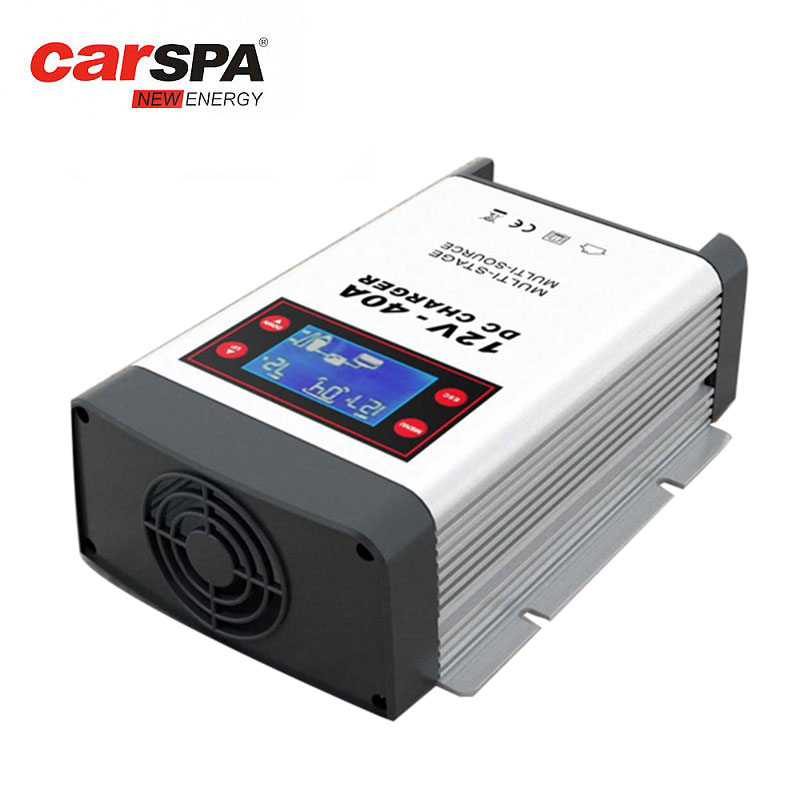
For those seeking long-term reliability and performance, CARSPA offers a range of advanced outdoor battery chargers designed to perform under the toughest conditions, combining intelligent technology with proven durability for every outdoor power challenge.


