How Can a 1000W Power Inverter Transform Your DIY RV Electrical System?
Introduction
Why Is Power Management So Important When You DIY Your Own RV?
Building your own RV is more than just creating a mobile living space—it's about achieving energy independence, comfort, and freedom wherever the road takes you. Whether you're customizing a van for weekend getaways or converting a full-sized motorhome for long-term travel, one of the most critical components of your DIY project is the power system. It determines how efficiently you can run essential appliances such as lights, refrigerators, laptops, fans, and even small kitchen devices while off-grid.
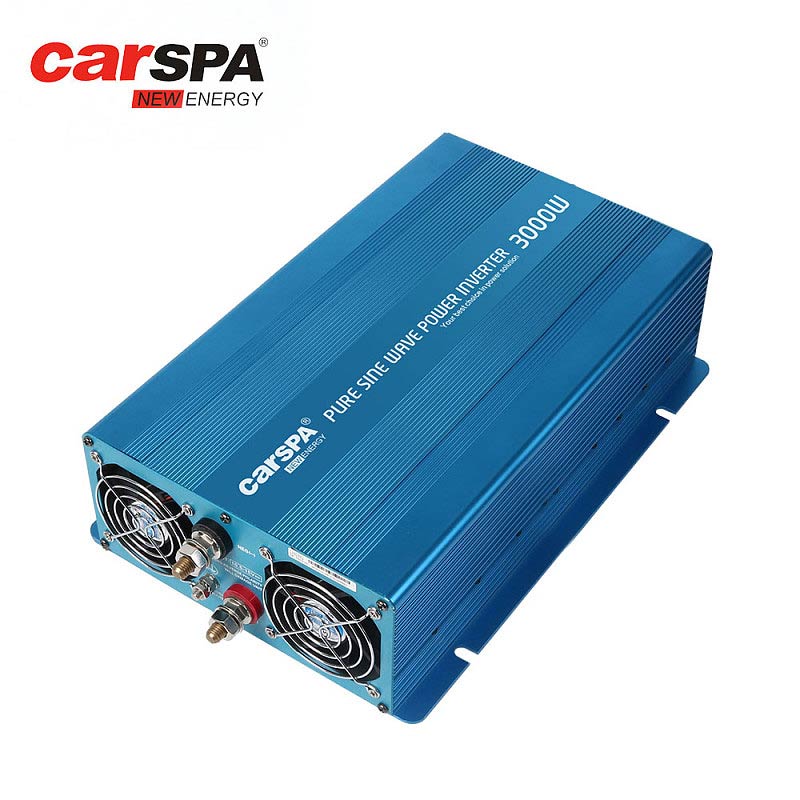
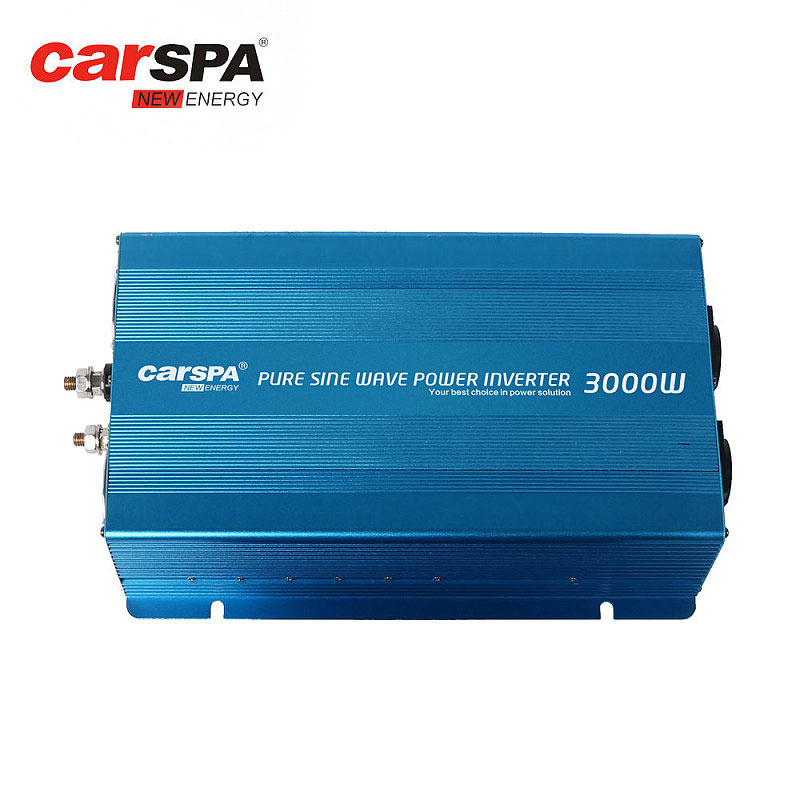
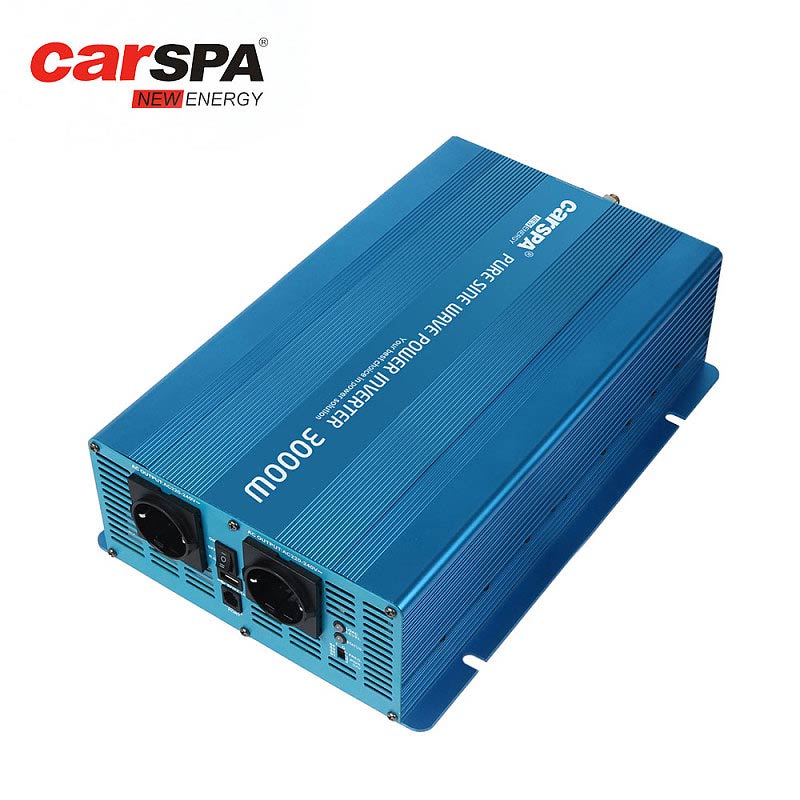
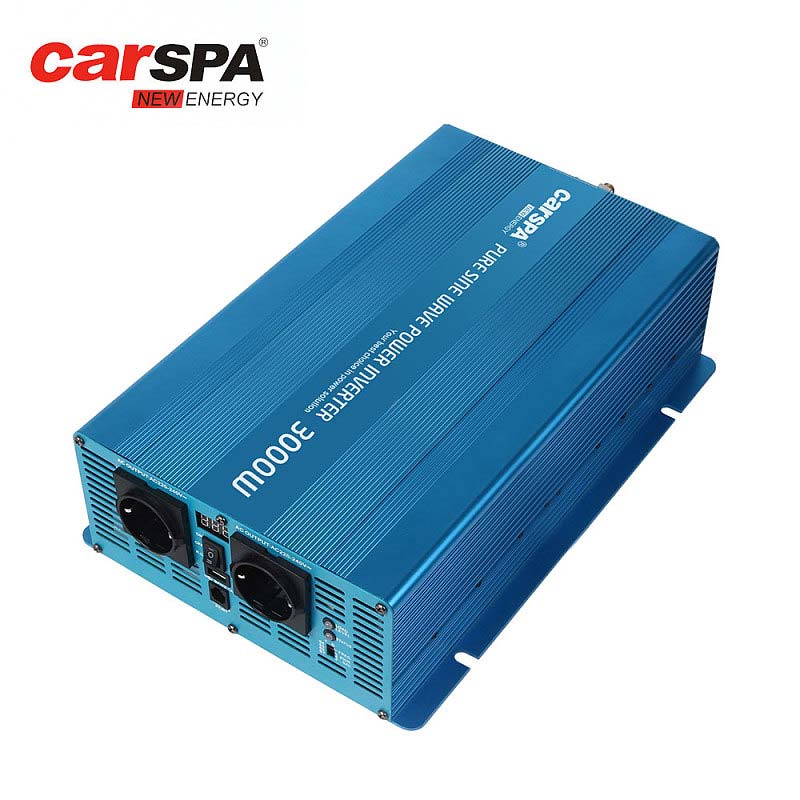
A 1000W Power Inverter plays a central role in this setup. It converts the DC power stored in your batteries into AC power, the same type used in household outlets. This conversion allows you to use everyday devices safely and efficiently inside your RV. For most DIY builders, a 1000W inverter offers the perfect balance between capacity, portability, and affordability—enough power to handle typical loads without overcomplicating the wiring or battery requirements.

As more travelers embrace solar panels, battery banks, and smart controllers, integrating a reliable power inverter has become essential for maintaining a seamless energy flow. Choosing the right inverter not only ensures stable performance but also protects your equipment and batteries from voltage fluctuations. In this article, we'll explore how a 1000W Power Inverter can transform your DIY RV project—making your off-grid adventures both comfortable and efficient, with technology you can trust.
What Role Does a 1000W Power Inverter Play in a DIY RV Setup?
When building your own RV power system, understanding the role of the inverter is key to designing a reliable and efficient setup. A 1000W Power Inverter acts as the heart of your RV's electrical system, bridging the gap between battery-stored DC power and the AC appliances you rely on daily.

From DC to AC — The Core Function
Your RV's batteries typically store energy in 12V or 24V DC form, which cannot directly power household devices like coffee makers, TVs, or laptops. The inverter converts this DC power into 220V or 230V AC output, enabling you to use all standard appliances on the road. A 1000W inverter can comfortably handle a combination of medium-load devices, such as LED lights, a small fridge, a fan, or even a water pump.
The Sweet Spot for DIY RV Systems
For most DIY RV projects, 1000W represents a balanced power range—not too small to limit your usage, and not too large to strain your battery bank. It's efficient for light to moderate energy demand while keeping installation simple and cost-effective. A 1000W inverter can run continuously at around 800W–1000W, with a surge capacity up to 2000W for short peaks (like when motors start).
Integration with Other RV Components
The inverter works seamlessly with solar charge controllers, lithium or AGM batteries, and distribution panels. When properly installed, it allows automatic transition between solar input, battery output, and AC consumption, ensuring steady power during both day and night. In other words, the inverter doesn't just convert energy—it acts as the central control point for your mobile energy ecosystem.
A well-chosen 1000W Power Inverter ensures your DIY RV stays powered, efficient, and safe—whether you're parked at a remote campsite or traveling across the country.
How to Choose the Right 1000W Power Inverter for Your RV Project?
Selecting the right 1000W Power Inverter is one of the most important steps in building a safe and efficient RV power system. The right model ensures stable operation, protects your appliances, and optimizes the energy you draw from your batteries. Below are several key aspects you should carefully consider when making your choice.
Pure Sine Wave vs. Modified Sine Wave — Which Is Better for You?
The first major decision is whether to use a pure sine wave inverter or a modified sine wave inverter.
Pure sine wave inverters produce smooth, consistent AC output similar to household electricity. They're ideal for sensitive electronics like laptops, refrigerators, and LED lights, ensuring quieter and longer-lasting performance.
Modified sine wave inverters, on the other hand, are more affordable but may cause noise or reduce efficiency in devices with motors or compressors.
For most RV setups that include a mix of electronics and appliances, pure sine wave models are highly recommended for reliability and comfort.
Match Your Inverter with the Battery System
A 1000W inverter typically works with 12V or 24V battery banks. It's essential to ensure that the inverter's input voltage matches your battery configuration. Using mismatched voltages can result in inefficiency or even permanent damage. You'll also want to check the efficiency rating (usually 85–95%), which affects how much usable power you get from your batteries.
Look for Safety and Protection Features
Quality inverters include built-in protection mechanisms like overload, short-circuit, over-temperature, and low-voltage shutdown. These not only protect your inverter and batteries but also prevent safety risks during long trips or extreme weather conditions. Some advanced models also include remote control panels or LED display screens to monitor voltage and load levels in real-time.
Consider Installation, Cooling, and Build Quality
For DIY builders, installation convenience is crucial. Look for inverters with clearly labeled terminals, sturdy mounting brackets, and integrated cooling fans to ensure efficient heat dissipation. Compact and durable designs are ideal for limited RV spaces. Additionally, pay attention to noise levels—quiet cooling systems make a huge difference during overnight stays.
In short, the best 1000W Power Inverter for your RV is one that offers clean power output, comprehensive protection, and a structure that fits your installation needs. With the right choice, your RV becomes a comfortable, self-sufficient home on wheels.
How to Integrate a 1000W Power Inverter with Solar and Battery Systems?
A well-designed RV power setup isn't just about having an inverter—it's about integrating it effectively with your solar panels, batteries, and charging systems. When combined properly, these components create a reliable off-grid power solution that keeps your lights on and appliances running wherever you travel.
Connect Your Solar Panels Through a Charge Controller
Solar panels generate DC electricity, but their voltage output fluctuates depending on sunlight conditions. That's why a solar charge controller is essential between your panels and the batteries. It stabilizes voltage, prevents overcharging, and ensures the batteries deliver consistent power to your 1000W Power Inverter. The inverter then converts this stored DC power into usable AC energy for your devices.
Balance Battery Capacity and Inverter Power
Battery capacity determines how long you can run your devices. For a 1000W inverter, pairing it with a deep-cycle 12V or 24V battery bank (e.g., 200Ah–400Ah total capacity) is ideal for sustained use. This setup allows you to operate appliances like laptops, lights, and small kitchen tools for hours without draining the batteries too quickly. Always make sure the inverter's input voltage matches the battery configuration to avoid inefficiency or overheating.
⚙️ Combine Multiple Power Sources for Flexibility
A robust DIY RV system often integrates multiple charging sources—solar, alternator (from your vehicle engine), and shore power (AC from campsites). Using an automatic transfer switch (ATS) or a hybrid inverter, you can seamlessly switch between sources. For example, when the sun sets, the inverter automatically draws from the battery or the vehicle alternator to maintain power continuity.
Example of a Typical RV Power Flow
Solar panels charge the batteries through a charge controller.
Batteries store the DC energy.
The 1000W Power Inverter converts stored DC to AC for appliances.
The system automatically balances inputs (solar, alternator, or external AC) to keep energy flowing.
Ensure Proper Wiring and Safety Protections
Use appropriately sized cables (thick enough to handle high current), install fuses or circuit breakers between components, and ensure all connections are secure. Proper grounding is crucial to prevent electric shocks or system instability.
When integrated correctly, a 1000W Power Inverter becomes the cornerstone of an autonomous RV energy ecosystem—quiet, renewable, and perfectly suited for off-grid living.
What Common Mistakes Should You Avoid When Installing a Power Inverter?
Even the best 1000W Power Inverter can fail or perform poorly if installed incorrectly. In DIY RV projects, small oversights in wiring, ventilation, or component matching can lead to system inefficiency—or even safety hazards. Understanding these common mistakes can save you time, money, and frustration down the road.
1. Using Undersized Cables and Loose Connections
A frequent issue among first-time installers is using thin or low-quality cables to connect the inverter to the battery bank. Since inverters draw high current, especially under full load, undersized wires can cause voltage drops, overheating, or even fire risks. Always choose cables with proper ampacity, minimize cable length, and ensure tight, corrosion-free terminals.
2. Ignoring Ventilation and Heat Management
Inverters generate heat during operation, and insufficient airflow can shorten their lifespan. Avoid placing your inverter in sealed compartments, near flammable materials, or under direct sunlight. Leave at least 10–15 cm of clearance around the unit and make sure its cooling fan or heat sink can dissipate heat freely.
3. Overloading or Misjudging Power Needs
Many users assume a 1000W inverter can run any 1000W-rated device continuously. In reality, inverters have surge and continuous ratings—a 1000W model might handle a 2000W surge for only a few seconds. Appliances with compressors or motors (like fridges or pumps) require extra startup power, so always calculate total load carefully and stay below 80% of the inverter's rated output for safety.
4. Forgetting About Fuses and Circuit Protection
Skipping fuses or circuit breakers is another dangerous mistake. A properly rated DC fuse between the inverter and battery protects against short circuits and overcurrent damage. This simple safeguard can prevent severe equipment failure or electrical fires in confined RV spaces.
5. Poor Grounding and Polarity Errors
Reversed polarity (connecting positive to negative) can instantly destroy your inverter. Always double-check connections and ensure the inverter chassis is grounded to prevent shock hazards.
By avoiding these mistakes, your 1000W Power Inverter will deliver stable, safe, and long-term performance. In the next section, we'll discuss how to make your DIY RV power system not just functional—but optimized for safety and efficiency.
How Can You Make Your DIY RV Power System Safer and More Efficient?
Once your 1000W Power Inverter and electrical components are installed, the next step is ensuring your system runs safely, efficiently, and reliably for years. A well-optimized RV power setup minimizes energy waste, protects your investment, and provides peace of mind during long trips or off-grid camping.

1. Perform Regular Inspections and Maintenance
Routine checks are essential to prevent hidden issues. Inspect all cable connections for looseness or corrosion, ensure your inverter fan is dust-free, and test your battery voltage levels periodically. Over time, temperature fluctuations and vibrations can loosen terminals—tightening them regularly ensures stable current flow and prevents heat buildup.
2. Use Quality Components and Proper Protection Devices
Investing in high-quality fuses, breakers, and connectors can significantly improve system stability. Always use a fuse between the inverter and battery, and install a surge protector on the AC side to safeguard appliances. In damp or coastal environments, consider corrosion-resistant terminals and waterproof enclosures. Remember—cheap cables or components often fail under high current, leading to costly damage.
3. Add Smart Monitoring and Energy Management Tools
Modern DIY builders are upgrading their systems with battery monitors, voltage displays, and even Bluetooth-based monitoring apps. These tools let you check real-time load, battery status, and inverter temperature directly from your phone. Some advanced systems integrate automatic low-voltage cut-off or remote shutoff functions to protect batteries from over-discharge.
4. Optimize for Battery Longevity and Efficiency
Your inverter's performance depends heavily on your battery health. Keep discharge depth below 80%, avoid extreme temperature exposure, and recharge batteries fully after each use. Using MPPT solar charge controllers helps harvest maximum solar energy while reducing energy loss during charging.
5. Follow a Safe Power Routine During Use
When using multiple appliances, turn on heavy-load devices one by one to prevent sudden surges. Always power off the inverter when not in use, especially during storage or maintenance. Keep flammable materials away from the inverter and battery compartment, and make sure your ventilation remains clear.
By combining smart system design, quality equipment, and consistent maintenance, your DIY RV can achieve reliable, quiet, and efficient power performance on every journey.
Conclusion
A 1000W Power Inverter is more than just a tool—it's the foundation of a comfortable, energy-independent RV lifestyle. From powering your essentials to integrating renewable energy, it enables modern travelers to explore freely without sacrificing convenience.
For builders who value safety, reliability, and performance, choosing a trusted manufacturer makes all the difference. CARSPA's 1000W Power Inverter series offers stable sine-wave output, comprehensive protection, and proven compatibility with RV, solar, and mobile power systems—making it the perfect choice for your next DIY RV project.


.jpg)


.jpg)
.jpg)
.jpg)
.jpg)
.jpg)