
Why Is a Battery Monitor Essential for Reliable Outdoor Power Systems?
Introduction
In outdoor environments, reliable power is often the foundation of every successful project or activity. Whether it is powering an RV during a long journey, running essential equipment at a remote camping site, or maintaining stable energy flow in a solar-powered system, batteries play a vital role. However, without proper monitoring, even the most advanced battery system can face unexpected issues such as sudden power loss, over-discharge, or reduced lifespan.

This is where a battery monitor becomes essential. By providing real-time insights into battery voltage, current, capacity, and remaining charge, a battery monitor allows users to plan energy usage more effectively and avoid downtime. For outdoor scenarios where access to grid power is limited or unavailable, the ability to track battery performance ensures that operations remain safe, reliable, and efficient.
As outdoor applications expand across RV travel, camping, and solar or off-grid projects, the demand for intelligent battery monitoring solutions continues to grow. A well-designed battery monitor not only protects your investment in energy systems but also delivers peace of mind in challenging environments.
What Is a Battery Monitor and Why Is It Crucial for Outdoor Power Systems?
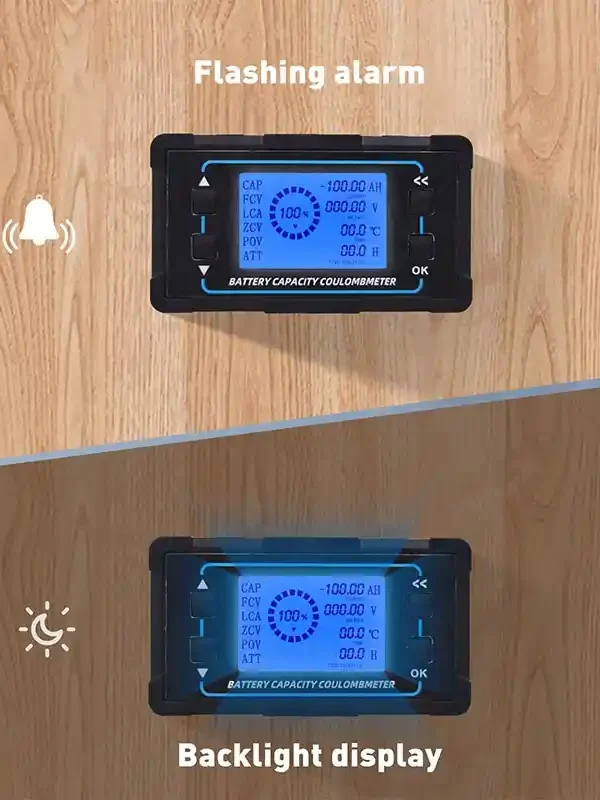
A battery monitor is a device designed to measure and display the real-time condition of a battery or battery bank. Unlike a simple voltage meter, it provides detailed data such as voltage, current, state of charge (SOC), state of health (SOH), and energy consumption over time. This information allows users to clearly understand how much usable power is left, how efficiently the battery is performing, and when maintenance or replacement may be required.
In outdoor environments, the role of a battery monitor becomes even more important. Outdoor projects and activities often depend on standalone or portable power sources that are not backed by the grid. For example, when an RV is traveling long distances, a camping site relies on stored energy, or an off-grid solar system is running, the availability of stable electricity directly impacts safety, comfort, and productivity.
Without monitoring, users may encounter common problems such as:
Unexpected shutdowns when a battery runs out of charge suddenly.
Over-discharge damage, which significantly reduces battery lifespan.
Unbalanced usage, where one battery in a bank is stressed more than others.
By installing a battery monitor, these risks can be minimized. The device provides accurate, real-time insights, allowing better planning of power consumption and ensuring critical outdoor systems continue to operate without interruption. In other words, a battery monitor acts as the “guardian” of outdoor energy reliability.
How Does a Battery Monitor Support RV and Camping Adventures?
When it comes to RV travel and camping, reliable electricity is more than a convenience—it is a necessity. From powering lights, refrigerators, and air conditioning systems in an RV to charging devices and running cooking appliances at a campsite, batteries are the core energy source. A battery monitor ensures that users always know exactly how much power is available and how long it will last under current usage.
Ensuring Power Stability in RVs
During long road trips, an RV often functions as a mobile home. With multiple appliances running at the same time, batteries can drain faster than expected. A battery monitor tracks voltage, current draw, and remaining charge, helping travelers avoid the frustration of sudden blackouts in the middle of a journey. It also prevents over-discharging, which can permanently damage batteries and lead to costly replacements.
Supporting Energy Planning for Camping
For campers, particularly those in remote areas without grid access, energy management is critical. A battery monitor provides real-time information on how much energy is being consumed and how much remains available. With this data, campers can prioritize essential loads—such as lighting and communication devices—over less urgent ones, ensuring safety and comfort throughout their stay.
Extending Battery Life and Reducing Costs
Frequent outdoor use subjects batteries to varying loads and environmental conditions. Without monitoring, it is easy to push batteries beyond safe limits. A battery monitor helps avoid these risks, extending the service life of batteries and reducing long-term costs. For users who rely on RVs or camping setups frequently, this translates into both financial savings and reliable performance.
In short, a battery monitor enhances the outdoor experience by ensuring stable electricity supply, reducing unexpected power failures, and allowing smarter energy planning. For RV enthusiasts and campers, it provides not just convenience, but also peace of mind.
Why Is a Battery Monitor Essential for Solar and Off-Grid Applications?
In solar and off-grid systems, batteries serve as the backbone of energy storage. They capture electricity from solar panels or wind turbines and release it when demand arises, often during nighttime or cloudy weather. Without proper monitoring, however, these systems face serious risks such as inefficient charging, unexpected outages, and even permanent battery damage. This is why a battery monitor is indispensable for ensuring consistent and efficient energy supply in solar and off-grid applications.
Optimizing Solar Energy Utilization
Solar power is highly dependent on weather conditions, which means energy input can vary greatly throughout the day. A battery monitor helps users understand the actual amount of energy being stored versus consumed. By tracking charging and discharging cycles, it ensures that every unit of harvested solar energy is used efficiently, reducing waste and maximizing return on investment.
Preventing Overcharging and Over-Discharging
One of the biggest threats to solar and off-grid batteries is improper charge management. Overcharging can generate excessive heat and shorten battery life, while over-discharging can cause irreversible damage. A battery monitor continuously tracks voltage and capacity, triggering alerts when levels fall outside safe ranges. This protection is critical for maintaining system longevity, especially in remote areas where maintenance is challenging.
Supporting Energy Planning in Off-Grid Projects
For off-grid communities, farms, or industrial sites, energy availability directly impacts operations. With a battery monitor, users can see real-time consumption patterns and adjust usage accordingly. For example, heavy loads can be scheduled during peak solar input, while critical loads are safeguarded during low-power conditions. This intelligent planning reduces downtime and ensures a steady supply of electricity even under variable conditions.
By acting as the “control center” of battery health, a battery monitor turns a basic solar or off-grid setup into a reliable and efficient power system. It not only protects the investment in renewable energy but also delivers dependable performance where traditional power is not available.
What Features Should You Look for in an Outdoor Battery Monitor?
Not all battery monitors are designed with outdoor use in mind. When selecting a device for RVs, camping, solar, or off-grid systems, it’s important to consider both the technical specifications and the environmental challenges that may be encountered. A reliable outdoor battery monitor should combine durability, precision, and smart functionality to ensure long-term performance.
Durability and Weather Resistance
Outdoor conditions can be harsh, with exposure to heat, cold, dust, rain, and even vibrations during transportation. A good outdoor battery monitor should feature weatherproof housing, robust connectors, and shock-resistant construction. This ensures that the monitor continues to perform accurately even in unpredictable environments, whether it’s on a rough RV journey or at a remote solar installation.
Real-Time Monitoring and Alerts
Accuracy and responsiveness are critical. A quality monitor provides real-time updates on voltage, current, state of charge, and power flow. Advanced models include visual displays, LED indicators, or even mobile app connectivity, giving users instant insights into system performance. Alerts for low voltage, overcharging, or abnormal discharge rates add another layer of protection, allowing users to act before issues escalate.
Compatibility with Multiple Battery Types
Outdoor projects often use different battery technologies, such as lead-acid, AGM, gel, or lithium-ion. A versatile battery monitor should support multiple chemistries, offering flexibility for diverse applications. This compatibility ensures that the same monitor can adapt to different projects without requiring multiple devices.
Smart Connectivity and Remote Access
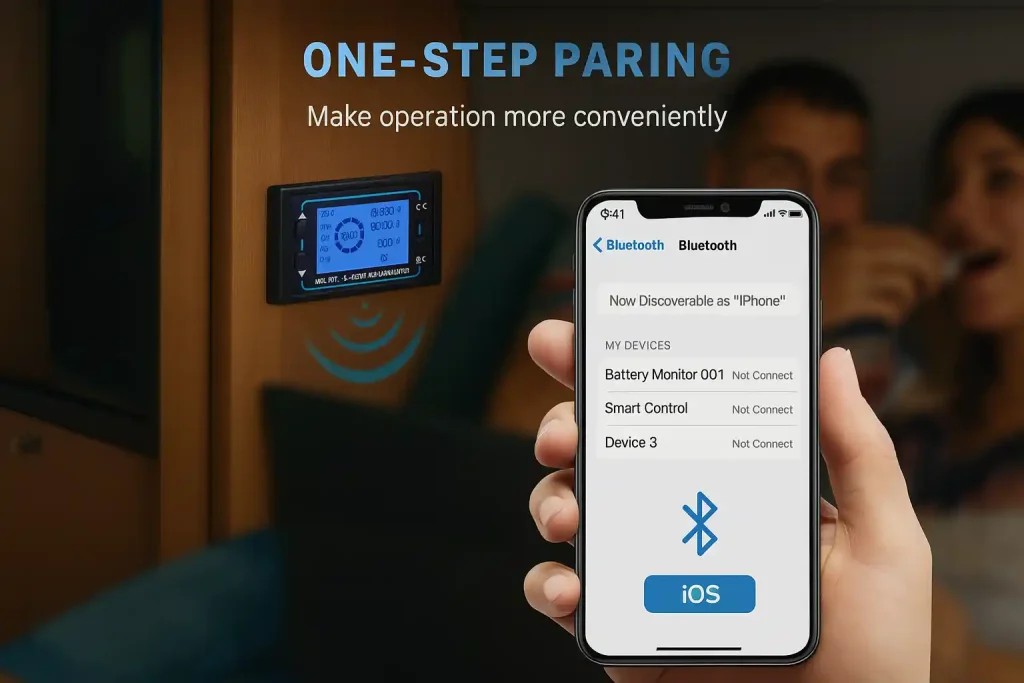
Modern outdoor energy systems are increasingly adopting smart technologies. Features like Bluetooth, Wi-Fi, or cloud-based monitoring allow users to check battery status remotely, even when they are not physically near the equipment. This is particularly valuable for off-grid sites or long-term installations where on-site inspections are difficult.
By focusing on these essential features, users can select a battery monitor that not only withstands the challenges of outdoor use but also provides the insights needed for efficient and safe energy management.
Where Can Outdoor Battery Monitors Create the Most Value?
Battery monitors are not only important for RV travel, camping, and solar systems, but they also add measurable value across a wide range of outdoor applications. By ensuring stable energy performance and preventing costly downtime, these devices are becoming indispensable in many fields.
Remote Construction and Monitoring Sites
In construction projects or outdoor monitoring stations where grid power is unavailable, energy must come from portable generators, solar arrays, or battery banks. A battery monitor ensures that heavy-duty tools, sensors, or cameras continue running without unexpected interruptions. By tracking consumption trends, project managers can plan energy usage and prevent costly delays caused by sudden power loss.
Agricultural and Irrigation Systems
Modern agriculture increasingly depends on electrically powered irrigation pumps, lighting systems, and environmental control equipment. In remote farms powered by solar or hybrid systems, a battery monitor helps ensure water pumps operate reliably, crops receive adequate irrigation, and system downtime is minimized. Monitoring also prevents batteries from being overstressed during peak demand, extending service life and reducing replacement costs.
Outdoor Lighting and Security Systems
Streetlights, surveillance cameras, and outdoor security alarms often rely on solar-charged batteries. Without proper monitoring, these systems risk underperforming at critical times, such as during long nights or cloudy weather. A battery monitor provides real-time health updates, ensuring that lighting and security infrastructure remain reliable for communities and businesses.
Field Research and Long-Term Expeditions
Scientists and researchers working in remote locations, from deserts to forests, depend on battery-powered systems for communication, data logging, and safety equipment. For these missions, a battery monitor offers peace of mind by guaranteeing that critical instruments will not suddenly shut down. Real-time monitoring enables better planning, which can be lifesaving in isolated environments.
By serving as the energy management backbone of these outdoor applications, battery monitors create value far beyond simple convenience. They enable reliability, safety, and efficiency, making them an essential tool wherever uninterrupted power is required.
Conclusion
In outdoor applications where reliable energy is the key to safety, efficiency, and performance, a battery monitor is no longer a luxury but a necessity. From supporting RV and camping adventures to optimizing solar and off-grid systems, battery monitors provide real-time insights that prevent unexpected failures, extend battery lifespan, and reduce long-term costs. They are equally valuable in agriculture, construction, outdoor lighting, and remote research projects, where uninterrupted power directly impacts success.
By choosing a battery monitor designed for outdoor conditions—featuring durability, smart monitoring, and compatibility with multiple battery types—users can achieve greater control over their energy systems and the confidence that their power supply will perform when needed most.
For those seeking reliable and advanced solutions, CARSPA offers a range of battery monitoring products tailored to meet the demanding needs of outdoor and off-grid environments.


.jpg)

.jpg)
.jpg)
.jpg)
.jpg)
.jpg)


