
How Can a Battery Monitor Improve Outdoor Power System Reliability and Efficiency?
In outdoor environments, having a reliable source of power is crucial—whether it's for camping setups, remote workstations, marine vessels, or renewable energy systems. However, the performance of these systems largely depends on the health and efficiency of their batteries. This is where a battery monitor becomes indispensable. A battery monitor provides real-time insights into voltage, current, capacity, and state of charge, helping ensure that your energy storage system operates at its peak.
Without proper monitoring, batteries can be overcharged, deeply discharged, or subjected to inconsistent load patterns, all of which reduce their lifespan and reliability. Outdoor applications present additional challenges, such as fluctuating temperatures, unpredictable weather, and limited access to maintenance facilities. By continuously tracking critical parameters, a battery monitor enables proactive management, preventing costly failures and ensuring uninterrupted power supply in the field.
For businesses and operators managing outdoor power systems, adopting a battery monitor is not just about convenience—it's a safeguard for efficiency, longevity, and operational stability. In the following sections, we will explore how battery monitors work, why they're vital for outdoor setups, and what features make them most effective in demanding conditions.
What Is a Battery Monitor and Why Is It Essential for Outdoor Power Systems?
A battery monitor is an intelligent device that tracks and displays key battery performance data, including voltage, current flow, state of charge (SOC), and power consumption trends. In outdoor power systems—whether they are part of solar installations, RV setups, marine equipment, or remote communication towers—this data is invaluable for keeping the system running optimally.
One of the main reasons a battery monitor is essential in outdoor power systems is the lack of consistent access to maintenance and diagnostic tools. When operating in remote or off-grid areas, knowing the exact status of your battery bank can mean the difference between uninterrupted service and costly downtime. With a battery monitor, operators can make informed decisions about when to recharge, reduce loads, or perform preventive maintenance.
Another critical factor is efficiency. Outdoor systems often rely on renewable energy sources like solar or wind, which can be unpredictable. A battery monitor allows you to optimize charging cycles by identifying the best times to store energy and the most efficient ways to draw power. This not only ensures energy availability but also helps extend the battery's operational life, saving on replacement costs and reducing environmental waste.
In addition, battery monitors can serve as early-warning systems. Many advanced models are equipped with alarms or connectivity features that alert operators to critical conditions such as low voltage, excessive discharge, or high temperature. This real-time feedback is particularly important in outdoor environments where weather changes and unforeseen demands can strain the system. By integrating a battery monitor into the design, outdoor power systems can achieve greater stability, reliability, and cost-effectiveness.

How Does a Battery Monitor Improve Reliability in Off-Grid Outdoor Applications?
In off-grid outdoor environments, reliability is not just a convenience—it's a necessity. Whether powering surveillance equipment in remote locations, supporting off-grid cabins, or maintaining communication systems in the field, consistent power delivery is crucial. A battery monitor plays a central role in ensuring this reliability by providing accurate, real-time data on battery status and usage trends.
One key advantage is preventing unexpected power loss. By continuously measuring state of charge (SOC) and state of health (SOH), a battery monitor enables users to predict when the battery will require recharging. This foresight helps avoid sudden shutdowns that could disrupt operations or damage connected equipment.
Another aspect is balancing load demand with available capacity. Outdoor applications often face variable loads—sometimes operating at minimal capacity, other times handling peak demands. A battery monitor helps track these fluctuations, enabling better load management and preventing over-discharge, which can significantly shorten battery life.
Furthermore, in many off-grid scenarios, energy harvesting is intermittent—such as with solar panels during cloudy days or wind turbines in calm conditions. A battery monitor ensures that available charging opportunities are maximized and that the battery is neither undercharged nor overcharged, both of which can degrade performance.
Lastly, modern battery monitors often integrate with data logging and remote monitoring systems, allowing operators to access performance reports and alerts from a distance. This remote visibility is especially valuable in hard-to-reach outdoor installations, reducing the need for frequent site visits and enabling proactive maintenance planning.
Which Features Should You Look for in a Battery Monitor for Harsh Outdoor Environments?
When operating in challenging outdoor conditions—whether it's extreme heat in desert regions, heavy humidity in coastal areas, or sub-zero temperatures in mountainous terrains—the choice of a battery monitor becomes a critical factor in system performance. Not all monitors are built to withstand these demanding environments, so selecting the right features is key to ensuring durability, accuracy, and long-term reliability.
First, environmental protection should be a top priority. Look for battery monitors with high IP (Ingress Protection) ratings, such as IP65 or IP67, which indicate strong resistance to dust and water ingress. This ensures the monitor continues functioning even in rain, snow, or dusty conditions without requiring additional protective enclosures.
Second, wide operating temperature ranges are essential. In outdoor applications, temperatures can fluctuate dramatically within a single day. A high-quality battery monitor should maintain accuracy and responsiveness across a broad temperature spectrum, preventing data distortion that could lead to poor operational decisions.
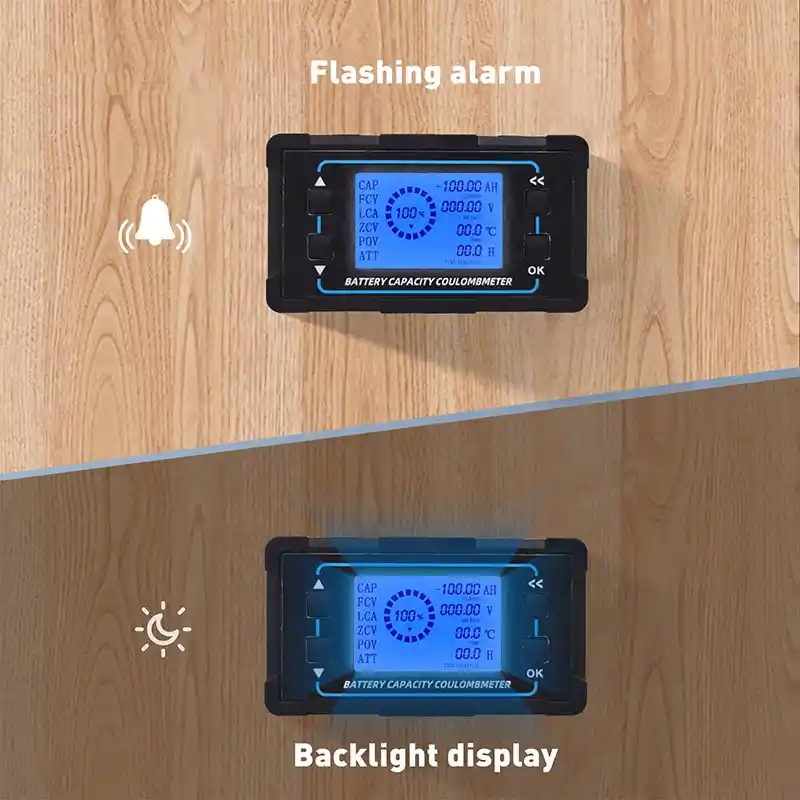
Third, clear and robust display systems are vital. Outdoor monitors should feature high-contrast, backlit screens that remain readable in bright sunlight or at night. Some models even offer customizable display layouts, allowing operators to view the most critical data at a glance.
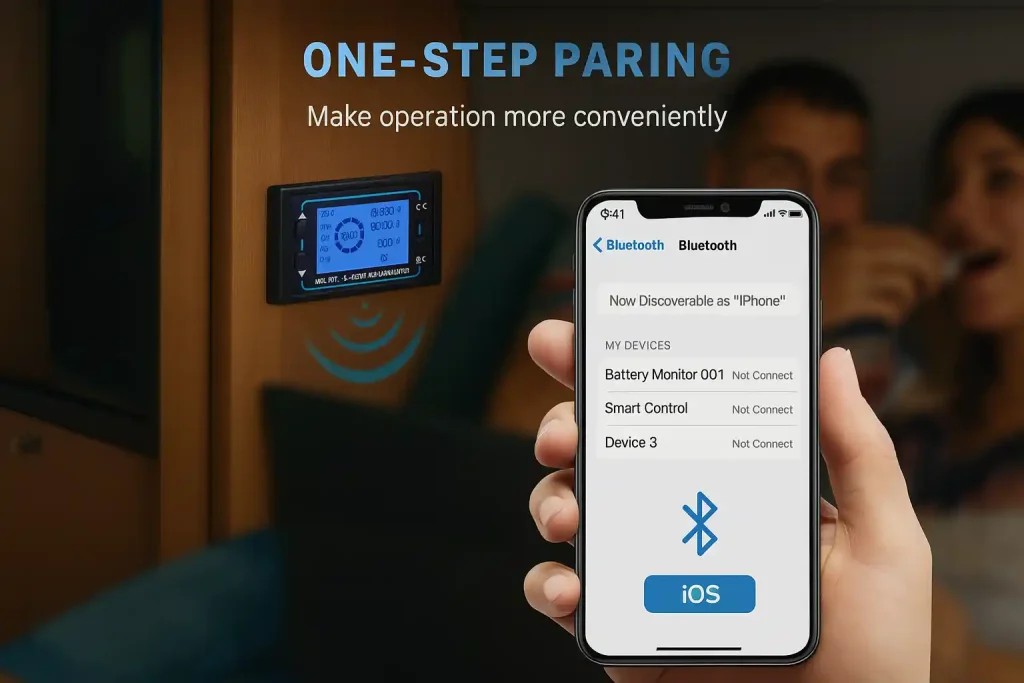
Fourth, communication and connectivity options enhance usability. Modern battery monitors often come with Bluetooth, Wi-Fi, or RS485 communication capabilities, enabling integration with mobile apps or centralized monitoring systems. This allows for remote diagnostics, which is invaluable when systems are deployed in inaccessible locations.
Lastly, alarm and event logging features can make a significant difference. Audible alerts, visual warnings, and detailed event logs help operators respond quickly to low voltage, overcurrent, or overheating issues before they cause damage. These features are especially important in harsh environments where equipment failure can be more costly and time-consuming to repair.
A carefully selected battery monitor with these capabilities ensures that outdoor systems remain protected, efficient, and operational under even the toughest conditions.
How Can a Battery Monitor Help Extend Battery Life and Reduce Maintenance Costs?
Extending battery life is one of the most effective ways to reduce long-term operational costs in outdoor power systems, and a battery monitor is a key tool in achieving this goal. By delivering accurate, real-time data, it enables operators to adopt proactive maintenance practices rather than relying on reactive repairs after failures occur.
One of the primary benefits is preventing over-discharge and overcharge. These two conditions are among the biggest contributors to premature battery failure. A battery monitor helps maintain optimal state of charge (SOC) by indicating when it's time to recharge and when to stop charging. This not only protects the battery's chemical integrity but also reduces the frequency of replacements.
Another important function is tracking usage patterns. By recording voltage, current, and capacity trends over time, a battery monitor allows operators to spot irregularities—such as sudden drops in capacity or unusual discharge rates—that may indicate emerging issues. Addressing these problems early can prevent expensive breakdowns and extend the battery's usable lifespan.
A battery monitor also supports temperature management, which is especially critical in outdoor environments. Batteries exposed to extreme heat or cold can suffer from accelerated degradation. Monitors equipped with temperature sensors can alert users when operating conditions are outside the ideal range, prompting timely intervention, such as adjusting ventilation, adding insulation, or temporarily reducing loads.
Lastly, the use of a battery monitor contributes to optimized charging strategies. In renewable-powered systems, such as solar or wind setups, charging opportunities may be inconsistent. By understanding the exact battery status, operators can make better use of limited charging windows, ensuring the battery remains within safe operating limits and reducing unnecessary strain.
Through these functions, a battery monitor not only extends the life of the battery but also cuts down on maintenance costs, reduces downtime, and improves overall system efficiency—making it a cost-effective investment in any outdoor application.
What Are the Best Practices for Installing and Using a Battery Monitor in Outdoor Projects?
Proper installation and usage are just as important as selecting the right battery monitor. Even the most advanced device will fail to deliver accurate insights or long-term reliability if it is not set up and operated correctly—especially in demanding outdoor conditions.
First, choose the optimal installation location. The monitor should be mounted in a position that is protected from direct sunlight, heavy rainfall, and extreme vibration. While many high-quality models are weather-resistant, providing additional shielding can further extend their service life. Positioning the display where it is easy to read also ensures faster on-site checks.
Second, use high-quality wiring and secure connections. Since battery monitors rely on precise voltage and current measurements, poor cabling or loose terminals can lead to inaccurate readings. For outdoor environments, use corrosion-resistant connectors and UV-protected cables to minimize degradation over time.
Third, calibrate the monitor during initial setup. Many models allow for calibration to match the specific battery type, capacity, and charging characteristics. Accurate calibration ensures that SOC (State of Charge) and SOH (State of Health) readings remain dependable throughout the battery's lifecycle.
Fourth, enable data logging and remote alerts if the monitor supports them. In outdoor or off-grid systems, this feature is invaluable for preventive maintenance, as it allows operators to detect and address issues before they escalate. Integrating the monitor into a central control platform or mobile app can make system management more efficient.
Finally, perform regular inspections and firmware updates. Just as batteries require routine checks, battery monitors benefit from periodic verification of sensor accuracy and connection integrity. If the manufacturer provides firmware updates, installing them can enhance performance, add new features, and fix potential bugs.
By following these best practices, operators can maximize the effectiveness of their battery monitors, ensuring outdoor systems remain reliable, efficient, and cost-effective in the long run.
Conclusion
In any outdoor power system, whether it's for renewable energy installations, mobile workstations, marine operations, or off-grid communications, maintaining reliable and efficient battery performance is essential. A battery monitor is not just a convenience—it's a strategic tool that provides real-time insights, helps prevent costly failures, and extends the operational life of your energy storage system.
By selecting a monitor with robust environmental protection, advanced connectivity, and precise measurement capabilities, operators can ensure consistent performance even in harsh outdoor conditions. Coupled with best practices in installation, calibration, and regular maintenance, a battery monitor becomes a long-term investment that reduces downtime, cuts maintenance costs, and optimizes energy use.
For those seeking dependable solutions tailored for demanding outdoor applications, CARSPA offers high-quality battery monitoring products designed to deliver accuracy, durability, and ease of use—helping ensure your outdoor power systems run at peak performance year-round.


