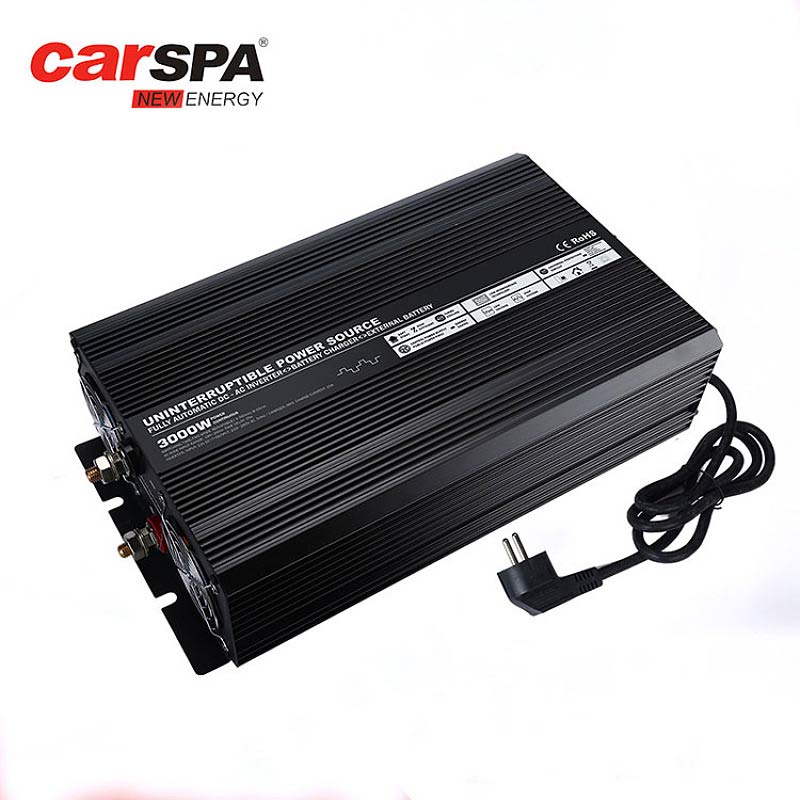
Why Is a Battery Charger Crucial for Outdoor Power Applications?
In outdoor environments where grid power is unreliable or nonexistent, battery-based systems become essential for sustaining operations. From agricultural irrigation and mobile workstations to emergency response units and remote monitoring setups, batteries store and deliver the energy needed to power lights, equipment, communication systems, and more. But without a dependable and intelligent battery charger, even the most advanced battery setups can become inefficient—or worse, fail when needed most.
This article explores the vital role of battery chargers in outdoor applications. We'll answer the most pressing questions decision-makers face when selecting outdoor charging solutions: what environmental challenges to prepare for, how smart chargers improve system efficiency, what technical features matter most, and where these devices offer the greatest impact. Whether you're building a solar-powered site or managing mobile assets, the right battery charger makes all the difference in performance, safety, and uptime.
What Challenges Do Outdoor Power Systems Commonly Face?
Unpredictable Environments Require Stable Power Solutions
Outdoor power systems often operate in remote, unstable, or rugged environments where grid power is either unavailable or highly unreliable. This includes scenarios like rural infrastructure, off-grid agricultural irrigation, roadside surveillance equipment, mining exploration camps, and emergency field bases. In such setups, batteries serve as the lifeline—but without proper charging, even the most advanced battery systems can quickly degrade or underperform. Reliable battery chargers must compensate for these harsh, variable conditions by ensuring consistent, clean charging power. This stability is critical for protecting both the batteries and the sensitive electronic loads they support, including pumps, lighting, sensors, and communication modules.

Temperature and Humidity Extremes
Outdoor equipment may experience direct sun exposure during the day and freezing temperatures at night, especially in desert, mountain, or high-latitude regions. Such thermal cycling accelerates battery aging and can affect charge retention. Additionally, high humidity environments—such as coastal or jungle areas—can lead to internal corrosion and condensation within power equipment. Chargers with temperature sensors and compensation algorithms can automatically adjust voltage and current output based on ambient conditions, optimizing the charge cycle and preventing damage. Industrial-grade enclosures with anti-fogging, conformal coating, and breathable vents help mitigate internal moisture buildup and improve long-term performance.
Dust, Rain, and Mechanical Stress
Dust intrusion is a silent killer in many outdoor systems, especially in desert zones or construction sites. Fine particles can clog ventilation, degrade heat dissipation, and short sensitive electronics over time. Similarly, heavy rain and water ingress can cause shorts, rust, and system failure. Battery chargers built for outdoor use should be IP65-rated or higher, with sealed terminals, anti-rust coatings, and rugged mounting brackets that can withstand vibration and wind. Additional shock-resistance is often necessary in mobile platforms such as RVs or trailers, where mechanical jolts and road vibration are routine.
Voltage Instability in Off-Grid or Generator-Based Setups
In remote outdoor environments, electricity is often sourced from small gasoline or diesel generators, or directly from photovoltaic panels. These sources are inherently unstable—generators may produce fluctuating voltage due to mechanical load variation, while solar panels suffer from intermittent shading, cloud cover, or dust accumulation. An intelligent battery charger equipped with a wide input voltage range (e.g., 90–265VAC or 12–48VDC) and active power regulation can handle these variations, smoothing the current and preventing damage to both the charger and the batteries. Some units also include surge suppression, power factor correction (PFC), and MPPT (Maximum Power Point Tracking) for solar integration, enhancing efficiency and safety.
How Does a Smart Battery Charger Improve Outdoor Efficiency?
Optimized Charging Cycles
Traditional battery chargers often rely on simple, constant-voltage charging that can undercharge or overcharge batteries—especially harmful in outdoor scenarios where human supervision is limited. In contrast, smart battery chargers use multi-stage charging algorithms—commonly including bulk, absorption, float, and sometimes equalization stages—to charge batteries fully and safely. During the bulk stage, the charger rapidly restores most of the battery’s capacity. Then it transitions to absorption mode to gently top off the charge without overheating. Finally, float mode maintains the battery at full charge without stressing its internal chemistry. This process reduces sulfation, delays battery aging, and ensures that energy is available whenever needed in critical outdoor operations.
Automatic Battery Type Recognition
Field setups often employ different types of batteries depending on application needs—lead-acid (AGM, GEL, flooded), lithium iron phosphate (LiFePO4), or even deep-cycle marine batteries. A smart charger with automatic battery type detection or easily configurable settings ensures compatibility without manual recalibration. Some models can store profiles for different battery types, allowing maintenance teams to switch between backup systems efficiently. This adaptability is especially useful in mobile power units, rural telecom stations, or hybrid solar setups where diverse battery banks coexist.
Load-Balancing and Energy Sharing Capabilities
Advanced smart battery chargers are no longer just isolated components—they act as central control nodes in modern off-grid power systems. Some models support dual-battery charging, load-sensing outputs, or parallel charging channels, allowing one charger to handle multiple loads or battery banks. This helps balance charge cycles across batteries, extend runtime, and reduce idle energy loss. In solar-assisted systems, certain chargers can communicate with MPPT controllers and inverters to orchestrate energy flows, ensuring that every watt of solar input is utilized efficiently. This level of integration significantly boosts overall system efficiency, especially in off-grid cabins, solar-powered equipment trailers, or disaster response vehicles.
Status Monitoring and Fault Alerts
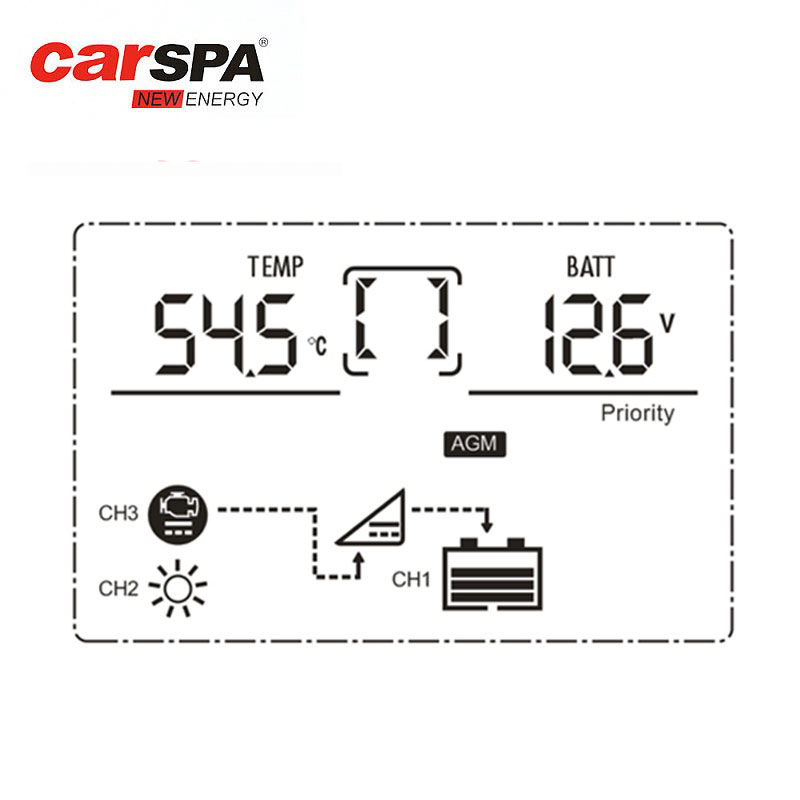
Smart chargers come equipped with digital displays, LED indicators, or even wireless connectivity (Bluetooth, CANbus, Modbus) for real-time performance monitoring. This allows operators to verify charging status, input/output voltages, battery temperature, and fault conditions such as overvoltage, reverse polarity, or thermal shutdown.
For remote installations—like border monitoring stations or agricultural weather sensors—chargers with cloud-based monitoring capabilities can send alerts to maintenance teams if anything goes wrong. This enables preventive maintenance and reduces downtime, which is crucial for systems that are far from human oversight.
What Features Should You Look for in an Outdoor Battery Charger?
Durability and IP Protection
Outdoor chargers must endure constant exposure to environmental stressors—dust, water spray, UV radiation, and physical impact. Therefore, the first consideration should be Ingress Protection (IP) rating. IP65-rated models are dust-tight and protected against low-pressure water jets, which is suitable for most outdoor installations.
In harsher settings like marine or high-rainfall zones, IP67 or IP68 models offer full submersion resistance. Housing materials also matter—industrial chargers built with anodized aluminum or reinforced ABS plastic resist rust, UV degradation, and impact damage. Heat dissipation design is equally important; look for models that utilize finned aluminum casing or internal thermal pads to avoid fan failure and ensure passive cooling in outdoor silence-sensitive environments like wildlife reserves or residential solar setups.
Portability and Mounting Flexibility
Many outdoor battery systems are mobile or semi-permanent, requiring chargers that are lightweight, compact, and easy to install. Chargers with modular mounting options—such as wall mounts, DIN rail brackets, or pole clamps—offer flexible deployment in field boxes, RV compartments, control cabinets, or solar panel frames. For vehicle-mounted or trailer-based systems, shock-absorbent mount kits help minimize damage during transit.
Detachable power cables and locking connectors also allow rapid field replacement. Some models come with carrying handles or protective storage cases, making them suitable for on-the-go technicians, field engineers, or construction supervisors who need to move between job sites.
High Charging Efficiency with Low Standby Consumption
In off-grid setups powered by solar panels or small generators, every watt counts. A high-efficiency charger (typically >90%) ensures minimal energy loss during conversion, maximizing the value of limited input power. At the same time, low standby power consumption (often <1W) prevents unnecessary drain when the charger is idle.
This becomes critical when batteries are maintained over long periods, such as in backup systems or emergency lighting setups. High-efficiency designs also generate less heat, reducing cooling requirements and increasing safety—especially in enclosed outdoor boxes with limited airflow.
Built-in Safety Protections
Outdoor battery chargers must operate safely without direct human supervision for days or even weeks. That means multiple layers of protection are essential. Key features to look for include:
Overcharge protection to prevent battery swelling or explosion.
Short-circuit protection to avoid damage from wiring faults or system errors.
Reverse polarity protection, especially important in field installations by non-expert users.
Temperature compensation to adapt charge rates in hot or cold climates.
Soft start / spark-free connection to prevent arcing when connecting batteries.
Some premium models also include automatic restart after power outages and programmable shutoff thresholds, further ensuring safe and autonomous operation across seasons and conditions.
Where Are Outdoor Battery Chargers Most Effectively Used?
Remote Communication Sites and Weather Stations
Battery chargers play a critical role in powering remote installations such as cellular base stations, weather sensors, environmental monitoring units, and border surveillance equipment. These setups are typically located far from the power grid and rely entirely on solar panels, wind turbines, or backup battery banks for continuous operation. A smart battery charger ensures that these batteries stay topped up and protected, even in low-light or high-demand conditions.
Advanced models support hybrid input sources and integrate with solar charge controllers, making them ideal for autonomous, long-duration deployments. In regions with volatile weather, features like temperature compensation and fault recovery are crucial for maintaining system uptime without human intervention.
Camping, RVs, and Marine Systems
Recreational vehicles, off-grid cabins, and marine vessels depend on battery-based electrical systems for lighting, appliances, and climate control. In these environments, compact, lightweight chargers with multiple input options (shore power, generator, solar) are preferred.
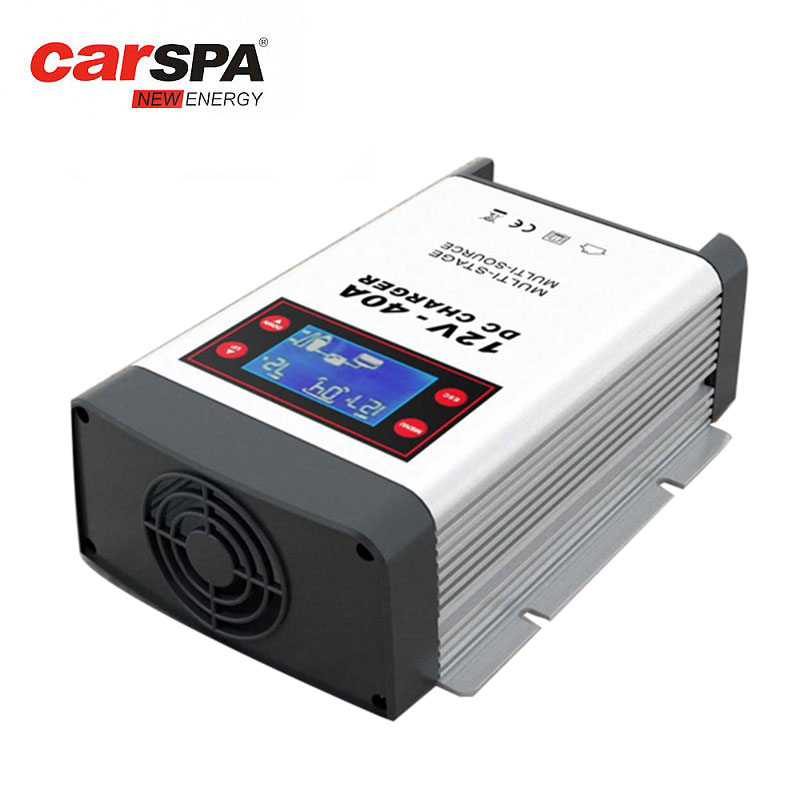
A high-quality charger ensures consistent performance for deep-cycle batteries, which are common in mobile systems. For marine use, corrosion resistance and waterproofing are essential, while RV users may prioritize fast-charging modes and intelligent battery management. Chargers with LCD displays, battery health indicators, and smart temperature sensors make it easier for travelers and boaters to monitor and maintain their power systems during extended outdoor stays.
Construction and Agricultural Machinery
On-site machinery—such as excavators, water pumps, tractors, and temporary lighting towers—requires reliable battery power for startup and auxiliary systems. In remote agricultural or construction zones, battery chargers need to be rugged, dustproof, and capable of fast recovery for partially depleted batteries. Smart battery chargers can support large-capacity AGM or GEL batteries, delivering high current without overheating or overcharging.
In some cases, dual-bank support or fast-charge override is used to cycle between multiple machines or ensure readiness of backup batteries. Whether powering irrigation controllers or heavy-duty engines, outdoor battery chargers contribute to higher uptime, reduced delays, and lower maintenance costs.
Military, Rescue, and Emergency Systems
In emergency response vehicles, mobile command centers, and defense outposts, every component must operate reliably under pressure. Battery chargers in these setups must support 24/7 readiness and tolerate extreme temperatures, shocks, and unpredictable power inputs. Smart chargers with programmable outputs, communication interfaces (CANbus, RS485, Modbus), and integrated diagnostics provide mission-critical reliability.
Whether recharging medical devices in a field hospital or maintaining telecom links in a disaster zone, these units must perform without failure. Quick-deploy chargers with automatic recovery features ensure batteries remain charged and operational, even when human presence is limited.
How Can You Choose the Right Battery Charger for Your Outdoor Needs?
Evaluate Your Power Source First
The first step in selecting a suitable outdoor battery charger is to consider the type and stability of your power source. If you’re using solar energy, choose a charger that either integrates with an MPPT charge controller or offers a wide DC input range to accommodate fluctuating solar voltage.
For generator-powered sites, look for AC chargers with wide voltage input tolerance (e.g., 90–265V) and surge protection. In hybrid setups—where solar, grid, and generator inputs are all possible—a dual-input or auto-switching charger maximizes energy usage while protecting sensitive components from instability. Ensuring compatibility with your power infrastructure avoids inefficiency, damage, or costly rewiring.
Match Charger Output to Battery Bank Capacity
A common mistake in outdoor deployments is underestimating the importance of output current. A charger that is too small will charge batteries too slowly, while an oversized unit may stress smaller battery banks or cause overheating.
As a general guideline, the charger's output current (in amps) should be around 10–20% of the battery bank’s amp-hour (Ah) rating. For example, a 200Ah battery would benefit from a 20A charger. Furthermore, consider the battery chemistry—lithium batteries require more precise voltage regulation and often need a charger with a dedicated LiFePO4 or lithium-ion profile. Smart chargers that allow programmable voltage/cut-off settings offer the best adaptability across battery types.
Plan for the Worst Weather Conditions
In outdoor environments, you must design for extremes—not just averages. If your system will be exposed to prolonged rain, dust, or cold, the charger must offer suitable protection and compensation features. Look for units with wide operating temperature ranges (e.g., -20°C to 60°C), built-in thermal sensors, and conformal coating on internal PCBs.
If exposed to the sun, UV-resistant enclosures are a must. A fanless design also helps reduce maintenance and avoids intake of dust or insects. For locations prone to lightning or unstable grid conditions, surge suppressors and EMI filters further enhance system protection and reduce failure rates.
Consider System Integration and Future Scalability
Modern off-grid power systems are rarely stand-alone—they often communicate with monitoring platforms, automation systems, or remote dashboards. Choose a charger that supports integration protocols like CANbus, Modbus RTU, or RS485 if your system will evolve or scale in the future.
For example, in a solar microgrid, the charger might need to report battery health, cycle history, or charging load to a central controller. Some industrial chargers also support firmware updates via USB or remote cloud interfaces, ensuring long-term adaptability. Planning ahead with a scalable, intelligent charger avoids costly replacements when your system grows in size or complexity.
Conclusion
Selecting a battery charger for outdoor use is not just about voltage and current—it's about durability, intelligence, and adaptability. In environments where power reliability directly affects productivity and safety, investing in a high-quality charger ensures your batteries remain operational, protected, and ready at all times.
By considering environmental challenges, system compatibility, efficiency features, and future integration needs, you can choose a solution that not only charges batteries—but supports your entire operation.