
How a 1000W Inverter Powers Outdoor Work and Recreation Efficiently
In today's mobile and off-grid environments, access to reliable power is no longer a luxury—it's a necessity. Whether you're running a temporary worksite, hosting an outdoor event, or venturing into the wilderness for recreation or professional work, having a dependable energy source is critical. That's where a 1000W inverter comes in. Compact yet powerful, this device efficiently converts DC battery power into clean AC electricity, supporting a wide range of outdoor tools, electronics, and appliances. In this article, we explore the most important questions professionals and outdoor users should consider when selecting and deploying a 1000W inverter—from what it can power and how to choose the right model, to maximizing performance and real-world application scenarios.
What Can a 1000W Inverter Power in Outdoor Environments?
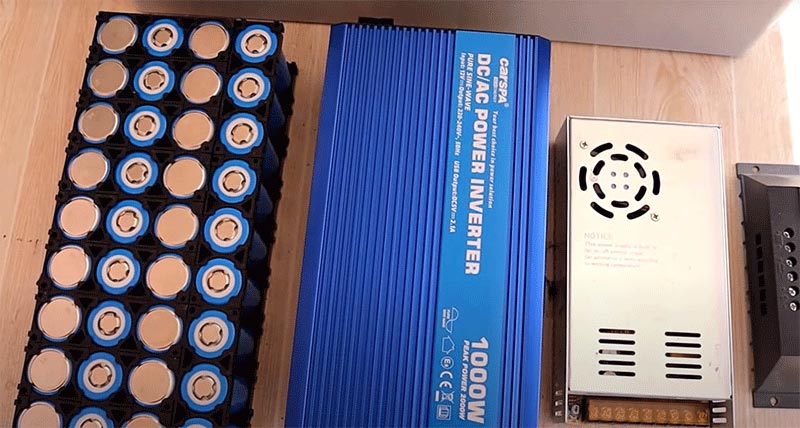
Reliable Power for a Wide Range of Outdoor Devices
A 1000W inverter is designed to handle medium-power loads that are common in outdoor settings. It efficiently converts 12V or 24V DC battery power into 220V–240V AC electricity, which can be used to operate everyday electronics and work tools. Typical devices include LED floodlights, portable water pumps, coffee makers, power drills, routers, laptop charging stations, and small audio equipment. Its output capacity allows users to run multiple devices simultaneously, provided the total consumption does not exceed the inverter's wattage limit. For outdoor professionals, this flexibility is crucial when setting up temporary workstations, outdoor kiosks, or maintenance hubs in remote areas.
Perfect for Off-Grid Camping, RV, and Boating
In the world of outdoor recreation, a 1000W inverter acts as a silent partner. RV travelers often rely on it to run water heaters, phone chargers, electric blankets, and small induction cookers. Campers can use it to power CPAP machines for medical needs or portable refrigerators for food preservation. On boats, it helps run communication radios, GPS systems, or even deck lighting—all without requiring a noisy generator. The inverter's ability to work from deep-cycle batteries or integrate with solar systems makes it ideal for off-grid adventures where autonomy and efficiency are valued.
Flexible Applications in Mobile Events and Trade Stalls
Inverters also play a crucial role in powering mobile business setups like food trucks, field offices, and outdoor pop-up booths. For example, vendors can operate barcode scanners, ticketing machines, portable credit card terminals, or even small cooking equipment using a single 1000W inverter. These units are often used in music festivals, sporting events, and outdoor markets where grid access is limited but reliable electricity is essential. Their clean output ensures sensitive equipment runs smoothly without fluctuations that could damage internal circuits.
How Does a 1000W Inverter Enhance Energy Efficiency in the Field?
Reduced Fuel Dependency and Environmental Impact
Traditional outdoor power setups often rely on gasoline or diesel generators, which are noisy, emit harmful gases, and require constant refueling. In contrast, a 1000W inverter can operate silently and cleanly from a charged battery, significantly reducing carbon emissions and operational costs. This makes it an excellent choice for applications where quiet operation is needed, such as wildlife monitoring, residential outdoor events, or nighttime construction. By cutting down fuel dependency, users can operate more sustainably and economically, especially in regions with limited fuel availability or high fuel prices.
Integration with Renewable Energy Sources
Modern 1000W inverters are commonly paired with solar charging systems, forming a compact and self-sufficient power solution. When connected to photovoltaic (PV) panels, the inverter becomes part of a renewable off-grid setup that can operate indefinitely under good sunlight conditions. During daylight, solar panels charge the battery bank; at night, the inverter draws from the battery to continue powering essential devices. This loop greatly improves overall energy efficiency, especially in outdoor scenarios such as irrigation control systems, rural telecommunications, or remote weather stations.
Intelligent Load Management and Standby Efficiency
Many advanced inverters feature smart power management functions, including auto-load sensing and energy-saving standby modes. When no load is detected, the inverter reduces its own power consumption, preserving battery life for later use. Additionally, users can prioritize essential loads—such as communication gear or security lighting—while cycling non-critical loads on demand. Some inverters even support remote control or app-based monitoring, enabling users to track usage, battery voltage, and system health in real time. These features are especially valuable in mission-critical operations where efficient energy allocation can mean the difference between uptime and failure.
What Should You Look for When Choosing a 1000W Inverter for Outdoor Use?

Pure Sine Wave vs. Modified Sine Wave: Know the Difference
One of the first decisions when selecting a 1000W inverter is choosing between a pure sine wave and a modified sine wave output. Pure sine wave inverters produce a smooth, consistent waveform that closely mimics utility grid power. This is essential when running sensitive electronics like laptops, communication radios, digital multimeters, or devices with microprocessors.
These inverters ensure reduced noise, lower heat generation, and longer lifespan for your equipment. On the other hand, modified sine wave inverters are more affordable and sufficient for resistive loads such as lights or basic tools. However, they may cause overheating or malfunction in certain appliances, such as audio gear or induction cooktops. For outdoor professionals needing flexibility and reliability, investing in pure sine wave technology is often the smarter long-term choice.
Durability, Portability, and Weather Resistance
In outdoor environments, your inverter must withstand dust, vibration, occasional drops, and sometimes even splashes of water. Choose models with rugged aluminum or metal housings, reinforced input/output terminals, and sealed control panels. For mobile use, consider the unit's weight and size—some 1000W models are compact enough to be mounted on walls, under vehicle seats, or inside RV cabinets.
Built-in cooling fans, heat dissipation vents, and overload reset switches enhance its ability to operate continuously even in harsh outdoor conditions. If you expect use in semi-wet conditions, opt for an inverter with IP-rated enclosures or moisture-resistant coating.
Safety Certifications and Integrated Protections
A good 1000W inverter for outdoor use must include comprehensive protection mechanisms: over-voltage, under-voltage, overload, reverse polarity, over-temperature, and short-circuit protection. These safeguards protect not just the inverter but also the connected devices and users. Additionally, look for inverters that comply with international safety standards such as CE, RoHS, or ISO9001.
Certified models are more likely to meet durability and electrical safety expectations. Some high-end inverters also feature LCD displays or indicator lights to provide real-time diagnostics, battery voltage, and fault alerts, helping users quickly assess system status and respond to anomalies in the field.
Where Are 1000W Inverters Commonly Used in Outdoor Setups?
Construction Sites and Remote Work Locations
In construction zones, especially those located in early-stage developments or off-grid areas, access to stable AC power is often limited. A 1000W inverter offers a portable power solution for running tools such as electric drills, compact grinders, testing equipment, and portable lighting systems.
Site engineers and contractors can also charge laptops, walkie-talkies, or handheld diagnostic tools without waiting for the grid connection. These inverters are easy to relocate between job sites, and many models come with alligator clips or hardwire terminals for quick battery hookups—making them ideal for mobile teams who value agility and self-sufficiency.
Emergency Response and Disaster Relief Operations
First responders, field medics, and humanitarian teams often work in challenging environments with zero infrastructure. In these scenarios, a 1000W inverter becomes a lifeline for powering satellite phones, portable refrigerators (for vaccines or medicine), emergency lighting, and small communication base stations.
The ability to draw power from vehicle batteries, deep-cycle storage units, or solar panels gives responders a tactical edge. Because of their lightweight form and plug-and-play setup, these inverters are often included in emergency preparedness kits and mobile command centers, ensuring that essential gear stays operational even when the grid is down.
Media, Broadcasting, and Outdoor Content Production
In the digital age, outdoor content creation is booming—from travel vlogs and documentary shoots to live drone footage and wildlife surveillance. A 1000W inverter supports this by powering camera batteries, lighting rigs, editing laptops, and wireless routers in remote areas.
Production crews can set up charging hubs for drone batteries, run monitors or stabilizers, and even operate compact printers or data backup drives. Inverters with pure sine wave output are especially important in this context, as they ensure clean power for delicate audio-visual equipment, minimizing risks of audio interference or hardware failure during recording.
Pop-Up Retail, Food Stalls, and Mobile Exhibitions
Outdoor commerce is another major application area. From food trucks and beverage stands to outdoor exhibitions and mobile medical booths, operators rely on 1000W inverters to power refrigeration, POS systems, LED menu boards, fans, or mobile cash registers. The inverter's moderate capacity is enough to handle most small appliances used in short-term commercial setups. When paired with a solar-charged battery system, vendors can run independently for hours or even days, greatly improving flexibility during festivals, roadside trade, or rural markets.
How Can You Maximize the Performance and Lifespan of a 1000W Inverter?
Use the Right Battery Type and Capacity
The inverter's performance is directly tied to the battery it draws power from. For best results, pair your 1000W inverter with a deep-cycle battery rather than a regular car battery. Deep-cycle batteries (AGM, GEL, or lithium) are designed to provide steady power over longer periods and can withstand repeated charge/discharge cycles.
A typical 12V 100Ah battery can supply around 1000W for roughly 1 hour, factoring in conversion losses. For extended use—such as powering a portable fridge and lighting for several hours—consider using a larger capacity battery bank or connecting multiple batteries in parallel. Always monitor battery voltage and avoid deep discharges below the safe threshold (usually 11.8V), as this can damage both the battery and the inverter.
Avoid Overloading and Plan Power Distribution
Although rated for 1000 watts, many inverters can briefly handle surge loads up to 2000 watts for a few seconds—enough to start devices with motors or compressors. However, continuous overloads will trigger protection shutdowns or cause premature wear. Always add up the total wattage of connected devices before use, and allow a 20–30% safety margin.
Prioritize high-importance equipment (like radios or refrigeration) over optional loads (fans, chargers) to ensure stability. For dynamic load control, some users add external power distribution panels with circuit breakers to separate different power zones, further reducing overload risk in complex outdoor setups.
Ensure Proper Ventilation and Environmental Protection
Like any electronic device, a 1000W inverter generates heat during operation. In enclosed or high-temperature outdoor environments, this can lead to overheating if airflow is restricted. Always install the inverter in a well-ventilated space—preferably upright and on a firm surface.
Avoid direct exposure to rain, dust storms, or intense sunlight unless the model is specifically rated for such conditions (e.g., IP65 enclosures). Use weatherproof boxes or canopies for added protection during prolonged field deployments. Keeping intake and exhaust vents clean of dust or insects also helps maintain efficient cooling.
Perform Regular Maintenance and Monitor Performance
Preventive care is key to long-term reliability. Every few weeks, check all power cables, connectors, and terminal screws to ensure they are tight, corrosion-free, and properly insulated. Look for signs of discoloration or overheating at input/output terminals, which could indicate poor contact or excessive load. Some high-end inverters come with built-in LCD displays or Bluetooth monitoring apps that show system metrics such as voltage, load percentage, and fault codes. Tracking these metrics helps users spot early warning signs—like battery undervoltage or heat buildup—before they result in failure.

Conclusion
From rugged construction sites and mobile clinics to pop-up events and off-grid expeditions, the 1000W inverter proves itself to be a highly versatile and cost-effective power solution. With the right specifications, battery setup, and maintenance strategy, this mid-range inverter can deliver long-lasting performance in demanding outdoor conditions.
Its compatibility with solar systems and deep-cycle batteries also makes it an ideal component for sustainable and mobile energy systems. For those seeking reliable power without the noise, fuel, and bulk of traditional generators, a well-built 1000W inverter is the smart, efficient, and forward-looking choice.
Looking for a trusted inverter brand?
Explore robust and field-tested 1000W inverter models from CARSPA, designed for real-world durability, clean output, and seamless outdoor integration.


