
Why Is a PWM Solar Charge Controller Essential for Outdoor Power Systems?
As outdoor applications increasingly rely on solar energy for sustainable and autonomous operation, the role of solar power components has become more critical than ever. Whether it’s a remote farm, a mobile RV, a construction site, or a standalone security system, one component consistently ensures stability and battery protection in these environments—the PWM solar charge controller.
Unlike grid-connected systems, outdoor solar setups must function reliably in variable weather, temperature swings, and off-grid conditions. The PWM controller provides a straightforward and effective way to regulate charging, prevent battery damage, and extend system lifespan. While newer technologies like MPPT exist, PWM remains a widely used, cost-effective choice for many outdoor scenarios.
In this article, we’ll explore how PWM solar charge controllers work, how they compare to other types, and what makes them a smart fit for outdoor systems. You'll also learn what features to look for when choosing a model—and where they offer the most value.
What Role Does a PWM Solar Charge Controller Play in Outdoor Systems?
Core Function: Voltage Regulation and Battery Protection
A PWM (Pulse Width Modulation) solar charge controller serves as the intermediary between solar panels and batteries, regulating voltage and current to ensure batteries are charged safely. In outdoor systems, where maintenance access is limited and environmental fluctuations are common, this regulation becomes essential. PWM controllers gradually reduce the amount of power sent to the battery as it approaches full charge, preventing overcharging and reducing battery stress—extending overall battery lifespan significantly. This is particularly crucial in sealed lead-acid or gel battery systems often used in remote setups.

Outdoor Suitability: Simplicity and Reliability
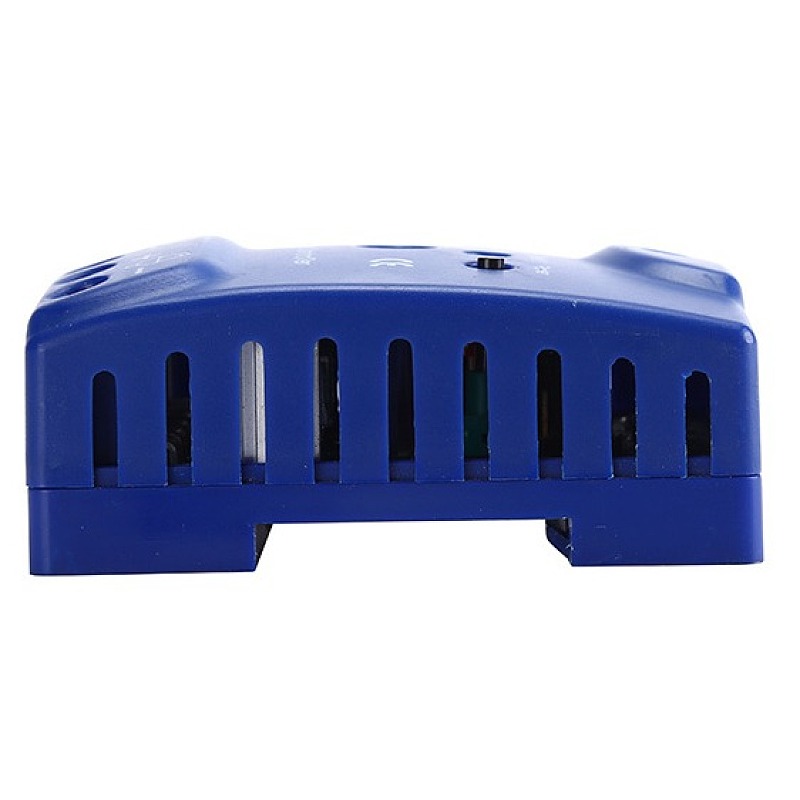
Outdoor environments such as farms, campgrounds, or surveillance sites often lack the infrastructure needed to support complex electronics. PWM controllers are mechanically simpler than MPPT units, with fewer internal components that could fail due to heat, dust, or humidity. Their solid-state design makes them ideal for harsh weather conditions, and their robust casing often includes moisture resistance and over-temperature protection—key factors for long-term stability in outdoor installations.
Compatibility with 12V/24V Systems
Most off-grid outdoor systems are built around 12V or 24V battery banks, a standard setup for solar lighting, water pumps, small appliances, and mobile systems like RVs or boats. PWM controllers are designed specifically for such voltages and work well when the solar panel's rated voltage is closely matched to the battery's voltage. This makes them extremely efficient for straightforward installations where a high degree of solar optimization isn't necessary, but reliability is.
Additional Benefits: Cost Efficiency and Power Simplicity
In outdoor deployments, keeping costs down without sacrificing durability is a common goal. PWM solar charge controllers offer a balanced mix of affordability and essential functionality, making them ideal for small to medium-sized projects. Their passive cooling systems and lower self-consumption rates make them energy-efficient even in standby mode—ensuring that the power harvested by the solar panels is used effectively, not wasted on the controller itself. This efficiency, combined with the ease of setup and minimal configuration requirements, makes PWM controllers a go-to choice for solar professionals deploying multiple units in field conditions.
How Does a PWM Controller Compare to MPPT in Outdoor Use?
When Simplicity Trumps Maximum Efficiency
One of the key differences between PWM and MPPT controllers lies in how they handle the voltage mismatch between solar panels and batteries. MPPT (Maximum Power Point Tracking) controllers adjust the input voltage to extract maximum power from the panels—making them ideal for large, high-voltage installations. However, in outdoor environments where panel voltage and battery voltage are closely matched, the benefits of MPPT are less pronounced.
In contrast, PWM controllers directly connect the solar panel to the battery during charging, making the system easier to install and operate. This direct connection approach means fewer components, lower maintenance needs, and minimal configuration—all critical factors in remote or mobile setups where technical support may not be readily available.
Lower Power Consumption and Thermal Management
PWM controllers are generally more power-efficient in standby or low-light conditions. Their simple circuitry draws minimal self-power, which is valuable in outdoor applications where panel size and battery capacity are limited. Moreover, PWM units generate less internal heat compared to MPPT units, reducing the risk of overheating during prolonged exposure to high ambient temperatures.
This makes PWM ideal for enclosed setups like waterproof battery boxes, solar-powered kiosks, or field monitoring stations where active cooling is impractical.
Less Sensitive to Environmental Variations
MPPT controllers rely heavily on panel voltage data and environmental conditions (like sunlight intensity and panel temperature) to track the optimal power point. In volatile outdoor environments—especially where cloud cover shifts rapidly or partial shading is common—MPPT algorithms can become less efficient or even unstable.
PWM controllers, on the other hand, operate on a fixed control logic. While less dynamic, this makes them more predictable and reliable in rugged outdoor use. For example, in forestry projects or hilly regions where terrain causes irregular shading, a PWM unit may offer more consistent long-term performance than a theoretically more “efficient” MPPT.
Cost vs. Value Balance for Outdoor Projects
In many outdoor applications—like solar lighting systems, agricultural fence electrification, or small weather stations—the total system size is modest, and the return on investing in an MPPT controller is negligible. PWM units provide a better value-to-performance ratio, especially when multiple controllers are deployed across a wide area. Their affordability means project managers can stretch budgets further while still maintaining reliable system performance.
What Outdoor Applications Benefit Most from PWM Controllers?
Mobile Power Systems (RVs, Caravans, Boats)
PWM solar charge controllers are a favorite among mobile off-grid enthusiasts. Whether you're operating a solar setup in a recreational vehicle, a trailer, or a small boat, PWM controllers offer the right balance of compact design, plug-and-play functionality, and reliable power flow. These systems typically rely on 12V battery banks and operate under direct sunlight without complex shading or variable panel conditions—perfectly suited for PWM efficiency.
Many travelers prefer PWM for their easy installation, no-fuss wiring, and LED indicators that offer real-time battery and charging status. Plus, their low power consumption ensures that even when the system is idle, it’s not draining precious stored energy.
Agricultural Use and Remote Lighting
Farms and plantations in rural or off-grid regions benefit significantly from PWM controllers. These systems are often deployed for solar-powered water pumps, irrigation timers, electric fences, or greenhouse ventilation systems—all of which run efficiently on small-scale solar-battery setups.
Similarly, solar streetlights, garden floodlights, or perimeter lighting systems can all use PWM charge controllers with automatic dusk-to-dawn functions. These controllers simplify energy management by powering loads only during the night and reducing unnecessary draw during the day. The robustness of PWM also means that dust, wind, or occasional rainfall won’t affect long-term performance.
Outdoor Surveillance and Security Installations
Security systems installed in isolated areas, such as construction sites, wildlife reserves, or border perimeters, often run on solar power due to the absence of grid connectivity. PWM charge controllers are ideal in these cases, offering a low-maintenance, stable power source for surveillance cameras, motion sensors, Wi-Fi antennas, and radio transmitters.
Because these applications typically operate on continuous low power loads and fixed battery voltages, PWM controllers provide a cost-effective and resilient solution—especially when combined with sealed or gel battery banks.
Environmental Monitoring Stations and Public Infrastructure
PWM controllers are increasingly used in weather stations, air quality monitoring posts, solar-powered road signs, and traffic signal systems. These outdoor units demand long operational life with minimal intervention. PWM’s straightforward design allows for dependable operation across years, especially when paired with maintenance-free batteries.
Public infrastructure projects also benefit from the lower upfront costs of PWM systems, making them scalable across multiple points without excessive investment or technical complexity.
What Should You Look for When Selecting a PWM Solar Charge Controller?
Amperage Rating: Matching Your Solar Array Output
One of the most important technical specifications when choosing a PWM solar charge controller is its current handling capacity. The controller must be able to manage the maximum current produced by your solar panels during peak sunlight hours. For example, if your solar array generates up to 15A, it’s wise to select a controller rated for at least 20A to provide a safety margin and prevent overheating or early failure.
Oversizing slightly is a common strategy for systems that may be expanded in the future. It also helps protect against surges caused by sudden irradiance changes—common in outdoor and mountainous areas.
Voltage Compatibility: 12V, 24V, or Auto Recognition
Most PWM controllers support both 12V and 24V battery banks, with some models offering auto-voltage detection, making installation easier and foolproof. If you're planning a simple lighting system or a mobile power pack, 12V is likely sufficient. However, for irrigation or surveillance systems with more demanding loads, a 24V setup may be more appropriate.
Ensure your chosen controller supports the same system voltage as your battery and solar panel configuration—mismatched voltage can damage equipment or render the system inoperable.
Environmental Protection: Durability in Harsh Conditions
Since PWM controllers in outdoor systems are exposed to a variety of elements—rain, dust, heat, and even insects—IP-rated enclosures (e.g., IP65 or IP67) are highly recommended. Look for products with corrosion-resistant terminals, UV-proof casings, and wide operating temperature ranges (e.g., -20°C to 60°C).
In high-humidity zones or near coastal environments, these protective features aren’t optional—they’re critical for longevity and electrical safety.
Load Control and Intelligent Features
Many modern PWM solar charge controllers offer programmable load outputs, which allow users to control DC appliances like LED lights, fans, or pumps directly from the controller. Look for features such as:
Dusk-to-dawn timers for lighting systems
Low-voltage disconnect (LVD) and reconnect settings to protect batteries from deep discharge
Manual override buttons for testing or maintenance use
These smart features reduce the need for external timers or controllers and are especially useful for outdoor systems that must run autonomously for long periods.
Interface and Monitoring Capabilities
Basic PWM controllers come with LED indicators, but higher-end models feature LCD screens showing real-time values such as battery voltage, charge current, and system status. For outdoor professionals, being able to verify system health at a glance—without extra tools—is a major benefit.
Some models also offer RS-485 or Bluetooth modules for remote monitoring via apps, useful for off-site management of agricultural or security installations.
Conclusion
Is a PWM Solar Charge Controller the Right Fit for You?
For many outdoor solar power systems—whether they support mobile caravans, field lighting, agricultural automation, or off-grid security—simplicity, reliability, and cost-effectiveness are often more important than extracting every last watt from a solar panel. That’s where the PWM solar charge controller shines.
If your solar array’s voltage is close to your battery bank’s voltage (typically 12V or 24V), and your load requirements are stable and moderate, a PWM controller offers more than enough performance. It ensures safe and stable battery charging, low maintenance, and strong resistance to environmental stress, all at an affordable price point.
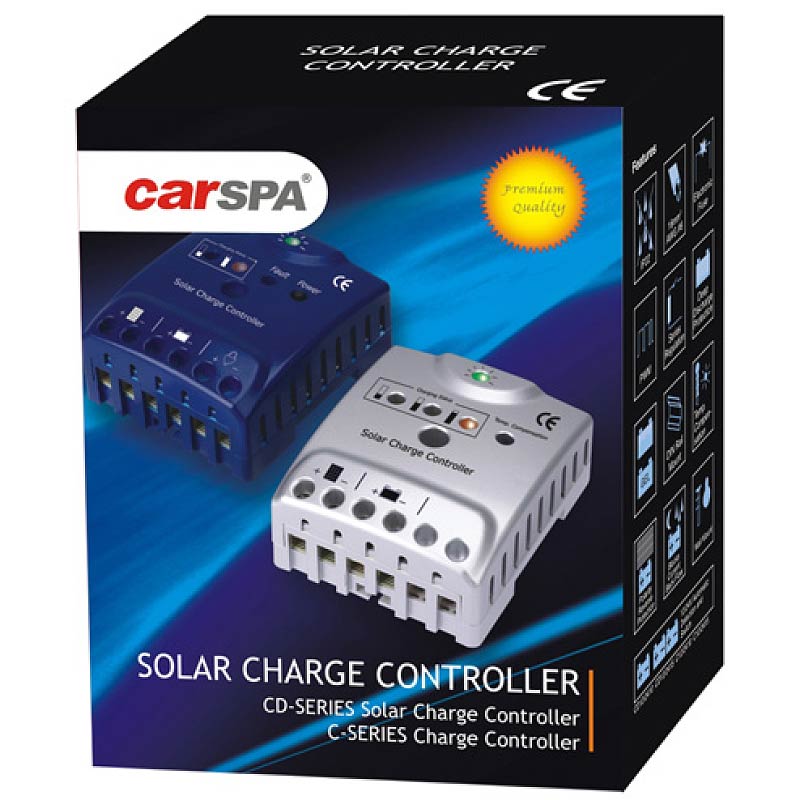
Moreover, many PWM units now come with intelligent features like load timers, display screens, and temperature compensation, making them more than just basic regulators—they’re practical tools for dependable off-grid energy management.
In summary, if your project involves:
Outdoor deployment in variable weather
Modest power requirements
Limited technical supervision
Tight budget constraints
Then a PWM solar charge controller is not only a viable choice—it’s likely the most logical and sustainable solution.
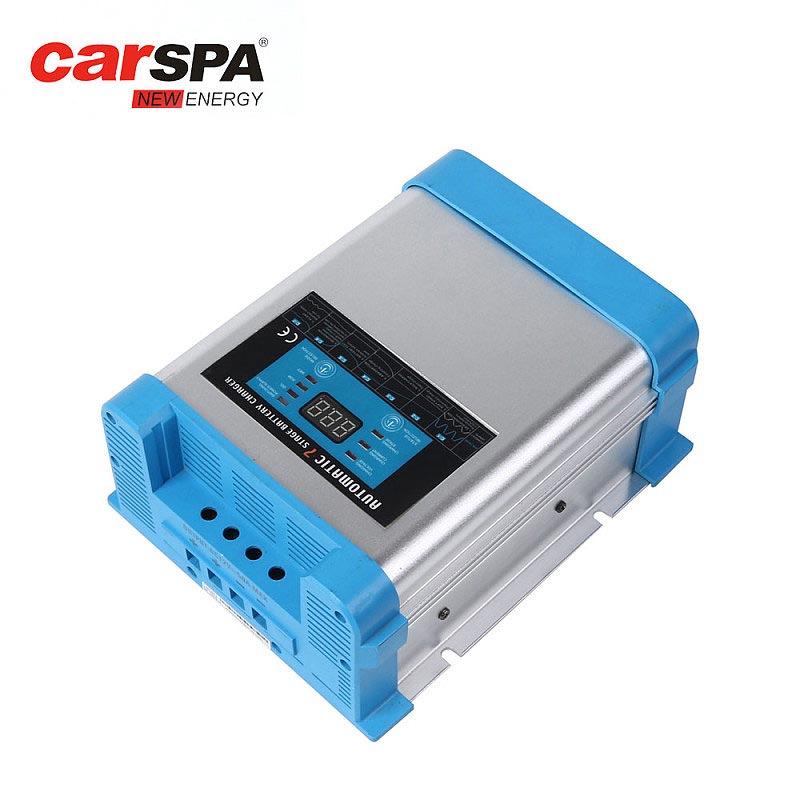
For outdoor-ready PWM solar charge controllers that combine performance with rugged durability, CARSPA offers a full range of professional-grade models designed to meet the demands of today’s real-world solar applications.


.jpg)
.jpg)
.jpg)
.jpg)
.jpg)
.jpg)


