
Why Do You Need an Outdoor Battery Charger for Off-Grid Power? 5 Critical Questions Answered
In today's mobile and decentralized work environments, having access to reliable power—no matter the location—is essential. From remote job sites and agricultural fields to outdoor recreation and emergency response zones, battery-powered systems play a crucial role. But without a dependable battery charger, even the best battery can fail at the wrong moment. This article explores why outdoor battery chargers are more than just accessories—they're critical tools that ensure power availability, protect equipment longevity, and support operations in the harshest conditions.
What Challenges Do Outdoor Environments Pose for Power Supply?
Operating battery-powered systems outdoors introduces unique environmental and operational difficulties that are not typically encountered in indoor settings. Understanding these challenges is critical for selecting the right battery charger for reliable and safe performance.
Weather Exposure and Temperature Fluctuations
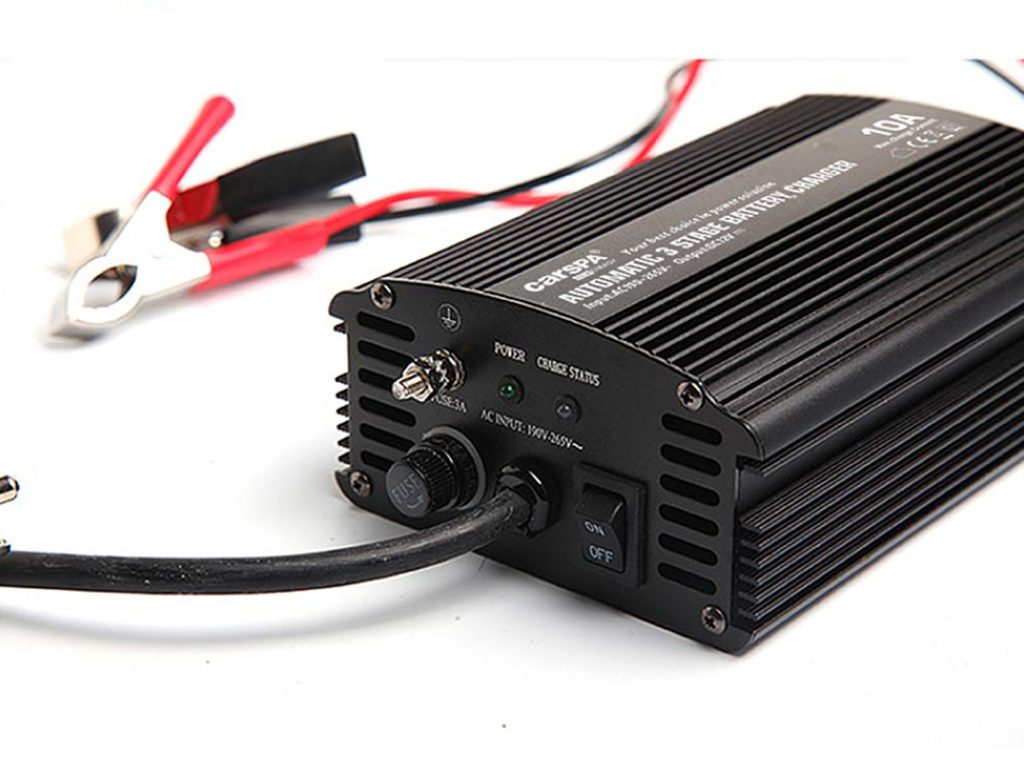
Outdoor environments are highly unpredictable. Rain, humidity, snow, and direct sunlight can significantly degrade the performance of sensitive electronic components. In addition, battery efficiency often drops in extremely cold or hot climates. A high-quality outdoor battery charger must be capable of maintaining optimal charge levels even when exposed to these harsh conditions. This means using temperature-resistant casings, built-in thermal sensors, and corrosion-resistant materials. Products that pass IEC or IP65-level certifications offer assurance of consistent operation regardless of environmental stress.
Remote Locations and Limited Access to Grid Power
Many outdoor applications take place in areas where grid power is unstable or nonexistent—such as construction zones, remote agricultural fields, or national parks. In such scenarios, chargers need to be adaptable to alternative power inputs like solar panels, vehicle alternators (DC input), or portable generators. Some advanced chargers even support dual-input modes, enabling seamless switching between AC and DC sources to avoid power interruption. This flexibility reduces downtime and increases operational autonomy.
Durability and Portability
In outdoor deployments, equipment is frequently relocated. Therefore, a battery charger must be not only rugged but also lightweight and easy to carry. A compact charger with shock-absorbing housing, reinforced connectors, and anti-slip handles ensures usability across uneven terrains. Some industrial-grade models also feature mounting brackets or protective covers, making them ideal for mobile units or wall installations on trailers or shelters. Durability isn't just about surviving drops—it's about sustained performance over thousands of operational hours in real-world outdoor conditions.
How Do You Choose the Right Battery Charger for Outdoor Use?
Not all battery chargers are designed with outdoor conditions in mind. When operating in the field, selecting the right charger isn't just about power ratings—it's about matching performance with environmental demands, battery chemistry, and deployment scale. Here are key features and selection criteria to evaluate.
Charging Compatibility and Voltage Flexibility
Outdoor systems often run a wide variety of batteries—from deep-cycle AGM batteries in off-grid solar setups to lithium-ion packs in surveillance or irrigation equipment. A versatile battery charger should support multiple chemistries (AGM, gel, lead-acid, LiFePO4) and a wide voltage range, typically from 12V to 48V. Multi-voltage chargers allow operators to switch between use cases without replacing hardware, offering greater field utility. In agricultural environments, for instance, both 12V irrigation pumps and 24V backup lighting may be required—flexible voltage matching is essential for seamless operation.
Weatherproof and IP-Rated Enclosures
Since outdoor charging equipment may be exposed to rain, dust, or sandstorms, protection is critical. Look for chargers with IP ratings of IP65 or higher, indicating water-jet resistance and complete dust protection. Enclosures made from powder-coated aluminum or industrial-grade ABS plastic offer improved corrosion resistance and durability. Some models include sealed connectors and rubber grommets to prevent water ingress even in high-humidity zones or during temporary submersion. For marine or coastal applications, UV-resistant coatings also help preserve long-term integrity.
Intelligent Charging Control
Outdoor environments don't always allow constant human supervision. That's why intelligent charging functions are vital. Multi-stage charging (bulk, absorption, float, trickle) extends battery life and improves performance by dynamically adjusting voltage and current. Features such as auto-restart, charge status LED indicators, short-circuit protection, and reverse polarity safeguards ensure safe unattended charging. Smart battery chargers with microcontroller-based management can even adapt to partial solar input or generator noise, ensuring smooth operation in variable power conditions.
Why Is Battery Health Management Crucial in Outdoor Settings?
In controlled indoor environments, battery degradation may be gradual and manageable—but in outdoor applications, poor battery health can cause sudden failure, safety risks, and serious downtime. That's why ongoing battery health management through a smart charger is not optional—it's essential.
Longer Equipment Uptime
Outdoor operations often rely on continuous power for critical equipment: surveillance cameras, irrigation systems, lighting units, communication terminals, and more. A weakened battery can reduce operating time and cause unexpected shutdowns, especially in remote areas where backup resources are unavailable. A smart battery charger maintains optimal charge cycles, preventing undercharging or overcharging that typically leads to capacity loss. By keeping batteries consistently within healthy voltage ranges, the system's uptime is significantly extended—minimizing interruptions to productivity.
Reduced Maintenance and Replacement Costs
Batteries are among the most expensive consumables in mobile and remote systems. Poor charging habits—such as fast charging without control, or overcharging during heatwaves—accelerate aging and lead to sulfation or cell imbalance. An advanced battery charger with built-in diagnostics, temperature compensation, and real-time voltage monitoring can extend battery life by 30–50%. This translates into fewer service visits, less frequent battery purchases, and a reduction in unexpected emergency repairs. Over time, these operational savings greatly outweigh the initial cost of a premium charger.
Safety in Isolated Locations
In outdoor or isolated environments, safety risks from overheating, thermal runaway, or acid leakage can be difficult to contain. A quality charger with built-in safety mechanisms—like over-temperature shutoff, spark-proof design, or automatic disconnect when the battery is full—greatly reduces the chance of dangerous incidents. Especially in unmanned sites, such as environmental monitoring stations or emergency telecom towers, a charger that can safely manage power without supervision is not just useful—it's critical.

What Applications Demand a Reliable Outdoor Battery Charger?
Battery chargers designed for outdoor use are not confined to a single niche—they serve a broad range of sectors where mobility, reliability, and energy independence are critical. Whether in rugged industries or recreational settings, a dependable charger can directly influence operational efficiency and safety.
Construction and Infrastructure Projects
Construction sites often lack permanent power infrastructure during early phases. Equipment like laser levels, walkie-talkies, floodlights, and even surveillance systems all depend on battery power. A portable, heavy-duty battery charger ensures these devices stay operational throughout long work shifts. Moreover, some contractors rely on solar generators or DC power stations, requiring chargers compatible with alternative energy sources. Chargers with robust enclosures and fast-charging features reduce downtime between tool usage, which is essential on time-sensitive sites.
Camping and Recreational Vehicles
Outdoor recreation—such as camping, overlanding, or RV travel—demands off-grid energy solutions for powering lighting, small appliances, and communication gear. A reliable battery charger supports deep-cycle battery banks that power fridges, fans, mobile phones, GPS devices, and more. In this segment, users benefit from lightweight, compact chargers with silent operation and compatibility with both shore power and solar panels. Intelligent charging helps prevent battery drain during extended stays in remote areas.
Agriculture and Environmental Monitoring
Modern agriculture often deploys automated irrigation systems, water pumps, soil sensors, and remote cameras in areas far from AC power. Likewise, environmental stations collect data in forests, deserts, or wetlands. These applications rely on solar-charged battery banks maintained by outdoor-compatible chargers. The best chargers in this segment are weatherproof, support lithium battery types for high cycle efficiency, and require minimal maintenance over long seasons.
Emergency Response and Military Use
In disaster recovery zones or field operations, reliable communication and medical equipment can be a matter of life and death. Emergency teams need chargers that work under any condition—extreme heat, rain, dust, or impact. Military-grade chargers often include multiple protection layers, anti-spark design, and wide input voltage acceptance (10–30V). Fast deployment, reliability, and security make rugged battery chargers indispensable in mobile command centers and field hospitals.
How Can a Brand Like CARSPA Support Your Outdoor Power Needs?
When it comes to choosing battery chargers that can reliably operate in harsh outdoor conditions, not all manufacturers deliver the same level of performance, durability, and safety. This is where CARSPA has consistently set itself apart—with a proven focus on engineering rugged, efficient, and intelligent charging solutions tailored for demanding field use.
Engineered for Durability in Harsh Environments
CARSPA's outdoor battery chargers are specifically built to withstand extreme temperatures, rain, dust, and vibration. Many of their models feature IP65-rated enclosures, anti-corrosion coatings, and thermally stable electronics, making them ideal for long-term deployment in agriculture, construction, marine, and emergency services. Whether mounted in an RV or placed next to a solar panel in an open field, their chargers maintain steady operation in unpredictable weather.
Intelligent Charging Technology
All CARSPA chargers include multi-stage intelligent charging algorithms, ensuring the right voltage and current at each battery phase—bulk, absorption, float, and trickle. Features like automatic voltage detection, overload protection, reverse polarity defense, and temperature-compensated charging make them not only safe but also highly efficient in protecting battery lifespan. This is especially valuable for unattended systems like irrigation controllers or remote monitoring stations.
Versatility Across Applications
CARSPA offers models compatible with 12V, 24V, and 48V systems, supporting a variety of battery chemistries including AGM, gel, lead-acid, and lithium-ion. From off-grid solar banks to backup systems in field offices, the chargers are easy to integrate and support diverse operational setups. Select models even include solar input support, dual AC/DC power options, and digital display interfaces—making field adjustments simple and intuitive.
Trusted by Industry Professionals
Backed by years of experience in the global power electronics market, CARSPA has earned a solid reputation among OEMs, system integrators, and off-grid professionals. Their commitment to reliability, innovation, and customer service positions them as a trusted partner for any outdoor power solution that demands uncompromising quality.
Conclusion
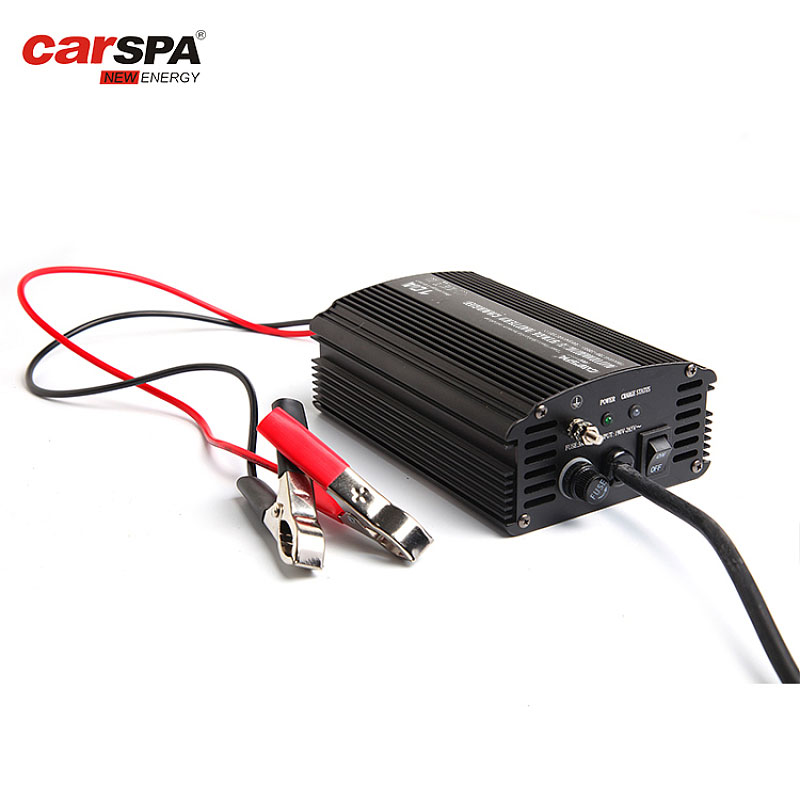
Choosing the right battery charger for outdoor use requires more than just matching voltage—it involves evaluating durability, weather resistance, smart charging capabilities, and application-specific requirements. A quality charger protects your battery investment, enhances system uptime, and ensures safe operation across a variety of field conditions. CARSPA, with its robust range of weatherproof and intelligent battery chargers, offers a trusted solution for those seeking power reliability in even the most rugged environments. Whether you're powering tools, lighting, or monitoring systems, a CARSPA charger can help you stay fully charged and fully operational—wherever the job takes you.


