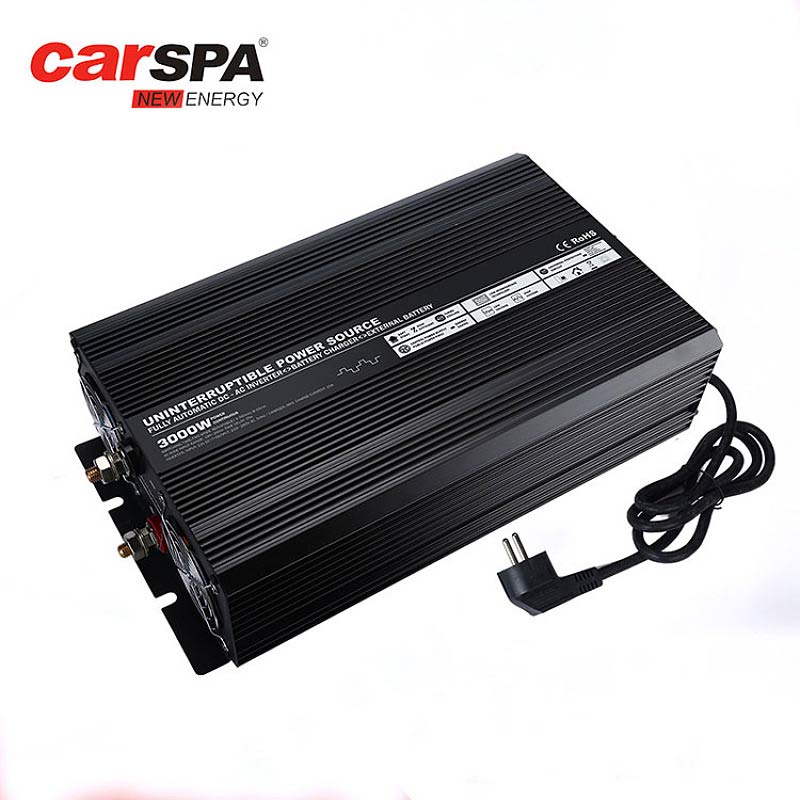
How to Choose the Right 1000W Inverter for Your RV Travel and Off-Grid Living Needs?
For modern RV travel and off-grid living, reliable power is no longer a luxury—it's a necessity. A 1000W inverter provides a versatile and compact solution to convert DC battery power into usable AC electricity, allowing you to operate household appliances, charge devices, and stay connected wherever you go. But selecting the right inverter involves more than just wattage. From installation and safety to waveform quality and daily maintenance, understanding your inverter's capabilities can make all the difference in your mobile lifestyle. In this guide, we'll explore what a 1000W inverter can power, how to use it safely, and what features to look for to get the most from your investment.

What Can a 1000W Inverter Power During Your RV Trip or Off-Grid Stay?
A 1000W inverter plays a critical role in any off-grid or mobile living environment, such as RVs, camper vans, tiny homes, and remote cabins. It allows you to convert 12V DC power from your battery system into 220V or 110V AC power—making it possible to run household appliances even when you're far from the grid. But what exactly can you power with a 1000W inverter?
Appliances Suitable for 1000W Inverter Use
A 1000W inverter can comfortably power a wide range of low to medium-power appliances. These include LED TVs, laptop computers, portable fans, small refrigerators, phone chargers, LED lighting systems, electric blankets, and coffee makers. It's ideal for daily essentials that keep your off-grid lifestyle comfortable and connected.
For example, you could charge two laptops and run a small fridge and a few lights at the same time without overloading the inverter. The combined wattage should ideally stay under 800–900W to avoid triggering overload protection, as startup power surges can exceed rated consumption.
Short-Term Loads vs. Continuous Power Draw
It's also important to understand that inverter capacity is typically rated for continuous power output, not short-term peaks. Many devices—like blenders, microwaves, or air compressors—may require short bursts of high wattage (known as surge power), which can exceed 1000W. In such cases, you must check whether your inverter has a surge capacity and how long it can maintain it—some 1000W inverters can briefly handle up to 2000W.
Practical Example: Daily Energy Planning
To maximize efficiency, users often create an energy plan to determine what can be run simultaneously. For instance, in an RV:
Morning: Electric kettle (600W) and light (20W)
Afternoon: Laptop charging (65W), fridge (150W cycling), USB fan (10W)
Evening: TV (80W), mobile phone charging (10W), and lighting (30W)
By rotating use and avoiding overload, the inverter becomes a reliable power hub for daily life on the road.
Energy Storage Compatibility
Pairing the 1000W inverter with the right battery bank—such as a 12V 100Ah lithium or AGM battery—ensures stable output and enough runtime. With proper system sizing, users can achieve a well-balanced off-grid setup capable of supporting both short adventures and long-term living.
How Do You Install and Use a 1000W Inverter Safely in an RV or Mobile Home?

Proper installation and safe operation of a 1000W inverter are essential to ensure reliable performance and avoid hazards during your RV or mobile living journey. Whether you are a DIY enthusiast or relying on a professional installer, understanding the correct process helps optimize your power system and prevent costly mistakes.
1. Choosing the Right Installation Location
The inverter should be installed in a cool, dry, and well-ventilated area. Avoid locations exposed to moisture, fuel vapors, or direct sunlight. Ideally, mount it as close as possible to the battery bank to minimize voltage drop and cable resistance. Keep it accessible for monitoring and maintenance, but away from living quarters to reduce noise and heat accumulation.
2. Proper Wiring and Battery Connection
Use appropriately sized cables for both the positive and negative terminals, as undersized wires can lead to overheating and energy loss. For a 1000W inverter on a 12V system, 4 AWG cables are generally recommended. Always use a fuse or circuit breaker between the battery and inverter to protect against short circuits. A common setup includes:
Positive cable → Inline fuse → Inverter terminal
Negative cable → Ground connection and inverter terminal
Double-check polarity before making connections—reversed polarity can damage the inverter instantly.
3. Grounding the Inverter
For safety, connect the inverter's grounding terminal to the RV's chassis or a dedicated grounding point. This helps prevent electric shock and interference, especially when powering AC appliances with metal housings.
4. Ventilation and Cooling
1000W inverters produce heat, especially under heavy load. Make sure there is at least 4–6 inches of clearance around the inverter's vents and fan exhaust. Never block the airflow, and regularly clean dust buildup. Overheating is one of the leading causes of inverter failure, and good ventilation is your first line of defense.
5. Safety Tips for Daily Use
Never exceed the rated wattage of 1000W; account for surge power during appliance startup.
Turn off the inverter when not in use to conserve battery power.
Avoid using extension cords with high resistance—use heavy-duty, grounded cables.
Monitor battery voltage using the inverter's display or external battery monitor to avoid deep discharges.
With careful installation and responsible usage, a 1000W inverter can safely power your essential devices for years, whether you're exploring remote landscapes or parked at a cozy campsite.
Why Is Pure Sine Wave Important for Sensitive Electronics in Off-Grid Living?
When choosing a 1000W inverter for your RV or mobile home, one of the most critical decisions is whether to select a pure sine wave or a modified sine wave model. While both types can convert DC to AC power, only pure sine wave inverters deliver a clean, consistent electrical signal that mimics grid power—making them essential for powering sensitive electronics during off-grid living.
1. Understanding the Difference in Waveform
A pure sine wave inverter outputs electricity with a smooth, sinusoidal waveform—just like the electricity from your home outlet. In contrast, modified sine wave inverters create a stepped or squared-off waveform that can be "noisy" or inconsistent for delicate devices. Though modified sine wave inverters are generally cheaper, they come with functional limitations.
2. Devices That Require Pure Sine Wave
Sensitive electronics often rely on a stable waveform to function correctly. A 1000W pure sine wave inverter ensures compatibility and longevity for equipment such as:
Laptops and computers – Prevents overheating and internal damage.
LED TVs and monitors – Ensures clear image quality and prevents flickering.
CPAP machines – Essential for safe and uninterrupted operation.
Digital clocks and appliances with timers – Maintains accurate performance.
Battery chargers and camera equipment – Avoids incomplete charging or malfunction.
Using a modified sine wave inverter on such devices can result in irregular behavior, excessive noise, and even permanent damage.
3. Efficiency and Power Factor
Pure sine wave inverters are more energy efficient for many appliances, particularly those with motors or compressors. Devices such as refrigerators, fans, and small power tools often run quieter, cooler, and with less energy draw when using pure sine wave power.
Additionally, appliances like microwaves and induction cooktops perform closer to their rated power levels with pure sine wave input—ensuring your 1000W capacity is fully utilized rather than wasted on electrical inefficiency.
4. Inverter Longevity and System Stability
Because pure sine wave inverters produce cleaner power, they also experience less internal stress during operation. This contributes to a longer product lifespan and fewer failure points over time. More importantly, if your inverter is part of a larger solar or hybrid off-grid system, waveform consistency ensures better harmony with charge controllers, MPPT devices, and other AC-coupled components.
What Features Should You Look for When Selecting a 1000W Inverter for RV Use?
Not all 1000W inverters are created equal. While wattage defines the maximum load, the functionality, safety features, and ease of integration into your RV power system can vary significantly between models. Knowing which features to prioritize helps ensure smooth operation, better energy management, and long-term system compatibility.
1. Pure Sine Wave Output
As discussed previously, choosing a pure sine wave inverter is critical for powering sensitive electronics. Always verify that the inverter is labeled as “pure sine wave” rather than “modified sine wave” if you plan to use laptops, medical devices, or smart chargers.
2. Wide Input Voltage Range
A high-quality 1000W inverter should support a wide input voltage range—typically 10.5V to 15V for 12V systems. This flexibility ensures the inverter continues working reliably during fluctuations in battery voltage due to charging and discharging cycles.
Look for low-voltage and over-voltage protection features to prevent shutdowns or permanent damage to your appliances and battery bank.
3. Smart Protection Mechanisms
Safety should never be compromised in mobile or off-grid environments. Essential protections include:
Overload protection – shuts down the inverter when power demand exceeds 1000W.
Over-temperature protection – triggers automatic cooling or shutdown when internal temperatures rise too high.
Short-circuit protection – instantly disconnects output during electrical faults.
Reverse polarity protection – prevents damage in case of incorrect battery wiring.
Some inverters also feature audible alarms to alert users to unsafe conditions in real time.
4. Remote Control and Display Options
Convenience matters when you're living in tight spaces. Many modern inverters come with:
Wired or wireless remote control panels – allowing you to power on/off the inverter without accessing the main unit.
Digital LCD or LED displays – showing real-time information such as input voltage, output wattage, battery level, and fault status.
These interfaces provide valuable insights into power consumption and system health, especially for long-term RV dwellers.
5. USB Ports and Multiple AC Outlets
For plug-and-play flexibility, choose inverters that include:
Multiple AC outlets – to power more than one device simultaneously.
Built-in USB ports – ideal for charging phones, tablets, and other small electronics directly.
This reduces the need for extra adapters and streamlines your mobile workstation or living setup.
How to Maintain and Extend the Life of Your 1000W Inverter While Living on the Road?
A 1000W inverter is a long-term investment that powers your off-grid lifestyle. Like any electrical component, it requires regular attention to operate safely and efficiently—especially in the demanding and mobile environment of RV living. By following practical maintenance steps, you can extend your inverter's life and avoid unexpected breakdowns while on the road.
1. Ensure Proper Ventilation at All Times
Heat is the number one enemy of inverters. Always install your inverter in a location with good airflow and keep its cooling vents unobstructed. Avoid enclosing it in tight compartments or storage boxes without ventilation. Routinely check and clean the fan grills to prevent dust buildup, which can block airflow and trigger over-temperature shutdowns.
2. Monitor Battery Health and Voltage Levels
Low or inconsistent battery voltage can strain the inverter's internal components. Use a battery monitor or the inverter's built-in voltage display to ensure input stays within the recommended range (typically 10.5–15V for 12V systems). Over-discharging your battery can cause inverter alarms and reduce overall system efficiency.
It's also important to periodically inspect battery terminals for corrosion or loose connections, as these issues can lead to voltage drops and power instability.
3. Avoid Continuous Overloading
Even though a 1000W inverter can handle a fair number of appliances, running it at full capacity continuously will shorten its lifespan. Aim to keep load usage at 70–80% of the rated power, allowing headroom for brief surges and system stability. Use energy-intensive appliances one at a time, and unplug unnecessary devices when not in use.
4. Store and Transport With Care
Inverters are sensitive to vibration, moisture, and shock. When moving your RV or making repairs, make sure the inverter is firmly mounted on a flat surface. During off-seasons, disconnect the inverter and store it in a dry, cool place to prevent internal corrosion or humidity damage.
5. Keep a Maintenance Checklist
A simple checklist can help you keep track of inverter upkeep:
Monthly: Clean vents, inspect wiring, test output with appliances
Quarterly: Check battery voltage and terminal tightness
Annually: Re-torque mounting screws, inspect for signs of wear or heat discoloration, review system capacity vs. usage
By adopting these habits, you not only protect your inverter but also enhance the safety and reliability of your entire mobile power setup.

Conclusion
A 1000W inverter is a powerful ally for anyone living or traveling off the grid. It strikes the perfect balance between size, performance, and energy efficiency—capable of supporting essential electronics while being compact enough for RV or campervan installation. Choosing a model with pure sine wave output, built-in protection features, and user-friendly controls will enhance your off-grid experience. With proper installation and regular maintenance, your inverter will deliver years of dependable power. Whether you're running a refrigerator on the road, charging laptops in the wild, or simply enjoying quiet evenings under the stars, a quality 1000W inverter keeps your lifestyle moving forward.
Brand Note:
For reliable and efficient 1000W inverters tailored to mobile and off-grid applications, explore the solutions offered by CARSPA—trusted by professionals for durable design and performance.