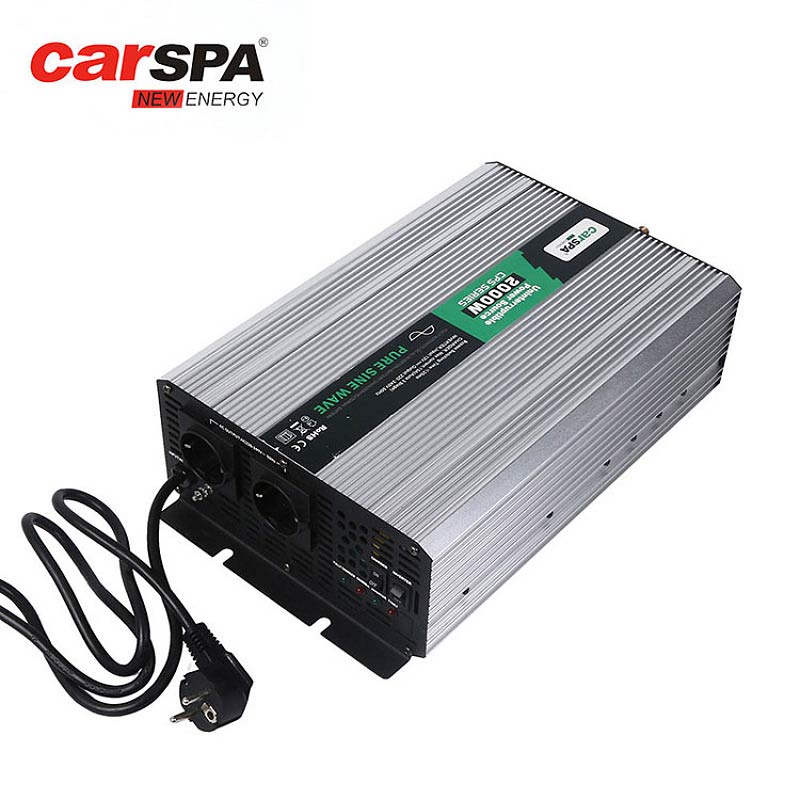
How a 1000 Watt Inverter Powers Reliable and Comfortable RV DIY Outdoor Systems?
Introduction
Why Do Outdoor Adventures and RV DIY Power Systems Need a Reliable 1000 Watt Inverter?
In the world of outdoor living and RV customization, independence and comfort rely heavily on one critical element — a stable and efficient power source. Whether you're setting up camp in a remote valley, embarking on a cross-country road trip, or customizing your own RV interior for long-term travel, electricity is the invisible backbone that keeps every essential system running. Lights, refrigerators, ventilation fans, laptops, coffee makers — all these conveniences turn an ordinary outdoor experience into a comfortable, self-sufficient lifestyle.

However, when you're far from grid power, the challenge is clear: how to convert your stored battery energy into usable AC power for your appliances safely and efficiently. This is where a 1000 watt inverter becomes indispensable. By transforming DC power from your RV batteries or solar panels into clean, stable AC output, it enables your devices to function just as they would at home — without noise, voltage fluctuation, or overload risks.
For many DIY enthusiasts, the 1000W inverter represents the perfect balance between power capacity, size, and efficiency. It's compact enough to fit into tight RV compartments, yet powerful enough to handle multiple appliances simultaneously. Moreover, its compatibility with renewable sources like solar panels makes it an eco-friendly core of any off-grid power system.
As more outdoor travelers embrace energy independence and sustainability, integrating a 1000 watt inverter into an RV DIY setup has evolved from an option into a standard — a practical solution that merges freedom, technology, and reliability into one compact device.
What Makes a 1000 Watt Inverter Ideal for RV and Outdoor Applications?
When planning an off-grid adventure or designing a custom RV power system, choosing the right inverter is one of the most important decisions you'll make. Among the many available power options, the 1000 watt inverter stands out for its balance of performance, portability, and versatility — making it perfectly suited for outdoor and mobile environments.
Balanced Power for Everyday Use
A 1000W inverter offers the ideal output for typical RV and camping needs. It can reliably power lighting systems, portable fans, TVs, small refrigerators, water pumps, and even laptop chargers — all at the same time, depending on load management.
This wattage range ensures enough headroom for most daily activities without the excessive energy draw or high idle consumption found in larger units. For travelers, this means longer battery life, less strain on the electrical system, and reduced maintenance over time.
Compact and Portable Design
Outdoor enthusiasts often face strict space and weight limitations. The compact size of a 1000W inverter allows it to fit seamlessly under seats, inside utility cabinets, or next to battery banks. Despite its small footprint, it delivers stable AC output that rivals larger inverters.
Many modern models also feature lightweight aluminum housings for improved heat dissipation and durability — ideal for rough road conditions or extreme weather. Its portability makes it equally suitable for RV systems, camper vans, off-road vehicles, and even standalone solar generator kits.
Energy Efficiency and Low Standby Power
In outdoor and RV scenarios, every watt counts. A high-quality 1000W inverter typically offers over 90% conversion efficiency, ensuring minimal energy loss during DC-to-AC conversion. This efficiency directly translates into longer usage time per battery cycle and less heat buildup inside confined RV compartments.
Additionally, low standby current helps prevent unnecessary battery drain when the inverter is idle — a crucial advantage during overnight stays or multi-day camping trips.
Wide Compatibility with Appliances
From powering a portable induction cooktop to recharging camera equipment, the 1000W inverter handles both resistive loads (such as lights and heaters) and sensitive electronics (like computers or medical devices) when designed with pure sine wave output.
Pure sine wave models, unlike modified types, replicate the same smooth AC waveform as household electricity — ensuring stable voltage, quiet motor operation, and protection for sensitive circuits. This compatibility makes it the most dependable choice for users who prioritize equipment safety and reliability outdoors.
The 1000 watt inverter is not just a tool — it's the heart of an independent power ecosystem that enables outdoor freedom. By providing a stable bridge between your batteries and appliances, it ensures that every journey, whether short or long, remains powered, efficient, and enjoyable.

How to Build a Reliable RV DIY Power System Around a 1000W Inverter?
Creating a dependable and efficient power setup for your RV or outdoor project starts with more than just buying an inverter — it's about designing a complete ecosystem where each component works in harmony. A 1000 watt inverter acts as the central hub of this system, but how you integrate it determines the real-world performance, safety, and longevity of your setup.
Choosing the Right Components for System Balance
A successful DIY RV power system depends on a few key elements:
Battery Bank: Deep-cycle lithium or AGM batteries are recommended due to their stable discharge curve and higher cycle life. For a 1000W inverter, a 12V 100Ah–200Ah battery provides enough capacity for several hours of continuous operation.
Cables and Fuses: The correct wire gauge and fuse rating are essential. Undersized cables lead to voltage drop and heat buildup. Typically, AWG 4–6 cables are suitable for most 1000W inverter setups.
Switches and Circuit Protection: Install a DC circuit breaker or inline fuse close to the battery to prevent overloads and short circuits.
Each part should be carefully selected not just for compatibility, but also for efficiency and safety, ensuring smooth current flow and minimal energy loss throughout the system.
Safe Installation and Grounding Practices
Proper installation determines both performance and safety. The inverter should be mounted in a well-ventilated area, away from direct heat or moisture. Since RV interiors can get hot, ventilation helps prevent thermal shutdowns and extends component lifespan.
Grounding is equally important — connect the inverter's chassis ground terminal to the vehicle's common ground or frame. This reduces the risk of electric shock and interference with other electronics.
In addition, always maintain secure, tight connections at every terminal. Loose contacts are one of the most common causes of power failure or sparking in RV electrical systems.
Integrating Solar Power and Charging Sources
Many outdoor travelers are turning to solar energy to achieve full off-grid independence. Pairing a 1000W inverter with a solar charge controller and PV panel array allows you to recharge your battery bank directly from sunlight.
This hybrid approach offers continuous operation during daylight hours and quiet, emission-free energy compared to fuel generators. Depending on energy needs, a 300–600W solar setup is typically sufficient to keep batteries charged and the inverter running efficiently.
For added flexibility, consider a dual-input system — combining solar charging with an AC charger that can plug into shore power or a portable generator when needed.
Smart Monitoring and Control Features
Today's advanced inverters and accessories support real-time monitoring, enabling you to check voltage, power draw, and battery status via LCD displays or Bluetooth apps. This is particularly valuable in DIY systems where load conditions vary day to day.
By monitoring key parameters, you can prevent over-discharge, detect system faults early, and optimize energy use — ensuring your setup runs smoothly and safely, even on long journeys.
A well-designed RV DIY power system centered around a 1000W inverter offers far more than convenience — it provides peace of mind. With the right wiring, protection, and integration, you can power lights, tools, appliances, and devices anywhere the road takes you — reliably, quietly, and efficiently.
What Are the Key Safety and Maintenance Considerations for Outdoor Use?
When your power system travels with you into unpredictable outdoor environments, safety and maintenance become just as important as performance. A 1000 watt inverter used in an RV or DIY setup must handle varying temperatures, humidity, vibration, and load changes — all while delivering clean, reliable power. Proper installation and upkeep not only protect your equipment but also ensure uninterrupted operation when you need it most.
Protection Against Harsh Outdoor Conditions
Outdoor conditions can easily challenge electronic devices, but a well-built inverter is designed to withstand them.
Dust and Moisture Resistance: Choose an inverter with an aluminum alloy housing and sealed ventilation design to block dust ingress and moisture buildup. For RVs parked near the coast or deserts, this helps prevent corrosion and internal damage.
Thermal Control: In high-temperature regions, overheating can lead to shutdowns or permanent damage. Look for units with intelligent cooling fans and over-temperature protection that automatically regulate internal heat levels.
Vibration and Shock Protection: In mobile installations, anti-vibration mounts and secure fasteners keep the inverter stable even on bumpy terrain, reducing internal wear.
These protective measures ensure that your inverter maintains stable output even under tough environmental stress.
Built-in Electronic Protection Features
Modern 1000W inverters are equipped with multiple electronic protection systems that safeguard both the inverter and connected devices:
Overload Protection: Automatically limits current when output exceeds rated capacity, preventing damage.
Short-Circuit Protection: Instantly cuts off power when a wiring or appliance fault occurs.
Low/High Voltage Protection: Shuts down operation if input voltage falls outside safe limits, protecting the battery from over-discharge.
Overheat and Reverse Polarity Protection: Stops operation when wiring is incorrect or internal temperature rises too high.
Such protections allow users to operate confidently, knowing the system can self-diagnose and respond to electrical anomalies.
Routine Maintenance for Long-Term Reliability
Even the best inverter requires regular maintenance to stay at peak performance. Here are some key practices:
Inspect Connections: Check all terminal screws and wire joints monthly to ensure they remain tight and corrosion-free.
Clean Cooling Vents: Use compressed air or a soft brush to remove dust from fan openings and heat sinks, maintaining efficient airflow.
Monitor Output and Input Voltage: Periodically verify the inverter's output voltage and battery charge level to detect performance drops early.
Update Safety Labels and Logs: For fleet or commercial RV systems, keeping maintenance logs helps trace any operational issues quickly.
Consistent upkeep helps prevent power instability, component fatigue, and unexpected downtime during travel.
Storage and Seasonal Use Tips
For those who use RVs seasonally, it's important to store the inverter properly when not in use. Disconnect it from the battery, keep it in a dry place, and protect it from prolonged exposure to sunlight or extreme cold. Before reinstallation, conduct a quick functional test to confirm output stability.
By following these best practices, your 1000 watt inverter remains dependable for years of outdoor use — ready to deliver clean energy wherever your adventures take you.
How Does a 1000W Inverter Enhance Comfort and Freedom in Outdoor Living?
Outdoor adventures are no longer defined by how far you can travel from the city, but by how comfortably and independently you can live once you get there. A 1000 watt inverter transforms any RV or campsite into a mobile energy hub — powering essential appliances, enabling modern comforts, and extending the freedom to explore without worrying about access to electricity. It's the invisible core that turns a vehicle into a true home on wheels.
Stable Power for Everyday Comfort
Electricity is the foundation of convenience during outdoor trips. With a 1000W inverter, travelers can enjoy consistent AC power for a range of everyday devices — from LED lights and phone chargers to coffee makers, small TVs, and even compact refrigerators.
Unlike smaller inverters that struggle under load fluctuations, a 1000W pure sine wave inverter ensures stable voltage and quiet operation, allowing sensitive electronics and motor-driven appliances to run smoothly without flicker, noise, or overheating.
For long-term travelers, this reliability translates directly into greater comfort — no need to compromise between mobility and modern living.
Empowering Renewable and Sustainable Freedom
One of the greatest advantages of an inverter-based RV system is the ability to harness renewable solar power. When connected to photovoltaic panels, the inverter converts stored solar energy into usable AC output, making it possible to live off-grid for extended periods.
This integration not only reduces dependence on fuel-powered generators but also supports silent, emission-free operation, which is essential in natural reserves and eco-sensitive areas.
With a well-configured solar + inverter + battery system, travelers can run daily essentials indefinitely — enjoying the peace of nature without sacrificing power availability.
Flexible DIY Expansion for Personalized Needs
Every outdoor setup is unique, and a 1000W inverter gives DIY enthusiasts the flexibility to customize their power system.
Want to add USB ports or DC sockets? They can be connected directly to the same power line.
Need to run extra lights or a portable water pump? The inverter can support these with minor wiring adjustments.
Planning to integrate an automatic transfer switch for hybrid use (shore power + battery)? Many 1000W units already come ready for such configurations.
This modular scalability allows users to expand their setup as their lifestyle evolves — from weekend camping to full-time van living — without replacing core components.
Quiet Operation for a Peaceful Environment
Unlike noisy gas generators, a 1000W inverter works silently, creating a peaceful environment ideal for camping and overnight stays. It delivers pure power without disturbing conversations, nature sounds, or sleep. Combined with solar charging, it enables continuous, noise-free comfort, which is highly valued during long outdoor journeys.
Economic Efficiency and Long-Term Value
Beyond comfort and freedom, a well-built 1000W inverter offers excellent cost-performance balance. It consumes minimal standby power, requires little maintenance, and extends battery life through efficient power conversion.
Over time, these savings add up — especially compared with the fuel, noise, and maintenance costs of conventional generators. For outdoor enthusiasts and RV builders, it's not just an upgrade; it's an investment in independence.
Whether powering lights under the stars, keeping food fresh, or enabling creative work in remote areas, the 1000W inverter empowers a lifestyle that blends adventure with convenience. It represents a shift toward self-reliant, sustainable travel — where comfort follows you wherever the road leads.

Conclusion
From powering essential electronics to enabling full off-grid living, the 1000 watt inverter serves as the cornerstone of modern RV and outdoor DIY systems. It provides a seamless balance of power, portability, and efficiency — turning remote landscapes into comfortable, connected spaces.
For travelers, engineers, and outdoor creators seeking dependable performance, CARSPA offers high-quality 1000W pure sine wave inverters designed for durability, safety, and long-term outdoor use — ensuring that your journey stays powered, wherever you go.