
Why Use a Battery Charger for Cars? Benefits, Types, and Selection Guide | CARSPA
In today's automotive world, reliable power is no longer just a convenience—it is a necessity. Every car relies on a stable battery to start the engine, support lighting, and keep electronic systems running smoothly. However, frequent short trips, long parking periods, or demanding electrical loads can quickly drain a battery, leaving drivers facing inconvenient breakdowns and costly replacements. This is where a battery charger becomes an essential solution.
A well-chosen charger not only restores energy efficiently but also extends the overall lifespan of the battery, ensuring vehicles remain dependable in all conditions. From private cars to commercial fleets, having the right battery charger in place reduces downtime, improves performance, and minimizes unexpected failures.
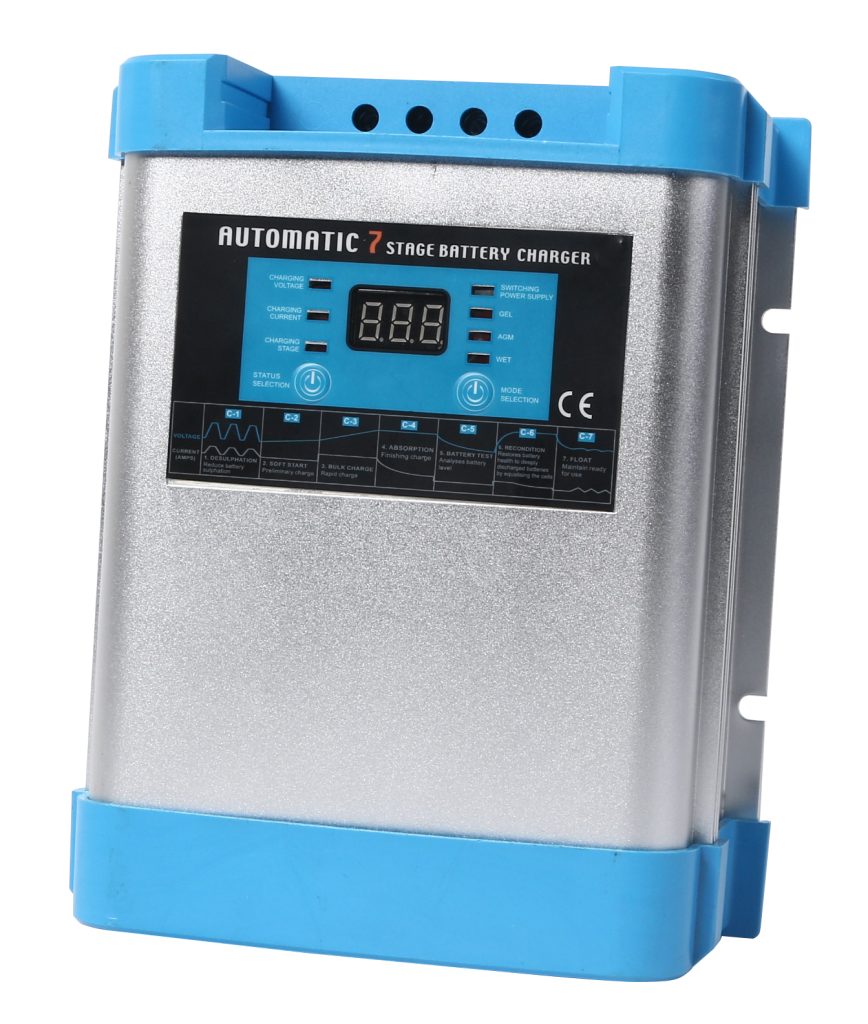
This article explores the critical role of battery chargers in cars, their impact on performance, the different types available, and the key factors to consider when selecting a reliable model for long-term use.
What Role Does a Battery Charger Play in Modern Cars?
A battery charger is more than just a backup tool—it has become a critical part of modern automotive maintenance. With cars becoming increasingly dependent on advanced electronics, the role of a charger goes far beyond simply recharging a dead battery.

Ensuring Reliable Engine Start
The first and most obvious role of a battery charger is to keep the battery ready for ignition. A weak battery can cause delayed starts or complete failures, particularly in cold weather or after long idle periods. Regular charging ensures that the vehicle is always prepared to start smoothly.
Supporting Modern Electronic Systems
Today's cars are equipped with sophisticated electronics, from infotainment systems to advanced driver assistance technologies. These systems require a stable power supply. A quality battery charger helps maintain battery voltage at an optimal level, ensuring that these systems operate without interruption.
Preventing Battery Damage from Deep Discharge
Allowing a car battery to fully discharge repeatedly can cause irreversible damage, significantly shortening its lifespan. By keeping the battery topped up, a charger prevents deep discharges and reduces the risk of premature failure.
Extending Battery Lifespan and Reducing Costs
Replacing a car battery can be expensive, especially for larger vehicles or those using advanced battery types. Consistent use of a charger extends battery life, which translates into lower maintenance costs and fewer unexpected breakdowns.
In short, the role of a battery charger in modern cars is preventive as well as practical—it ensures daily reliability, protects valuable electronic components, and reduces long-term operating expenses.
How Can a Battery Charger Improve Vehicle Performance and Reliability?
A well-selected battery charger is not just about keeping the battery alive; it directly contributes to the overall performance and reliability of a vehicle. When power supply remains stable, every part of the car—from ignition to electronic control systems—functions more efficiently.
Providing Stable Power for Electronic Components
Modern cars rely on sensitive electronic modules such as sensors, onboard computers, and navigation systems. Voltage fluctuations caused by a weak battery can affect their performance. By maintaining consistent charging levels, a battery charger ensures that these components receive uninterrupted power, resulting in smoother and more reliable operation.
Reducing Unexpected Breakdowns
Few things are more frustrating than a vehicle that refuses to start due to a drained battery. A charger minimizes this risk by keeping the battery at an optimal charge level, especially when the car is not used for extended periods. This reliability is particularly important for vehicles in commercial use, where downtime translates directly into lost revenue.
Enhancing Cold-Weather Performance
Low temperatures can severely reduce a battery's capacity, making it harder to crank the engine. A charger counteracts this by keeping the battery fully charged, ensuring that the car starts quickly and reliably even in harsh winter conditions.
Optimizing Battery Health and Efficiency
A depleted or undercharged battery often operates below its designed capacity, forcing the alternator to work harder and consume more fuel. By maintaining full charge cycles, a charger reduces unnecessary strain on the alternator, improves fuel efficiency, and enhances overall system health.
Supporting Long-Term Vehicle Value
A reliable charging routine not only extends the lifespan of the battery but also protects other vehicle systems from voltage-related stress. This preservation of components helps maintain long-term vehicle value and reduces the frequency of costly repairs.
In essence, a quality battery charger functions as a silent partner that keeps vehicles dependable, efficient, and ready for daily demands.
What Types of Battery Chargers Are Commonly Used for Cars?
Not all battery chargers are the same. Different vehicles and usage scenarios call for different types of chargers. Understanding the main categories helps in selecting the most suitable option for long-term performance.
Traditional Chargers vs. Smart Chargers
Traditional chargers provide a constant current until the battery is full, which can sometimes lead to overcharging if not monitored. In contrast, smart chargers are equipped with microprocessors that automatically adjust charging levels. They can detect when the battery is full and switch to maintenance mode, preventing overcharging and extending battery life.
Trickle Chargers for Long-Term Storage
When a car is not used frequently—such as in seasonal storage—a trickle charger is ideal. It provides a very low, steady current to keep the battery at optimal charge. This prevents the battery from self-discharging over time, ensuring the vehicle starts immediately when needed.
Fast Chargers for Quick Power Recovery
For situations where a rapid recharge is required, such as emergency roadside use, fast chargers deliver higher currents to restore battery power quickly. However, frequent reliance on fast charging may shorten battery life, so they are best used occasionally rather than as a primary charging method.
Multi-Voltage Chargers (12V/24V)
While most passenger cars use 12V systems, larger vehicles such as trucks and buses often rely on 24V batteries. Multi-voltage chargers are versatile solutions that can handle both systems, making them valuable for operators with mixed fleets.
Portable Chargers and Jump Starters
Some modern chargers combine portability with multi-functionality. Compact portable chargers often double as jump starters, providing not only regular charging but also the immediate power needed to start a car with a completely drained battery.
By recognizing the differences among these charger types, users can select the right model that balances convenience, safety, and efficiency for their specific automotive needs.
Why Is Choosing the Right Battery Charger Important for Automotive Applications?
Selecting the right battery charger is not just a technical decision—it directly impacts safety, efficiency, and the long-term reliability of vehicles. A charger that matches the needs of the car and its battery system ensures smooth operation and prevents costly failures.
Matching Different Vehicle Requirements
Passenger cars, SUVs, and commercial vehicles all have unique power demands. A small 12V charger may be sufficient for compact cars, but heavy-duty trucks or vans often require higher-capacity or 24V-compatible chargers. Choosing a mismatched charger can lead to slow charging, incomplete cycles, or even damage to the battery.
Ensuring Safety and Protection
Modern chargers are designed with safety features such as overcharge protection, reverse polarity detection, and short-circuit prevention. These safeguards not only protect the battery but also reduce the risk of electrical hazards. A reliable charger ensures safe use in garages, workshops, and outdoor environments.
Supporting Energy Efficiency
Energy-efficient chargers minimize power loss during the charging process, reducing electricity costs over time. Some advanced chargers use smart technology to adjust charging rates, delivering only the required current. This efficiency not only saves money but also reduces environmental impact.
Extending Battery and System Lifespan
A poorly chosen charger may overcharge, undercharge, or stress the battery, leading to premature failure. In contrast, the right charger provides balanced charging cycles that extend battery life and reduce strain on the alternator. This contributes to fewer replacements and lower maintenance costs.
Enhancing Operational Reliability
For vehicles used daily in business or transport operations, downtime due to battery failure can disrupt schedules and result in lost revenue. By selecting the right charger, operators ensure vehicles remain reliable, reducing the risk of unexpected breakdowns.
In short, the importance of choosing the correct battery charger lies in its ability to balance safety, performance, and cost-effectiveness, ensuring vehicles operate at peak reliability.
How Do You Select a Reliable Battery Charger for Long-Term Use?
With so many options available, selecting the right battery charger requires careful consideration. A good choice ensures long-term durability, safe operation, and consistent performance for all automotive needs.
Checking Compatibility and Key Specifications
The first step is to ensure that the charger matches the battery type (lead-acid, AGM, gel, or lithium) and the system voltage (12V or 24V). Paying attention to the charger's output current is equally important; too little power results in slow charging, while too much current may cause overheating.
Looking for Smart and Automatic Functions
A reliable charger should have smart charging capabilities, such as automatic shut-off when the battery is full, multi-stage charging cycles, and trickle or maintenance modes. These functions protect the battery from overcharging and help extend its lifespan.
Prioritizing Safety Features
Safety must always come first. Quality chargers include short-circuit protection, reverse polarity alerts, spark suppression, and thermal overload safeguards. These features not only protect the battery but also ensure user safety during operation.
Considering Durability and Build Quality
For long-term use, the charger should be built with durable materials and designed to withstand demanding conditions such as workshop environments or frequent transportation. A sturdy casing, reliable connectors, and resistant cables all contribute to long service life.
Evaluating Portability and Flexibility
For drivers or operators who need flexibility, portable and lightweight chargers are a practical option. Some models also combine functions, serving as both a charger and a jump starter, which adds extra convenience.
Trusting Proven Brands and After-Sales Support
Finally, the reliability of a charger often depends on the manufacturer's expertise and service network. Choosing a well-established brand ensures access to consistent performance, warranty support, and replacement parts if needed.
By focusing on these factors—compatibility, smart functions, safety, durability, portability, and brand reputation—buyers can confidently select a charger that delivers dependable results for years.

Conclusion
A battery charger is no longer an optional tool—it has become a necessity for modern cars. Whether it is ensuring reliable ignition, supporting advanced electronic systems, or extending the overall battery lifespan, the right charger makes a significant difference in daily vehicle performance and long-term cost savings. By understanding the available types, safety features, and key selection criteria, car owners and fleet operators can make informed choices that improve reliability and reduce downtime.
For those seeking dependable solutions, CARSPA offers high-quality battery chargers designed to deliver efficiency, safety, and durability in a wide range of automotive applications.


