What are the Different Methods of Solar Energy Storage?
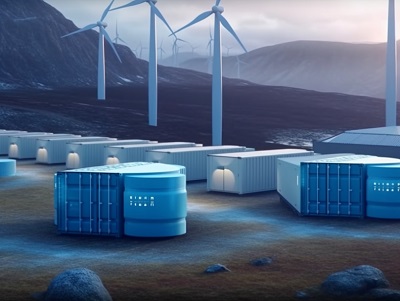
Solar energy is an abundant and renewable source of power, but its intermittent nature poses a challenge for reliable electricity supply. To overcome this limitation, effective methods of solar energy storage are crucial. In this article, we will explore various techniques and technologies used for storing solar energy, ensuring its availability even when sunlight is unavailable or fluctuating.
1. Battery Storage:
One of the most common methods of solar energy storage is through batteries. Solar panels generate electricity during the day, and excess energy is stored in batteries for later use. These batteries can be lead-acid, lithium-ion, or flow batteries, which store and release the energy as needed. Battery storage systems provide flexibility and can be scaled up to meet higher energy demands.
2. Pumped Hydroelectric Storage:
Pumped hydroelectric storage is a well-established and efficient method of storing solar energy. It involves pumping water from a lower reservoir to a higher one during periods of excess solar power. When energy is required, the water is released, flowing downhill through turbines to generate electricity. This method provides large-scale storage capacity and has high round-trip efficiency.
3. Thermal Energy Storage:
Thermal energy storage (TES) utilizes the heat generated from solar energy. It involves capturing and storing solar thermal energy in materials such as molten salt or phase-change materials. These materials retain heat, allowing it to be released later for various applications, such as heating buildings, generating steam for turbines, or powering thermal desalination plants.
4. Compressed Air Energy Storage:
Compressed air energy storage (CAES) is another method used for solar energy storage. Excess solar energy is used to compress air and store it in underground caverns or tanks. When electricity demand increases, the compressed air is released, driving turbines to generate power. CAES systems can provide long-duration energy storage and contribute to grid stability.
5. Hydrogen Production:
Solar energy can be used to produce hydrogen through electrolysis, splitting water molecules into hydrogen and oxygen. The generated hydrogen can be stored and later used in fuel cells to produce electricity when needed. Hydrogen storage enables long-term and scalable energy storage options, particularly for sectors like transportation or industries requiring high energy density.
Conclusion:
Effective energy storage is a crucial aspect of solar power systems, enabling the utilization of solar energy even during non-sunny periods or at night. The methods mentioned above, such as battery storage, pumped hydroelectric storage, thermal energy storage, compressed air energy storage, and hydrogen production, offer diverse solutions for storing solar energy at different scales and durations. As renewable energy continues to play a significant role in our transition to a sustainable future, advancements in solar energy storage technologies are vital to ensure a reliable and resilient energy supply.