How to choose the MPPT controller to maximize the solar panel current conversion?
Why do I need a solar charge controller in a solar system?
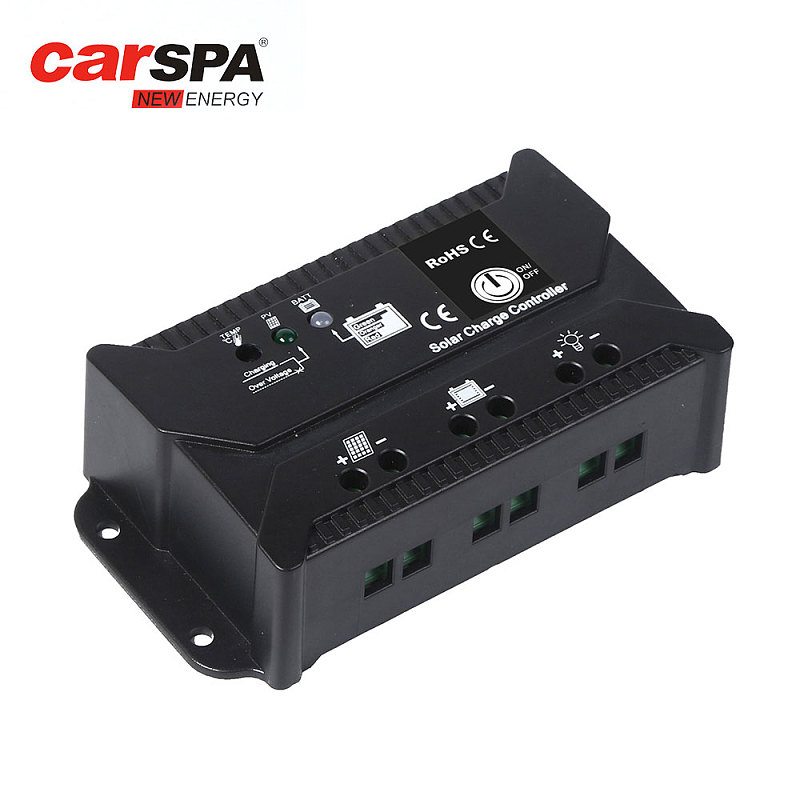
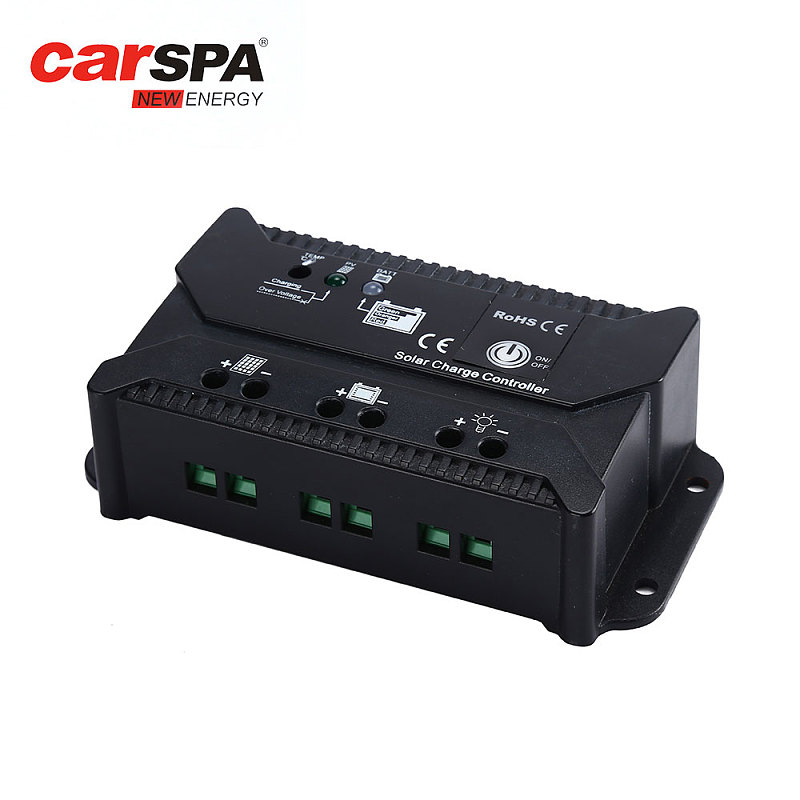
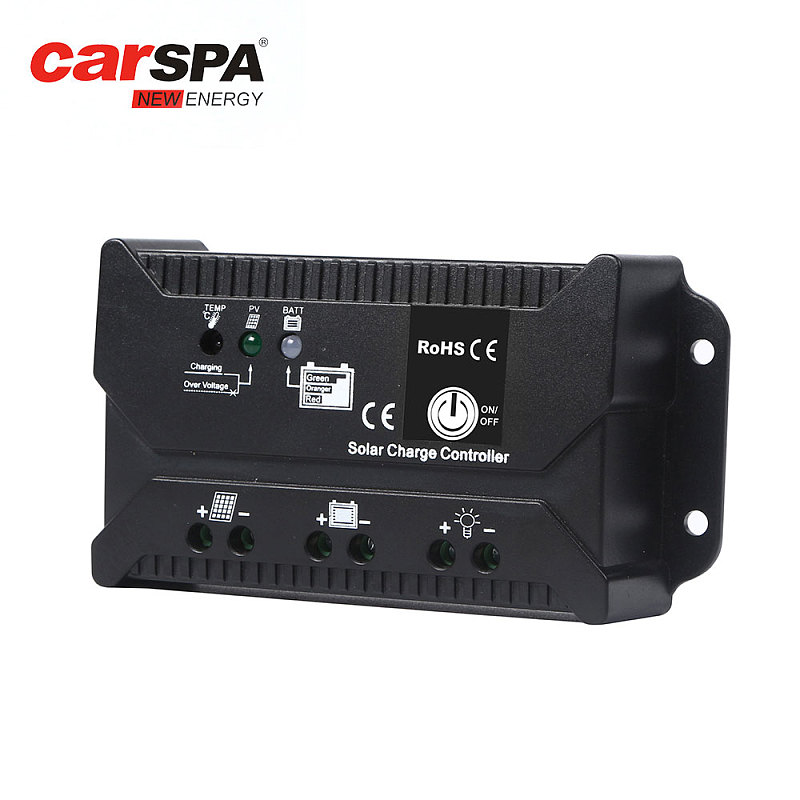
A solar charge controller (commonly called a regulator) is similar to a regular battery charger in that it regulates the current flowing from the solar panel into the battery pack to avoid overcharging the battery and protect the battery. Like the battery charger, it can be applied to various battery types, such as lithium batteries, lead-acid batteries, and the absorption voltage, float voltage, charging time and current can be selected according to the needs.
.jpg "How to choose the MPPT controller to maximize the solar panel current conversion? 2")
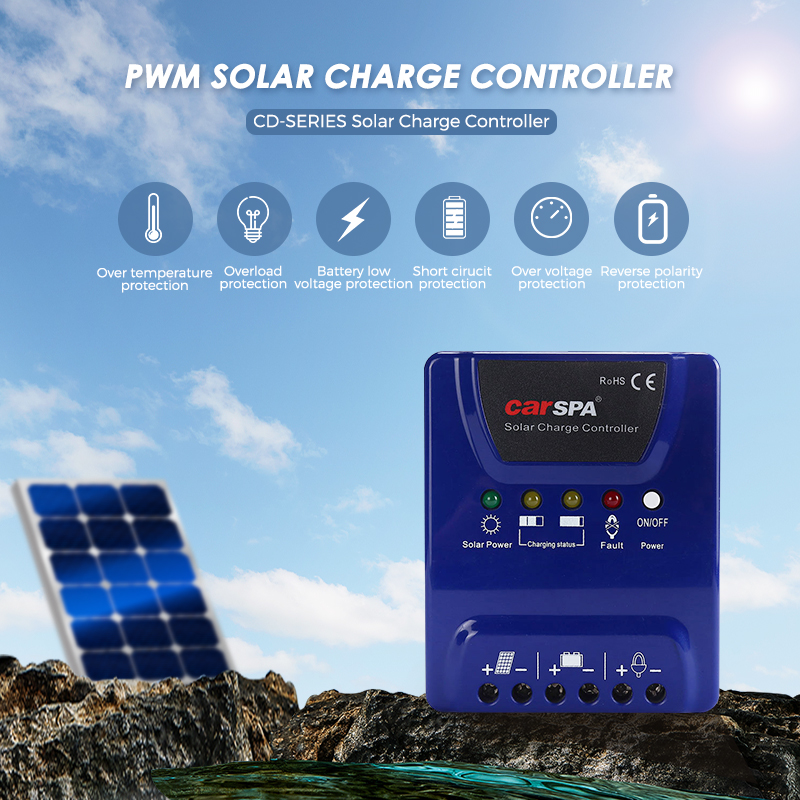
What's the difference between PWM solar charge controller and MPPT solar charge controller?
-
MPPT charge controllers are more efficient than PWM charge controllers. As a rule of thumb, the conversion efficiency of PWM is about 75%, and that of MPPT is about 95%.
- PWM charge controllers are less expensive than MPPT charge controllers. Many popular PWMs retail for $20-50, while MPPTs start at around $100.
- When connecting multiple solar panels together, PWM charge controllers usually require you to connect them in parallel. Most MPPT charge controllers have high enough PV voltage limits that you can connect them in series. Parallel wiring increases the current (amperage), which may require thicker wires and devices with higher current ratings.
- PWM charge controllers are usually best for small solar arrays of 300-400 watts or less. MPPT charge controllers are generally best suited for large solar arrays of 400 watts or higher. The larger the size of the solar array, the more MPPT starts to make sense.
How to maximize the conversion of solar panel current?
The solar charge controller generally can charge for Lead-acid battery and LiFePO4 battery. Which battery is better? How to maximize the conversion of solar panel current?
Lithium batteries provide 100% of their rated capacity, regardless of the rate of discharge. Lead-acid batteries typically provide less usable energy with higher rates of discharge. They are usually limited to 50% of the rated capacity to prevent diminished life. So the lithium is better than lead acid battery.
And which type controller good for LiFePO4 battery?
A PWM charge controller is a switch that connects the solar array to the battery. It will blink on and off as needed to keep the battery voltage at sink voltage. The controller lowers the voltage from the solar panel, bringing it closer to your battery. Since the battery is about to be fully charged, it reduces the charge and the excess energy is wasted.
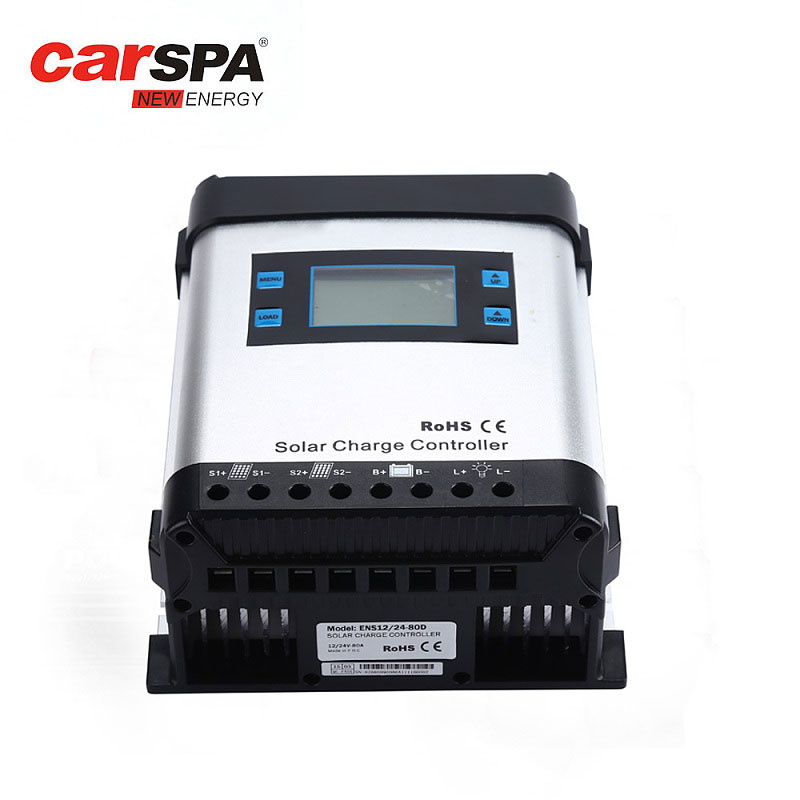
MPPT charge controller is a smart device. They check the output power of the solar panel and compare it to the battery voltage. After that, it can set the optimal power of the solar panel to match the optimal charging voltage of the battery to provide maximum current. According to "Comparative Study of MPPT and PWM Solar Charge Controllers and Their Integrated Systems," MPPT charge controllers can fully utilize the available energy from solar panels and provide at least 20% more current to the battery than PWM charge controllers.
PWM charge controllers are cheaper but less efficient. On the other hand, MPPT charge controllers are more expensive but more efficient. That's why MPPT charge controllers are better suited for charging LiFePO4 battery packs using solar energy.