
How to choose solar charge controller
When it comes to building your own solar system, solar panels are often one of the first components that people think of. However, when we are choosing a solar charging system for our home or commercial environment, we often overlook one crucial element: the solar charge controller. Although it is smaller in the overall system, its role cannot be underestimated. The solar charge controller is like the smart brain of the solar system. It not only protects our investment, extends battery life, but also improves system efficiency. So, before we start picking out a solar charge controller, let’s dive into why it is an essential part.
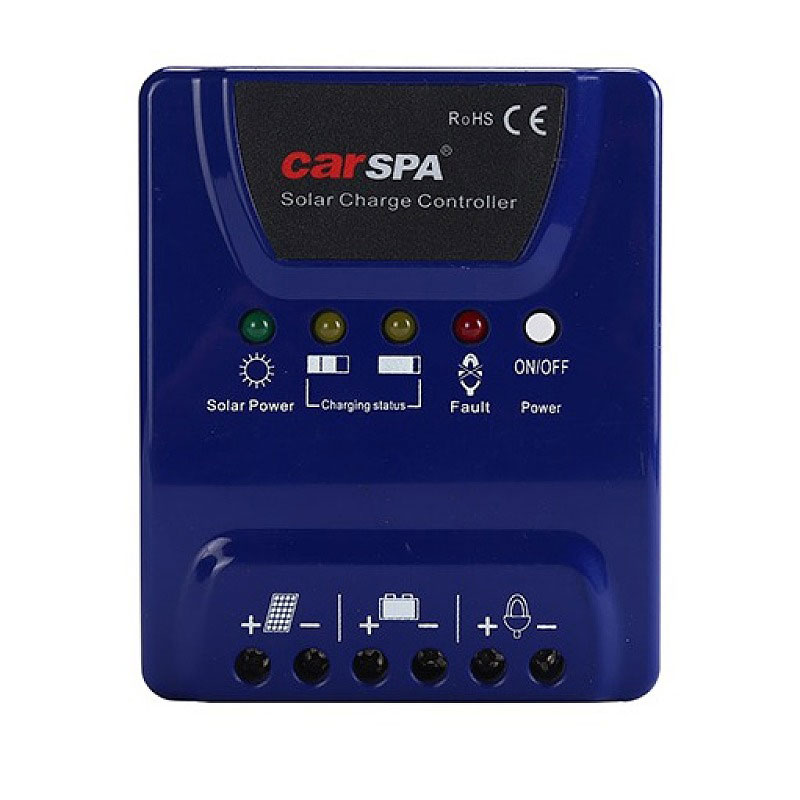
How does a solar charge controller work?
A solar charge controller works like an intelligent regulator, managing the charging process between solar panels and batteries to ensure safe and efficient energy transfer between them.
Monitoring Solar Panels: First, it monitors the output of the solar panels, just like monitoring the intensity of sunlight. If there's enough sunlight, it knows it can generate more electricity.
Controlling the charging flow: Next, the charge controller will intelligently adjust the charging current based on the output of the solar panel so that the battery can be fully charged as quickly as possible without overcharging.
Protect the battery: When the battery is about to be full, it will automatically reduce the charging current to prevent overcharging, just like we don't keep pouring water into a cup until it overflows.
Prevent energy reverse flow: When the solar panel does not generate electricity or generates insufficient electricity (such as at night), the charge controller prevents the current in the battery from flowing back to the solar panel to avoid loss and damage.
Adjustment based on temperature: Some charge controllers will also adjust charging parameters based on temperature, because temperature will affect the charging efficiency and safety of the battery.
The solar charge controller is like a smart nanny, taking care of the solar panels and batteries to make the energy conversion process between them safe and smooth.
Why do I need a solar charge controller? What's the difference between it and me using solar panels to charge the battery directly?
Using a solar charge controller has the following advantages over directly connecting to solar panels for charging:
Charging protection: The charge controller can monitor and control the current and voltage to ensure that the battery will not be overcharged or overdischarged during the charging process, thus extending the life of the battery. If the battery is overcharged or overdischarged, it may damage the battery and reduce its performance.
Backflow protection: The charge controller can prevent the current in the battery from flowing backward to the solar panel at night or when there is insufficient light, avoiding energy waste and battery damage.
Optimize charging efficiency: The charge controller can adjust charging parameters according to the output of the solar panel and the status of the battery to improve charging efficiency and ensure charging under different lighting conditions.
Temperature compensation: Some charge controllers have temperature sensors that can adjust charging parameters based on ambient temperature to improve charging efficiency and battery life.
Safety: Using a charge controller can improve the safety of the entire charging system and reduce the risk of accidental damage or accidents.
In summary, solar charge controllers can more effectively manage the charging process between solar panels and batteries, ensuring a safe and efficient charging process while protecting the batteries from damage and extending their service life.
How do I choose a solar charge controller?
When choosing a solar charge controller, there are several factors to consider to ensure it is suitable for your solar system. Here are some suggestions:
Current and voltage matching: Make sure the charge controller's maximum current and voltage ratings match your solar panels and battery system. Mismatched equipment can cause performance degradation or damage.
System Voltage Type: Make sure the charge controller supports the voltage type your solar system uses, such as 12V, 24V or 48V systems.
Maximum solar panel input power: Considering the power rating of the solar panel, select a charge controller whose maximum input power can accommodate the output of the solar panel.
Temperature compensation function: Some charge controllers have a temperature compensation function that can adjust charging parameters according to the ambient temperature to improve system efficiency. This feature is useful especially in high or low temperature environments.
Overcharge and over-discharge protection: Make sure the charge controller has overcharge and over-discharge protection functions to prevent damage to the battery. This helps extend battery life.
Backflow protection: The charge controller should have a backflow protection function to prevent the current in the battery from flowing backward to the solar panel at night or on cloudy days.
LCD display or communication interface: Some charge controllers provide LCD display or communication interface, which can monitor system performance and parameters in real time.
Reliability and brand reputation: Choose a charge controller from a well-known brand to ensure its quality and reliability. Reading user reviews and professional reviews is also a good idea.
Budget: Make sure the charge controller fits your budget and find a balance between quality and performance.
When choosing a solar charge controller, it is important to understand the needs of your system and choose the right device based on those needs. If unsure, it is recommended to consult a professional or manufacturer for further advice.


