How to build a home energy storage system
With the development of renewable energy technology and the rise of electricity costs, more and more households are beginning to consider building their own energy storage systems to improve energy self-sufficiency, reduce electricity bills, and increase the reliability of home energy systems. This article will introduce in detail how to build a home energy storage system, especially an energy storage system based on lithium batteries.
1. Assess home energy needs
First, you'll need to conduct an assessment of your home's energy needs, including daily electricity usage, peak loads, and backup power needs. This step is to determine the capacity and power of the energy storage system required to ensure that the system can meet the power needs of the home.
2. Choose the right energy storage technology
There are many ways to store energy, including but not limited to lead-acid batteries, lithium batteries, etc. Currently, lithium batteries are the technology of choice for home energy storage systems due to their high energy density, long life and low maintenance requirements. When choosing a lithium battery, you should consider the type of battery (such as lithium iron phosphorus or ternary lithium battery), capacity, cycle life and safety performance.
3. System design and configuration
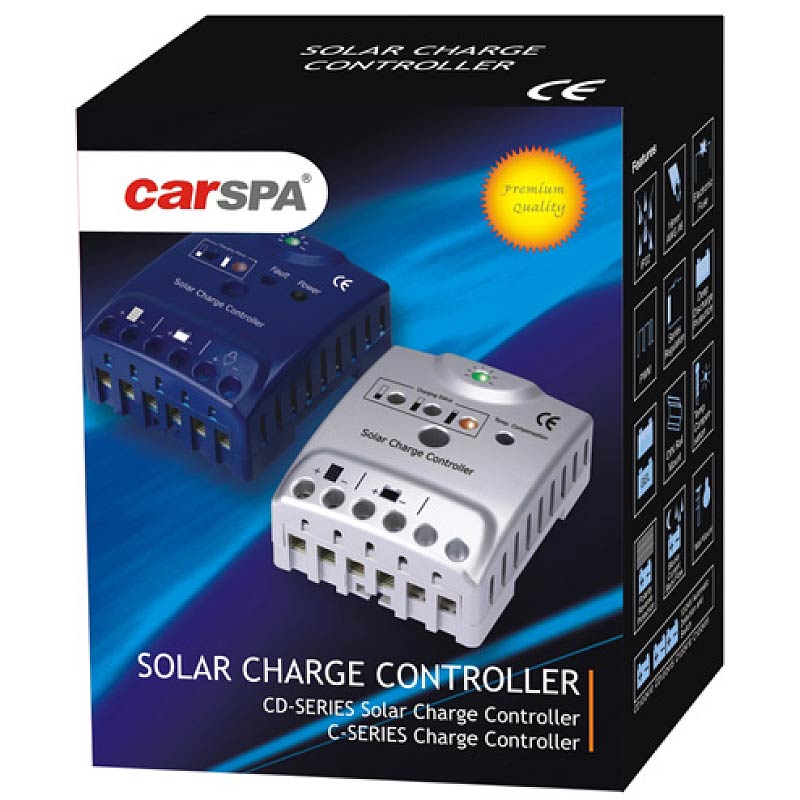
Design the specific configuration of the energy storage system based on household electricity demand and assessment results. This includes lithium battery capacity selection, energy storage inverter selection (converting DC power to AC power), and the overall layout design of the system. At the same time, the scalability of the system also needs to be considered to leave room for possible increases in energy demand in the future. Considering this factor, we usually recommend that users choose CARSPA’s cspc series of scalable home energy storage systems. Users can increase or decrease the storage capacity of the energy storage system according to their own needs.
4. Compatibility and security considerations
Make sure that the energy storage system is compatible with the home's existing electrical system, especially if the home already has a photovoltaic power generation system, the compatibility of the energy storage system with this needs to be considered. At the same time, choose products that comply with international safety standards and follow local installation specifications and requirements to ensure the safe operation of the system.
5. Intelligent management system
Choose an energy storage system with intelligent management functions, which can be monitored and managed in real time through mobile APPs, etc. to optimize power usage and energy storage strategies and improve energy efficiency.
6. Professional installation and commissioning
Since the home energy storage system involves the safety of the power system, it is recommended that professional technicians install and debug it. Professional installation not only ensures system safety, but also improves system operating efficiency and longevity.
7. Maintenance and monitoring
Although lithium battery energy storage systems have lower maintenance requirements, regular inspection and maintenance are still essential. Through the system's intelligent management platform, system performance monitoring and maintenance can be easily carried out to ensure long-term stable operation of the system.
Conclusion
Building a home energy storage system is an effective way to improve energy independence and economic benefits. Through the above steps, you can design and implement an efficient, safe, and reliable energy storage system for your home. As technology continues to advance and costs further reduce, home energy storage systems will play an increasingly important role in future energy solutions.