
How Many Amps Does a 1000 Watt Power Inverter Draw?
Inverters are essential devices for converting DC (direct current) to AC (alternating current), making them crucial for a variety of applications, from home use to mobile and off-grid systems. Understanding the current draw of a 1000 watt power inverter is important for ensuring your system's efficiency and reliability. This article provides a comprehensive overview of how many amps a 1000W power inverter draws, including detailed calculations and factors influencing the current draw.
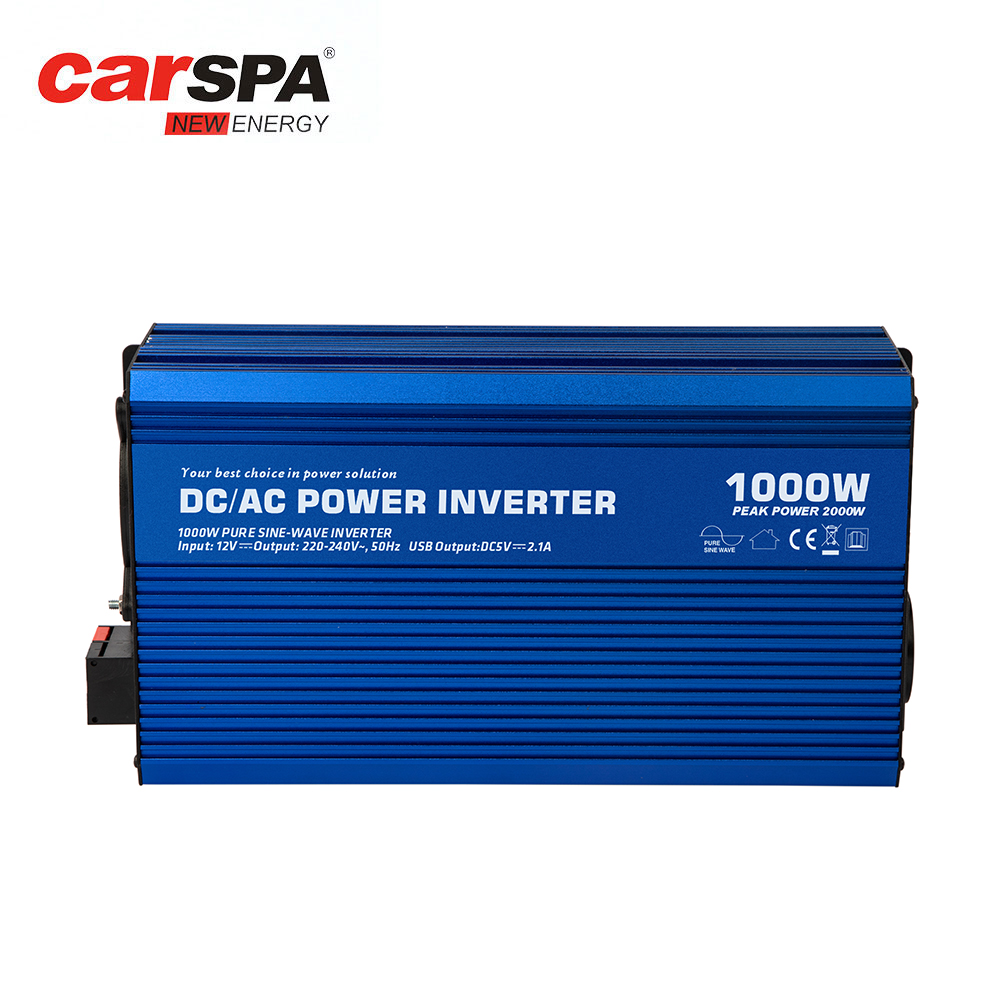
What is an Inverter
An inverter is an electrical device that converts DC power, typically from batteries or solar panels, into AC power, which is used by most household appliances and electronics.
Types of Inverters
- Pure Sine Wave Inverters: Provide clean and smooth AC power similar to the power supplied by the grid.
- Modified Sine Wave Inverters: Cheaper but produce a rougher AC waveform, which may not be suitable for all electronics.
How Inverters Work
Inverters function by switching the direction of DC input at a high frequency to create a pulsed DC which is then filtered to produce AC power. This process involves electronic components such as transistors and transformers.
Power Ratings and Efficiency
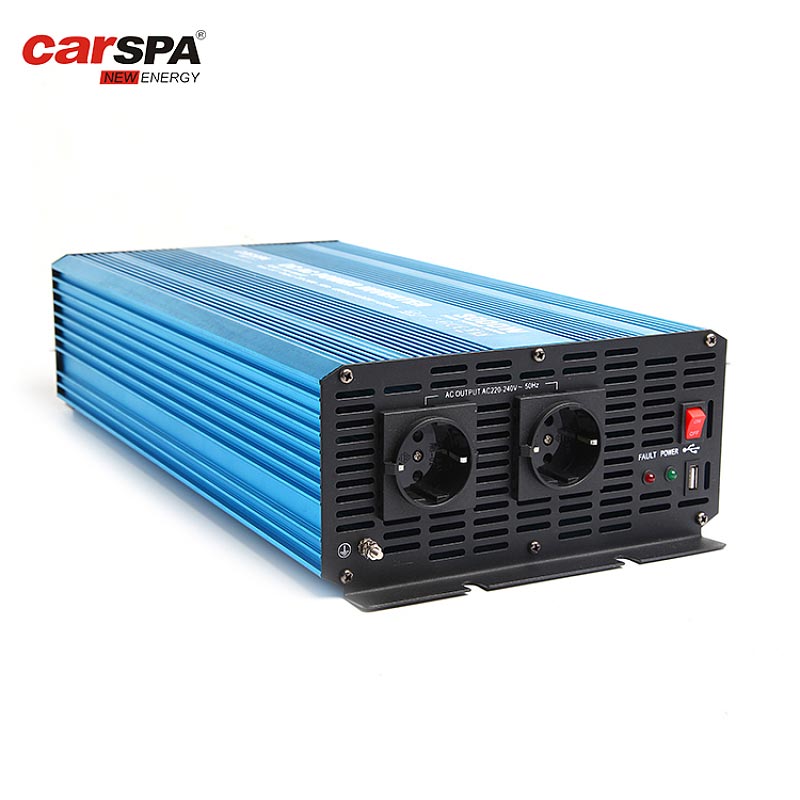
Inverters are rated by their output power, typically in watts. A 1000 watt power inverter can provide up to 1000 watts of continuous AC power to connected devices.
The efficiency of an inverter determines how much of the input power is converted to usable output power. Most inverters have efficiencies between 85% and 95%. Power losses manifest as heat, which must be managed to maintain performance and longevity.
Calculating the Current Draw
The 1000 Watt inverter is a very popular power inverter.With a continuous power of 1000 Watts and typically 1500-2000 surge Watts, a 1000 Watt inverter is suitable for powering small devices, tools, gadgets and appliances. However, many people wonder what the actual load (in terms of current draw) on the battery is.
When using a 1000-watt power inverter, the current it draws from the battery or DC source depends on the voltage it is connected to. For example, if the inverter is connected to a 12-volt battery, then at maximum load (i.e., the inverter is outputting a full 1000 watts of power), the inverter will draw about 83.33 amps from the battery. This is just a theoretical calculation, and the actual situation also needs to take into account the efficiency of the inverter.
Inverter efficiency is usually between 80% and 90%, which means that not all of the power drawn from the battery is converted into useful AC power. For example, if the inverter is 90% efficient, in actual application, the inverter will draw more current from the battery, about 92.59 amps. This is because the loss of efficiency requires the inverter to produce the same output power.
In short, the current draw of the inverter is related to its output power, the voltage of the source connected to it, and its efficiency. When using an inverter, understanding these parameters can help ensure that the power system is properly configured and used safely.
| 1000 Watt Inverter Current Draw Chart | ||||
| Energy Efficiency (%) | 80 | 85 | 90 | 95 |
| Required Battery Power | 1250W | 1177W | 1112W | 1053W |
| 12V | 104.2A | 98.1A | 92.7A | 87.8A |
| 24V | 52.1A | 49.1A | 46.4A | 43.9A |
| 36V | 34.8A | 32.7A | 30.9A | 29.3A |
| 48V | 26.1A | 24.6A | 23.2A | 22.0A |
Factors Affecting the Current Draw
Input Voltage
Higher input voltage reduces the current draw: For a 24V input: Current=1176.5 W24 V≈49 ACurrent=24V1176.5W≈49A
Load Type
The type of load (resistive, inductive, or capacitive) affects the inverter's performance and efficiency.
Practical Considerations for Using a 1000 Watt Inverter
Battery Sizing
To support a 1000 watt inverter drawing approximately 98 amps, you need a robust battery bank. For continuous use, consider the battery capacity and discharge rates.
Cable Sizing
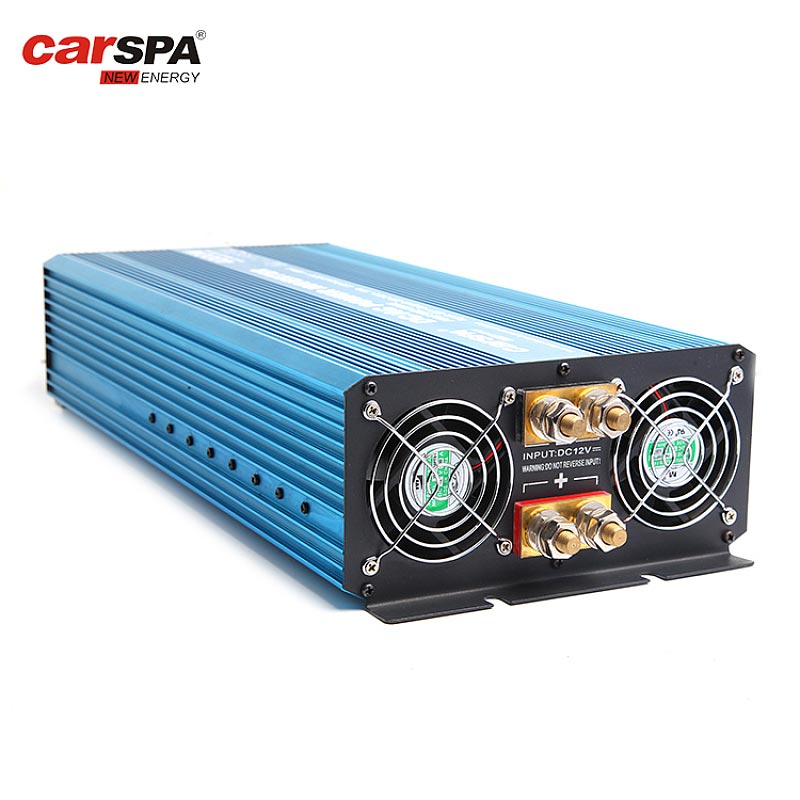
Thicker cables are required to handle high current draw and minimize voltage drops.
Cooling and Ventilation
Adequate cooling and ventilation are necessary to prevent overheating and ensure the inverter operates efficiently.
FAQs
How long can a battery power a 1000 watt inverter?
The runtime depends on the battery capacity. For example, a 100Ah 12V battery can theoretically run a 1000 watt inverter for about 1 hour (considering efficiency and discharge rates).
Can a 1000 watt inverter run a refrigerator?
Yes, most refrigerators require 200-600 watts, but the startup surge might be higher. Ensure the inverter can handle the surge.
What is the difference between continuous and peak power rating?
Continuous power is the maximum power the inverter can supply steadily, while peak power is the maximum it can supply momentarily for surges.
Is it safe to run sensitive electronics on a 1000 watt inverter?
Pure sine wave inverters are safe for sensitive electronics. Modified sine wave inverters might not be suitable for all devices.
Do inverters consume power when not in use?
Yes, inverters have a small standby power consumption even when no load is connected.
How to increase the efficiency of a 1000 watt inverter system?
Ensure proper cooling, use appropriate cables, and maintain the battery system to optimize efficiency.
Conclusion
Understanding how many amps a 1000 watt inverter draws is crucial for designing and maintaining efficient power systems. By considering factors like efficiency, input voltage, and load types, you can ensure your inverter operates effectively. Whether for home use, RVs, or off-grid systems, this knowledge helps in optimizing performance and ensuring reliable power supply.




.jpg)


.jpg)
.jpg)
.jpg)
.jpg)
.jpg)


