
How Does Energy Storage Enable Reliable and Scalable Power Solutions for Outdoor Applications?
Introduction
Outdoor power environments present unique challenges that differ significantly from conventional indoor or grid-dependent systems. Power availability may fluctuate due to changing weather conditions, remote locations, or limited grid access, while connected equipment often still requires stable and predictable energy input. In such contexts, Energy Storage has evolved from a supplementary option into a foundational element of outdoor power system design.
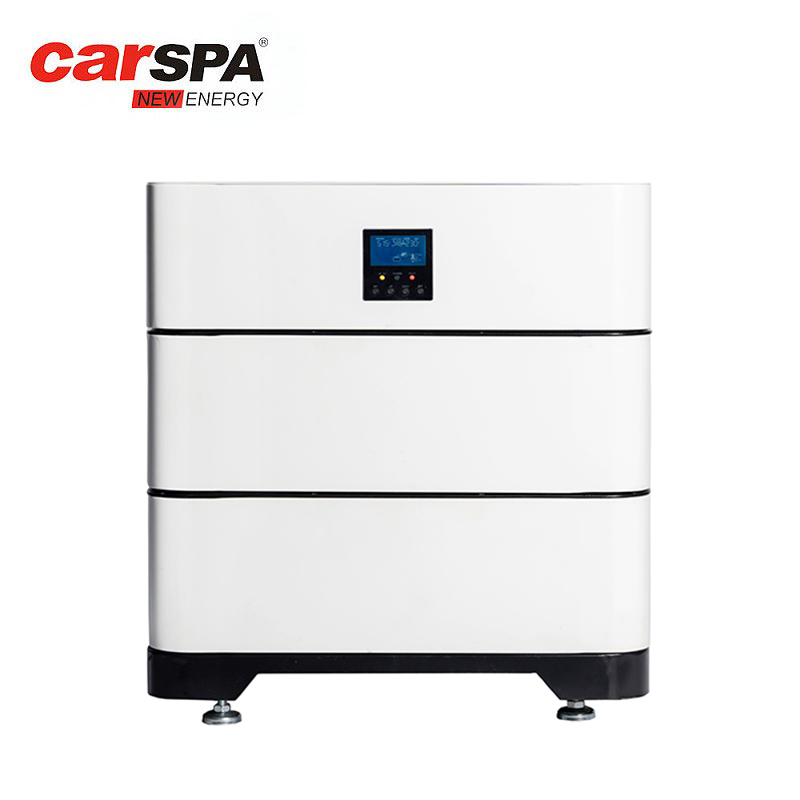
Unlike temporary power solutions, modern outdoor applications demand energy systems that can store, regulate, and deliver electricity reliably over extended periods. Whether supporting solar-based generation, buffering intermittent loads, or maintaining operation during supply interruptions, Energy Storage plays a central role in ensuring continuity and efficiency. Its function extends beyond simple backup, acting instead as an active component that balances energy flow and protects connected equipment.
As outdoor installations become more diversified—ranging from fixed infrastructure to scalable systems—requirements for flexibility, durability, and long-term performance continue to rise. Different Energy Storage configurations and battery technologies now address these needs with tailored solutions, allowing outdoor power systems to adapt to varying load profiles and environmental conditions. Understanding how Energy Storage supports these applications is essential for designing systems that remain reliable, efficient, and resilient in outdoor environments.
Why Is Energy Storage Becoming Essential for Outdoor Power Systems?
Outdoor Power Conditions Are Inherently Unstable
Outdoor power systems rarely operate under constant or ideal electrical conditions. Power input may vary due to weather changes, daylight availability, or distance from centralized grids. At the same time, connected equipment often expects consistent voltage and uninterrupted operation. Without an intermediate buffer, these fluctuations can directly affect system performance and long-term reliability.
Energy Storage addresses this gap by absorbing irregular input and delivering controlled output, creating a more predictable power environment for outdoor installations.

Renewable Energy Integration Increases Storage Demand
Solar energy is widely used in outdoor power setups due to its accessibility and sustainability. However, solar generation is inherently intermittent—energy production does not always align with real-time consumption. Energy Storage allows excess energy generated during peak sunlight hours to be stored and released when generation drops, ensuring that outdoor systems remain functional beyond daylight periods.
This capability transforms renewable sources from supplementary inputs into dependable components of outdoor power architecture.
Energy Storage Shifts from Backup to Core System Element
Traditionally, energy storage was viewed mainly as a contingency measure, activated only during power loss. In modern outdoor systems, its role has expanded significantly. Energy Storage now actively participates in load balancing, peak shaving, and system protection. By smoothing power delivery and reducing stress on generation sources, it helps extend the service life of both energy equipment and connected devices.
As outdoor applications grow more complex, Energy Storage becomes less of an accessory and more of a structural necessity.
Growing Need for Modular and Scalable Outdoor Solutions
Outdoor installations often evolve over time. Initial power demand may increase as additional equipment is added or usage patterns change. Energy Storage systems designed with modular or scalable structures allow capacity to be adjusted without redesigning the entire power system.
This flexibility is particularly valuable in outdoor environments, where space, installation conditions, and future expansion must all be considered from the outset.
How Does Energy Storage Improve Power Stability in Off-Grid and Semi-Outdoor Environments?
Managing Power Fluctuations in Off-Grid Systems
In off-grid outdoor environments, power generation and consumption rarely follow a fixed pattern. Solar input can change rapidly due to weather conditions, while load demand may increase suddenly when multiple devices operate simultaneously. Without Energy Storage, these fluctuations can lead to voltage drops, unstable operation, or forced shutdowns.
By storing energy and releasing it in a controlled manner, Energy Storage acts as a stabilizing layer between generation sources and loads, maintaining smoother power delivery even when external conditions change.
Supporting Continuous Operation in Semi-Outdoor Installations
Semi-outdoor environments—such as partially enclosed facilities or systems connected intermittently to the grid—often experience inconsistent power quality. Short interruptions, voltage dips, or unstable grid conditions can disrupt equipment performance. Energy Storage provides a buffer that absorbs these irregularities, allowing systems to continue operating without interruption.
This buffering capability reduces reliance on immediate grid stability and helps ensure that outdoor-related operations remain predictable and uninterrupted.
Load Balancing for Mixed Power Demand
Outdoor systems frequently serve a mix of loads with different power characteristics. Some devices may require steady, continuous power, while others draw energy in short, high-demand bursts. Energy Storage helps balance these demands by supplying peak power when needed and recharging during low-demand periods.
This load-balancing function not only improves overall system efficiency but also reduces stress on generation components, contributing to more stable long-term operation.
Enhancing System Protection and Equipment Longevity
Unstable power conditions can accelerate wear on electrical components, particularly in outdoor environments where temperature and humidity already pose challenges. Energy Storage smooths power output and minimizes sudden electrical stress, helping protect sensitive equipment from damage.
By stabilizing voltage and current delivery, Energy Storage supports longer service life for both the power system itself and the connected outdoor equipment.
What Makes Different Energy Storage Structures Suitable for Various Outdoor Installations?
Wall-Mounted Designs for Space-Efficient Outdoor Setups
In many outdoor or semi-outdoor installations, available space is limited or irregular. Wall-mounted Energy Storage systems are designed to address these constraints by utilizing vertical space rather than floor area. This structure allows power systems to be integrated into existing infrastructure without major layout changes.
Wall-mounted designs are especially suitable for fixed outdoor setups where capacity requirements are clearly defined and long-term stability is prioritized.
Stackable Structures for Scalable Energy Demand
Some outdoor applications experience changing or growing energy requirements over time. Stackable Energy Storage systems offer a modular approach that allows capacity to be expanded incrementally. Additional battery modules can be added as demand increases, without interrupting system operation or redesigning the power architecture.
This scalability makes stackable structures well-suited for outdoor installations where future expansion is anticipated or where load profiles vary seasonally.
Structural Stability in Outdoor Environments
Outdoor environments expose power systems to vibration, temperature changes, and installation variability. Energy Storage structures must therefore provide not only electrical reliability but also mechanical stability. Well-designed enclosures and layered configurations help maintain system integrity under outdoor conditions.
Structural robustness ensures that Energy Storage systems remain reliable even when installed in challenging environments.
Installation Flexibility and System Integration
Different outdoor projects require different installation approaches. Wall-mounted systems may be favored where equipment needs to be elevated for protection or access, while stackable systems provide flexibility in capacity planning. Both structures support integration with renewable energy sources and power management systems, allowing Energy Storage to function as a coordinated part of the overall outdoor power solution.
How Does Battery Technology Influence Outdoor Energy Storage Performance?
Stability Under Changing Environmental Conditions
Outdoor environments expose energy storage systems to temperature variation, humidity, and fluctuating operating loads. Battery technology plays a decisive role in how well a system adapts to these conditions. A stable battery chemistry helps ensure consistent charge and discharge behavior, even when external factors are less predictable.
For outdoor applications, this stability directly affects system reliability and reduces the risk of performance degradation over time.
Long Cycle Life for Continuous Outdoor Operation
Outdoor energy systems are often expected to operate for long periods with minimal intervention. Battery technologies with high cycle life are particularly valuable in such scenarios, as they can withstand repeated charge and discharge cycles without significant capacity loss.
A long cycle life supports sustained system availability and lowers the need for frequent battery replacement, which is especially important in outdoor or remote installations.
Safety and Thermal Characteristics
Safety is a critical consideration in outdoor energy storage, where systems may operate unattended or in less controlled environments. Battery technologies with strong thermal stability and low risk of thermal runaway contribute to safer operation.
Reliable thermal behavior also simplifies system design by reducing the need for complex cooling or protective mechanisms, making Energy Storage systems more suitable for outdoor deployment.
Consistent Power Delivery for Outdoor Loads
Different outdoor applications demand consistent voltage and current output to ensure proper equipment operation. Battery technology influences how smoothly energy is delivered under varying load conditions.
A well-matched battery system supports steady power output, even during high-demand periods, helping outdoor equipment operate efficiently and predictably.
What Should Be Considered When Selecting Energy Storage for Long-Term Outdoor Use?
Reliability as a Baseline Requirement
For outdoor applications, reliability is not an added benefit—it is a baseline expectation. Energy Storage systems must maintain stable performance despite exposure to environmental variability, fluctuating loads, and long operating cycles. Consistent electrical behavior, dependable protection mechanisms, and proven structural integrity all contribute to long-term system reliability.
A reliable Energy Storage solution reduces unexpected downtime and supports continuous operation in outdoor settings.
Matching System Capacity to Real-World Usage
Selecting Energy Storage for outdoor use requires a clear understanding of actual power demand. Oversizing may lead to unnecessary cost and underutilized capacity, while undersizing can result in frequent deep discharge and reduced system lifespan.
Proper capacity planning ensures that Energy Storage systems operate within optimal ranges, supporting efficient energy use and stable long-term performance.
Adaptability to Installation Conditions
Outdoor installations vary widely in layout, available space, and environmental exposure. Energy Storage systems should be adaptable to these conditions, whether through compact wall-mounted designs or modular, stackable configurations.
Flexibility in installation helps simplify system integration and allows Energy Storage to fit seamlessly into different outdoor power architectures.
Long-Term Maintenance and Lifecycle Considerations
Outdoor systems are often expected to operate with limited on-site maintenance. Energy Storage solutions designed for long service life, predictable aging behavior, and minimal intervention offer clear advantages.
Considering maintenance access, replacement cycles, and overall lifecycle cost helps ensure that Energy Storage remains a sustainable part of outdoor power systems over time.

Conclusion
Outdoor power systems demand energy solutions that are stable, adaptable, and capable of operating reliably under changing conditions. As renewable generation and decentralized power architectures continue to expand, Energy Storage has become a central element in ensuring consistent energy availability and system resilience.
By supporting power stability, enabling flexible system design, and maintaining reliable performance over long operating cycles, Energy Storage helps outdoor applications function efficiently and predictably.
Solutions such as wall-mounted and stackable Energy Storage systems based on stable battery technologies illustrate how modern designs address real-world outdoor requirements. Within this context, CARSPA provides Energy Storage solutions that align with these principles, supporting dependable and flexible outdoor power applications.


