Can a 1000W inverter charge a 200Ah battery?
When using a mobile power system such as solar or RV, a 200Ah large-capacity battery and a 1000W inverter are a common device combination. However, many people have questions: Can a 1000W inverter effectively charge a 200Ah battery? This article will answer this question through several common questions and provide detailed analysis and calculations.
Is a 1000W inverter suitable for charging a 200Ah battery?
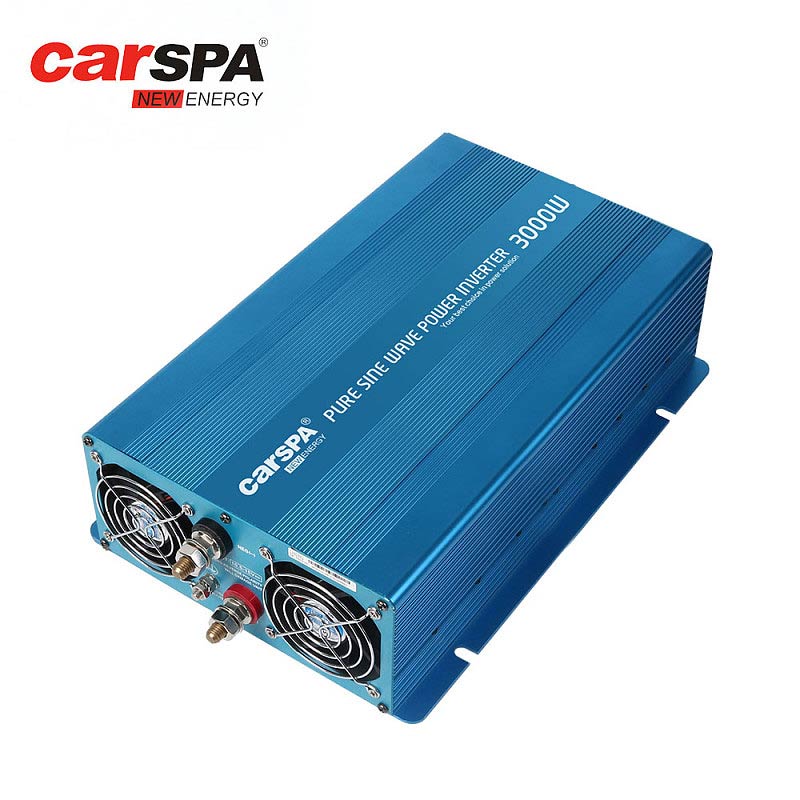
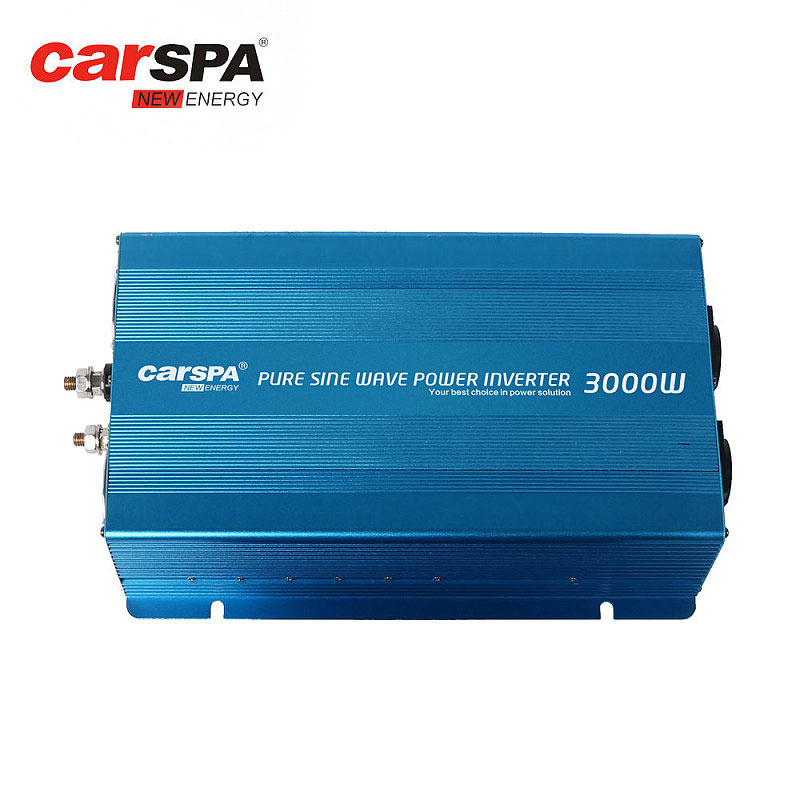
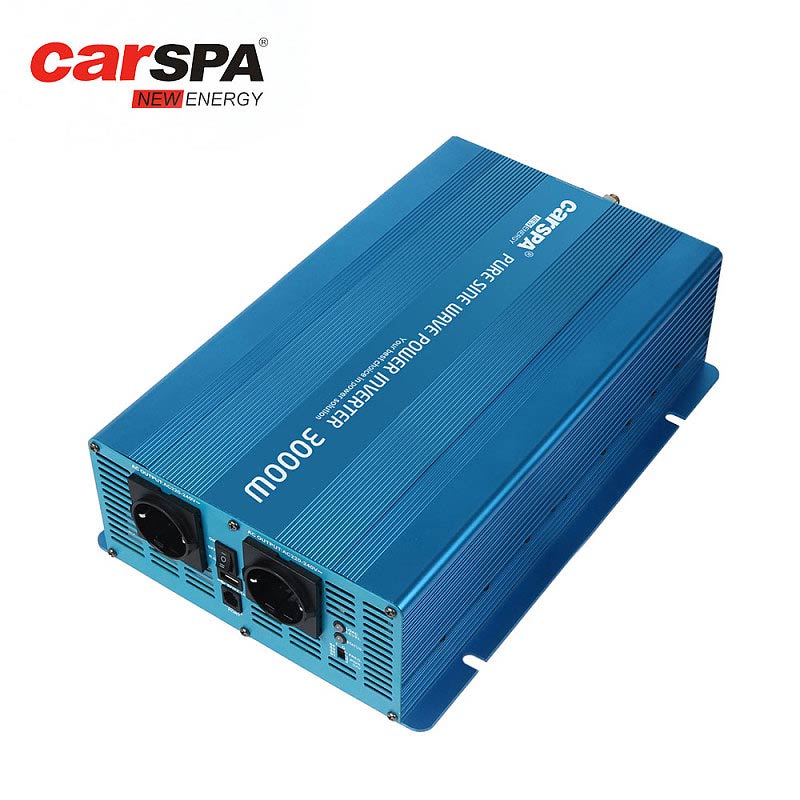
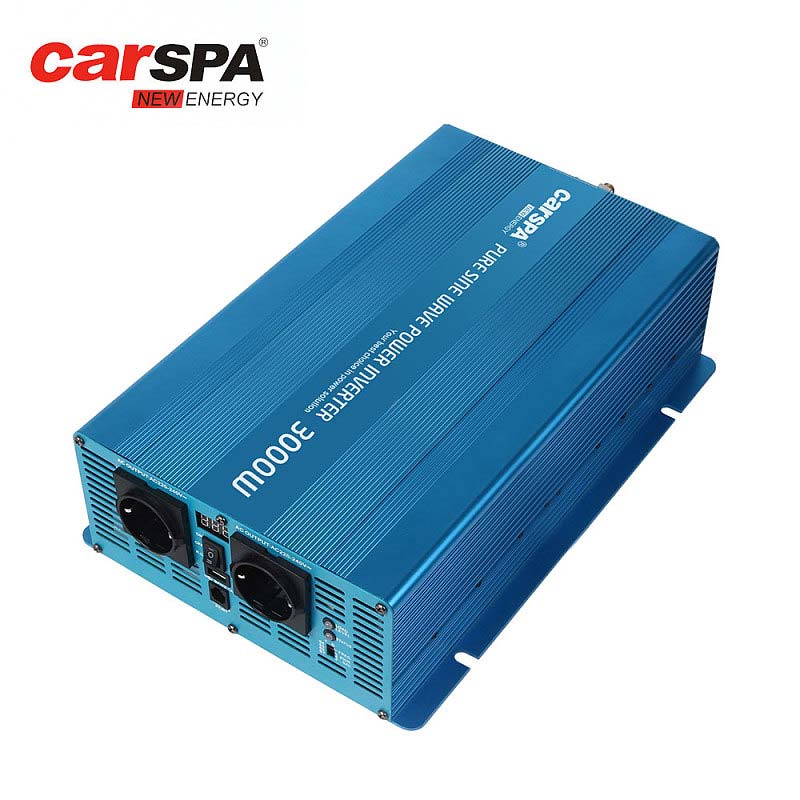
In theory, the inverter itself is not a device used to charge the battery directly, but to convert direct current (DC) into alternating current (AC) for use by power supplies, household appliances and other devices. Normally, charging the battery requires devices such as a charger or a solar controller, while the inverter is mainly used to extract power from the battery and convert it into AC. Therefore, a 1000 watt inverter is not an ideal device for directly charging a 200Ah battery.
However, in some special scenarios, such as when using a solar system or other multi-function power supply equipment, the inverter can cooperate with a charge controller or other equipment to indirectly complete the battery charging. For example, in a solar power generation system, the solar panel charges the battery through a charge controller, while the inverter extracts energy from the battery and supplies power to the load.
Therefore, to charge a 200Ah battery directly, a 1000W inverter is not suitable. But if the system is equipped with a suitable charge controller or supporting equipment, the inverter can play an important role in the entire power system.
If a 1000W inverter is used, how to ensure that the 200Ah battery will not be over-discharged?
In the process of using a 1000W inverter, the power supply of the 200Ah battery is crucial. Although large-capacity batteries can provide power for a long time, if the inverter load is too large or used improperly, it may cause the battery to be over-discharged and affect its life.

Here are a few points to note
Monitoring battery voltage: To prevent over-discharge, a voltage monitor can be used to monitor the battery voltage at any time. When the voltage is close to the discharge limit, stop using it or reduce the load in time. Generally speaking, the low voltage alarm value of a 12V battery is 10.5V, and continuing to discharge below this voltage will damage the battery.
Reasonable load distribution: A 1000W inverter consumes a large current when running at full load, so it is recommended to distribute the load reasonably to avoid continuous high-load use. For example, if the power of the device connected to the inverter is large, you can consider using it in different time periods to reduce the continuous discharge pressure on the battery.
Use low voltage protection function: Many high-quality inverters have a low voltage automatic power-off function. This function automatically stops the inverter when the battery voltage is lower than a certain value to protect the battery from excessive discharge.
Calculation example
Assuming that a 12V 200Ah battery is used in your system and the inverter continues to run at 800W, the current is:
Current = Power/Voltage = 800W/12V = 66.67A
At this time, the working time of the battery is:
Time = Capacity/Current = 200Ah/66.67A≈3 hours
Therefore, if the battery continues to run at 800W, the battery will be discharged to a low voltage point after about 3 hours. If no protection is added, the battery may be over-discharged.
How to improve the charging efficiency when using a 1000W inverter to discharge a 200Ah battery?
The efficiency of the inverter has a great impact on the battery life during the entire discharge process. The actual output efficiency of a 1000-watt power inverter may be between 85%-90%, and the actual power loss will affect the battery discharge time. Improving the overall efficiency of the system can effectively extend the battery life. Here are a few ways to improve charging efficiency:
Choose an efficient inverter: Inverters with high conversion efficiency can reduce energy loss under the same conditions. For example, a high-quality inverter can have a conversion efficiency of more than 90%, while a low-quality inverter may only have an efficiency of 70%-80%. The higher the efficiency, the longer the battery can be used.
Reduce standby power consumption: Many inverters also consume power in standby mode, which will consume additional battery power. Choosing an inverter with low standby power consumption and turning off the inverter when not in use can effectively reduce power waste.
Reasonable load planning: Arrange high-power equipment to be used when there is sufficient light or charging status to reduce the load on the battery. In addition, if the solar system can charge the battery during the day, it can avoid relying on the battery for continuous power supply at night, thereby extending the use time.
Calculation example
Assuming the inverter efficiency is 90%, and you need to output 1000W of power, the actual power that the battery needs to provide is:
Input power = output power/efficiency = 1000/0.9≈1111W
In this way, the additional power that the battery needs to provide will further shorten the discharge time. Therefore, improving the conversion efficiency of the inverter can effectively reduce battery consumption.
Is a 200Ah battery suitable for use with a 1000W inverter? What should be noted?
The combination of 200Ah batteries and 1000W inverters is widely used in many scenarios, but there are some key precautions when using them to ensure the stability of the system and the life of the battery.
Ensure voltage matching: The input voltage of the inverter should match the battery voltage, such as a 12V inverter should be used with a 12V battery to avoid equipment damage or abnormal operation caused by voltage mismatch.
Consider the type of battery: different batteries such as lead-acid batteries and lithium batteries have different discharge depths and cycle life. The discharge depth of lead-acid batteries is generally recommended to be no more than 50%, while that of lithium batteries can be close to 80%-90%. Choose the appropriate battery type according to the frequency of use of the inverter and the load.
Reasonable setting of power requirements: 1000W inverters can meet the power supply needs of most small household appliances and electronic equipment, but the peak load requirements should not exceed the rated power to avoid overheating of the inverter or automatic protection power failure. It is recommended to configure the load according to actual needs to avoid continuous high power load.
Regular maintenance and inspection: Especially for lead-acid batteries, it is necessary to check the battery electrolyte regularly and ensure good ventilation to prevent overheating or gas accumulation. The inverter may also affect efficiency due to increased temperature during operation. Maintaining good heat dissipation conditions can extend the life of the equipment.
In summary, the combination of 200Ah battery and 1000W inverter is suitable for medium-load continuous use scenarios, such as outdoor, RV and emergency power supply. However, in daily use, attention should be paid to reasonable load distribution and regular maintenance to extend battery life and improve the efficiency of the overall system.
.jpg "Can a 1000W inverter charge a 200Ah battery? 2")
Conclusion
In summary, the 1000W power inverter itself cannot directly charge the 200Ah battery, but with the reasonable configuration of other charging devices or controllers, a complete power system can be built. In addition, when using a 1000W inverter, attention should be paid to preventing the 200Ah battery from over-discharging, improving the conversion efficiency of the inverter, and ensuring the matching and safety of the inverter and battery.
The combination of 200Ah battery and 1000W inverter is an ideal match for outdoor, RV travel and emergency power supply. It can provide sufficient power and support the use of a variety of common devices. Through reasonable planning and effective management, this combination can provide stable backup power support for daily life.