
How Can a Battery Monitor Revolutionize Outdoor Power Management and Safety? 5 Questions Answered
In today's outdoor environments, reliable access to electricity is no longer a luxury but a necessity. From camping trips and RV adventures to off-grid solar systems and remote construction projects, the demand for stable power supply continues to grow. However, without proper monitoring, batteries can quickly become unpredictable, leading to unexpected outages, reduced performance, and even long-term damage.
This is where a battery monitor plays a critical role. By providing accurate, real-time data on voltage, current, capacity, and remaining run time, a battery monitor allows users to better plan and manage their outdoor energy systems. Instead of relying on guesswork, outdoor enthusiasts and professionals can make informed decisions to ensure their equipment runs smoothly and efficiently.

Whether powering lighting systems, refrigeration units, tools, or communication devices, having a battery monitor ensures greater confidence, safety, and convenience. It transforms outdoor power management from uncertain and reactive to precise and proactive, making it an essential tool for anyone who depends on portable or off-grid energy.
What Is a Battery Monitor and Why Does It Matter for Outdoor Power Systems?
A battery monitor is an electronic device designed to measure and display key information about a battery's performance, including voltage, current flow, charge and discharge rates, and estimated remaining capacity. Unlike simple voltage meters, a battery monitor provides a more comprehensive picture of the battery's real condition, enabling users to understand exactly how much usable energy is available.
Understanding Outdoor Power Challenges
Outdoor activities and work environments often face unpredictable energy demands. In a campsite, power usage may shift from lighting to refrigeration, while in a remote construction site, heavy tools and communication devices create sudden load variations. Without monitoring, batteries can be drained unexpectedly, causing downtime and inconvenience.
Why Real-Time Data Is Critical
With a battery monitor, users gain real-time visibility into how much energy remains and how quickly it is being consumed. This allows better planning, whether it's deciding how long appliances can continue running, or when to recharge before the power supply becomes critically low. Real-time tracking prevents surprises and ensures operations remain uninterrupted.
Extending Battery Lifespan
Another key reason battery monitors matter is their ability to protect the battery itself. Overcharging and deep discharging are two of the most common causes of premature battery failure. By keeping track of voltage and current levels, a battery monitor helps prevent misuse, extending the life of expensive battery systems and reducing long-term replacement costs.
In outdoor power systems, reliability is everything. A battery monitor not only ensures convenience but also delivers safety, efficiency, and peace of mind.
How Does a Battery Monitor Improve Reliability and Safety Outdoors?
In outdoor environments, unpredictable conditions and high energy demands make reliability and safety top priorities. A battery monitor provides both by ensuring that batteries operate within safe limits and deliver consistent performance across different applications.
Ensuring Continuous Power Supply
Outdoor systems often power essential devices such as refrigerators in RVs, lighting in campsites, or tools at construction sites. A battery monitor tracks energy usage in real time, helping users allocate power efficiently. By knowing the remaining capacity and discharge rate, they can avoid sudden blackouts that interrupt activities or work processes.
Preventing Overcharging and Deep Discharge
Batteries exposed to harsh outdoor cycles are vulnerable to damage if not properly managed. Overcharging can lead to overheating, while deep discharge shortens battery lifespan. A battery monitor prevents these issues by signaling when the charge level is too high or too low, ensuring batteries remain within safe operating limits.
Reducing Equipment Downtime
Unplanned downtime is costly, especially in professional outdoor applications. With a reliable battery monitor, users can predict when recharging is needed and plan accordingly. This proactive approach reduces interruptions, keeps tools and devices running, and enhances overall productivity.
Enhancing Safety in Remote Conditions
In remote areas, losing power is not only inconvenient but can also be dangerous. From communication equipment to medical devices in field operations, battery reliability can be critical. A monitor minimizes risks by giving early warnings, allowing users to take timely action before systems shut down unexpectedly.
By combining real-time insights with preventive protection, a battery monitor significantly enhances both reliability and safety in outdoor settings.
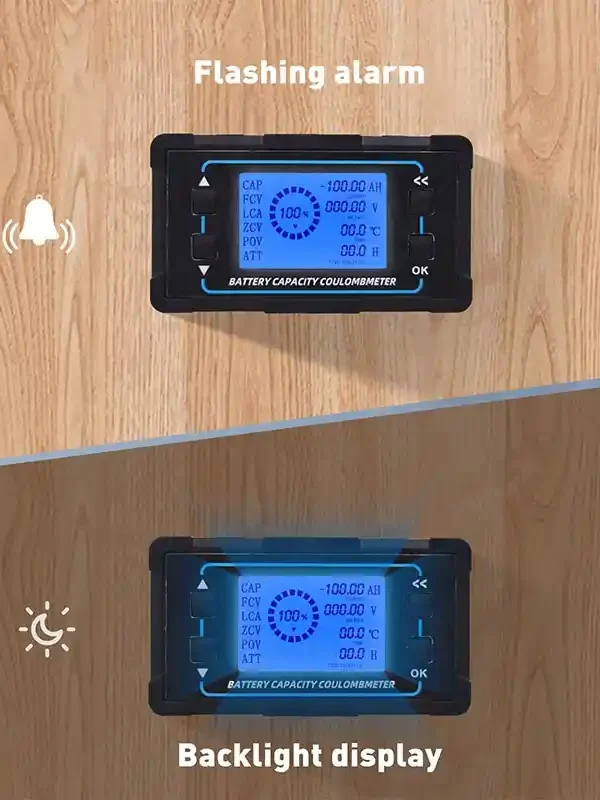
What Are the Key Features to Look for in a Battery Monitor for Outdoor Applications?
Choosing the right battery monitor is not just about measuring voltage—it's about ensuring dependable, long-term performance in demanding outdoor conditions. When selecting a device, several features should be prioritized to maximize value and usability.
Accurate Measurement and Display
A high-quality battery monitor provides precise readings of voltage, current, power consumption, and remaining capacity. This accuracy is critical outdoors, where energy must often be rationed carefully for lighting, refrigeration, communication devices, or power tools. Some monitors also calculate “time remaining,” giving users a clear estimate of how long the system can continue running.
Compatibility with Different Battery Types
Outdoor systems may use lead-acid, AGM, gel, or lithium-ion batteries. A versatile battery monitor supports multiple chemistries, ensuring flexibility for different setups. This feature is especially useful for mixed systems, such as RVs with solar panels or boats with auxiliary batteries.
Durability: Waterproof and Weather-Resistant Design
Since outdoor environments expose devices to dust, rain, humidity, and temperature fluctuations, a battery monitor must be built for resilience. Rugged housings, waterproof casings, and anti-corrosion components ensure reliable operation in camping sites, construction fields, or marine applications.
User-Friendly Interface and Connectivity
Clear LCD or LED displays make data easy to read, even in low-light conditions. Increasingly, advanced battery monitors offer Bluetooth or Wi-Fi connectivity, allowing users to track performance via smartphone apps. Remote monitoring helps adjust loads or charging schedules without direct access to the battery system.
Alarms and Alerts for Safety
Some monitors feature built-in alarms for overvoltage, undervoltage, or high current. These alerts act as early warnings, protecting both the battery and connected devices. In outdoor scenarios, this can prevent costly damage and reduce risks associated with sudden failures.
By combining these features, a battery monitor becomes a dependable companion for outdoor energy management—delivering precision, resilience, and convenience.
In Which Outdoor Scenarios Is a Battery Monitor Most Useful?
A battery monitor brings value to a wide range of outdoor applications, where consistent power supply is critical and conditions are often unpredictable. By providing clear insights into energy availability, it ensures both convenience and safety across different scenarios.
Camping and RV Adventures
For campers and RV users, power is needed for lighting, refrigeration, fans, and entertainment systems. A battery monitor helps travelers manage consumption and avoid power shortages in remote locations. By displaying real-time capacity, it ensures that essential appliances like refrigerators keep running without interruption, even on long trips.
Off-Grid Solar and Renewable Energy Systems
In off-grid setups powered by solar panels, battery storage is the backbone of the entire system. Without a monitor, users risk over-discharging batteries on cloudy days or overcharging them under strong sunlight. A reliable battery monitor ensures optimal charging cycles, improves efficiency, and extends battery lifespan—critical for sustainable off-grid living.
Construction Sites and Outdoor Work Environments
Remote construction projects often rely on portable energy solutions to power heavy tools, lighting, and safety equipment. A monitor helps supervisors track usage, plan recharges, and prevent downtime. This improves productivity while reducing the risk of equipment failure caused by drained batteries.
Marine and Boating Applications
On boats and ships, battery systems power navigation equipment, communication radios, and safety lights. Losing power can compromise safety at sea. A battery monitor ensures sailors know their energy reserves and can prevent sudden failures in critical systems.
Field Operations and Emergency Use
For outdoor fieldwork, scientific expeditions, or emergency response teams, having an uninterrupted power supply is a matter of safety. Battery monitors help professionals predict energy availability and take preventive action before outages occur, reducing risks in high-stakes environments.
From leisure activities to professional operations, battery monitors provide unmatched control and assurance, making them indispensable across outdoor scenarios.
How Can Businesses Optimize Outdoor Power Systems with a Battery Monitor?
For organizations and professionals relying on outdoor energy systems, a battery monitor is not only a convenience tool but also a strategic investment. It directly contributes to efficiency, cost savings, and long-term reliability.
Lowering Maintenance Costs
One of the biggest expenses in outdoor energy systems is battery replacement. Over-discharging, overcharging, or unbalanced usage significantly reduces battery life. A monitor prevents these issues by keeping the battery within safe operating ranges. By reducing premature failures, businesses can cut down on repair and replacement costs.
Improving Operational Efficiency
When running outdoor projects—whether powering construction equipment, mobile offices, or temporary camps—knowing the exact state of the battery allows better planning. With accurate data, operators can schedule recharges, balance loads, and avoid wasted energy. This improves workflow continuity and minimizes downtime.
Supporting Sustainable Energy Use
Battery monitors also encourage efficient use of renewable power sources such as solar or wind. By tracking input and output, they help align consumption with energy generation. This ensures maximum utilization of clean energy while reducing dependency on fuel-based backup systems.
Enhancing User Confidence and Reliability
In professional outdoor applications, reliability directly impacts trust and safety. A well-monitored battery system reassures teams and clients that operations will not be interrupted due to unforeseen power losses. This reliability can also improve reputation and strengthen business competitiveness.
Long-Term Energy Cost Savings
Although installing a battery monitor requires an initial investment, the long-term savings from extended battery lifespan, reduced energy waste, and lower maintenance costs far outweigh the upfront expense. Over time, businesses benefit from improved return on investment and higher energy efficiency.
By integrating a battery monitor into outdoor systems, businesses can achieve a balance of performance, safety, and sustainability—ensuring their energy strategy is both practical and future-ready.

Conclusion
As outdoor activities and professional operations become increasingly dependent on reliable power, the role of a battery monitor has never been more important. From ensuring uninterrupted energy supply to extending battery lifespan and enhancing safety, a battery monitor transforms the way outdoor systems are managed.
By delivering real-time data, preventing costly damage, and supporting efficient use of renewable energy, it provides clear benefits across camping, RV travel, marine use, off-grid solar systems, and construction projects. For businesses, the investment in a quality battery monitor translates into lower maintenance costs, greater operational reliability, and long-term financial savings.
In today's demanding environments, having full control over energy storage is no longer optional—it is essential. A well-chosen battery monitor ensures that every outdoor power system runs with efficiency, stability, and confidence.
For dependable solutions designed to meet diverse outdoor needs, CARSPA offers professional-grade battery monitors that combine accuracy, durability, and user-friendly features, helping customers achieve smarter and more sustainable energy management.


