
How Do Battery Chargers Improve Safety and Efficiency in Outdoor Environments?
Introduction
In today's outdoor environments, from camping and hiking to professional field operations and industrial projects, reliable power access has become more important than ever. Traditional energy sources are often unstable or unavailable in remote locations, which makes a battery charger an indispensable tool. By ensuring that batteries remain fully charged and ready for use, these devices provide the backbone for powering equipment, lighting, communication devices, and essential safety tools.
Unlike ordinary chargers designed for indoor use, outdoor battery chargers are built to handle challenging conditions such as temperature fluctuations, dust, moisture, and continuous load demands. They not only help maintain uninterrupted operation of critical equipment but also improve efficiency and reduce downtime by delivering steady and optimized charging performance.
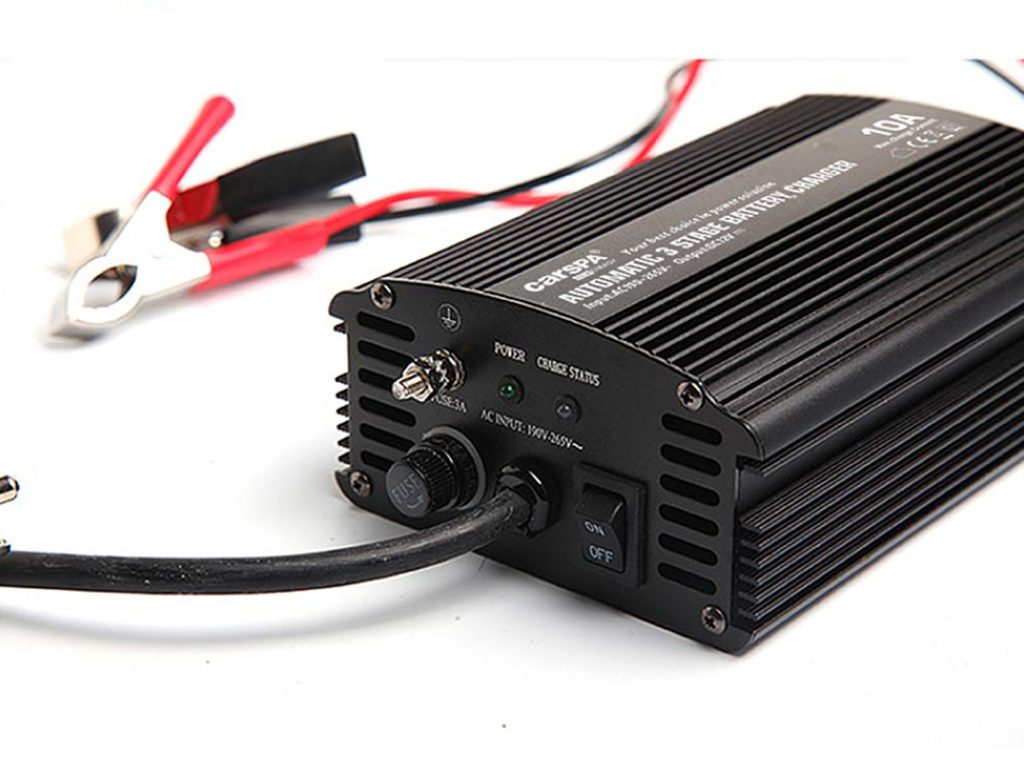
As outdoor activities and projects become increasingly dependent on electronic tools and systems, selecting the right battery charger is no longer a convenience—it is a necessity. This article explores why these chargers are essential, how they improve safety and reliability, the key features to look for, and the wide range of outdoor scenarios where they bring the greatest value.
Why Is a Reliable Battery Charger Essential for Outdoor Applications?
Power Independence in Remote Areas
When operating in outdoor environments—whether it's a construction site, a camping trip, or an agricultural field—access to stable electricity is often limited. A battery charger ensures that devices and tools stay functional without relying on grid power. This independence allows users to maintain productivity and safety even in isolated locations.
Supporting Critical Outdoor Equipment
Many outdoor activities require continuous operation of equipment such as GPS devices, communication radios, portable lights, or even water pumps. If batteries fail at a crucial moment, it can result in delays, safety risks, or increased costs. A dependable battery charger guarantees that these tools remain charged and ready, reducing the chances of unexpected interruptions.
Minimizing Downtime and Operational Risks
For outdoor projects, every hour of downtime can affect efficiency and overall performance. Uncharged or poorly maintained batteries can disrupt work schedules or compromise safety in critical situations. With a reliable battery charger, batteries can be recharged quickly and efficiently, minimizing risks and ensuring consistent performance.
Cost Efficiency Over Time
Using a durable outdoor battery charger not only reduces replacement costs caused by damaged or over-discharged batteries but also extends the lifespan of rechargeable cells. This long-term reliability makes it a cost-effective solution for frequent outdoor operations.

How Do Battery Chargers Improve Efficiency and Safety in Remote Environments?
Ensuring Continuous Power Supply
In remote outdoor environments, a reliable battery charger plays a key role in keeping equipment operational without disruption. Whether powering surveillance cameras, water pumps, or field communication devices, chargers provide a steady energy flow that supports long working hours and prevents costly downtime.
Optimizing Charging Efficiency
Modern outdoor battery chargers are designed with smart charging technology that adapts to the specific needs of the battery type—such as lithium-ion, lead-acid, or AGM. This optimization ensures batteries are charged at the correct rate, avoiding undercharging or overcharging, which improves both efficiency and overall energy utilization in remote areas.
Enhancing Safety for Outdoor Operations
Safety is a top priority in outdoor applications. Poorly charged or unstable batteries can cause overheating, short circuits, or even equipment failure. Advanced battery chargers are equipped with safety features such as short-circuit protection, overvoltage control, and thermal management, which protect both the battery and the equipment, ensuring safe operation in demanding conditions.
Supporting Emergency Situations
Remote outdoor environments often face unpredictable challenges, from weather changes to urgent operational needs. Having a dependable battery charger allows users to quickly recharge critical devices—such as emergency lighting, medical kits, or safety alarms—ensuring readiness during emergencies.
What Features Should You Look for in an Outdoor Battery Charger?
Durability and Weather Resistance
Outdoor environments can be harsh, with exposure to dust, rain, humidity, and extreme temperatures. A high-quality battery charger should be designed with durable materials, weatherproof housing, and protective seals that ensure reliable operation even under challenging conditions.
Smart Charging Technology
Not all batteries require the same charging method. Advanced outdoor battery chargers are equipped with intelligent charging modes that automatically adjust voltage and current according to the battery type—lithium, AGM, or lead-acid. This feature improves charging efficiency, extends battery life, and prevents accidental damage from improper charging.
Portability and Compact Design
For field operations, portability is crucial. A lightweight and compact battery charger allows users to carry and deploy it easily, whether in remote agricultural fields, camping sites, or construction zones. Integrated handles or modular designs add convenience, making the charger more practical for outdoor use.
Safety and Protection Features
Outdoor activities often involve unpredictable conditions, so built-in safety mechanisms are essential. Look for battery chargers with features such as short-circuit protection, reverse polarity protection, overcurrent shutoff, and thermal control. These protections safeguard not only the charger but also the connected devices and batteries.
Energy Efficiency and Fast Charging
In outdoor applications, every minute counts. Chargers with high efficiency and fast-charging capability ensure that downtime is minimized and operations continue smoothly. Some models also support solar input, which adds another layer of energy independence in areas without access to grid power.
Outdoor Battery Charger Key Features Comparison
| Feature / Benefit | Standard Charger | Outdoor Battery Charger (High-Quality) |
|---|---|---|
| Durability | Basic plastic housing, limited protection | Rugged design, waterproof/dustproof casing |
| Smart Charging | Fixed charging mode, risk of over/undercharge | Intelligent charging with multiple modes (Li-ion, AGM, Lead-acid) |
| Safety Protections | Minimal (fuse only) | Overvoltage, overcurrent, reverse polarity, thermal protection |
| Portability | Larger, heavier | Compact, lightweight, easy to carry |
| Energy Efficiency | Slower charging, higher power loss | Fast charging, optimized energy conversion |
| Outdoor Applications | Limited use, indoor only | Camping, farming, construction, marine, emergency response |
Which Outdoor Scenarios Benefit Most from High-Quality Battery Chargers?
Camping and Outdoor Adventures
For camping trips, hikers, and explorers, portable devices such as lanterns, GPS trackers, radios, and cameras rely heavily on batteries. A durable battery charger ensures that these devices stay powered throughout the journey, providing both convenience and safety for outdoor enthusiasts.
Agricultural and Farming Operations
In farming and irrigation setups, many tools—such as water pumps, electric fencing systems, and monitoring sensors—are powered by batteries. A high-quality battery charger keeps these systems running reliably, helping farmers maintain efficiency and productivity without constant interruptions.
Construction and Remote Work Sites
Construction projects often take place in areas without stable electricity supply. Power tools, communication systems, and portable lighting all require dependable charging. By using robust outdoor battery chargers, workers can reduce downtime and keep projects on schedule.
Emergency and Disaster Response
In rescue operations or natural disaster scenarios, the availability of charged batteries can make the difference between safety and risk. Equipment like emergency lights, first-aid devices, and communication units must remain fully powered. A reliable battery charger becomes a critical support tool in ensuring readiness for emergencies.
Marine and Recreational Vehicles
Boats, RVs, and off-grid vehicles often operate in environments where grid power is unavailable. A specialized outdoor battery charger helps maintain battery banks, ensuring stable operation of navigation systems, refrigeration units, and onboard electronics during long journeys.
How Can Choosing the Right Battery Charger Extend Equipment Lifespan?
Preventing Overcharging and Deep Discharge
One of the main reasons batteries fail prematurely is due to overcharging or excessive deep discharge. A modern battery charger with intelligent control prevents these issues by adjusting the charging cycle automatically. This protection helps maintain battery health and extends service life.
Maintaining Stable Voltage and Current
Outdoor equipment often relies on sensitive electronics that can be damaged by unstable power input. A high-quality battery charger provides regulated voltage and current, preventing spikes or fluctuations that could shorten the lifespan of connected devices and batteries alike.
Reducing Heat and Stress on Batteries
Improper charging generates excess heat, which accelerates chemical wear inside the battery. Advanced battery chargers feature thermal management systems that limit heat buildup, reducing internal stress and ensuring consistent performance over years of usage.
Supporting Multiple Battery Types
Different equipment uses different battery chemistries—such as lithium-ion, AGM, or deep-cycle lead-acid. By selecting a battery charger compatible with multiple battery types, users avoid mismatched charging methods that could otherwise damage or shorten the lifespan of the battery.
Long-Term Cost Savings
While a high-quality battery charger may represent a larger initial investment, it significantly reduces long-term costs by minimizing battery replacement frequency and protecting outdoor equipment. This makes it both a practical and economical choice for sustained operations.
Conclusion
In outdoor environments, power reliability is no longer just a convenience—it is a necessity. From camping and agriculture to construction, marine, and emergency response, the right battery charger ensures that critical equipment operates smoothly, safely, and efficiently. By preventing overcharging, stabilizing power flow, and extending battery life, these chargers not only improve daily performance but also provide long-term cost savings.
When selecting a solution, durability, smart charging technology, and built-in safety protections should be key considerations. A dependable battery charger makes the difference between uninterrupted operation and unexpected downtime, especially in remote or demanding conditions.
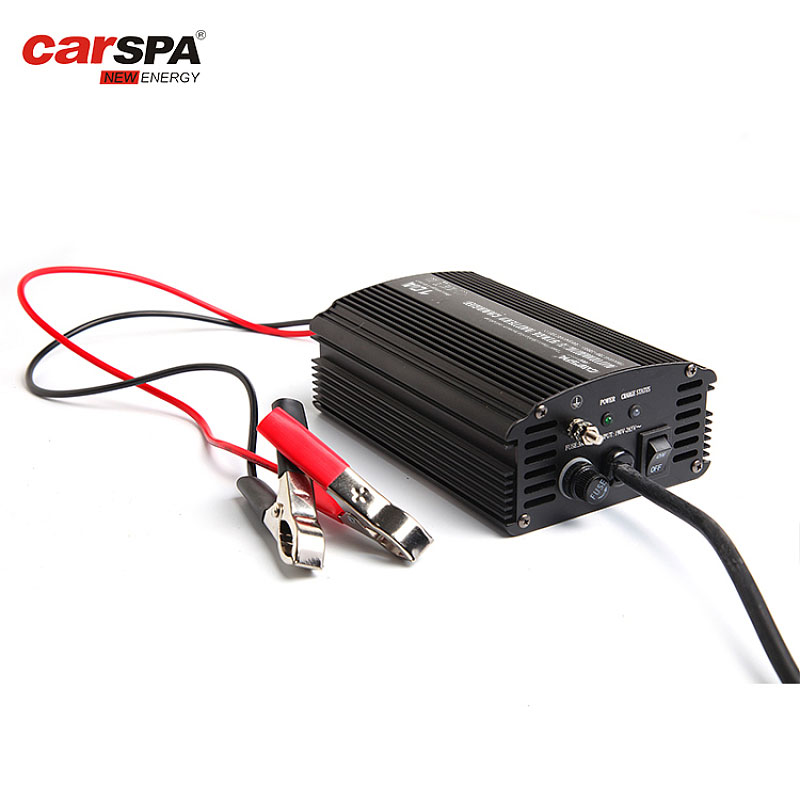
For businesses and individuals seeking trusted solutions, CARSPA offers a range of professional-grade battery chargers designed to withstand outdoor challenges while delivering consistent performance. Choosing a reliable partner ensures that your outdoor power needs are met today and into the future.


