Where Is Home Energy Storage Used and How Does It Support Modern Power Systems?
Introduction
Home Energy Storage is increasingly becoming a practical component of modern power systems as electricity usage patterns grow more complex and less predictable. Homes, small commercial spaces, and hybrid residential–working environments are no longer powered solely by stable, one-directional grid electricity. Instead, they now integrate solar generation, fluctuating loads, and higher expectations for power reliability.
Traditional power setups are often designed to deliver electricity at the moment it is needed, without considering how energy is produced, stored, or redistributed over time. As a result, challenges such as power interruptions, peak load stress, and inefficient use of solar energy have become more noticeable. These challenges are not limited to large industrial systems—they are increasingly present in everyday energy environments where continuity, stability, and efficiency matter.

Home Energy Storage introduces a different approach. By storing electrical energy and releasing it when conditions require, it transforms passive power consumption into active energy management. Instead of depending entirely on real-time generation or grid availability, energy can be buffered, scheduled, and optimized based on actual usage patterns. This capability allows power systems to respond more smoothly to load changes, outages, and renewable energy fluctuations.
More importantly, the role of Home Energy Storage is not confined to a single use case. Its value becomes clear across a range of applications—from supporting solar self-consumption and providing backup power, to stabilizing loads and enabling modular system expansion. Understanding where and how Home Energy Storage is applied is therefore essential to evaluating its real impact on modern power systems.
Where Is Home Energy Storage Most Commonly Applied in Residential and Small Commercial Systems?
Home Energy Storage is most widely applied in environments where power demand is variable, reliability expectations are high, and energy sources are increasingly diversified. Rather than serving a single function, it often becomes part of a broader energy strategy that balances generation, storage, and consumption across different usage scenarios.
Residential Energy Management with Increasing Load Diversity
In residential settings, electrical demand has expanded beyond basic lighting and appliances. Air conditioning, water heating, electric cooking, and home office equipment introduce overlapping and sometimes simultaneous loads. These demand patterns can place stress on conventional power setups, especially during peak usage periods.
Home Energy Storage helps smooth this demand by storing energy during low-load periods or when solar generation is available, then supplying power when consumption increases. This reduces dependence on immediate grid supply and improves overall energy stability within the household system.
Small Commercial and Mixed-Use Spaces
Many small commercial environments—such as offices combined with living spaces, retail units with back-end operations, or service-oriented facilities—operate with irregular load profiles. Power usage may spike during business hours and drop significantly at other times, making energy management less predictable.
In these scenarios, Home Energy Storage acts as a buffer between supply and demand. Stored energy can support operational loads during peak periods, reducing pressure on incoming power lines and helping maintain stable voltage levels across sensitive equipment.
Solar-Integrated Applications in Everyday Power Systems
One of the most common application drivers for Home Energy Storage is the integration of solar power. Solar generation does not always align with real-time consumption, leading to excess energy during the day and shortages in the evening.
By pairing energy storage with solar systems, generated power can be captured instead of wasted. This stored energy is then available when solar output drops, allowing the system to function as a coordinated whole rather than as disconnected generation and consumption components.
Off-Grid and Weak-Grid Environments
In areas where grid power is unstable, limited, or unavailable for certain periods, Home Energy Storage becomes a foundational element of the power system rather than an auxiliary feature. Stored energy provides continuity during outages and compensates for voltage fluctuations or supply interruptions.
These applications highlight how Home Energy Storage supports not only convenience but also operational reliability, ensuring that essential electrical functions remain available even when external power conditions are less than ideal.
How Does Home Energy Storage Support Solar Power Utilization and Energy Independence?
Solar power has become one of the most common energy sources integrated into modern residential and small-scale energy systems. However, without proper energy storage, the potential of solar generation is often only partially realized. Home Energy Storage plays a critical role in closing the gap between when energy is produced and when it is actually needed.
Aligning Solar Generation with Real Consumption Patterns
Solar panels typically generate the most electricity during midday hours, while household and small commercial consumption often peaks in the early morning or evening. This mismatch leads to underutilized solar energy if excess power cannot be stored effectively.
Home Energy Storage captures surplus solar output and makes it available during high-demand periods. This allows solar energy to be consumed locally and efficiently, instead of being limited by real-time usage constraints.
Reducing Dependence on Grid-Supplied Electricity
Energy independence is not about complete isolation from the grid, but about reducing reliance on it during critical periods. When solar generation and energy storage operate together, stored energy can support daily loads without drawing continuous power from external sources.
This application becomes particularly valuable during peak pricing periods or grid congestion. By relying on stored solar energy, power systems operate more autonomously and with greater predictability.
Improving System Stability in Hybrid Power Configurations
Hybrid systems that combine solar, grid power, and energy storage require careful balancing. Without storage, fluctuations in solar output—caused by weather or shading—can introduce instability into the system.
Home Energy Storage absorbs these fluctuations by acting as a stabilizing layer. It ensures consistent power delivery even when generation conditions change, improving overall system performance and protecting connected equipment from sudden power variations.
Maximizing the Practical Value of Renewable Energy Investments
Solar installations represent a long-term investment, but their value depends on how effectively generated energy is used. Energy storage enhances this value by increasing the usable portion of solar output across the entire day.
Rather than limiting renewable energy benefits to specific hours, Home Energy Storage extends their impact, turning intermittent generation into a more reliable and controllable energy resource.

Why Is Home Energy Storage Critical for Backup Power and Load Stability?
Power continuity and load stability are no longer optional features in modern energy systems. As electrical environments become more integrated and dependent on electronic devices, even short interruptions or voltage fluctuations can create operational and safety challenges. Home Energy Storage addresses these issues by providing controlled, reliable energy support when normal power conditions are disrupted.
Ensuring Power Continuity During Grid Outages
Grid interruptions can occur unexpectedly due to maintenance, weather conditions, or upstream faults. In conventional systems, such events lead to immediate power loss across connected loads.
Home Energy Storage allows stored energy to be released instantly when external power supply is interrupted. This ensures that essential loads continue operating without noticeable disruption. Rather than reacting after power is lost, the system maintains continuity through proactive energy buffering.
Protecting Sensitive Electrical Equipment
Many modern electrical devices are sensitive to sudden voltage drops or unstable power supply. Repeated exposure to such conditions can shorten equipment lifespan or lead to unpredictable failures.
By acting as a stable energy source, Home Energy Storage smooths transitions between different power states. It reduces electrical stress on connected equipment and helps maintain consistent operating conditions across varying load levels.
Managing Sudden Load Changes More Effectively
Electrical loads rarely remain constant. Appliances, machinery, and system components may start or stop abruptly, causing temporary current surges or voltage dips.
Home Energy Storage helps absorb these sudden changes by supplying additional power when loads increase and reducing draw when demand drops. This dynamic response improves overall system stability and prevents overload situations that could otherwise strain power infrastructure.
Supporting Planned Backup Strategies
Beyond emergency use, backup power is often part of a planned energy strategy. Stored energy can be reserved for specific periods or functions, ensuring that critical operations remain uninterrupted even when primary power sources are intentionally limited.
This approach transforms backup power from a reactive measure into a controlled and predictable system function.
How Can Modular and Scalable Home Energy Storage Adapt to Different Application Needs?
Energy demand is rarely static. As usage patterns evolve and power systems expand, fixed-capacity solutions often struggle to remain efficient over time. Home Energy Storage systems designed with modular and scalable structures are better suited to adapt to changing application requirements without requiring complete system replacement.
Adapting to Different Installation Environments
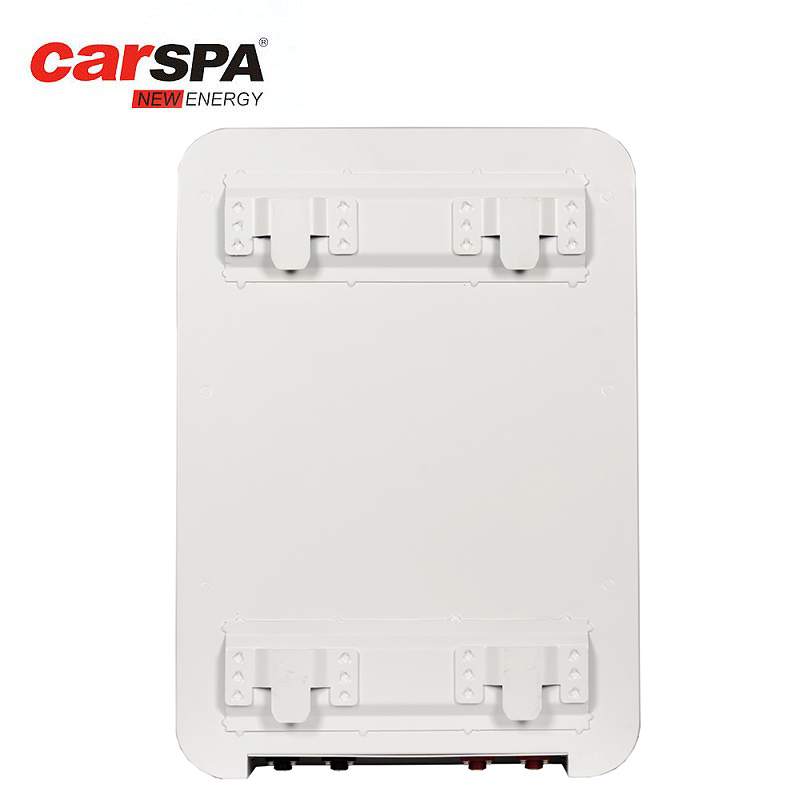
Not all power environments have the same space, layout, or installation constraints. Some applications require compact wall-mounted solutions, while others benefit from stackable configurations that make use of vertical space.
Modular Home Energy Storage systems allow flexibility in physical installation. This makes them suitable for a wide range of environments, from limited indoor spaces to dedicated energy rooms, without compromising accessibility or safety.
Supporting Gradual Capacity Expansion
Energy demand often grows over time. Additional electrical loads, extended operating hours, or increased reliance on stored energy can all lead to higher capacity requirements.
Scalable storage systems enable capacity to be expanded incrementally. Instead of oversizing the system at the initial stage, energy storage can be aligned with actual demand growth, maintaining efficiency while controlling long-term system costs.
Simplifying System Integration and Maintenance
Modular designs also simplify system integration. Individual battery units can be connected, monitored, or serviced independently, reducing system downtime during maintenance or upgrades.
This structure improves long-term reliability by allowing components to be managed as part of a coordinated system rather than as a single fixed unit. Maintenance becomes more predictable, and system performance remains consistent as configurations change.
Enabling Flexible Energy Strategies Over Time
As energy strategies shift—such as increased solar integration, changing load priorities, or new backup requirements—modular Home Energy Storage systems can be reconfigured to match these goals.
This flexibility ensures that energy storage remains a functional asset throughout different system stages, rather than becoming a limiting factor as conditions evolve.
What Should Be Considered When Selecting a Home Energy Storage Solution for Long-Term Use?
Selecting a Home Energy Storage solution is not only about immediate capacity requirements. Because energy storage systems are expected to operate for many years, long-term reliability, safety, and adaptability play a decisive role in real-world performance.
Battery Chemistry and Cycle Life
Battery technology directly affects how long an energy storage system can operate effectively. Systems designed for frequent charge and discharge cycles must maintain stable performance over time without rapid capacity degradation.
Long cycle life reduces the need for early replacement and ensures that energy storage remains economically viable throughout its service period. Consistent performance across thousands of cycles is especially important in applications involving daily solar charging and regular backup usage.
Safety and Thermal Stability
Energy storage systems operate under varying load and environmental conditions. Thermal stability, protection mechanisms, and structural design all contribute to safe long-term operation.
A well-designed Home Energy Storage system manages heat effectively, prevents overcharging or deep discharge, and maintains safe operating parameters even during high-demand periods. These characteristics are essential for maintaining system integrity and minimizing operational risk.
Compatibility with Existing Power Systems
Home Energy Storage rarely operates in isolation. It must integrate smoothly with inverters, solar systems, distribution panels, and load management strategies.
Compatibility simplifies installation and allows the storage system to function as part of a coordinated energy architecture. This reduces configuration complexity and ensures that storage capacity can be fully utilized within the existing power setup.
Long-Term Flexibility and System Upgradability
Energy requirements evolve. A storage system selected today should remain adaptable to future changes in load profiles, renewable integration, or backup strategies.
Solutions that support modular expansion and flexible configuration provide greater long-term value. They allow energy storage capacity to grow alongside system needs without forcing structural redesigns or major replacements.
Conclusion
Understanding the Practical Value of Home Energy Storage Applications
Home Energy Storage has moved beyond being an optional add-on in modern power systems. Across residential, small commercial, and hybrid environments, it plays a central role in managing energy flow, stabilizing loads, and improving power reliability.
By supporting solar utilization, enabling backup power, and adapting to changing demand through scalable system design, Home Energy Storage transforms how electricity is generated, stored, and consumed. Its real value lies not in a single feature, but in how it integrates multiple energy functions into a stable and controllable system.
As energy systems continue to evolve toward greater flexibility and independence, selecting a reliable and adaptable storage solution becomes increasingly important. In this context, solutions such as those offered by CARSPA provide practical options for different application needs, combining modular design with long-term performance considerations.