What Should Be Considered When Integrating Energy Storage into Modern Power Systems?
Introduction
Energy Storage systems are increasingly becoming an integral part of modern power architectures rather than standalone additions. As power demand patterns grow more dynamic and renewable energy sources become more widespread, electrical systems are expected to respond with greater flexibility, stability, and adaptability. In this evolving environment, energy storage plays a critical role in shaping how power is generated, managed, and delivered across different operating conditions.
Unlike traditional power setups that rely on continuous real-time generation, integrated energy storage allows systems to decouple energy production from consumption. This capability enables smoother power regulation, mitigates fluctuations caused by variable loads or intermittent generation, and supports more predictable system behavior. When properly integrated, energy storage contributes not only to power continuity but also to overall system efficiency and operational resilience.
However, achieving these benefits depends heavily on how energy storage is incorporated into the broader system design. Factors such as installation structure, battery technology, scalability, and long-term performance characteristics all influence integration outcomes. Understanding these considerations at an early stage helps ensure that energy storage systems align effectively with system objectives and continue delivering value throughout their operational lifecycle.
What Role Does Energy Storage Play Within an Integrated Power System?
Power Buffering Between Generation and Consumption
In an integrated power system, Energy Storage functions as a dynamic buffer rather than a passive reserve. It absorbs excess energy when generation exceeds demand and releases stored power when loads increase or generation becomes unstable. This buffering capability helps smooth out short-term fluctuations and prevents frequent power swings from propagating through the system.
By regulating energy flow in this way, storage systems reduce electrical stress on upstream components and improve overall power stability, especially in environments where load profiles change frequently.

Enhancing System Flexibility and Responsiveness
Modern power systems are rarely static. Equipment cycles, operating schedules, and external power conditions can vary significantly throughout the day. Integrated energy storage allows systems to respond quickly to these changes by adjusting output without relying solely on immediate power generation or grid support.
This flexibility enables more refined power management strategies, supporting peak shaving, load shifting, and controlled power transitions—all without increasing system complexity.
Supporting Continuous and Predictable Operation
Beyond handling fluctuations, energy storage contributes to operational continuity. During short interruptions or power source transitions, stored energy maintains system output, preventing abrupt shutdowns or unstable restarts. This continuity is especially valuable in systems where even brief power disturbances can affect downstream processes or equipment behavior.
When integrated properly, energy storage becomes an active stabilizing element that supports predictable system performance across varying operating conditions.
How Do System Architecture and Installation Methods Affect Integration?
Aligning Installation Structure With System Layout
System architecture plays a decisive role in how effectively Energy Storage integrates into an existing power framework. Installation methods must align with available space, wiring routes, and overall system topology. A well-matched structure simplifies physical integration and reduces the need for extensive system modification during deployment.
Compact installation designs allow energy storage units to fit naturally into control rooms, equipment enclosures, or dedicated power zones without disrupting established layouts.
Wall-Mounted and Stacked Designs for Different Integration Needs
Different system scenarios call for different installation approaches. Wall-mounted energy storage solutions are well suited for applications where space efficiency and straightforward installation are priorities. Their compact form factor enables quick integration while maintaining clean and organized system wiring.
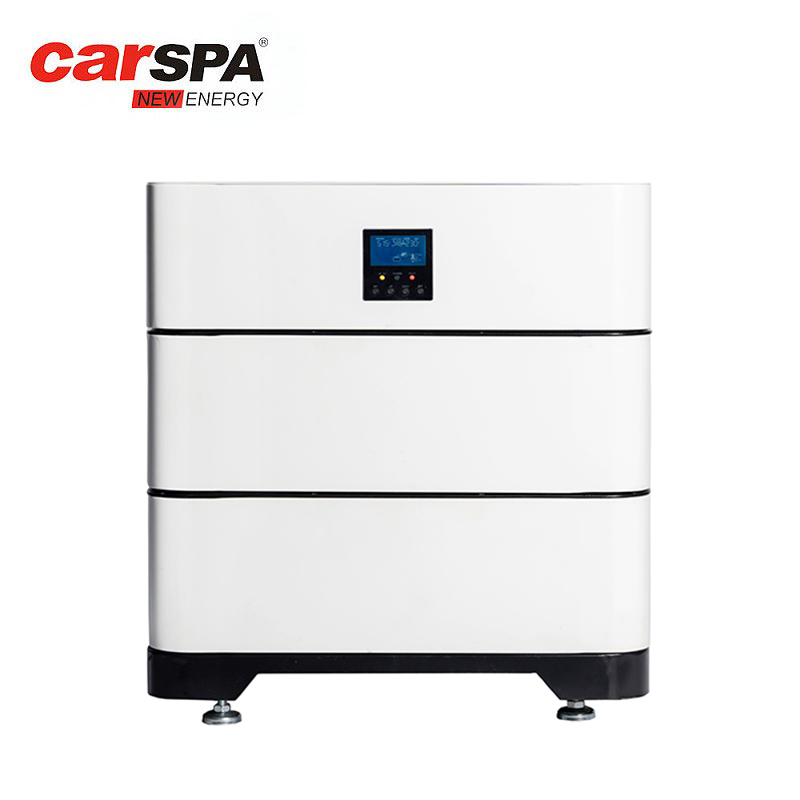
Stacked or modular designs, on the other hand, support scalable system architectures. By allowing capacity to be increased through additional modules, these systems enable gradual expansion without redesigning the core power structure, making them ideal for evolving energy demands.
Simplifying Expansion and Future Adaptation
A key advantage of modular architecture is future readiness. Integrated energy storage systems should not only meet current requirements but also adapt to future load growth or system upgrades. Modular configurations allow capacity expansion, maintenance, or replacement to be performed with minimal system disruption.
This adaptability ensures that energy storage remains aligned with long-term system planning, supporting consistent performance even as operational conditions change over time.
Why Is Battery Technology Critical for Long-Term System Compatibility?
Ensuring Electrical and Thermal Stability
Battery technology directly influences how well Energy Storage performs once integrated into a power system. Stable electrical characteristics and controlled thermal behavior are essential for maintaining consistent system operation over long periods. Batteries with predictable voltage profiles and low thermal risk help reduce integration complexity and improve overall system safety.
Stable battery behavior allows energy storage to operate reliably under continuous charge and discharge conditions, supporting smooth interaction with inverters, controllers, and connected loads.
Supporting High-Frequency Charge and Discharge Cycles
Integrated power systems often require energy storage to respond frequently to changing power conditions rather than remain idle for long periods. Battery technologies designed for high cycle endurance maintain performance consistency even under repeated daily operation.
A long cycle life reduces performance degradation over time, helping the system retain its original operating characteristics and minimizing unexpected capacity loss during extended service.
Improving Lifecycle Value and Planning Predictability
From a system integration perspective, battery lifespan affects far more than replacement intervals. Long-lasting battery technology supports predictable lifecycle planning, enabling system designers to align maintenance schedules, capacity planning, and operational expectations more accurately.
This predictability simplifies long-term system management and ensures that energy storage remains a reliable component throughout the system’s operational life rather than becoming a limiting factor.
How Does Energy Storage Improve Solar Power System Integration?
Decoupling Energy Generation From Consumption
One of the main challenges in solar-based power systems lies in the mismatch between energy generation and actual power demand. Solar output peaks during daylight hours, while consumption patterns often extend beyond generation windows. By integrating Energy Storage, systems gain the ability to separate when energy is produced from when it is consumed.
This decoupling enables stored solar energy to be deployed precisely when required, ensuring that power availability aligns more closely with operational needs rather than natural generation cycles.
Stabilizing Power Output Under Variable Conditions
Solar power is inherently affected by environmental conditions such as cloud cover, temperature, and seasonal variation. Without buffering, these fluctuations can introduce instability into the power system. Integrated energy storage absorbs rapid changes in solar output and releases energy smoothly, reducing sudden voltage shifts or power interruptions.
As a result, downstream equipment experiences more stable power input, and the overall system operates with greater consistency even under fluctuating solar conditions.
Improving Energy Utilization Efficiency
In systems without storage, excess solar energy is often curtailed or exported without strategic control. Energy Storage enables surplus generation to be captured and reused during high-demand periods, increasing the effective utilization of available solar resources.
This approach maximizes the value of installed solar capacity and supports more balanced energy flow throughout daily operating cycles.
Supporting Seamless Power Transitions
Energy storage also plays a key role during transitions between power sources. Whether shifting from solar to stored energy or supplementing external power sources, integrated storage ensures these transitions occur smoothly without abrupt changes.
This capability enhances system resilience and supports continuous operation across varying generation and load scenarios.
What Should Be Evaluated to Ensure Reliable Long-Term Operation?
System Compatibility and Integration Alignment
Long-term reliability begins with proper alignment between energy storage and the surrounding power system. Voltage compatibility, capacity matching, and charging behavior must be coordinated with inverters, controllers, and connected loads to ensure smooth interaction across all operating modes.
Well-aligned systems reduce unnecessary stress on components and support consistent power behavior over extended operating periods.
Performance Stability Over the System Lifecycle
Energy storage systems are expected to operate continuously over many years. Stability in performance—rather than peak specifications alone—determines long-term success. Storage solutions designed for consistent charge and discharge behavior help maintain predictable system output as operating conditions evolve.
This stability reduces the risk of gradual performance drift, ensuring that system behavior remains aligned with original design expectations.
Maintenance Strategy and Operational Predictability
A reliable long-term system benefits from energy storage solutions that minimize maintenance complexity. Clear operational characteristics and stable performance profiles allow maintenance planning to be proactive rather than reactive.
Predictable service requirements reduce operational uncertainty and help maintain uninterrupted system performance throughout the lifecycle.
Scalability and Future System Adaptation
Power systems are rarely static. Load expansion, operational changes, or renewable capacity growth may require system upgrades over time. Energy storage solutions that support modular expansion and flexible configuration allow capacity to grow without fundamental redesign.
This scalability ensures that energy storage continues to support system objectives even as power demands and system architectures evolve.
Risk Mitigation and System Resilience
Finally, long-term evaluation must consider how energy storage contributes to overall system resilience. By buffering power fluctuations, supporting controlled transitions, and maintaining continuity during disturbances, integrated energy storage reduces system vulnerability and enhances operational robustness.
This resilience is essential for maintaining stable power operation under both normal and challenging conditions.

Conclusion
Integrating Energy Storage into modern power systems requires more than selecting a battery solution—it demands a structured evaluation of system role, installation architecture, battery technology, solar compatibility, and long-term operational planning. When these factors are addressed collectively, energy storage becomes a stabilizing foundation that enhances system flexibility, efficiency, and resilience.
CARSPA offers energy storage solutions designed to support seamless system integration, combining modular configurations, long-cycle battery technology, and solar-ready designs to meet the demands of evolving power systems.


.jpg)


.jpg)
.jpg)
.jpg)
.jpg)
.jpg)