
What Should You Know About Energy Storage Systems Before System Integration?
Introduction
As power systems become more complex and load profiles increasingly unpredictable, the role of energy storage has shifted from a supplementary component to a foundational element in modern electrical infrastructure. Whether supporting renewable energy integration, stabilizing power distribution, or improving system responsiveness, energy storage enables power systems to operate with greater flexibility and control under changing conditions.
Unlike traditional power sources that deliver energy in a fixed, real-time manner, energy storage systems introduce a temporal dimension to energy management. By storing electrical energy when supply exceeds demand and releasing it when conditions change, these systems help decouple generation, consumption, and grid behavior. This capability is especially valuable in environments where power availability, load intensity, or operating schedules fluctuate throughout the day.
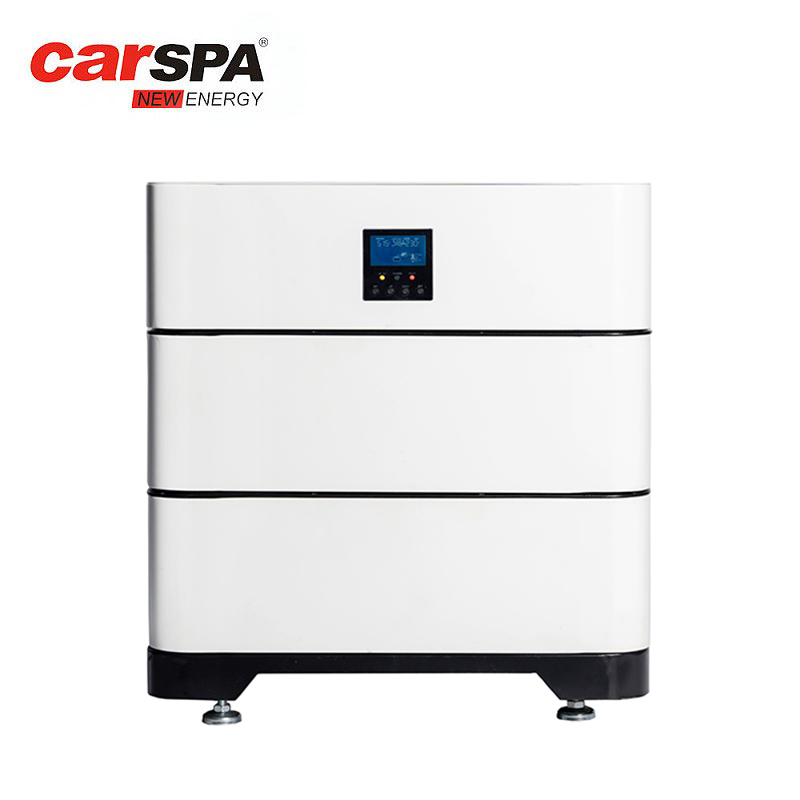
At the system level, energy storage is no longer defined solely by battery capacity or chemistry. Its true value lies in how effectively it integrates with inverters, control systems, protection mechanisms, and monitoring platforms to form a coordinated and reliable power solution. Poor integration can limit performance, shorten component lifespan, and introduce safety risks, even when high-quality storage hardware is used.
As a result, understanding energy storage requires more than a focus on individual components. It demands a holistic view of how storage interacts with the broader power system—electrically, operationally, and economically. This article explores the key considerations behind effective energy storage deployment, helping readers better evaluate system design, performance expectations, and long-term reliability.
What Core Functions Does Energy Storage Provide in Modern Power Systems?
At its core, energy storage acts as a flexible buffer between power generation and power consumption. Rather than operating as a passive reserve, modern energy storage systems actively participate in power regulation, system optimization, and operational risk reduction. Their functions extend well beyond simple energy backup.
Power Balancing and Load Smoothing
One of the most fundamental roles of energy storage is balancing supply and demand in real time. In many power systems, load demand fluctuates continuously due to operational cycles, equipment start-ups, and varying usage patterns. Energy storage absorbs excess energy during low-demand periods and releases it during peak demand, helping smooth load profiles and reduce sudden power stress on upstream infrastructure.
Voltage and Frequency Stabilization
Energy storage systems respond much faster than conventional generators. This rapid response capability allows them to support voltage and frequency stability when disturbances occur. During transient events—such as abrupt load changes or short-term supply interruptions—storage systems can inject or absorb power within milliseconds, maintaining electrical parameters within acceptable limits and protecting sensitive equipment.
Energy Time-Shifting and Utilization Optimization
By storing energy at one point in time and delivering it later, energy storage enables more efficient use of available power resources. This time-shifting function is especially valuable in systems where generation does not align perfectly with consumption patterns. Instead of curtailing excess energy or relying on inefficient standby sources, stored energy can be redeployed when it is most needed.
System Resilience and Operational Continuity
Energy storage also enhances system resilience. In the event of power instability or partial outages, storage systems can provide immediate support to critical loads, bridging gaps until normal operation is restored. This function reduces downtime, improves process continuity, and minimizes the operational impact of grid or upstream disturbances.
Foundation for Advanced Energy Management
Beyond these direct electrical functions, energy storage serves as the foundation for intelligent energy management strategies. When combined with monitoring and control platforms, storage systems enable predictive control, optimized dispatch, and coordinated interaction with other power assets. This transforms energy storage from a standalone device into an active system-level resource.

How Do Different Energy Storage Technologies Affect System Performance and Lifespan?
While energy storage systems are often discussed as a single category, the underlying storage technologies can lead to very different performance characteristics, maintenance requirements, and long-term reliability outcomes. Selecting the right technology is not simply a matter of energy density—it directly influences how the entire system behaves over time.
Battery Chemistry and Performance Characteristics
Different battery chemistries exhibit distinct electrical and thermal behaviors. Factors such as charge–discharge efficiency, depth of discharge tolerance, and operating temperature range affect how consistently a storage system can deliver power. Technologies optimized for high energy density may prioritize compactness, while others emphasize stability and extended cycle life. These trade-offs shape system performance under real operating conditions.
Cycle Life and Degradation Behavior
Every energy storage technology experiences gradual degradation. However, the rate and pattern of capacity loss vary significantly. Some technologies degrade predictably with each cycle, while others are more sensitive to operating conditions such as high discharge rates or elevated temperatures. Understanding these degradation mechanisms is critical for designing systems that maintain reliable performance throughout their intended service life.
Thermal Management and Safety Considerations
Thermal behavior plays a decisive role in both safety and longevity. Energy storage technologies generate heat during operation, and insufficient thermal control can accelerate aging or create safety risks. Systems designed with appropriate thermal management strategies are better able to sustain stable operation, particularly under continuous or high-load scenarios.
Integration with Battery Management Systems (BMS)
The interaction between storage technology and its battery management system is equally important. A well-matched BMS monitors cell-level parameters, balances performance across modules, and enforces protective limits. When storage technology and BMS design are aligned, the system can operate closer to its optimal range without compromising safety or lifespan.
Impact on Maintenance and System Scalability
Finally, technology choice influences long-term maintenance strategies and expansion flexibility. Modular storage architectures allow individual components to be serviced or upgraded without disrupting the entire system. This adaptability supports future capacity expansion and simplifies lifecycle management, making the system more resilient to changing operational demands.
Why Is System Integration More Critical Than Battery Capacity Alone?
In many energy storage projects, attention is often drawn first to battery capacity figures. While capacity defines how much energy can be stored, it does not determine how effectively that energy can be delivered, controlled, or protected. In practice, system integration plays a far more decisive role in overall performance and reliability.
Coordination Between Power Conversion and Storage
Energy storage does not operate in isolation. Its interaction with power conversion equipment determines how smoothly energy flows into and out of the system. Poor coordination can lead to inefficient charging, unstable output, or unnecessary stress on both the storage and conversion stages. A well-integrated system ensures that electrical parameters remain aligned across different operating modes.
Control Logic and Operating Strategy
Beyond hardware connections, integration also involves control logic. Charging and discharging behavior must adapt to load conditions, system priorities, and protection thresholds. Without properly designed control strategies, storage systems may cycle excessively, respond too slowly, or fail to support the system during critical moments. Effective integration enables storage to operate as an intelligent participant rather than a reactive component.
Protection and Fault Management
Safety and reliability depend heavily on how protection mechanisms are integrated. Energy storage systems must coordinate fault detection, isolation, and recovery across multiple layers. If protection functions are fragmented or poorly synchronized, faults may propagate or remain undetected. Integrated protection design helps contain abnormal conditions quickly and reduces the risk of cascading failures.
Communication and Monitoring Architecture
Modern energy storage systems rely on continuous data exchange. Communication between storage modules, controllers, and monitoring platforms allows real-time visibility into system status. This transparency supports proactive maintenance, accurate diagnostics, and informed operational decisions. Without integrated communication, even high-quality hardware may underperform due to limited system awareness.
Scalability and Future System Expansion
System integration also determines how easily storage capacity or functionality can be expanded in the future. Integrated designs that consider modular growth allow new components to be added without major redesign. This flexibility protects long-term investment value and ensures the system can evolve alongside changing operational requirements.

How Does Energy Storage Improve Reliability Under Fluctuating Load and Power Conditions?
Power systems rarely operate under steady-state conditions. Load variations, intermittent power sources, and changing operational schedules continuously challenge system stability. Energy storage enhances reliability by absorbing these fluctuations and maintaining controlled operating conditions across the system.
Managing Sudden Load Changes
Abrupt load increases or decreases can place significant stress on power infrastructure. Without buffering mechanisms, these changes may cause voltage dips, frequency deviations, or protective shutdowns. Energy storage responds instantly to load variations, supplying or absorbing power to smooth transitions and prevent instability during dynamic operating conditions.
Reducing Dependence on Upstream Power Stability
In many installations, upstream power sources are not always predictable. Energy storage reduces system sensitivity to external disturbances by acting as a local energy reserve. When supply quality fluctuates, stored energy helps maintain consistent output, allowing downstream equipment to continue operating within safe electrical limits.
Supporting Critical Loads During Disturbances
Certain loads require uninterrupted power to maintain operational integrity. Energy storage provides immediate support when disturbances occur, bridging short-term interruptions or compensating for supply inconsistencies. This capability helps preserve operational continuity and minimizes the risk of process disruption.
Improving Power Quality Under Variable Conditions
Fluctuating conditions often introduce power quality issues such as transient voltage changes or unstable frequency behavior. Energy storage contributes to power quality control by stabilizing output characteristics, reducing stress on connected equipment, and enhancing overall system predictability.
Enhancing System Recovery and Stability
Beyond initial disturbance response, energy storage supports faster system recovery. By providing controlled energy during restart or transition phases, storage systems help prevent repeated faults and allow the system to return to normal operation smoothly and safely.
What Factors Determine Long-Term Safety and ROI in Energy Storage Projects?
While initial system specifications often dominate early decision-making, the long-term success of an energy storage project depends on a broader set of factors. Safety, operational efficiency, and lifecycle performance collectively determine whether a storage system delivers sustainable value over time.
System-Level Safety Design
Long-term safety begins with comprehensive system design. This includes coordinated protection mechanisms, controlled charging and discharging limits, and clear fault-handling logic. A system designed with safety at the core reduces the likelihood of abnormal operating conditions and helps prevent minor issues from escalating into serious incidents.
Operational Efficiency and Energy Utilization
Efficiency directly impacts return on investment. Losses during conversion, storage, and delivery reduce usable energy and increase operational costs. Well-designed energy storage systems optimize energy flow across all operating states, ensuring that stored energy is used effectively rather than dissipated through inefficiencies.
Maintenance Strategy and Predictability
Maintenance requirements influence both cost and reliability. Systems with clear monitoring, diagnostics, and modular architecture allow issues to be identified early and addressed with minimal disruption. Predictable maintenance schedules reduce unexpected downtime and support more accurate long-term planning.
Lifecycle Management and Upgrade Flexibility
Energy storage systems are long-term assets. Their ability to adapt to evolving system requirements affects overall value. Designs that support component replacement, capacity expansion, or control updates extend useful life and protect against premature obsolescence.
Risk Control and Investment Stability
Finally, managing technical and operational risks is essential for protecting investment outcomes. Energy storage systems that operate within well-defined parameters and include robust monitoring provide greater transparency and confidence in long-term performance. This stability translates into more reliable cost control and sustained system value.
Conclusion
Energy storage has become an essential element in modern power systems, not simply for its ability to store energy, but for the control, flexibility, and resilience it introduces at the system level. From stabilizing fluctuating loads to supporting long-term operational reliability, effective energy storage depends on thoughtful integration, intelligent control, and lifecycle-oriented design.
When energy storage is approached as a complete system rather than a standalone component, it delivers lasting benefits in safety, efficiency, and performance. Providers such as CARSPA focus on energy storage solutions that align with these system-level principles, supporting reliable operation across diverse power applications.


