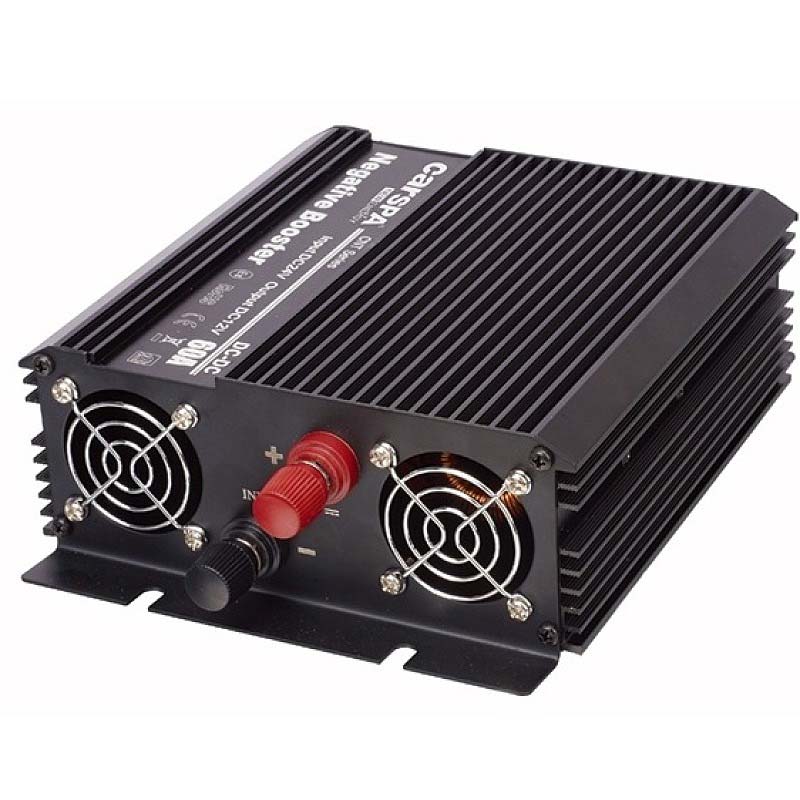
Why a 1000W Inverter for Car Is Essential for a Reliable DIY RV Power System? 5 Critical Questions Tell You
Introduction
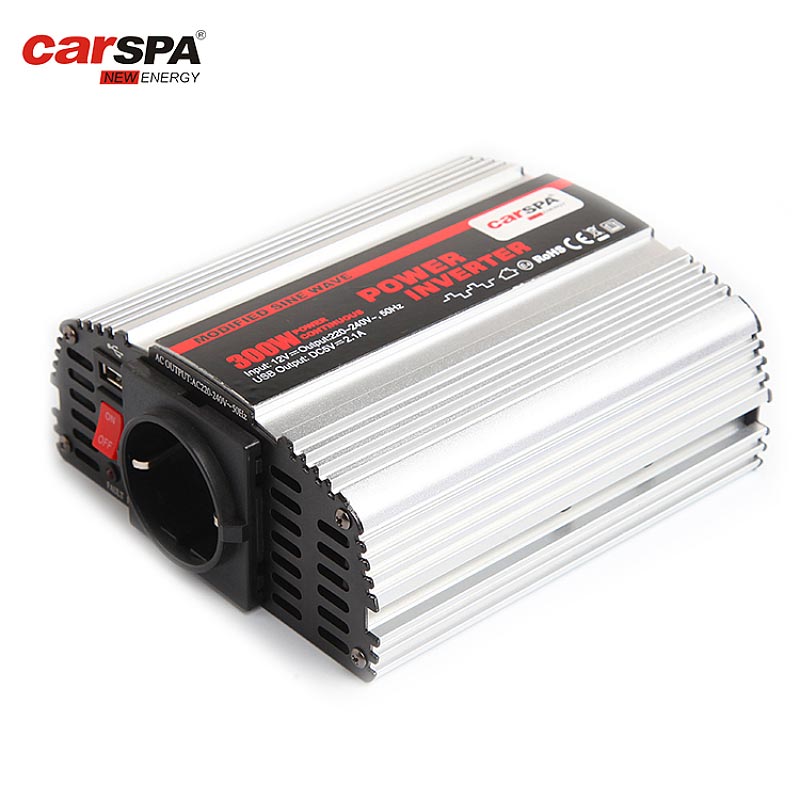
Building a DIY RV has become one of the most practical ways for travelers, remote workers, and adventure enthusiasts to gain full control over their mobile living environment. Whether the goal is weekend camping, long-distance touring, or creating an off-grid workspace, having a stable and flexible electrical system is essential. Among all the components that support onboard power, the 1000W Inverter for Car stands out as a key device that converts 12V DC battery power into usable AC electricity for everyday appliances.

In a DIY RV, power demand varies widely—from charging communication devices and laptops to running lighting systems, small cooking tools, fans, pumps, or entertainment equipment. A 1000W inverter offers enough capacity for these common loads while keeping the installation compact, cost-efficient, and easy to maintain. It bridges the gap between automotive batteries and household appliances, allowing users to enjoy the comforts of home even in remote locations.
As more DIY builders seek to customize their vehicles with reliable off-grid features, understanding how a 1000W inverter integrates into the RV electrical ecosystem becomes increasingly important. Knowing its capabilities, limitations, and selection criteria ensures that the final power system achieves long-term safety, dependable output performance, and optimized energy usage.
Why Does a 1000W Inverter for Car Play a Key Role in DIY RV Power Systems?
A DIY RV relies on a well-designed electrical system to operate lighting, electronics, and small appliances. The 1000W Inverter for Car becomes the foundation of this system because it transforms the RV’s DC battery power into stable AC output. For most DIY builders, this device provides the most practical balance between capacity, efficiency, and installation simplicity.

Supporting Multi-Scenario Power Needs
DIY RVs often operate in different environments—campgrounds, mountain roads, beaches, or completely off-grid locations. In these scenarios, household AC outlets are not available. A 1000W inverter supplies consistent AC power for essential daily functions such as phone charging, small cooking devices, laptops, and LED lighting.
Ensuring Safe and Controlled Power Conversion
Instead of connecting devices directly to the battery, the inverter regulates output voltage and prevents irregular current that could damage equipment. This stable conversion becomes especially important for sensitive electronics that require clean power to operate safely.
Offering a Practical Power Range for Most DIY RV Setups
With 1000W continuous output and higher surge capacity, this inverter size fits the majority of light-to-medium RV loads. DIY builders avoid unnecessary cost or complexity while still powering the equipment they use most frequently.
Enabling a Modular, Expandable RV System
Many DIY RV projects evolve over time. A 1000W inverter acts as a flexible starting point, allowing builders to upgrade batteries, add solar charging systems, or increase load capacity as their needs grow.
How Does a 1000W Car Inverter Support Essential Appliances and On-Board Electronics in a DIY RV Setup?
A 1000W Inverter for Car provides enough power to handle most essential devices used in a DIY RV, making daily living more comfortable and functional. Understanding how it supports different load types helps builders plan energy distribution and avoid overload issues.
Powering Daily Electronics and Communication Devices
Many travelers depend on laptops, tablets, cameras, and mobile phones for work or entertainment. A 1000W inverter easily supports these low-power devices, ensuring steady AC output for charging and operation without causing voltage drops or interruptions.
Running Compact Appliances for Cooking and Convenience
Small kitchen appliances such as mini kettles, food warmers, blenders, and portable cookers typically fall within the inverter’s load range. These devices are essential for DIY RV users who want simple meal preparation without using fuel-based equipment.
Supporting On-Board Comfort Systems
Ventilation fans, LED lights, small pumps, and electric blankets all draw moderate power but are crucial for maintaining comfort in an RV. A 1000W inverter handles these loads efficiently, allowing them to operate simultaneously when needed.
Managing Peak Loads with Surge Capacity
Some appliances require higher wattage at startup—such as compressor-type coolers or motor-driven tools. A high-quality inverter provides a surge capacity that accommodates these short power spikes and protects both the inverter and the battery system.
Delivering Clean Power for Sensitive Equipment
Pure sine wave 1000W inverters are particularly valuable for devices with motors or digital control boards. They reduce noise, prevent overheating, and extend equipment lifespan, offering a more reliable experience during long trips.
What Features Should You Look for When Choosing a 1000W Inverter for Your DIY RV Project?
Selecting the right 1000W Inverter for Car is essential for building a reliable DIY RV power system. Not all inverters are created equal, and choosing the correct features ensures long-term stability, safety, and compatibility with your planned appliances.
Pure Sine Wave vs. Modified Sine Wave Output
A pure sine wave inverter delivers cleaner energy similar to household grid power, making it ideal for sensitive devices such as laptops, compressor coolers, and LED lighting systems. Modified sine wave models are more affordable but may cause noise or reduced efficiency in certain equipment.
High Conversion Efficiency for Better Battery Usage
Efficiency is crucial in a DIY RV where energy storage is limited. A high-efficiency inverter reduces power loss during conversion, allowing batteries to last longer during off-grid operation.
Built-In Protection Functions
Look for essential safety mechanisms such as:
Overload protection
Short-circuit protection
Low-voltage alarm and shutdown
Over-temperature protection
These features prevent system damage and maintain stable operation even under unpredictable conditions.
Adequate Surge Power for Starting Motors and Compressors
Many RV appliances—such as refrigerators, pumps, or power tools—require a momentary surge higher than their rated wattage. Selecting an inverter with strong surge capability ensures it can handle startup loads without shutting down.
Durable Housing and Efficient Cooling Design
RV environments may involve vibration, heat, and constant movement. A robust aluminum casing and active cooling system help extend inverter lifespan and maintain stable performance during long journeys.
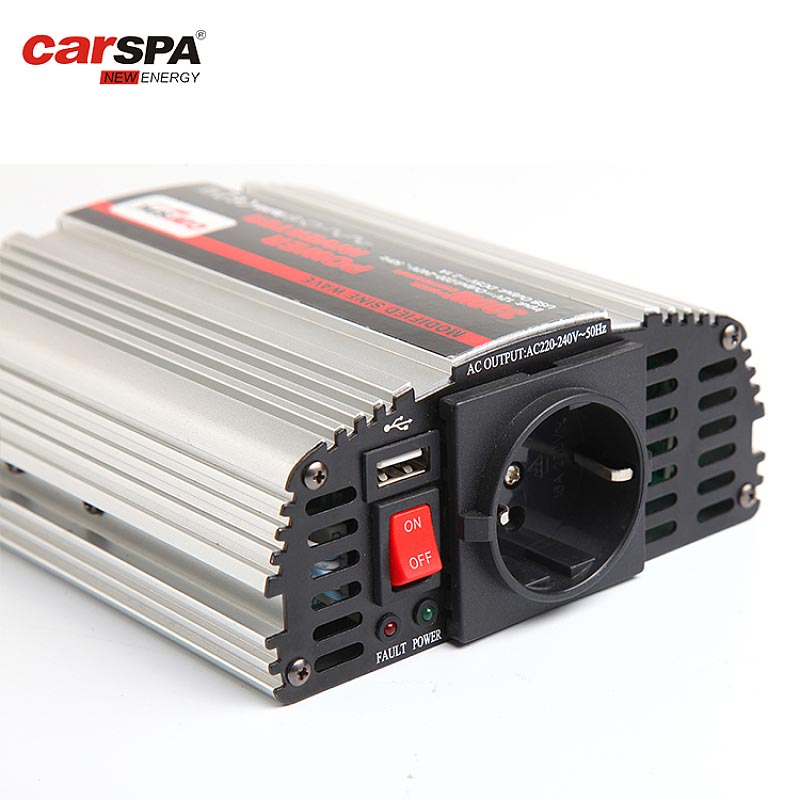
Connectivity, Display, and Installation Flexibility
Useful features include:
AC outlets positioned for easy access
USB ports for fast charging
LED indicators or LCD screens for system monitoring
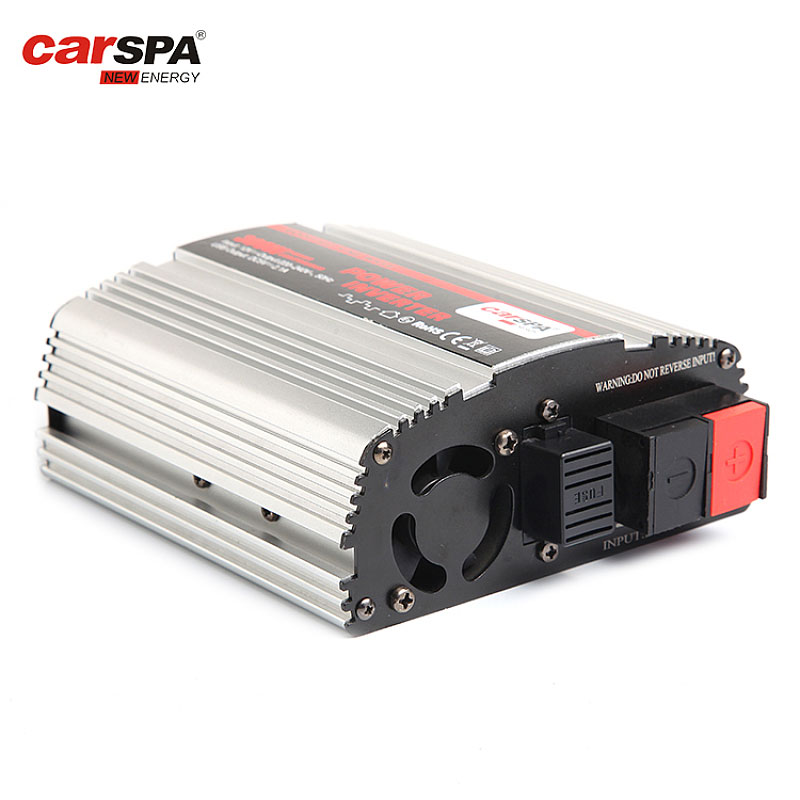
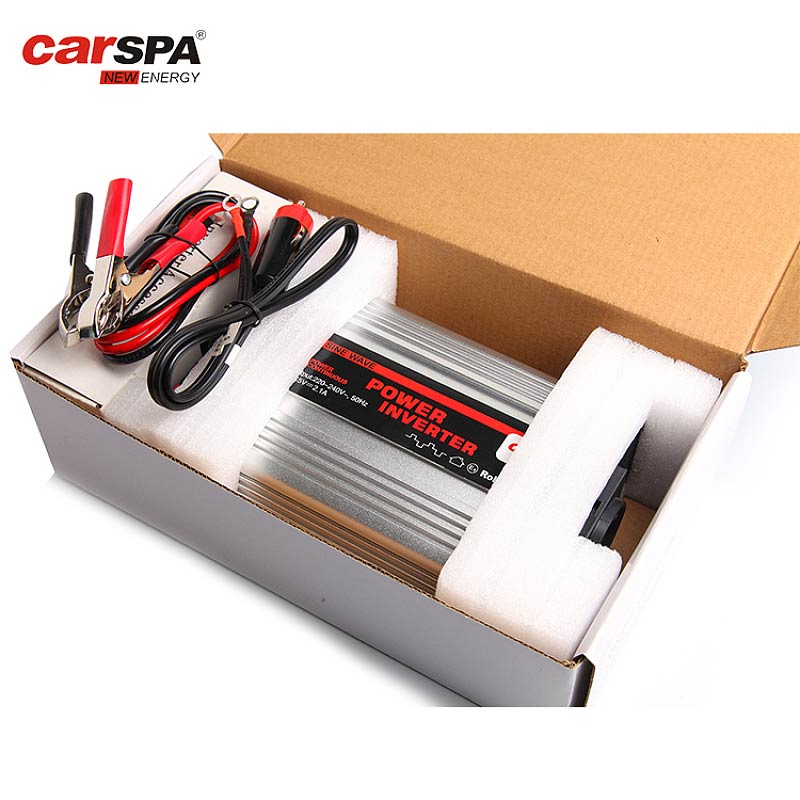
Simple wiring interfaces to integrate with RV battery and fuse systems
These make installation smoother and daily use more convenient for DIY builders.
How Does a Properly Installed 1000W Inverter Improve RV Power Safety, Stability, and Long-Term Reliability?
A 1000W Inverter for Car not only supplies essential AC power but also significantly contributes to the overall safety and durability of a DIY RV electrical system. Proper installation ensures that the inverter operates efficiently, prevents avoidable failures, and maintains stable power output during travel and off-grid use.
Providing Stable AC Output Through Correct Wiring
Improper wiring can cause voltage fluctuations, overheating, or even equipment burnout. By using the correct cable gauge, secure terminals, and fused connections, the inverter maintains a predictable output that protects all connected appliances.
Preventing Overheating Through Optimized Ventilation
DIY RV spaces can be compact, which increases heat accumulation around electrical devices. Installing the inverter in a well-ventilated area—away from direct sunlight and flammable materials—helps prevent thermal shutdowns and extends the inverter’s service life.
Reducing Battery Stress and Extending Energy Storage Lifespan
A well-installed inverter interacts smoothly with the RV’s battery system. Stable current draw prevents excessive battery discharge, avoids sudden voltage drops, and helps maintain better long-term battery health, especially when using deep-cycle or lithium batteries.
Enhancing System Protection with Fuses and Breakers
Integrating the inverter with properly rated fuses or circuit breakers ensures rapid response during abnormal electrical conditions. These components stop excessive current before it reaches the inverter or appliances, preventing fire hazards or irreversible damage.
Ensuring Reliable Operation During Off-Grid Conditions
DIY RVs often operate far from power infrastructure. An inverter with solid installation offers dependable performance during fluctuating weather, temperature changes, or varying load demands—critical for maintaining comfort and safety in remote environments.
Supporting Future Expansion and Upgrades
A clean, well-planned installation allows builders to add solar panels, battery banks, DC charging systems, or larger appliances without rewiring the entire RV. This modular flexibility helps the inverter remain a stable core of the electrical system as the RV evolves.
How Can You Maximize Efficiency and Battery Life When Using a 1000W Inverter in DIY RV Applications?
A 1000W Inverter for Car performs best when paired with proper energy-management practices. In a DIY RV setup, maximizing efficiency not only extends battery runtime but also improves long-term system reliability. Adopting smart usage habits and optimizing system configurations can significantly enhance overall performance.
Choosing Energy-Efficient Appliances for Lower Power Draw
Using devices specifically designed for low energy consumption—such as LED lighting, efficient fans, and compact cooking tools—reduces strain on the inverter and prolongs battery life. Selecting appliances with lower wattage ratings helps maintain safe load levels.
Managing Power Consumption by Prioritizing Essential Loads
DIY RV users often run multiple appliances simultaneously. Creating a load priority list helps avoid unnecessary battery drain. For example, charging electronics and running small fans can stay active together, while higher-wattage appliances should be used one at a time.
Keeping Battery Systems Properly Maintained
Healthy batteries are essential for inverter performance. Key practices include:
Regularly checking voltage levels
Ensuring proper charging cycles
Avoiding full discharge whenever possible
Using high-quality deep-cycle or lithium batteries for better energy density
Well-maintained batteries reduce the risk of sudden shutdowns and increase system lifespan.
Pairing the Inverter with Solar Charging or DC-to-DC Chargers
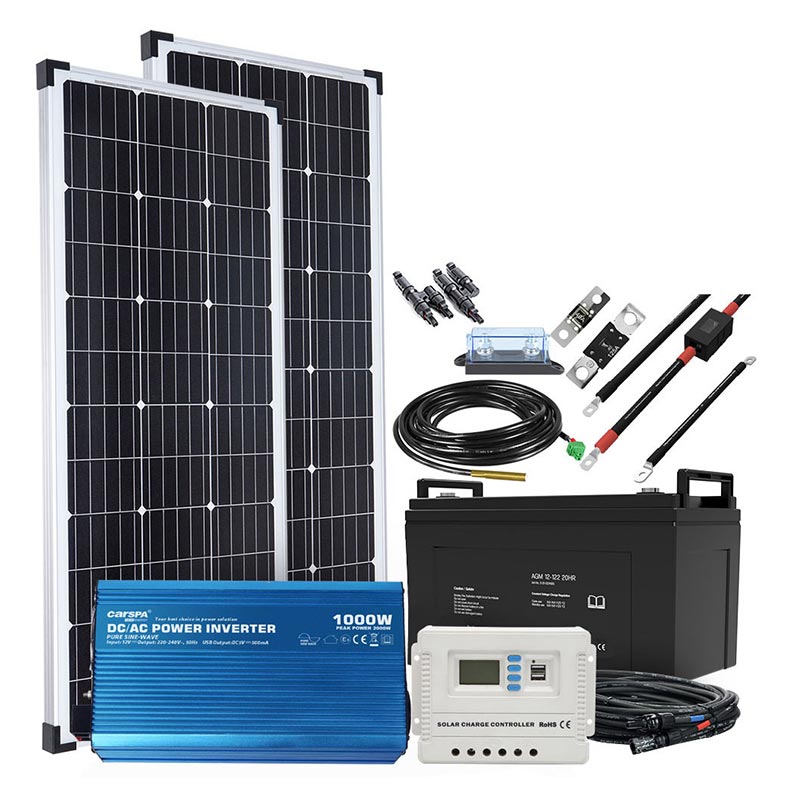
Renewable charging solutions, such as rooftop solar panels, help replenish the battery during the day, lowering dependence on the vehicle alternator. For frequent travelers, a DC-to-DC charger ensures stable charging even while driving, improving battery health and availability.
Reducing Inverter Idle Losses
When the inverter is running without any active load, it still consumes power. Turning it off when not in use prevents unnecessary drain, particularly during long off-grid stays. Some inverters also feature eco or standby modes that minimize idle consumption.
Monitoring System Performance Through Displays or Meters
Voltage meters, battery monitors, and inverter display panels help users track consumption patterns. Understanding real-time power usage enables smarter decisions and prevents unintentional overloads, optimizing day-to-day energy distribution.
Conclusion
Building a DIY RV requires a dependable and efficient power system, and the 1000W Inverter for Car forms a crucial part of that foundation. Whether powering essential electronics, supporting compact appliances, or enabling off-grid living, a well-selected and properly installed inverter ensures stable AC output wherever the road leads. Its balance of portability, practicality, and performance makes it an ideal choice for RV builders who want reliable energy without unnecessary complexity.
By understanding power requirements, choosing the right inverter features, and adopting smart energy-management strategies, DIY RV owners can significantly enhance system safety, extend battery life, and achieve long-term operational stability. A thoughtfully designed electrical system transforms the RV experience—turning mobile living into a smooth, comfortable, and enjoyable journey.
At the end of the day, selecting high-quality products remains the key to dependable performance. For builders seeking proven reliability and professional-grade power solutions, CARSPA offers a comprehensive range of inverters designed to support modern mobile and off-grid applications.